Sign in
 Newsletters




Employees of Dutch defense manufacturer Destinus helped Ukrainian forces launch attack drones toward Russia and attempted to intercept Russian drones over Ukraine, according to an investigation published Thursday by Dutch newspaper NRC, raising legal questions about the involvement of civilian defense contractors in the war.
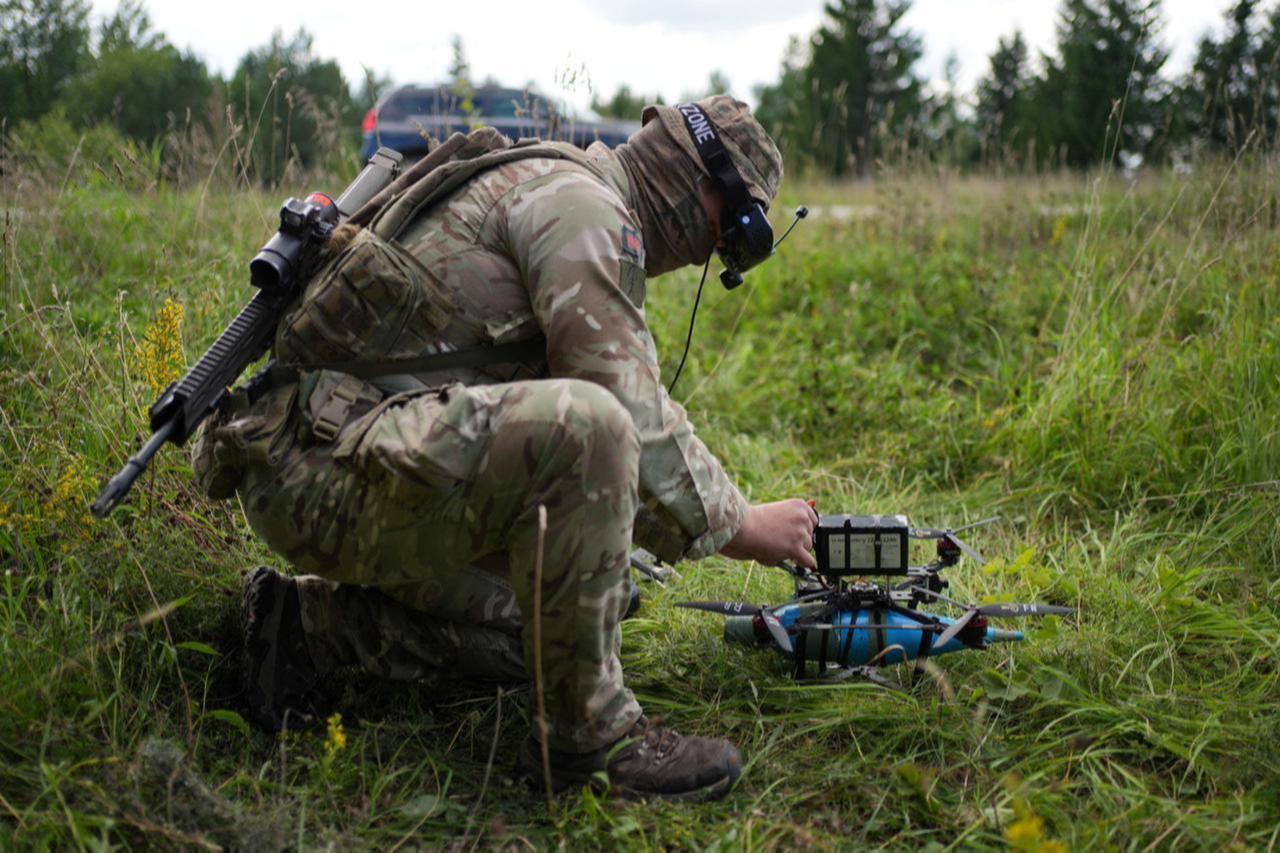
The investigation found that Destinus personnel spent extended periods in Ukraine testing and operating the company's drone systems under battlefield conditions, going beyond the technical assistance typically provided by defense manufacturers.
The findings were based on months of reporting and interviews with more than 40 people, according to Dutch public broadcaster NOS, which also reported on the investigation.
International humanitarian law experts cited by NRC said the reported activities could constitute direct participation in hostilities, potentially affecting the legal protections afforded to civilians during armed conflict.
The Dutch Defense Ministry, responding to the newspaper's findings, said that “deploying a weapon system against a party to an armed conflict constitutes direct participation in hostilities.”
Destinus denied conducting military operations, maintaining that its employees had provided only "technical support."
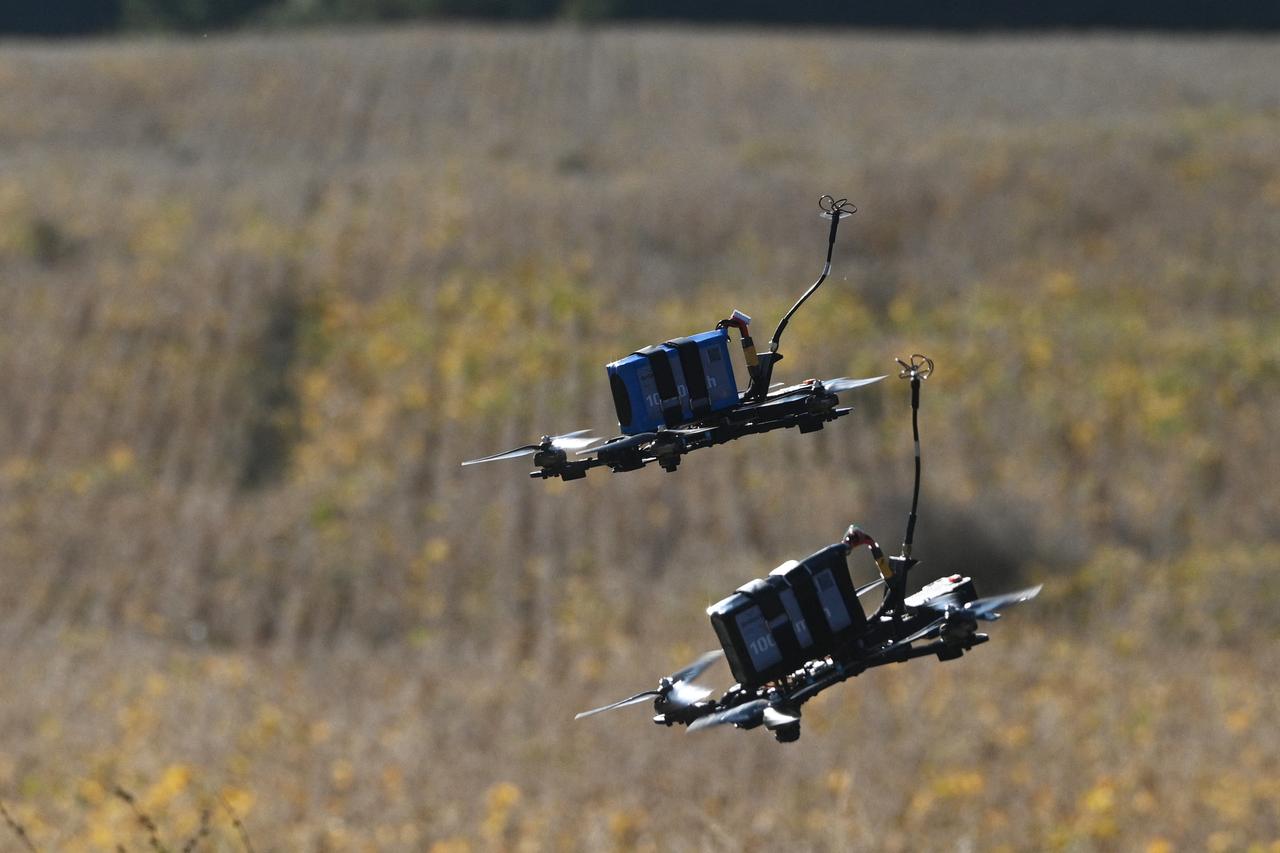

One episode detailed in the investigation occurred in June 2023, when Destinus employees traveled to the front line in Ukraine's Kharkiv region to test attack drones.
According to NRC, one of the drones was launched toward a target near Voronezh, approximately 180 kilometers (112 miles) inside Russia.
The drone entered Russian airspace, although the newspaper said it could not determine what happened to it afterward.
An unmanned aircraft struck an apartment building in Voronezh that same morning, injuring three people. However, NRC did not establish that the aircraft involved was the Destinus drone.
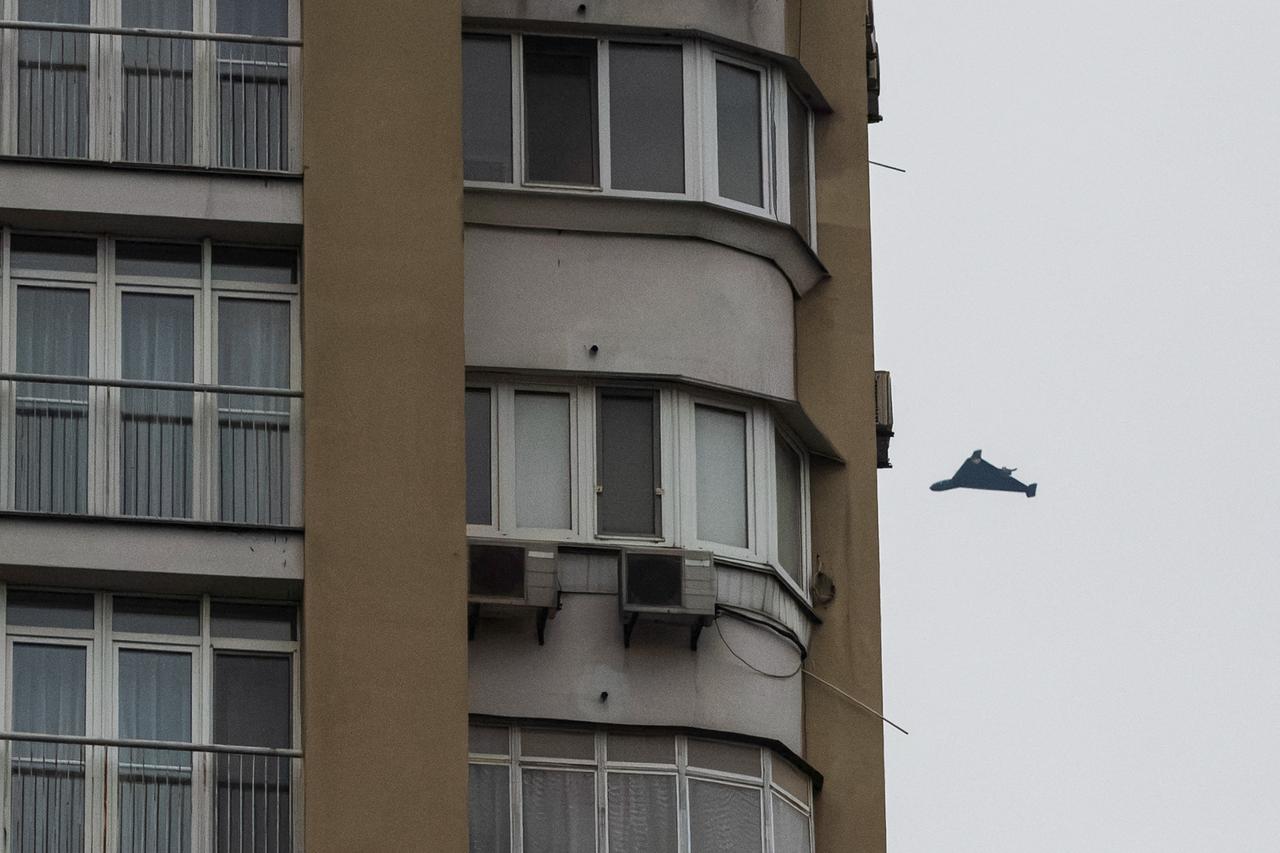
The newspaper also reported that company employees had attempted to intercept Russian Shahed attack drones during testing in Ukraine.
According to the investigation, demonstrating the systems' effectiveness under combat conditions was a priority for the company, with the commercially valuable designation "battlefield proven" potentially strengthening its position in the defense market.
Destinus maintained that its personnel had not participated in military operations.
The reported activities have raised questions about the distinction between supplying military equipment to Ukraine and civilian company employees directly operating weapons during the conflict.
Under international humanitarian law, civilians who directly participate in hostilities can lose their protection against attack for the duration of that participation, although such involvement does not automatically make them members of the armed forces.
The Dutch Defense Ministry's assessment, cited by NRC, indicated that operating a weapon system against a party to an armed conflict could meet the threshold for direct participation.
The Netherlands has arranged export documentation for Destinus' defensive drones and placed orders worth hundreds of millions of euros, according to the investigation.
Dutch Foreign Minister Tom Berendsen said Ukraine had the right to defend itself using weapons manufactured in the Netherlands, provided their use complied with international law.
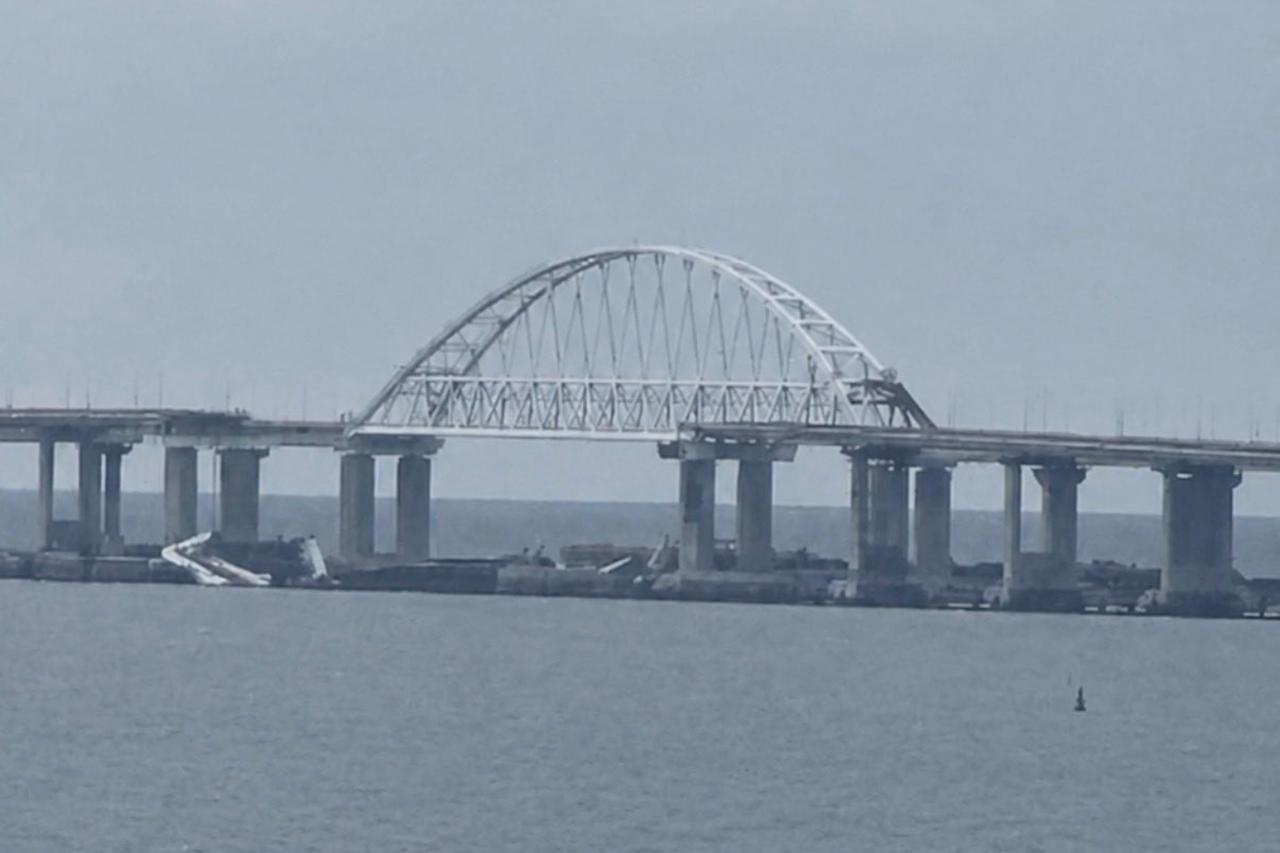
The investigation was published days after Destinus said its missiles and drones had been used in a Ukrainian attack on the Crimean Bridge, which connects Russia with the Russian-annexed Crimean Peninsula.
The company said its Ruta cruise missiles and drones were involved in the operation, describing the attack as evidence of the contribution European-developed military technology could make to Ukraine's defense.
Russia subsequently accused the Netherlands of involvement in the conflict because of the company's role, a characterization the Dutch government did not accept.
The NRC investigation raises a separate question about the possible direct involvement of Dutch company employees in combat operations, rather than the supply of weapons alone.
While Destinus maintains that its personnel provided only technical support, the activities described by the newspaper have prompted scrutiny of where civilian technical assistance ends and direct participation in hostilities begins.


 Set as preferred source
 Set as preferred source


 1 min read
 1 min read