Newsletters





Global observances of Earth Day typically inspire conversations around carbon emissions and ecological preservation.
Nobel Laureate David Gross completely shatters that traditional narrative by shifting our attention to a far more immediate threat to human existence.
Gross recently secured the $3 million Special Breakthrough Prize in Fundamental Physics to honor his lifetime of scientific achievements and global science advocacy.
His current assessment of our collective future offers a chilling reality check instead of celebrating technological triumphs.
During a recent interview with Live Science, David Gross expressed that his goal is to remind the public that "the chances of you living 50 more years are very small."

Decades of meticulous research cement his status as a leading voice on the fundamental mechanics of our universe.
He shared the Nobel Prize in Physics in 2004 for discovering asymptotic freedom within the theory of the strong interaction, which helped complete the Standard Model of particle physics.
He subsequently shifted his focus toward developing string theories to unite gravity with the other fundamental forces.
David Gross' primary concern today centers entirely on humanity surviving long enough to finish this profound mathematical work.
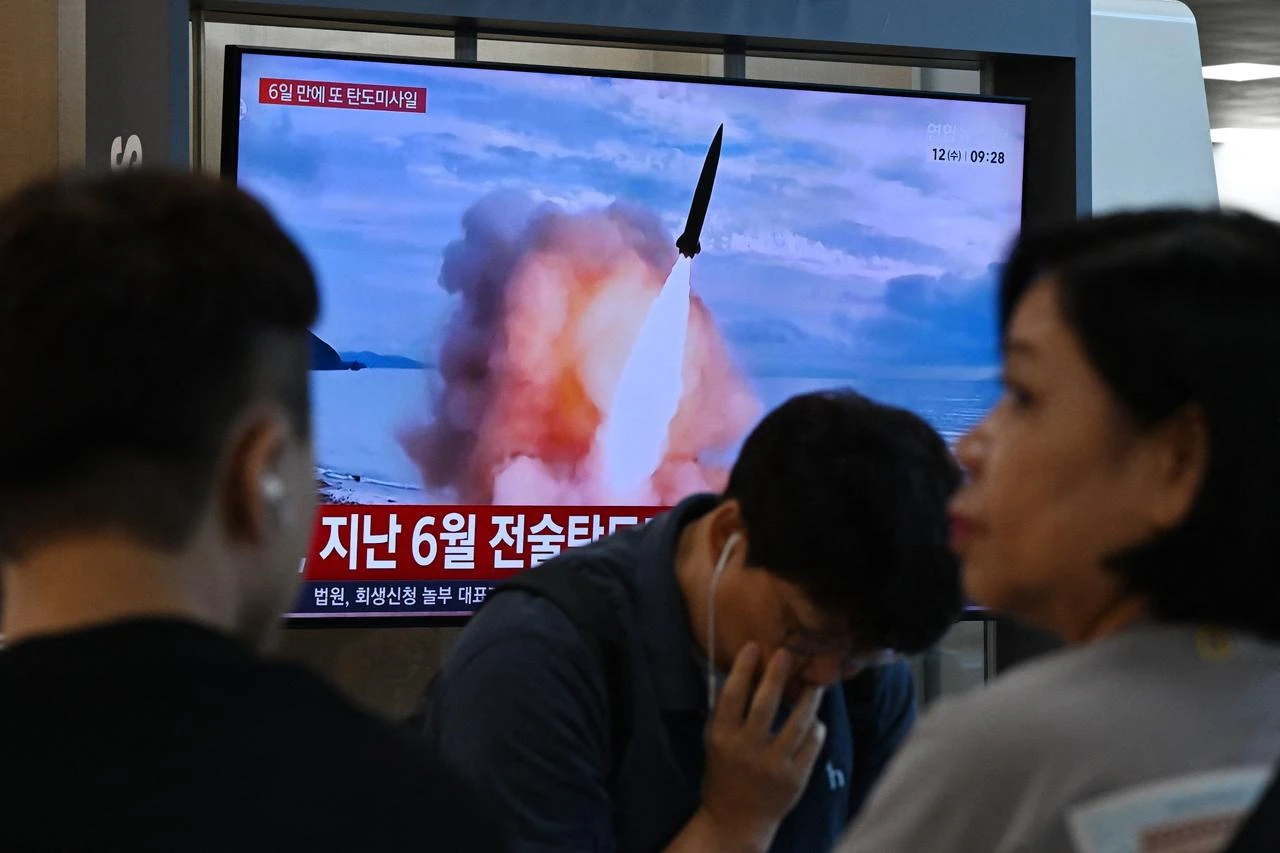
He calculates a staggering two percent annual risk of global nuclear war based on the current collapse of diplomatic norms, warning bluntly, "Due to the danger of nuclear war, you have about 35 years."
Diplomatic frameworks that once prevented global annihilation have entirely eroded over the past three decades.
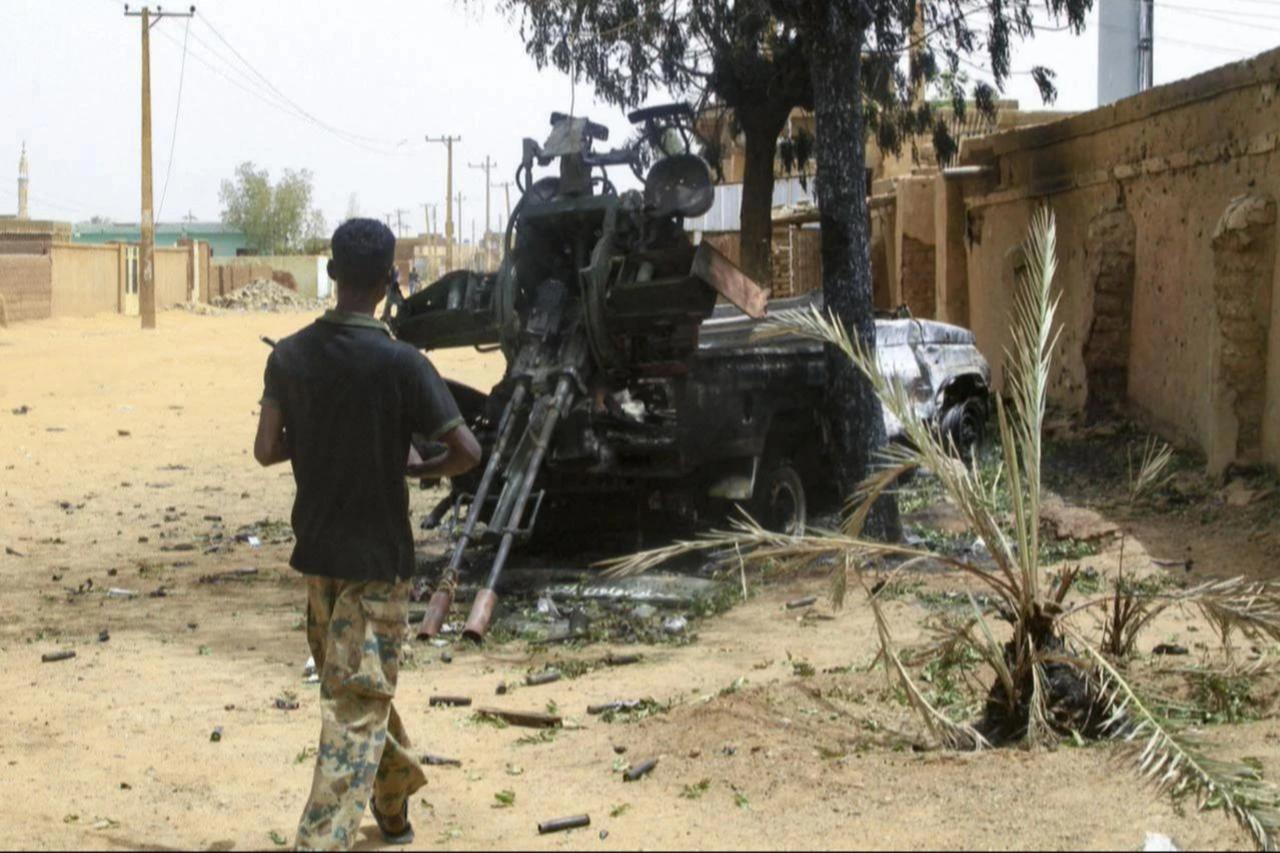
David Gross observes that all strategic arms control treaties from the post-Cold War era have disappeared, thrusting the world into an incredible new arms race. He points directly to the active war in the middle of Europe, the bombing of Iran, and the near conflict between India and Pakistan as prime indicators of our escalating danger.
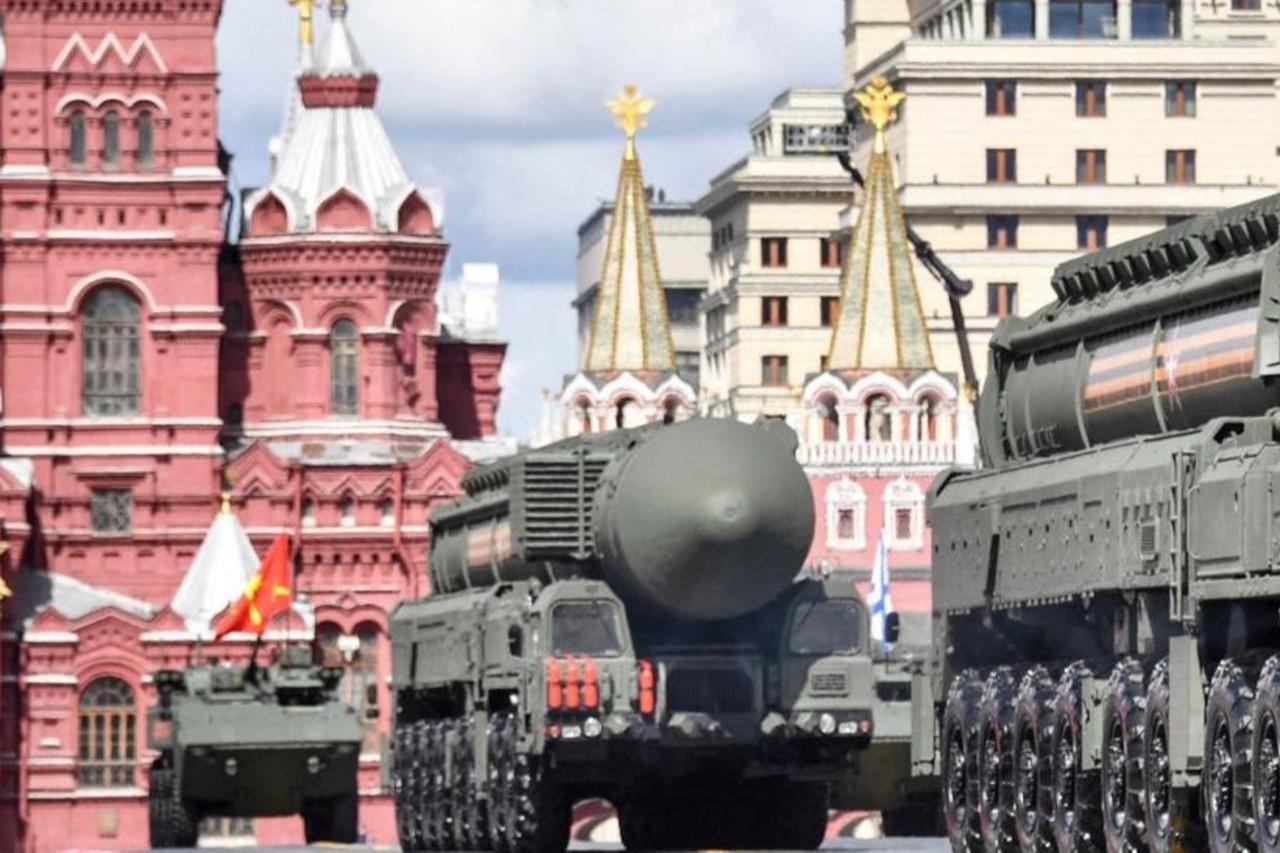
Navigating this chaotic landscape becomes infinitely more complicated due to the existence of nine distinct nuclear powers rather than two clear adversaries, leading Gross to observe that "The agreements, the norms between countries, are all falling apart. Weapons are getting crazier."
The rapid advancement of automation introduces another terrifying variable into this fragile global dynamic. Military leaders might soon entrust rapid response decisions to artificial intelligence systems when faced with launching hundreds of nuclear-armed missiles toward China and Russia.
Gross specifically warns against this inevitable temptation, arguing that "it's going to be very hard to resist making AI make decisions because it acts so fast." He tempers that terrifying scenario with a simple technological reality, adding, "But if you play with AI, you know that it sometimes hallucinates."
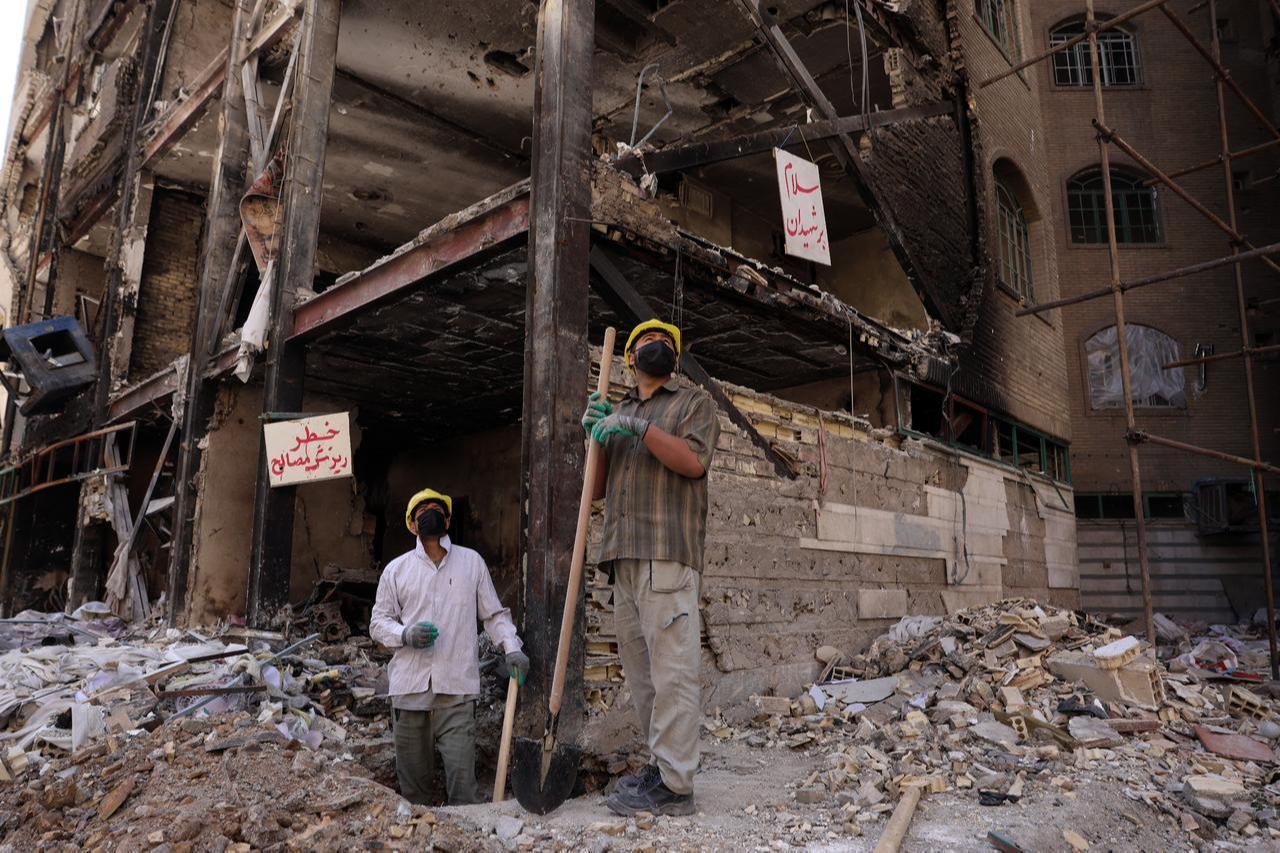
Turning this apocalyptic warning into actionable Earth Day awareness requires drawing a direct parallel to the broader climate crisis.
Scientists recognized the impending dangers of climate change four decades ago and successfully convinced the global public to take that threat seriously.
Gross argues that mitigating the risk of nuclear annihilation represents a much harder argument to make than rallying against ecological collapse.
Citizens must demand that nuclear-armed nations engage in basic diplomatic communication and rebuild the agreements that currently lie in ruins. People possess the ultimate agency in this scenario because these apocalyptic instruments are entirely human inventions.
Gross leaves us with one incredibly simple but profound reminder regarding these weapons: "We made them; we can stop them."


 Set as preferred source
 Set as preferred source


 2 min read