Newsletters


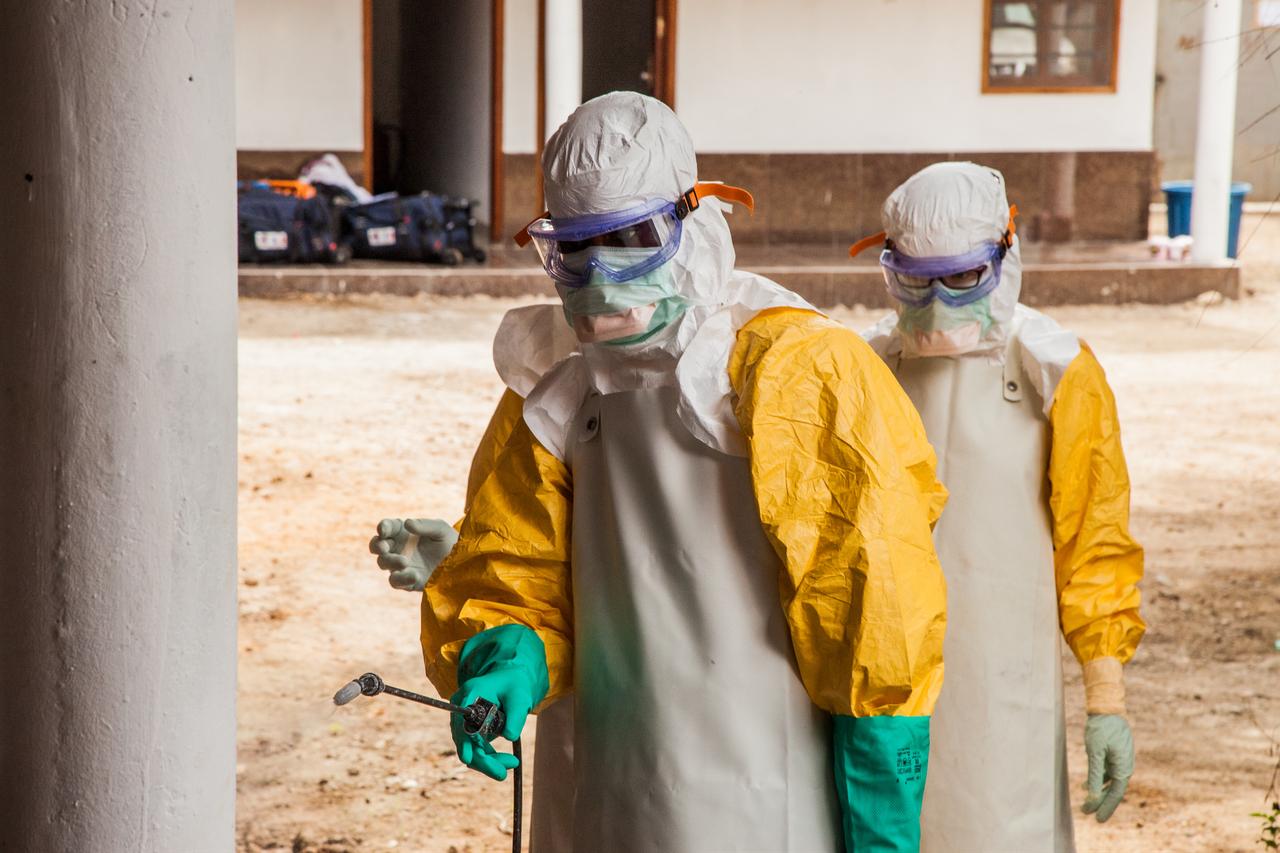


The Ebola outbreak in the Democratic Republic of Congo (DRC) has spread to an eighth province, health authorities said Sunday, as officials work to contain the country’s worst recorded epidemic.
The Health Ministry said two cases, including one death, were confirmed in North Ubangi, a province in northwestern Congo that borders the Central African Republic.
The National Institute for Biomedical Research confirmed the cases, which Reuters had reported Thursday, citing health officials, before the official confirmation.
Both patients are men in their 20s from the Wapinda health zone, which borders Bas-Uele province. The cases followed a series of suspected deaths in a mining area of the health zone.
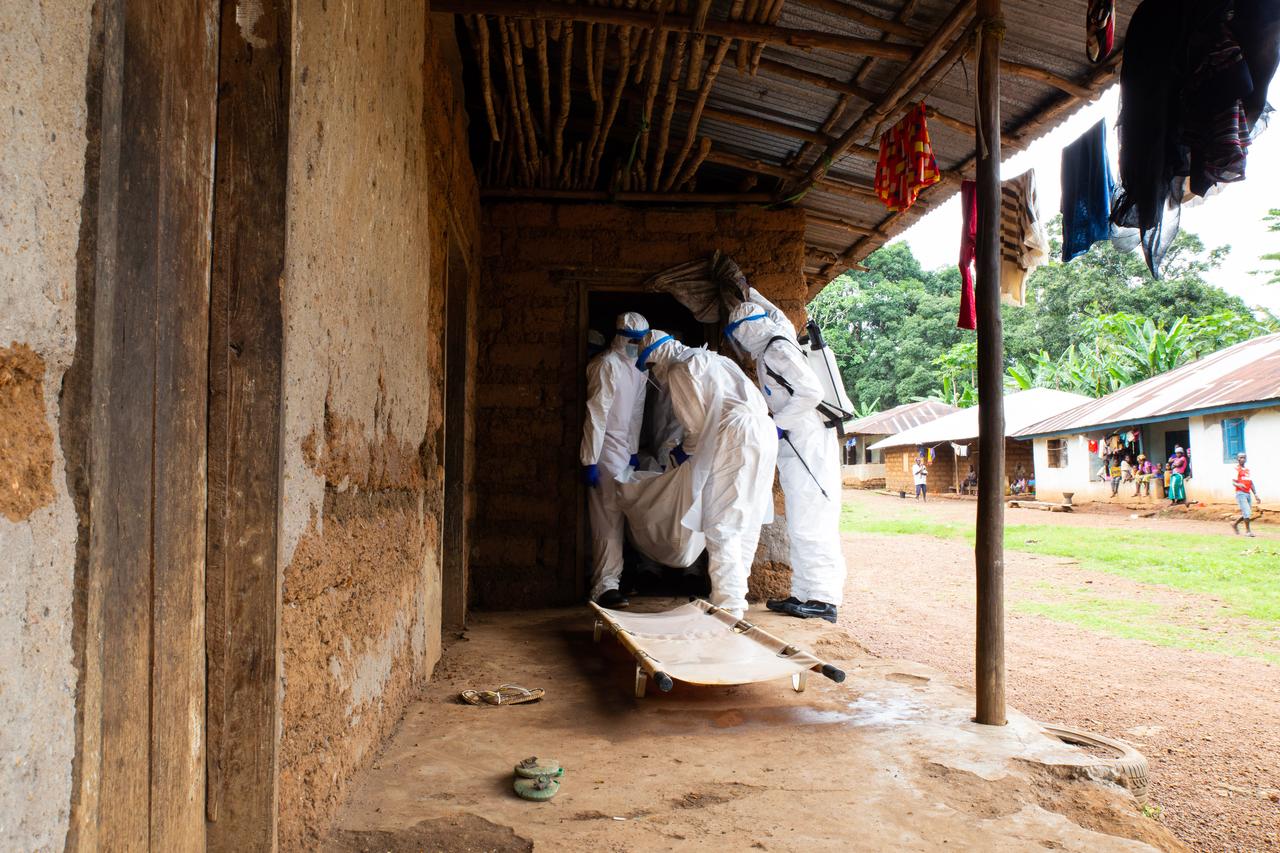

Until last week, the disease, caused by the Bundibugyo virus strain, had been confined to seven provinces: Haut-Uele, Ituri, North Kivu, South Kivu, Bas-Uele, Tshopo and South Ubangi. Bundibugyo is a rare Ebola species with no approved vaccine or specific treatment.
The World Health Organization (WHO) said transmission remains highly heterogeneous across the affected regions.
Ituri, where the outbreak was first detected, remains the main focus, while substantial transmission persists in North Kivu and Haut-Uele.

Confirmed cases in Congo have climbed above 9,400, including 4,536 deaths, since the outbreak was declared in May, according to the latest official data.
It is the largest and deadliest Ebola outbreak recorded in the country and the second-largest worldwide after the 2014-2016 epidemic in West Africa.
Around two-thirds of deaths are occurring at home, according to the WHO, and community resistance remains one of the main challenges.
WHO Regional Director for Africa Mohamed Yakub Janabi on Sunday underlined the importance of local leaders in building trust, community ownership and collective action.
In East Africa, Kenya’s Health Ministry on Sunday confirmed one new Ebola case, bringing the total number of positive cases in the country to eight this month. Health authorities urged greater vigilance to prevent further cross-border spread.


 Set as preferred source
 Set as preferred source



 4 min read