Newsletters


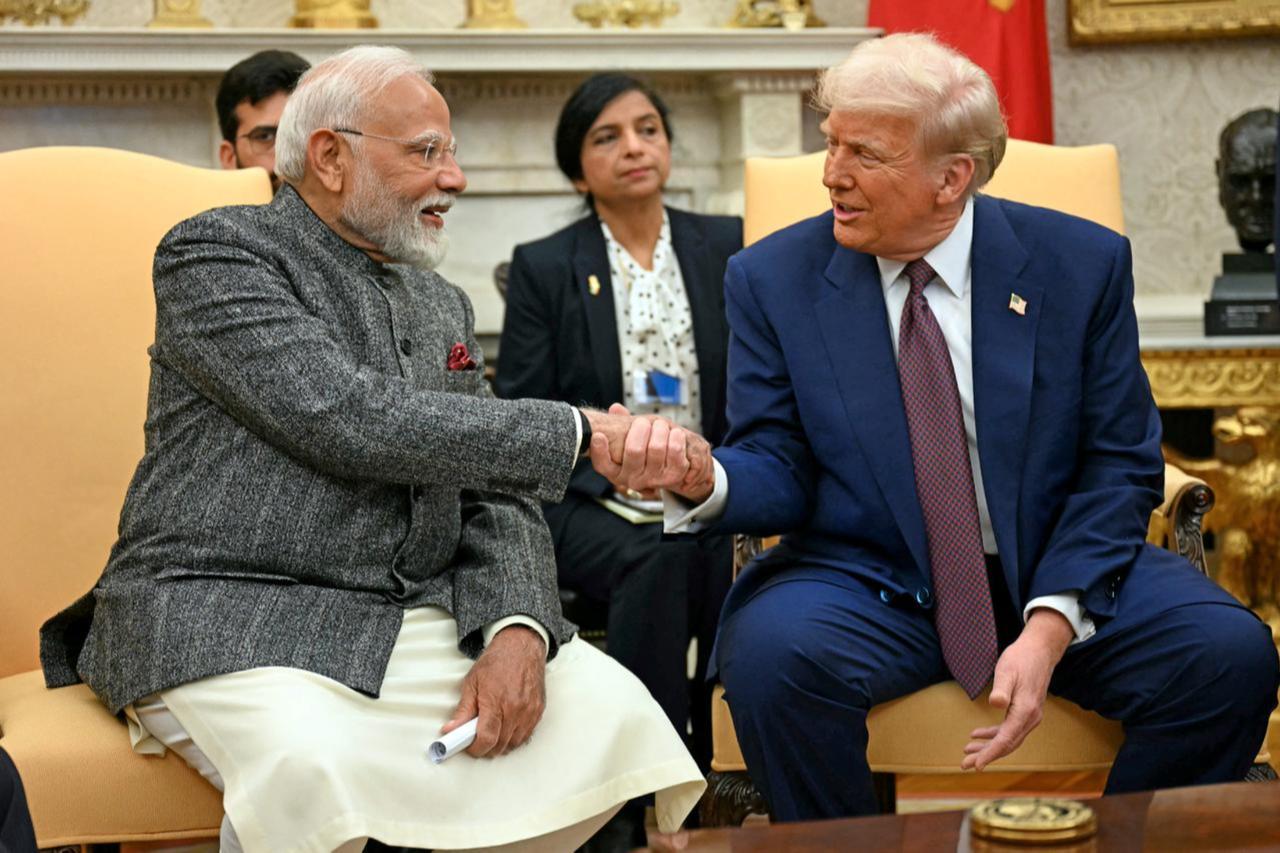


United States Secretary of State Marco Rubio said Monday that Washington was "very close" to finalizing a trade agreement with India, as the Trump administration weighs energy security concerns and Russian oil purchases alongside bilateral trade negotiations.
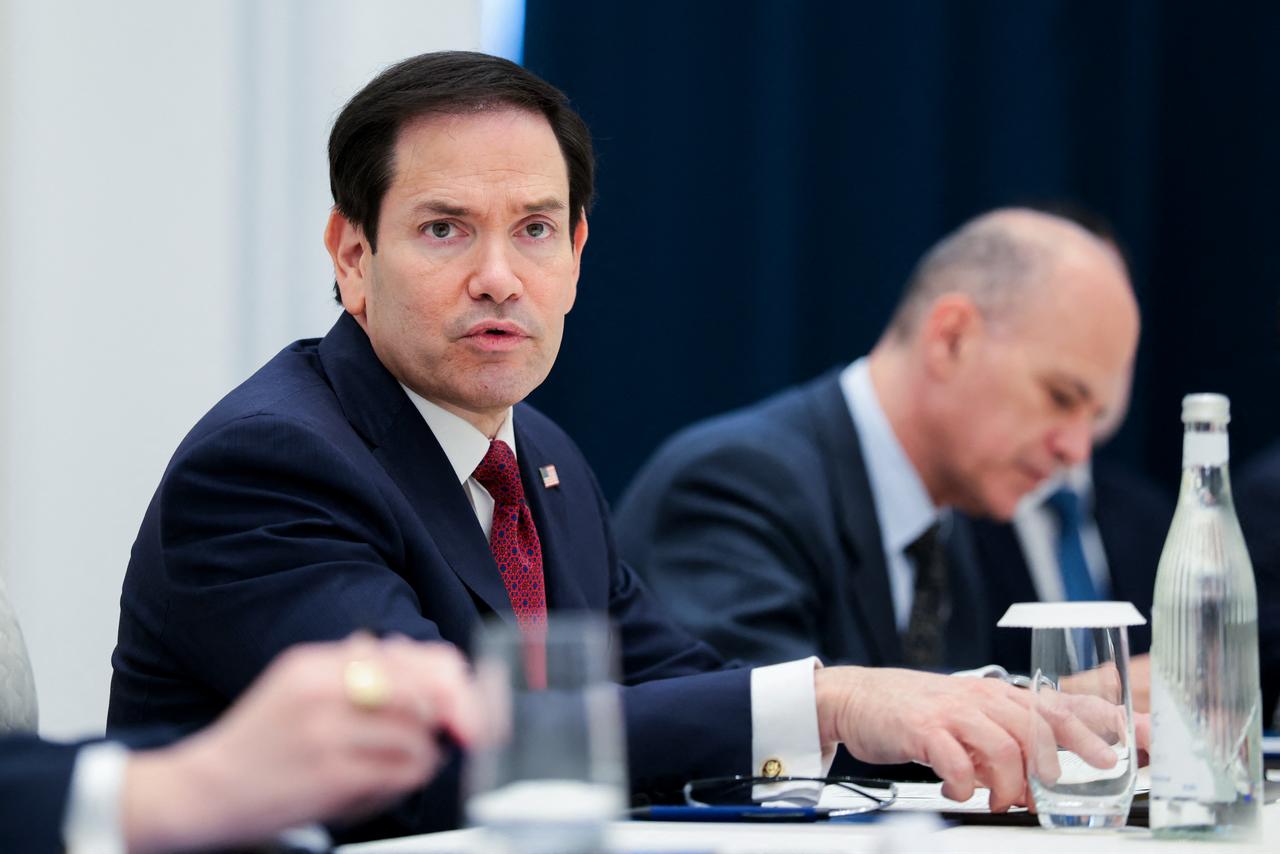
"We're trying to finalize a trade deal with India right now. We're very close to doing that," Rubio said in Samarkand, Uzbekistan, where he was meeting Central Asian officials ahead of a three-day visit to India beginning Tuesday.
Rubio said the negotiations were among the considerations behind Washington's decision to waive sanctions related to Russian oil and gas, citing concerns about global energy supplies and prices.
"We have to manage all of these things. We're trying to finalize a trade deal with India right now. We're very close to doing that. That's one of the things we take into consideration when the President (Donald Trump) makes a decision about national security waivers and things of that nature," he said.
The secretary of state acknowledged that countries faced different challenges in securing reliable energy supplies.
"Geography is real. For some countries, it's very difficult to acquire energy from alternative sources. That's not an excuse, but all of that has to be balanced when making foreign policy," Rubio said.

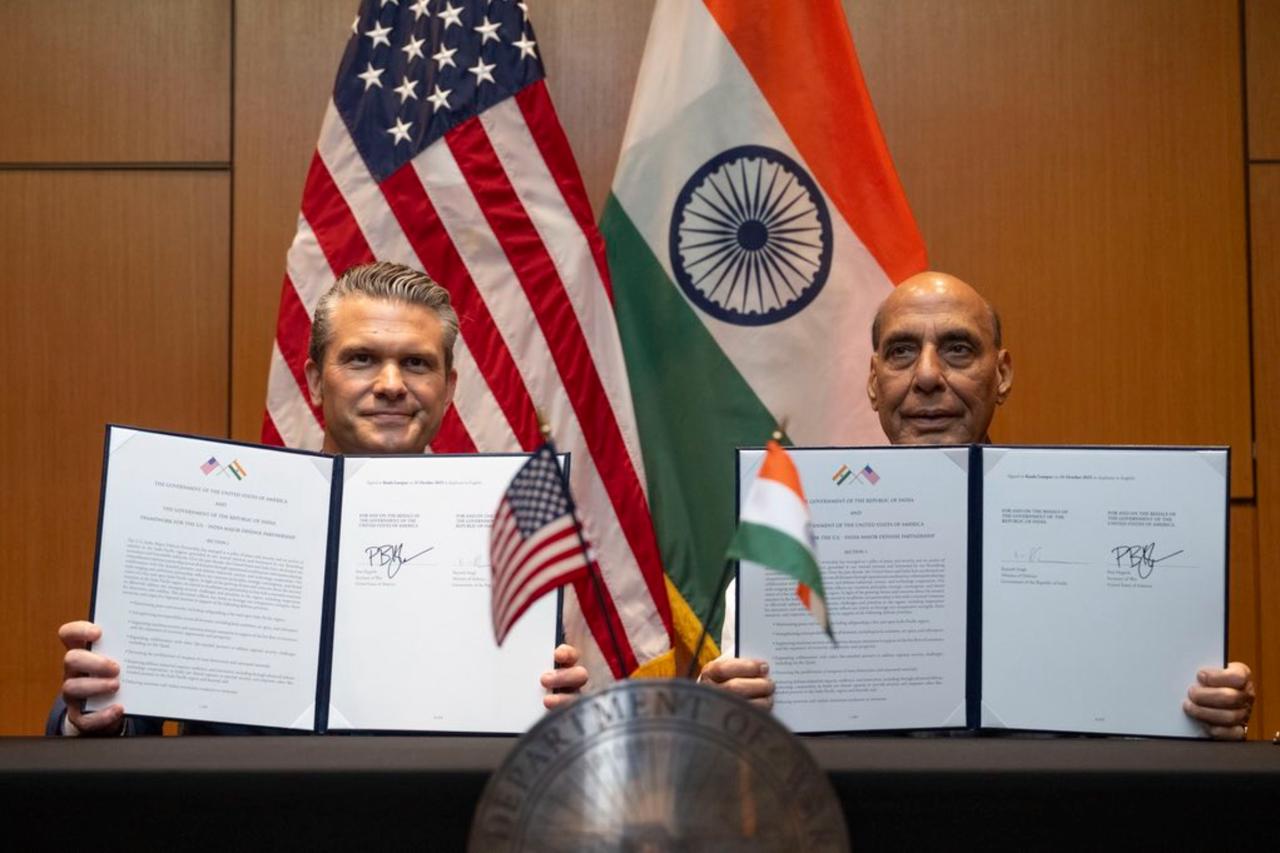
Washington and New Delhi announced in February that they had agreed on the terms of an interim trade framework aimed at resolving longstanding bilateral disputes.
Indian Commerce Minister Piyush Goyal said last week that the first phase of the agreement had been finalized and was undergoing legal drafting.
"We hope to be able to finalize that soon and operationalize that once we get the comparable advantage or competitive advantage over our peer countries," Goyal said at an event in New Delhi.
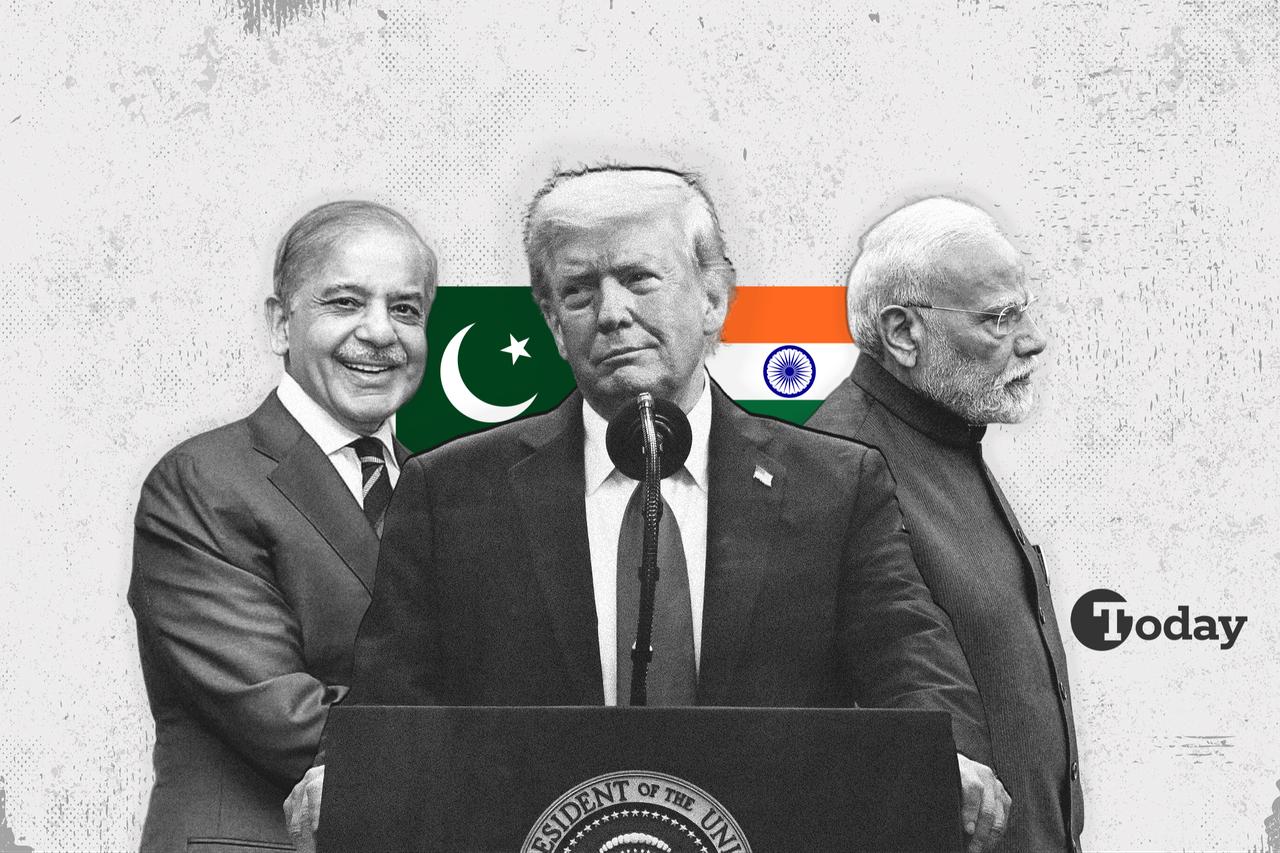
Trade tensions between the two countries escalated last year after President Donald Trump's administration imposed tariffs of up to 50% on Indian goods, partly in response to India's continued purchases of Russian oil during the war in Ukraine.
Washington subsequently lifted the additional 25% tariffs imposed on Russian energy imports.
However, legal challenges in U.S. courts involving Trump's tariff policies have created uncertainty over when the proposed bilateral agreement could take effect.
The United States and India, which maintain a comprehensive global strategic partnership, recorded approximately $149.4 billion in bilateral trade last year.
Following his meetings in Uzbekistan, Rubio will travel to India on Tuesday for a three-day visit, his second trip to the country this year.
He is expected to visit Mumbai, India's financial center, before traveling to Jamnagar in the western state of Gujarat.
Jamnagar is home to the world's largest single-site oil refinery complex.
The visit comes as Washington seeks to deepen economic cooperation with India while balancing its broader sanctions policies and global energy supply concerns.
U.S. Ambassador to India Sergio Gor, who was born in Uzbekistan, also serves as Washington's special envoy for Central Asia.
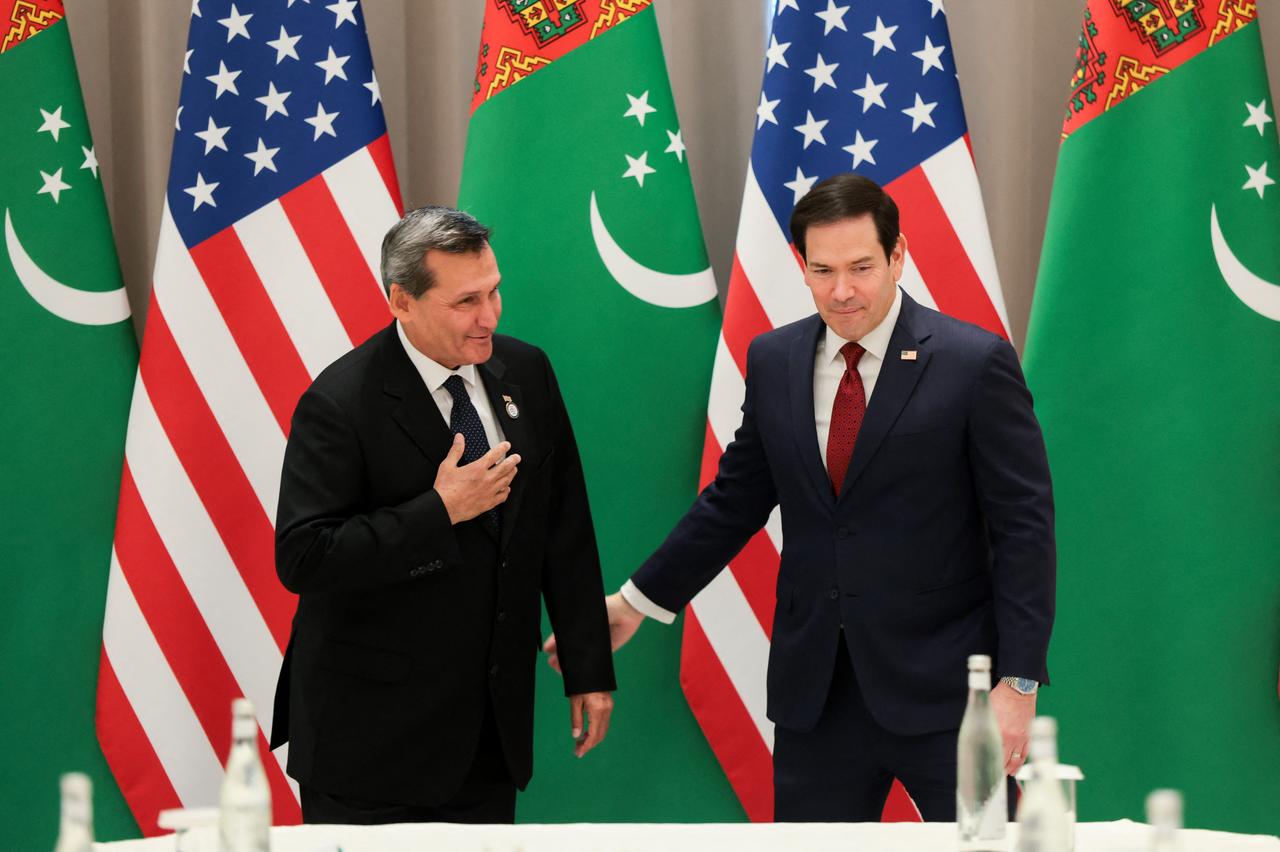
Rubio arrived in Uzbekistan's historic Silk Road city of Samarkand late Sunday for talks with officials from Kazakhstan, Kyrgyzstan, Tajikistan, Turkmenistan and Uzbekistan.
His delegation includes approximately 200 business executives, reflecting Washington's interest in expanding commercial and energy cooperation across the resource-rich region.
The five former Soviet republics held talks with Trump at the White House in November 2025.
Before beginning formal discussions, Rubio was scheduled to visit Samarkand's historic old city, once an important trading center connecting China and the West.
"This is an important relationship," Rubio said before departing for the region.
"There's countries you'd like to get to because we want to build our relationships with them," he added.
A senior State Department official said Friday that the visit demonstrated Washington's commitment to a "deepening partnership across Central Asia," particularly in the energy sector.
Central Asian countries retain longstanding economic and security ties with Russia, including energy pipelines, migration networks and defense relationships.
However, Moscow's influence has weakened since its full-scale invasion of Ukraine in 2022, while China has expanded its economic footprint across the region.
China is now the largest trading partner of all five Central Asian countries.
Chinese companies have also pursued major energy and natural resource agreements, including natural gas purchases from Turkmenistan, uranium supplies from Kazakhstan and rare earth mineral projects in Tajikistan.
Rubio's visit comes as Washington seeks to strengthen its presence in a region increasingly important for energy security, critical minerals and strategic competition with Beijing.
The diplomatic tour also follows an increase in Rubio's international travel amid the U.S. war with Iran, continuing fighting in Ukraine and preparations for November's congressional midterm elections.


 Set as preferred source
 Set as preferred source


 1 min read
 1 min read