Newsletters




When asked what his message is to the Republican Party shortly after Democratic wins piled up across both houses of Congress, the president did not answer the question. He said: "A lot of people say the oil price is because of Iran. But I'm very convinced that my decision on Iran is for the long-term good of our country."
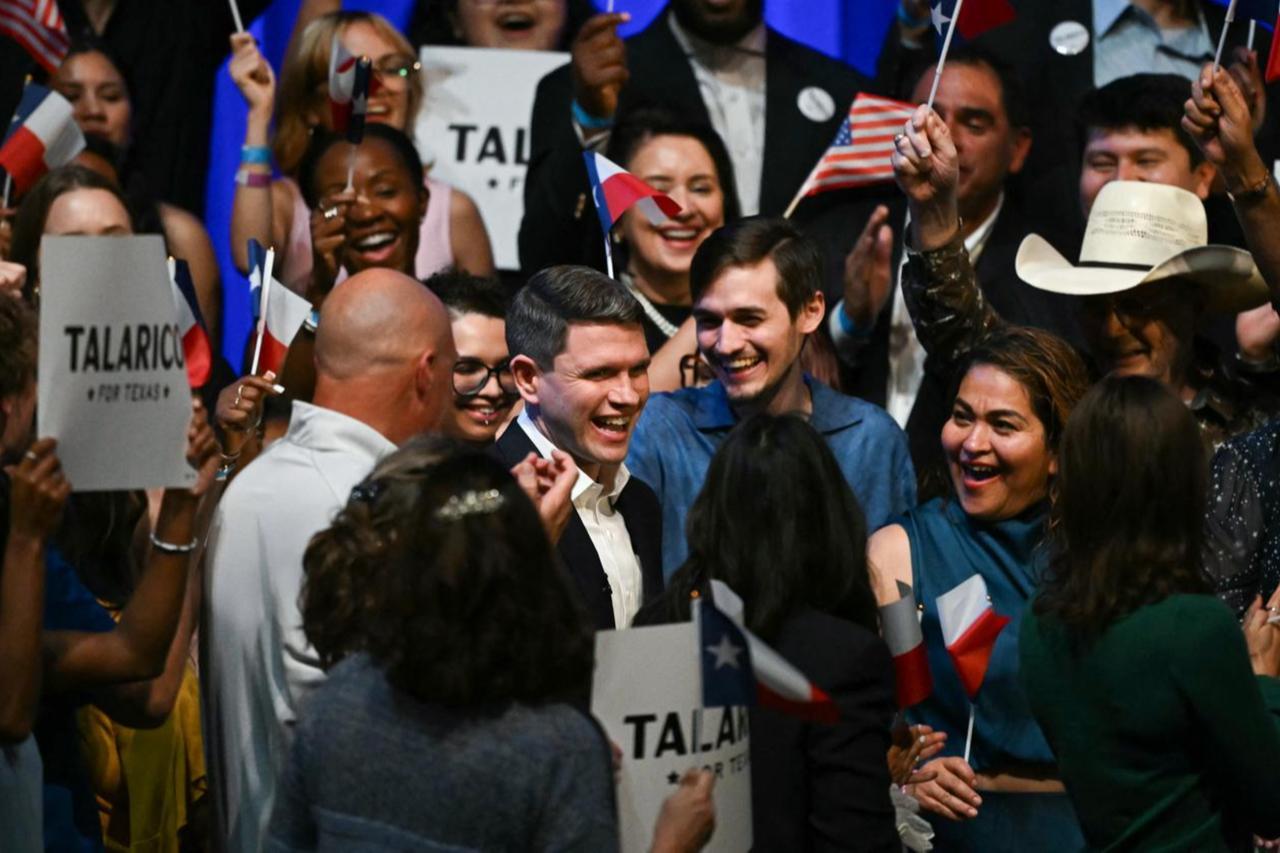
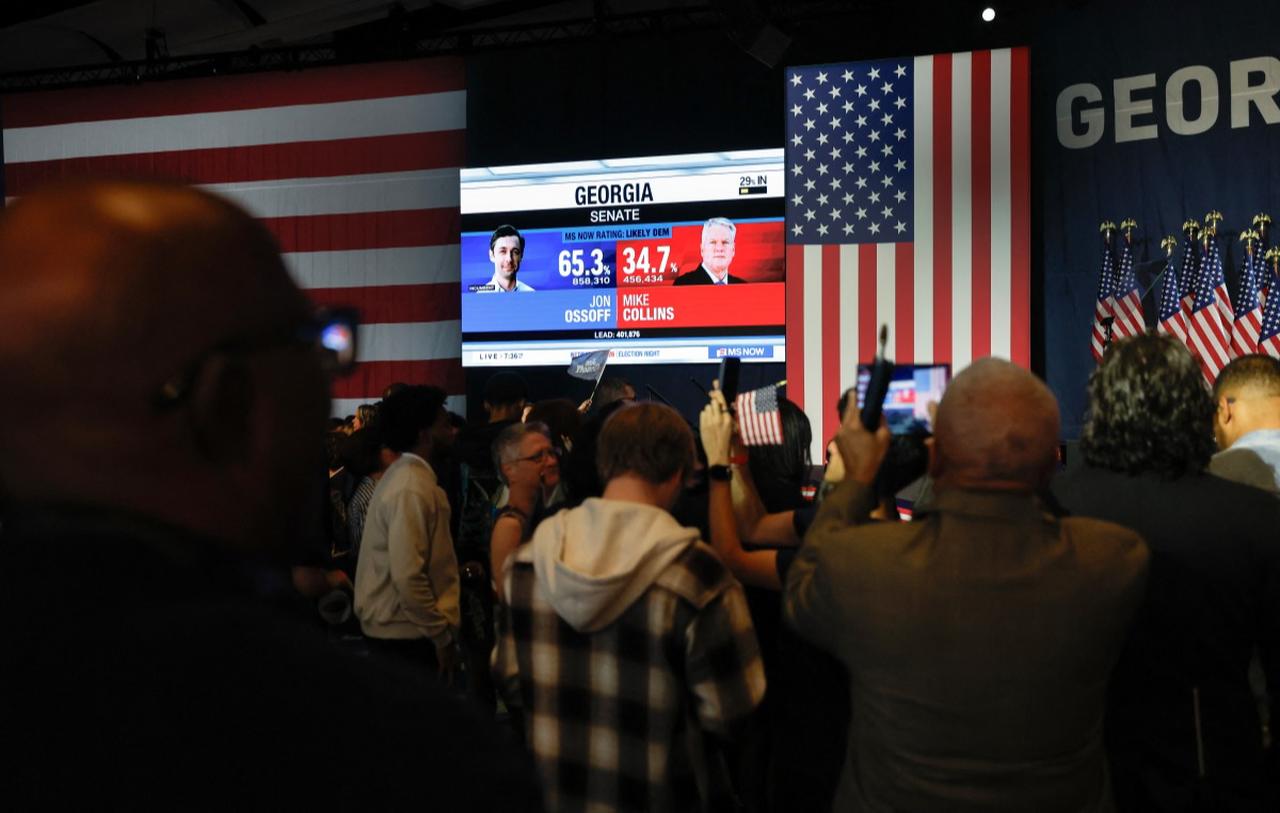
It is an answer to a question nobody asked, seemingly delivered mostly to himself. The electorate had already given its own answer last night with red states like Texas and Kansas flipping to Democrats.
Türkiye Today spent election night asking Democratic voters what moved them, and every one of them counted the war, each from a different side. One pointed to the billions sent overseas while their own budget tightened. Another said fuel prices spiked because of it. A third said the president promised no more wars and then fought one, with no plan to end it.
Voters had already said something, and they had said it in several accents at once. On election night, the explanations came in three versions: the economy, the war and the candidate. Each has a household behind it, and each has a political camp that treats it as the whole story.

The first explanation is the household budget. Voters describe a squeeze that has little to do with foreign policy: the mortgage, the grocery bill, health insurance, rent.
That reading treats the vote as a verdict on prices. Nobody votes against a gross domestic product figure. They vote against the specific Tuesday when the mortgage, the pharmacy bill and the fuel gauge all came due together. On this account, the frustration was quiet for a long time and then became turnout.
Then there is the ledger voters keep in their heads. Billions of dollars go to a war overseas while the grocery bill climbs at home, and taxpayers do that subtraction without help from a think tank. A voter remembers a promise. The campaign said no more wars, and it said prices would come down. The war is now in its fifth month, and the prices are still on the sign.
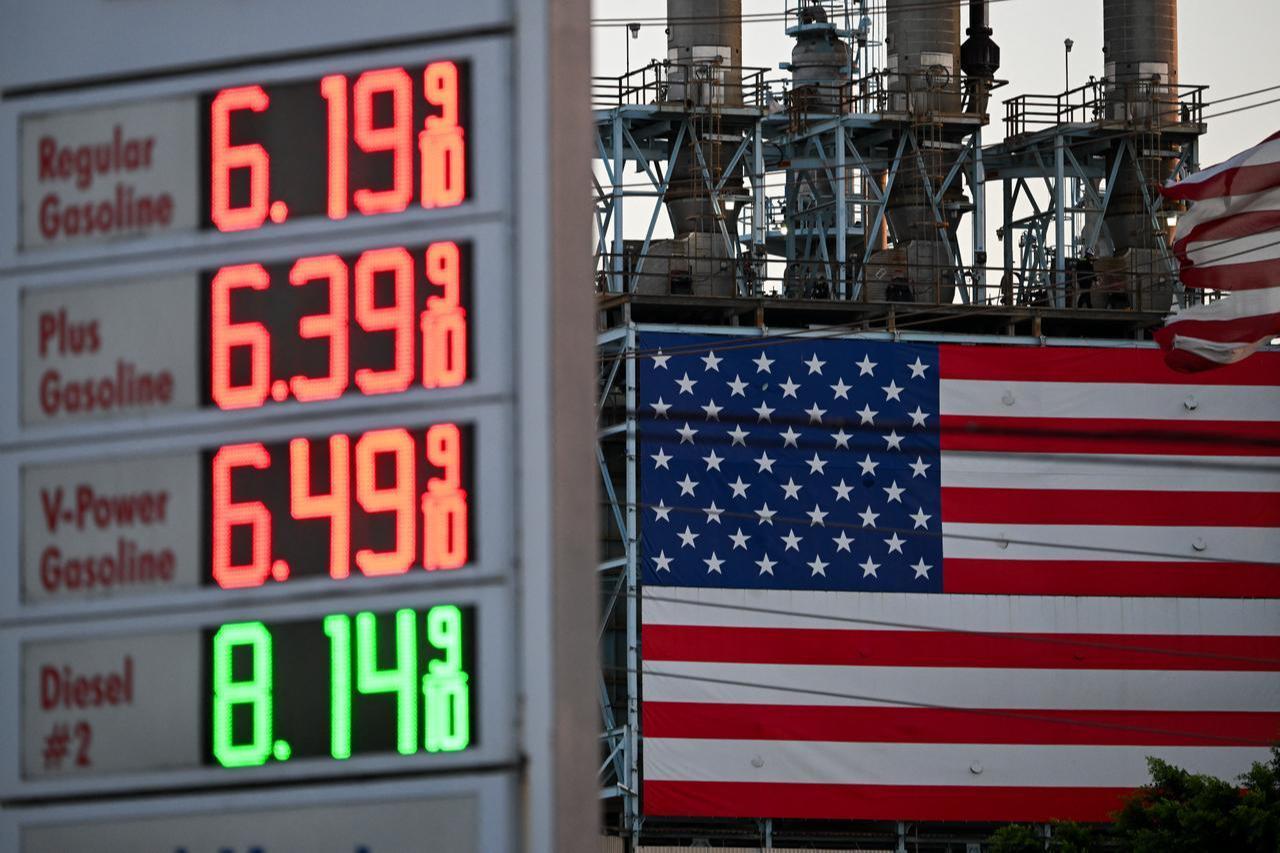
The second explanation starts at a gas station. Drivers say they cannot absorb another dollar a gallon. On a 15-gallon tank that is $15 more per fill-up, posted on a sign that needs no briefing on the Strait of Hormuz.
Democrats connect that sign directly to the war. They describe a conflict that was supposed to last a few weeks and has run for many months, that the president never argued for in front of the public, and that has no announced exit. Polling, they say, shows it is extraordinarily unpopular.
Taxpayers watch billions leave for a fight overseas while prices climb at home, and they need no help with the subtraction. Diplomacy will have to end it eventually, Democrats argue, and each escalation makes that harder.
Oil is a global commodity, supply is arriving from places like Venezuela, and prices are coming down. Iran, in the Republican account, is further from a bomb than at any point in years. Both can be accurate at their own scale. A national average can fall while a driver still pays more than last year at the station near the school. The war’s logic is strategic, and the voter’s experience is local.
The accounting goes past money. Democrats add corruption, tariffs and the rule of law to the list as reasons for their blue wave. They cite federal agents detaining people off the street, including, they claim, some American citizens, and argue that many voters have started to see democratic institutions as more fragile than they assumed.
Republicans point out that the party in the White House loses seats in most midterms, that this is a pattern older than the current president, and that voters who punish one party for prices tend to punish the next one too. A Republican strategist added that Democrats campaigned on the economy and now own the job of fixing it. How a minority party that has not governed lowers prices is a question he asked out loud.
Even so, Republicans concede the plain point: the president is not popular at the moment, and the night ran worse for them than many expected.
Investigations are the next test. Democrats have signaled that subpoenas are coming and say their base will demand them. Republicans answer with a souvenir. The last time the president was pursued through the courts, his mug shot went onto coffee mugs and T-shirts and became a fundraising image.
Republicans also note that the country carries about $40 trillion in debt. A majority that spends two years on hearings instead of prices, they warn, invites the same verdict voters just delivered. Democrats reply that they can walk and chew gum at the same time, and that the primary emphasis stays on cost of living, education, healthcare and housing.
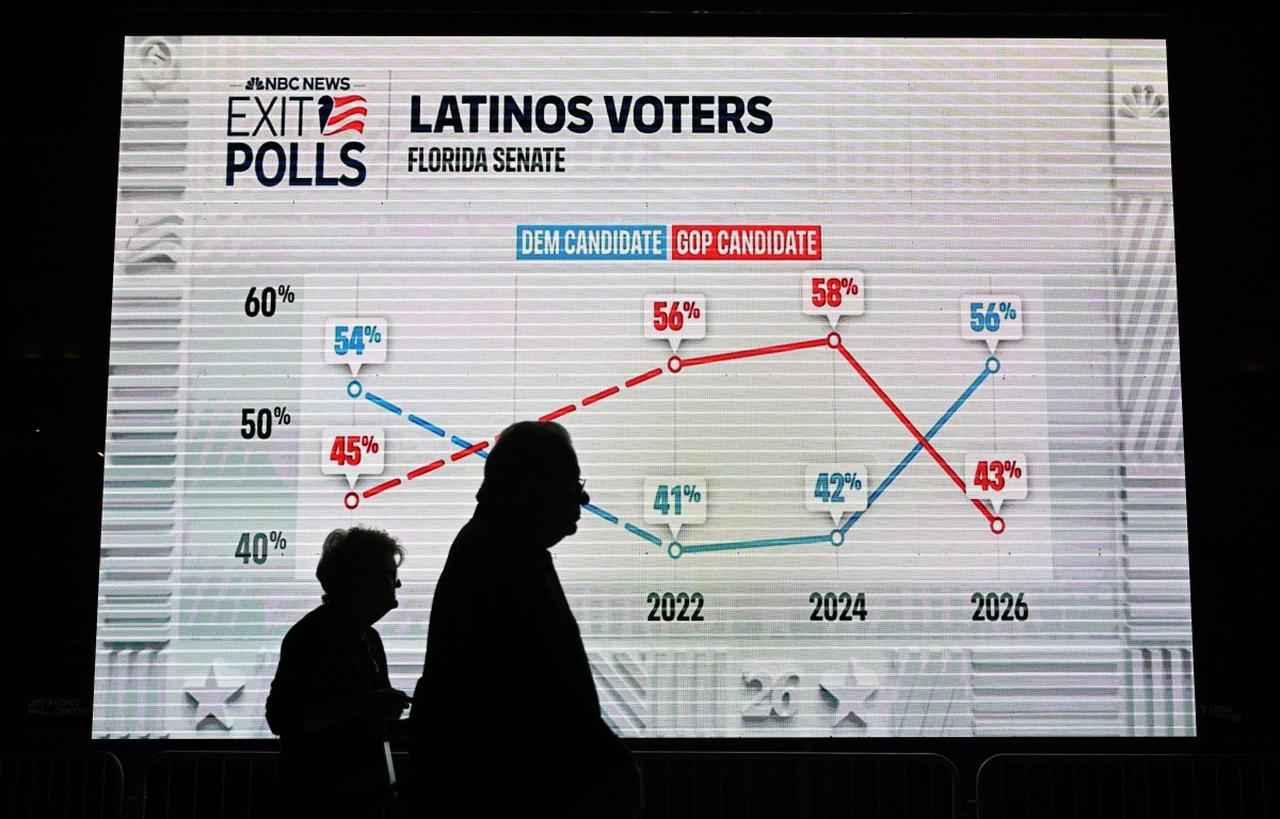
Midterms usually cost the president's party seats. That is arithmetic as old as the calendar, and it explains a wave. It does not explain a tsunami.
The result, overall, might be a combination, and the Democratic point of view would add democracy to the list of reasons.
Taken together, these points make the sequence plain. An unpopular war pushed up the price of fuel. Higher fuel prices pressed on budgets that were already tight. Those budgets belonged to voters who had been promised relief, and who then saw the promise break at the pump.
The president says his decision is for the long term. Gas prices are posted in the short term, in large numbers, on a corner everyone drives past.


 Set as preferred source
 Set as preferred source


 2 min read
 1 min read