Newsletters





Last weekend, Iraq’s prime minister sent four brigades to Basra because Baghdad had heard that Iran-aligned factions might launch drones at Kuwait in case the war with Iran restarts. Reports of new U.S. strikes on Iran after the election are the reason it was made.
So the clock in Basra is set by the calendar in Michigan.
While many Americans might vote about gas and grocery prices, Gulf capitals wait for a verdict that may have little to do with them. That is how far a Tuesday ballot reaches, and Washington has two stories on offer.
In the first, Democrats win the House and grab the purse strings. Every spending bill starts there, and an $87 billion war request is waiting. No money means no war, at least very hardly.
In the second, nothing ever changes for the next two years. Trump has said as much: “I think we’re going to do great, but if we didn’t win, I veto everything.” Overriding him takes two-thirds of both chambers. Some Democrats may back the war and won’t vote with the rest of the party, and nobody can say whether a victorious opposition would even go after a cabinet secretary.
So which one is it for the Middle East: a checkbook with teeth, or a lot of noise on Wednesday morning?
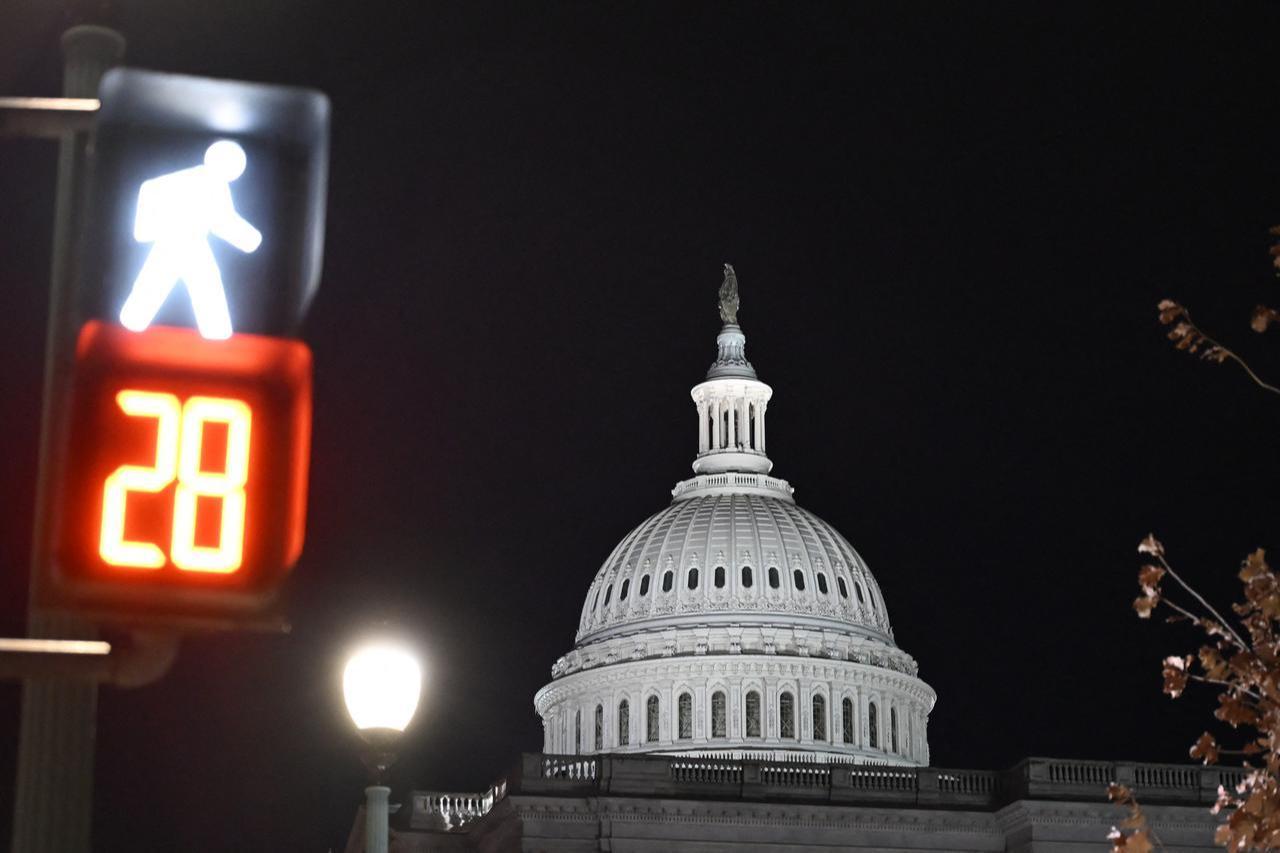

Politics in Washington starts with money. Every appropriations bill begins in the House, which is widely projected to flip to the Democrats by today.
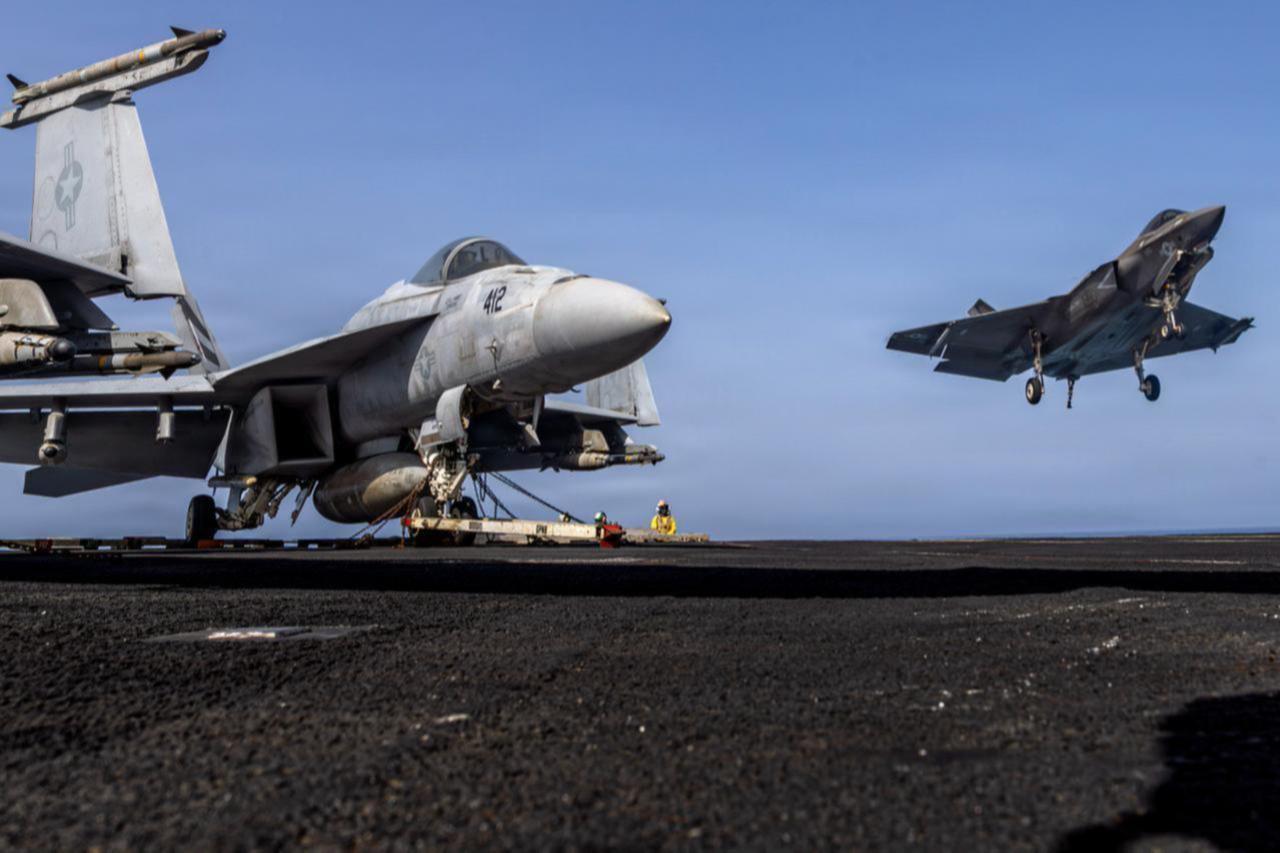
The White House sent a $87 billion supplemental request in June, with $21 billion to replace weapons used against Iran and $17 billion for operations. Sen. Patty Murray, the top Democrat on Senate Appropriations, has said she opposes “rubberstamping a request to bankroll this war.” A Democratic House turns that sentence from a statement into a vote.
Apart from the war prospects, the same House could turn its attention to the Gulf. Saudi Arabia has pledged around $600 billion in deals, Qatar a $1.2 trillion framework and the UAE $1.4 trillion over 10 years. All of it was brokered under a Republican president, and committees with subpoena power tend to read such paperwork closely.
The Senate has its own levers. Democratic Sens. Ed Markey and Jeff Merkley have introduced a resolution of disapproval against the civil nuclear agreement with Saudi Arabia, citing proliferation risks.
Democrats need 51 seats to take the chamber, since the vice president breaks ties for Republicans, and every seat gained makes forcing floor votes easier. The mood is moving too.
In April, 36 Democratic and independent senators voted against a $151 million weapons sale to Israel, up from 23 the year before. Senate hopefuls such as Abdul El-Sayed in Michigan and Troy Jackson in Maine now campaign on an arms embargo or an end to military aid.
Then there is the hearing room. Sen. Jeanne Shaheen, the top Democrat on Foreign Relations, has said Congress is “largely in the dark” about the Board of Peace overseeing Gaza’s reconstruction, and she questions its legal status and the safeguards on donor money. A gavel changes hands and those questions get witnesses.
Deep-red losses could shift Republicans as well. If Democrats win in Texas, Kansas or Iowa, senators eyeing 2028, such as Ted Cruz and Tom Cotton, have a reason to put distance between themselves and an unpopular war.
Brian Katulis of the Middle East Institute offers the cold-water version. Trump’s approval stood near 3 in 10 in early October, the lowest before a midterm since Harry Truman in 1946, and still Katulis expects a Democratic majority too small to override a veto or force a change of course in 2027.
His first wall is history. National security power has drifted toward the White House for a quarter century, and the current Congress has watched Trump dissolve agencies and strike alleged smugglers at sea with little pushback. The 2006 midterms are the template: voters furious about Iraq handed Democrats Congress, and the 2007 surge went ahead anyway.
The second wall is the agenda. Inflation, driven partly by war-inflated energy prices, tops voters’ lists, followed by health care. A new majority will spend its first months on those, plus oversight of the president’s business dealings, and Iran will wait in line.
The third wall is Democrats themselves. They are vocal about what they oppose and vague about what they would do instead. A bill to “end the war” ignores that Iran’s government is no more popular in America than the war is. Senator Murphy of Connecticut argues for exactly that bill, and the idea has an audience, but it has no agreed text and no veto-proof count according to the proposer himself.

Middle Eastern governments know how to read this, and they are not betting on a single Tuesday. They are counting years: investment pledges that outlast one Congress, security ties that outlast one president, and a border near Basra that needs guarding whoever wins in Michigan.
Iraq’s national security adviser said last week that Baghdad would stay neutral if the war resumes and would keep attacks on Gulf states from leaving its territory. Foreign ministers prepare for committee friction and slower arms sales, while commanders plan for a president who keeps most of his options.
The midterms matter, whether the margin is narrow or wide. The results could slow a sale, stall a supplemental, or put an official under oath. But without a strong blue wave, Democrats are unlikely to take the wheel. Voters in toss-up states will decide who sits on the committees, and the president’s veto pen will limit how much those committees can change.


 Set as preferred source
 Set as preferred source


 3 min read