Sign in
 Newsletters


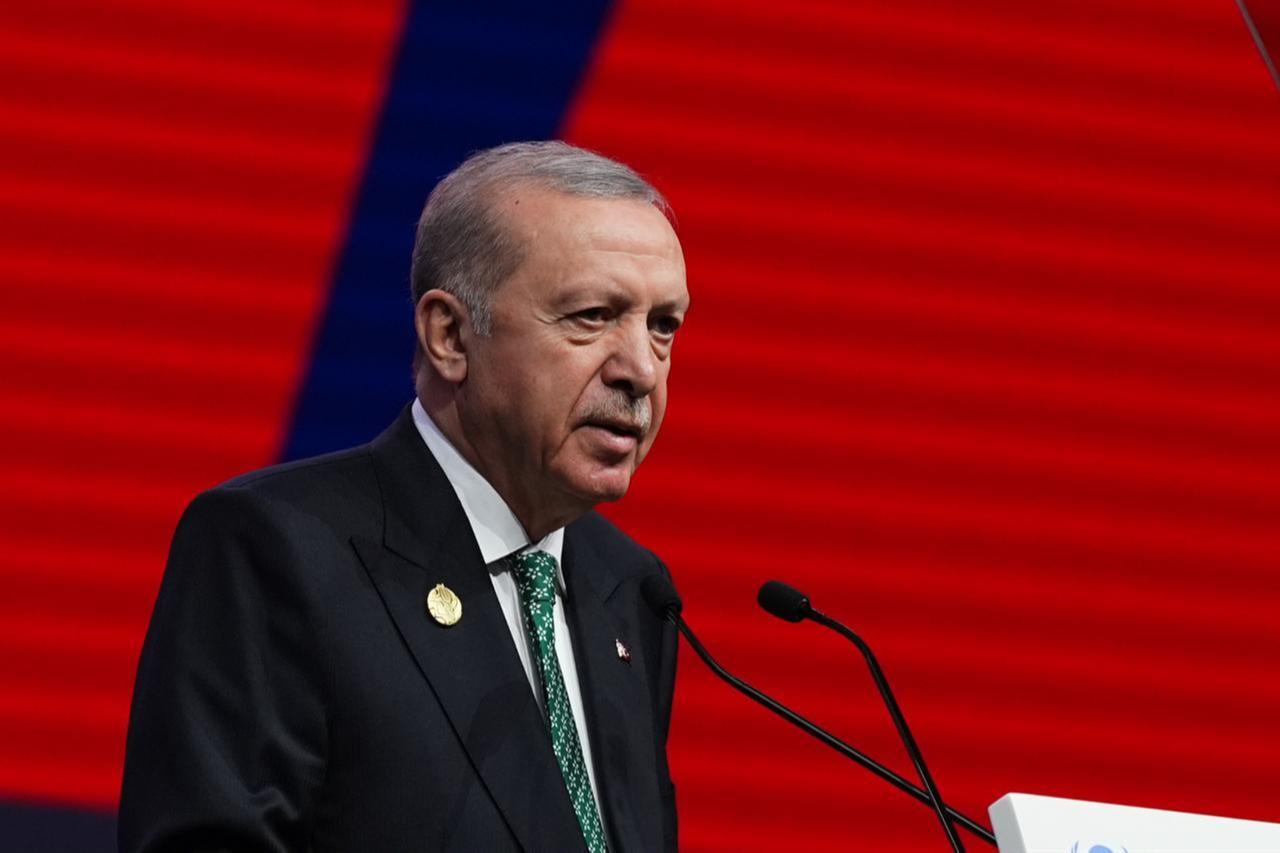


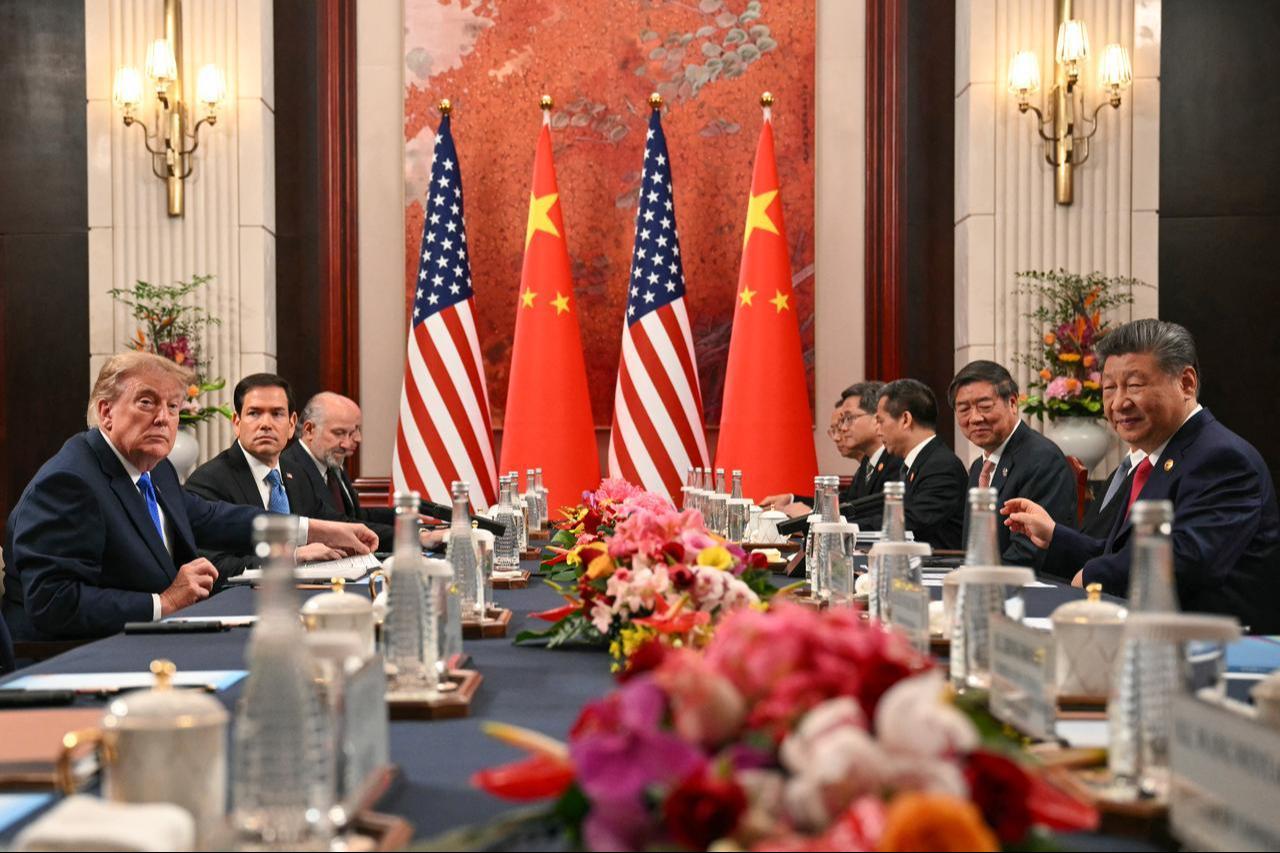
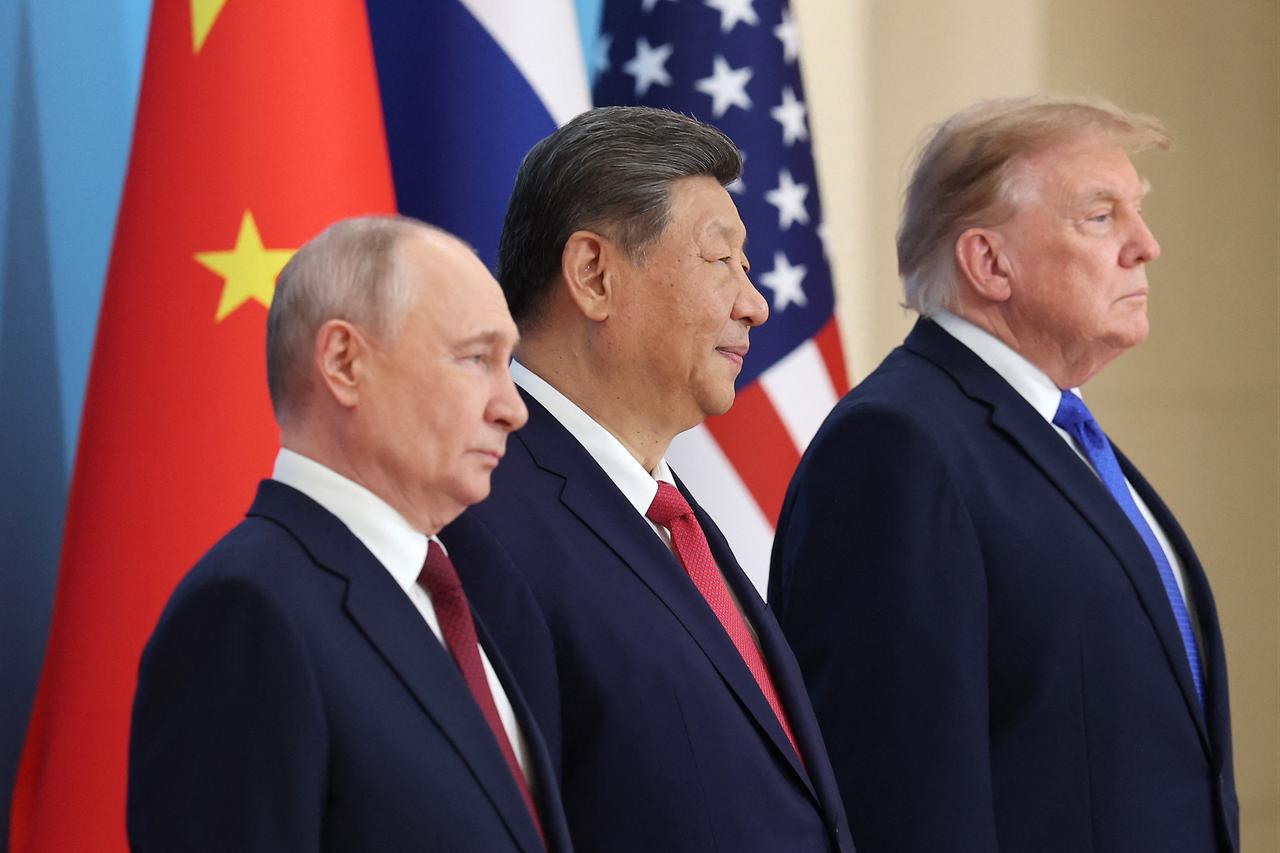
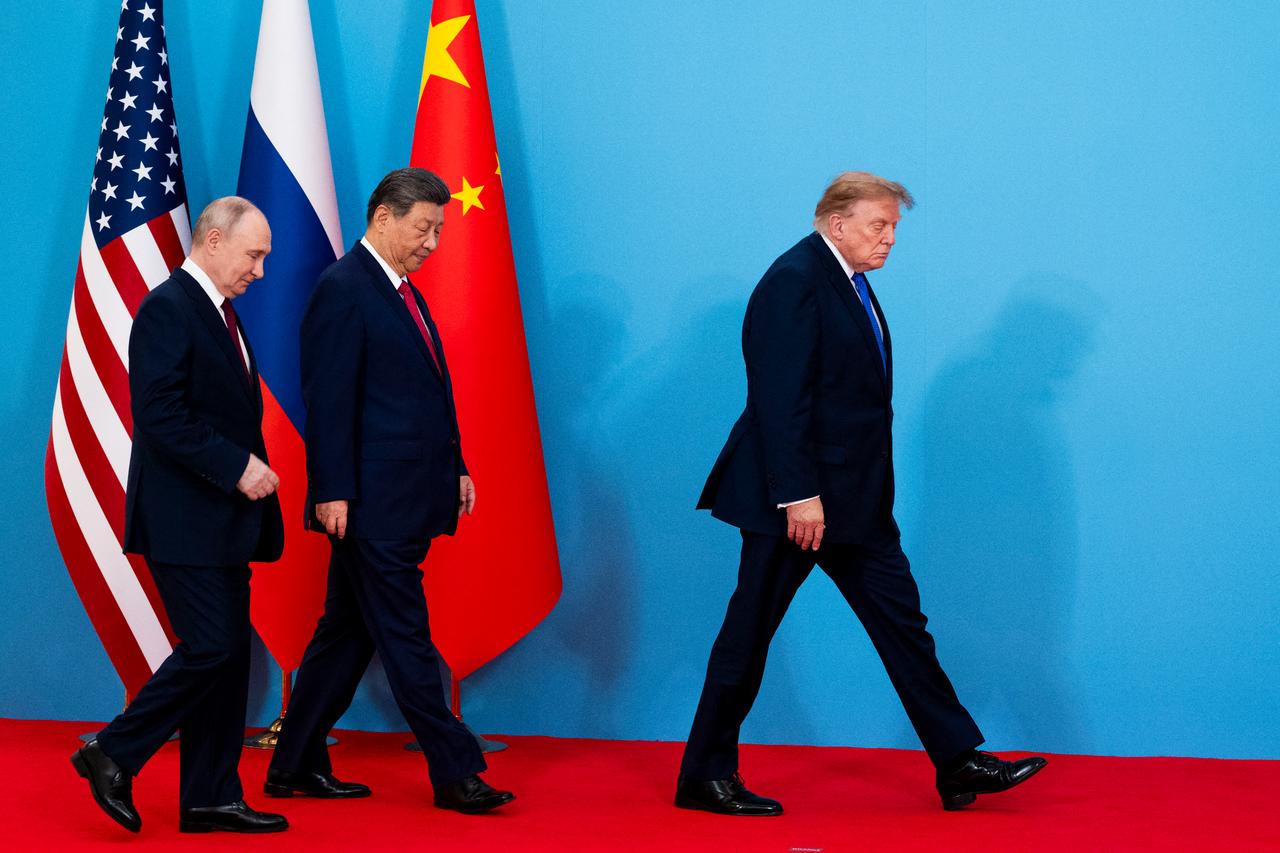
Nationalist Movement Party (MHP) leader Devlet Bahceli said Türkiye's President Recep Tayyip Erdogan should have participated in the trilateral meeting between U.S. President Donald Trump, Chinese President Xi Jinping and Russian President Vladimir Putin at the Asia-Pacific Economic Cooperation (APEC) summit in Shenzhen, China.
In a written statement on the summit, Bahceli argued that Türkiye's diplomatic influence and strategic position made its participation essential to discussions on global peace, security and international cooperation.
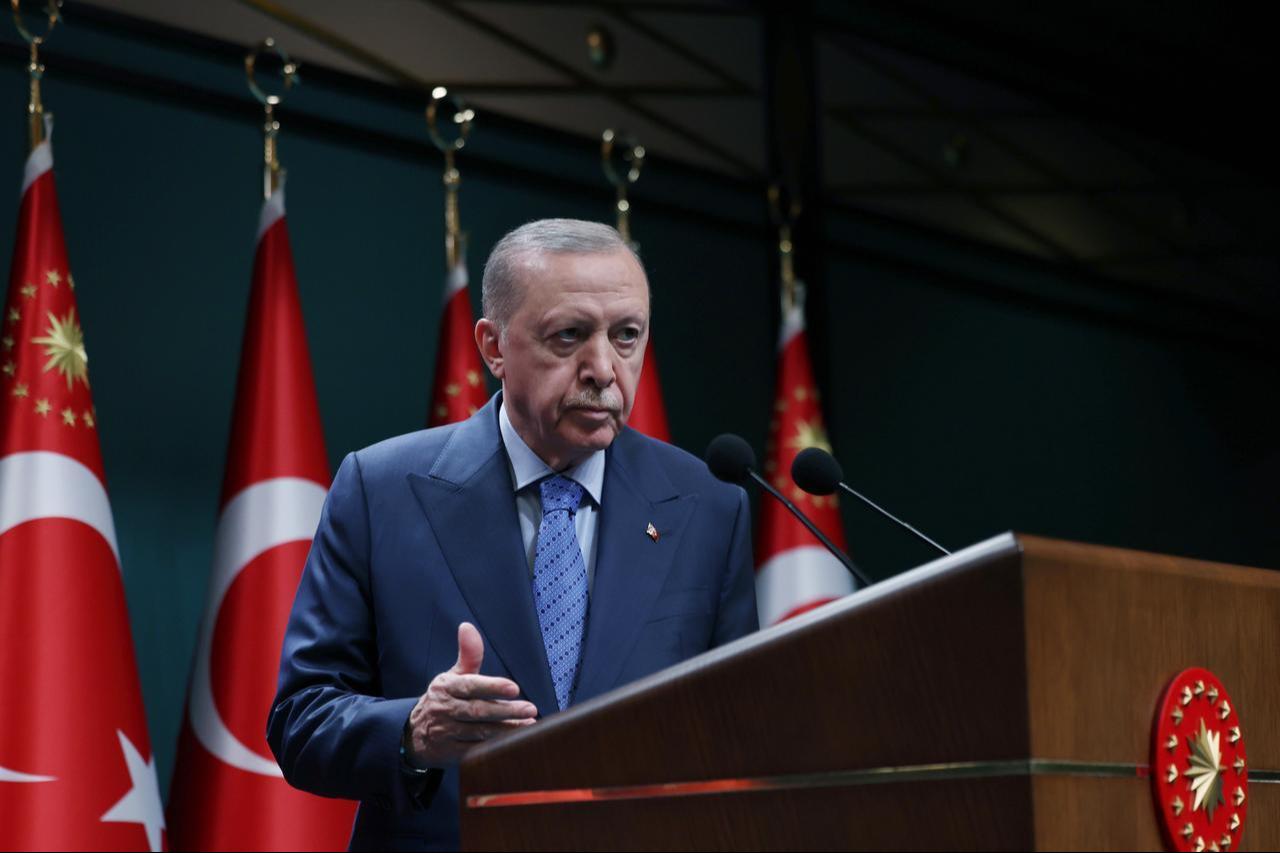
"The summit should not have been trilateral but quadrilateral, with our President Recep Tayyip Erdogan also taking part," Bahceli said.
He stressed that Türkiye could not be excluded from efforts to reform international institutions or address global challenges, citing Erdogan's longstanding position that "the world is bigger than five," a reference to the five permanent members of the U.N. Security Council.
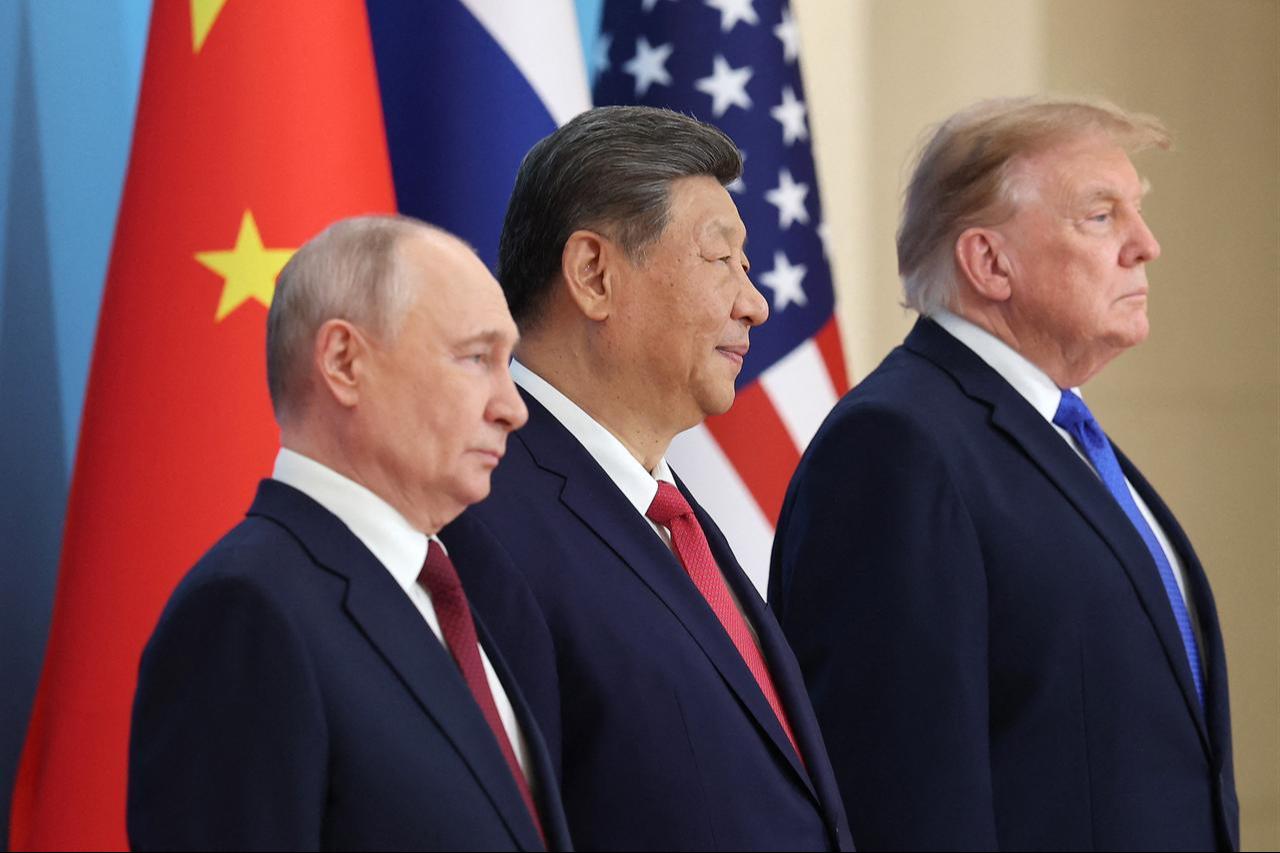

Bahceli noted that APEC, which has 21 member economies, is the only regional international organization bringing together the U.S., Russia and China.
Referring to the leaders' discussions, he said Trump, Xi and Putin had expressed support for U.N. reforms to strengthen the organization's ability to address global challenges and maintain international peace and security.
He said the leaders also emphasized increasing the production and supply of refined petroleum products, ensuring stable energy flows and respecting state sovereignty and the immunity of government officials.
According to Bahceli, the leaders agreed that the International Criminal Court and similar institutions should not abuse their authority.
They also reaffirmed that nuclear war cannot be won and must never be fought, pledging dialogue to reduce nuclear risks and prevent nuclear proliferation.
Bahceli described Türkiye as a central power capable of maintaining diplomatic relations with major international actors while mediating regional and global disputes.
He highlighted Türkiye's position as the world's 16th-largest economy, the strength of its military and its connections across the Turkic world, which he described as stretching from Eastern Europe to Japan.
"Türkiye is not a minor state to be fitted into those maps; it is a central state," he said, warning against underestimating the country's international influence.
Bahceli also argued that despite repeated discussions of a new world order since the Cold War, the international system still lacked an effective rules-based structure.
He said Türkiye's foreign policy prioritized regional stability, international cooperation, mutual respect and the protection of national interests through multidimensional diplomacy.
Bahceli emphasized Türkiye's geographic position connecting Asia, Africa and Europe, describing the country as a strategic bridge between different economic, political and cultural regions.
He said Türkiye could play a greater role in shaping regional security arrangements through political, economic and cultural cooperation, particularly across Eurasia.
Highlighting Türkiye's position on NATO's southern flank, he pointed to its active participation in alliance operations and military exercises.
Bahceli also described Türkiye as a secular, Muslim-majority country positioned between the Islamic world, the Christian West and the Hindu-Buddhist East, giving it distinctive geopolitical and cultural advantages.
He argued that Türkiye had developed beyond a regional power into an emerging pole in global economics and politics, capable of maintaining dialogue with both Eastern and Western countries.
Bahceli said Türkiye's influence extended far beyond its political borders and that excluding it from major diplomatic platforms would weaken efforts to address international crises.
He argued that Türkiye's involvement was particularly important in discussions ranging from nuclear security to food crises, humanitarian diplomacy and global justice.
"If the aim is to end wars, conflicts and terrorism worldwide, Türkiye, with its longstanding state tradition and experience, cannot be ignored," he said.
Bahceli described Erdogan as a trusted leader in the Turkic and Islamic worlds and maintained that his participation would have strengthened the summit's international influence.
He concluded that including Erdogan alongside Trump, Xi and Putin would have expanded the meeting's impact and contributed more effectively to global peace and justice.


 Set as preferred source
 Set as preferred source


 1 min read
 1 min read