Newsletters


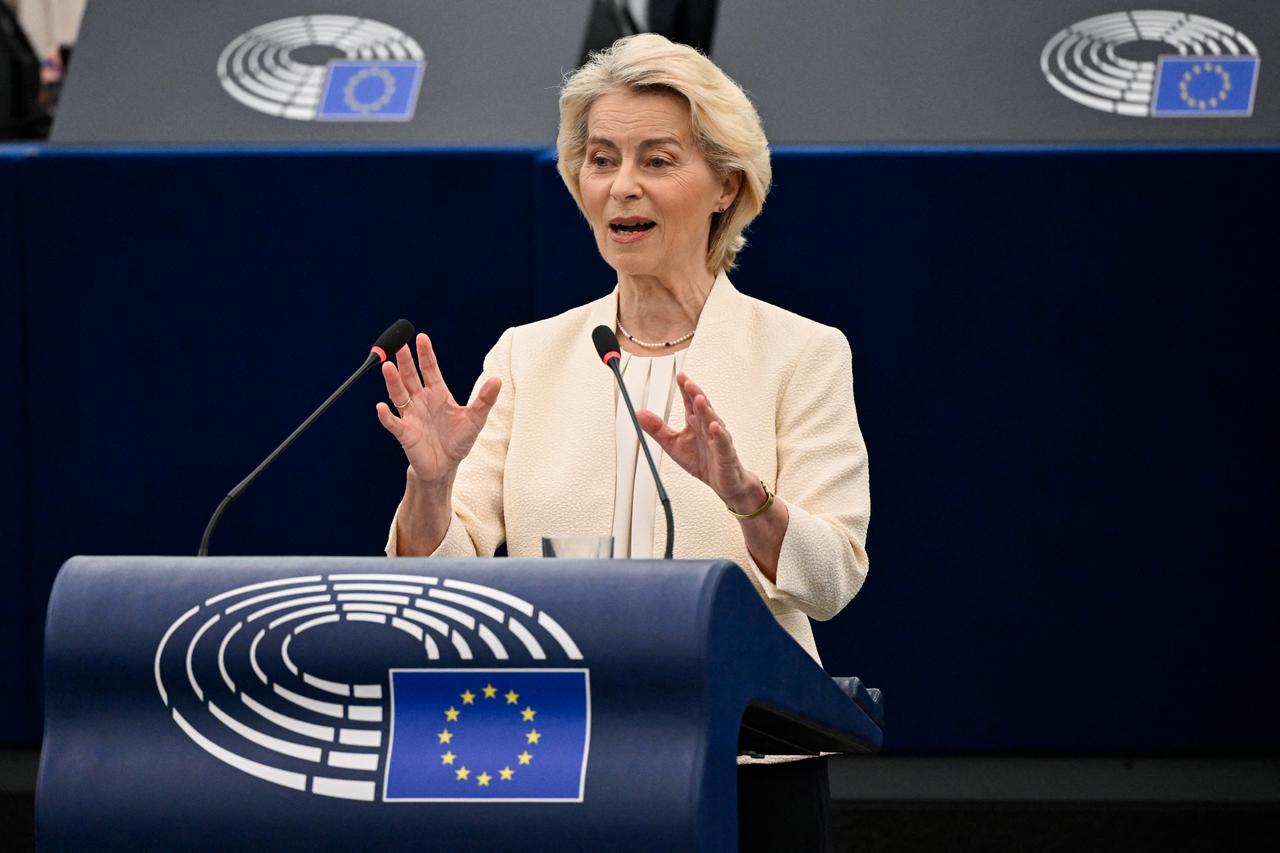


European Commission President Ursula von der Leyen proposed Wednesday that Canada become the European Union’s first “associate member,” calling for deeper cooperation in trade, technology, defense, energy and economic security.
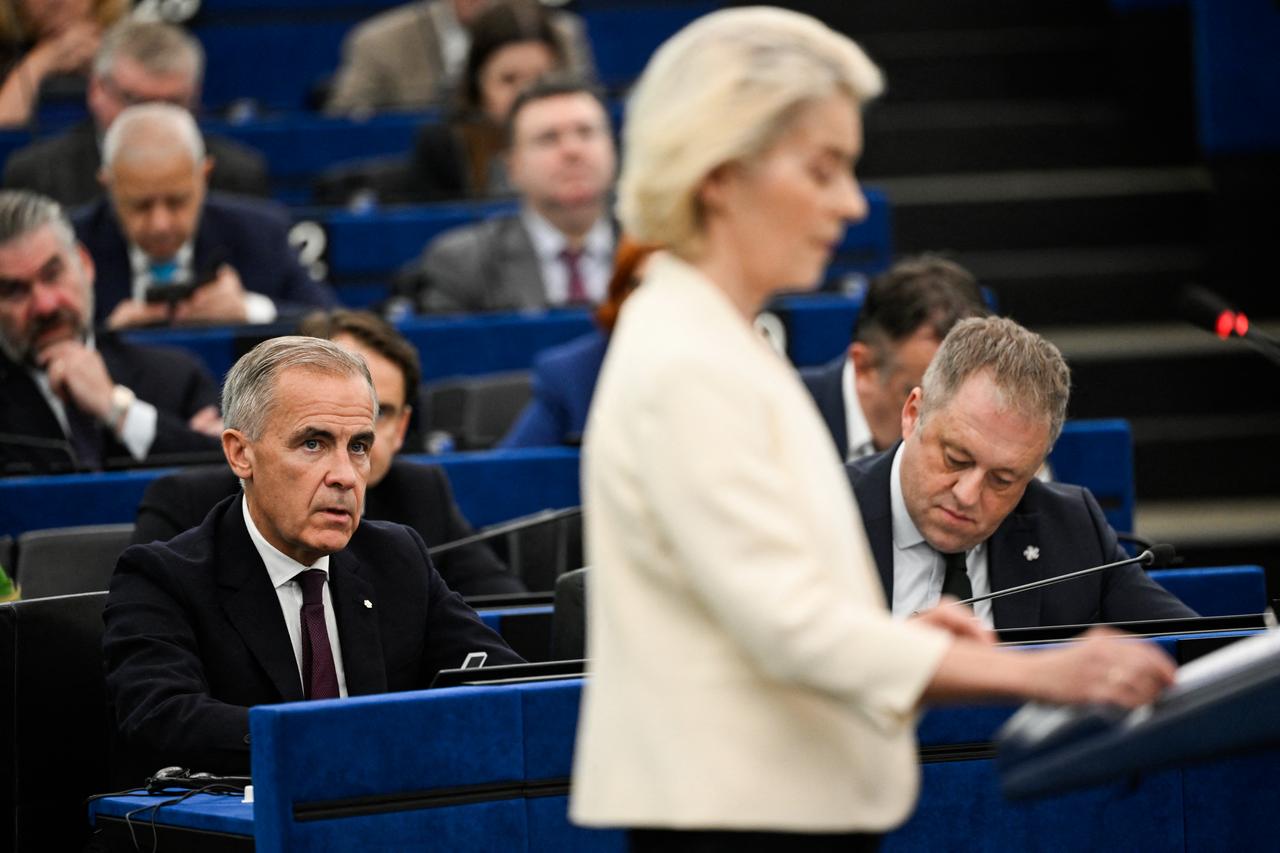
Von der Leyen made the proposal during her annual State of the Union address to the European Parliament in Strasbourg, attended by Canadian Prime Minister Mark Carney.
“I would like to work with you on opening the door for Canada to be the first associate member of the EU,” von der Leyen told Carney, prompting a standing ovation in the chamber.
“We want to take our relationship with Canada to the highest possible level,” she said.

Von der Leyen highlighted the strong cultural, historical and people-to-people ties between Europe and Canada.
She said bilateral trade in goods had increased by 75% in less than a decade under the Comprehensive Economic and Trade Agreement, or CETA, describing the increase as an example of the impact of trade agreements.
Von der Leyen said the EU and Canada also share similar approaches to artificial intelligence, climate change, the Arctic and geopolitical issues, while cooperating on Ukraine, defense, critical raw materials and supply chains.
She said the two sides now want to move “from CETA to an alliance for the future” and create a shared area of prosperity and economic security.
The proposed cooperation would include smart manufacturing, a technology alliance and greater integration of defense industry infrastructure.
Energy, critical minerals, batteries, artificial intelligence, quantum technologies, cybersecurity and economic security would also be areas of expanded cooperation, while the Arctic would remain a major focus.
Von der Leyen said the partnership was not directed against any other country but was intended to strengthen the combined capabilities of Europe and Canada.
The EU treaties currently contain no formal status known as “associate membership,” making von der Leyen’s proposal a first of its kind.
Details of such an arrangement would therefore have to be developed through future talks between the two sides.
Under the Treaty on European Union, countries considered European states may apply for full EU membership.
Canada, because of its geographic location, is not considered a European state and therefore does not qualify to apply for full membership under that provision.


 Set as preferred source
 Set as preferred source


 1 min read
 1 min read