Newsletters


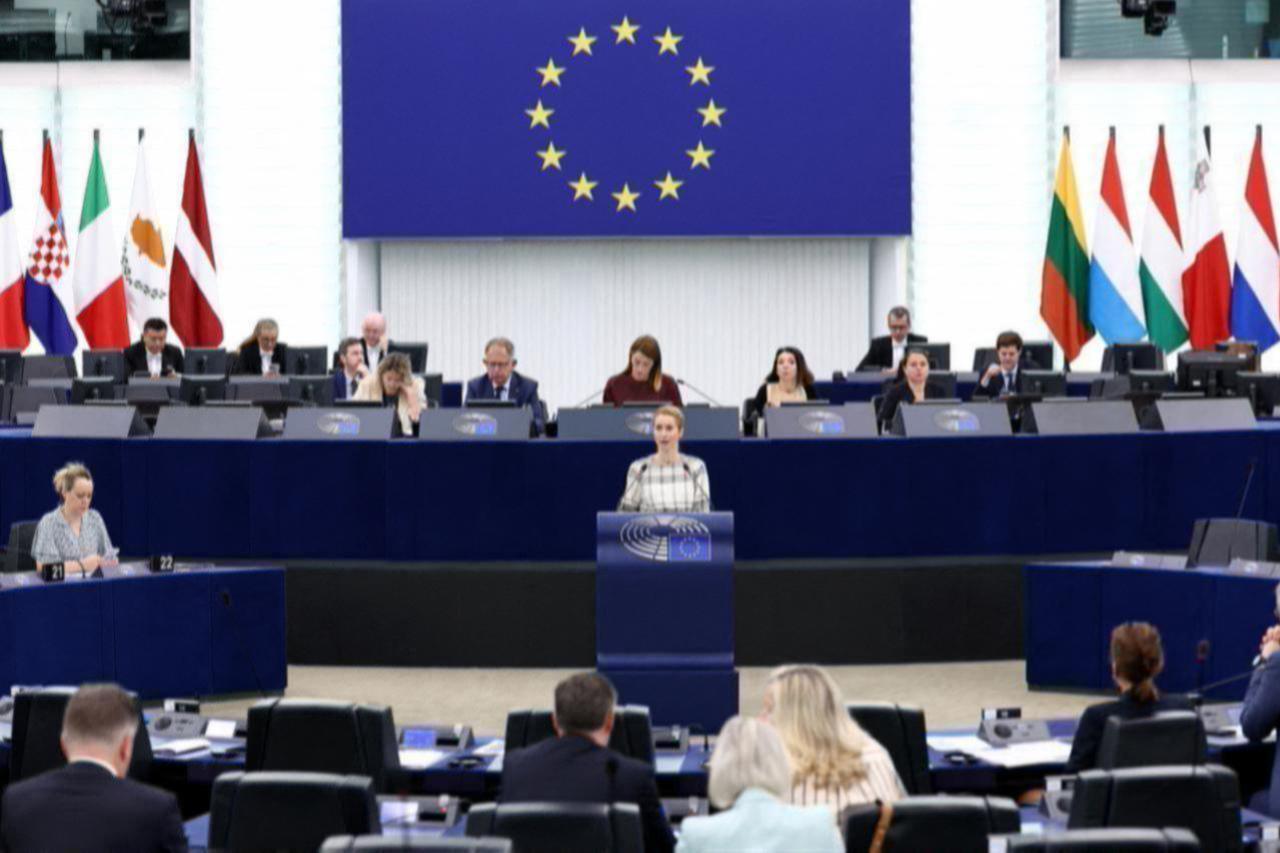


The European Union imposed a new package of sanctions against Russia on Monday, expanding its crackdown on Moscow's oil export workarounds while responding to what officials describe as an escalating campaign of sabotage and disinformation across the continent.
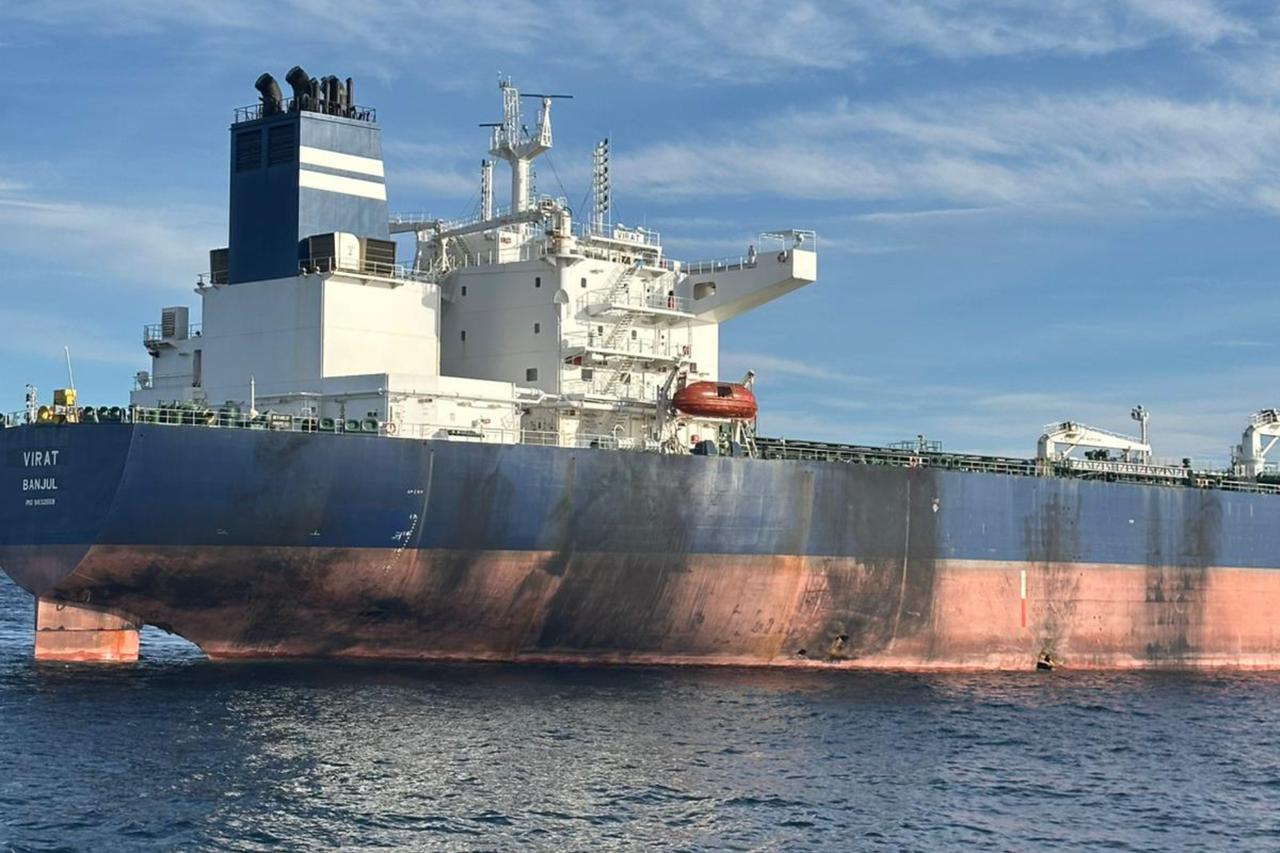
The 27-nation bloc added nine individuals and companies to its blacklist, including entities based in the United Arab Emirates and Vietnam, for allegedly facilitating Russia's use of a "shadow fleet" of aging tankers to evade existing oil export restrictions. The EU also designated an additional 40 vessels for sanctions, bringing the total number of ships targeted by Brussels to approximately 600.
The enforcement package extends beyond economic measures aimed at depleting Moscow's revenue streams. For the first time, the EU directly sanctioned entities it accuses of conducting hybrid warfare operations, including a Russian military unit allegedly responsible for jamming GPS signals over the Baltic Sea and hackers linked to cyber-attacks on European targets.
Brussels also imposed asset freezes and travel bans on a dozen foreign policy analysts and social media influencers accused of amplifying Kremlin propaganda narratives across European audiences.
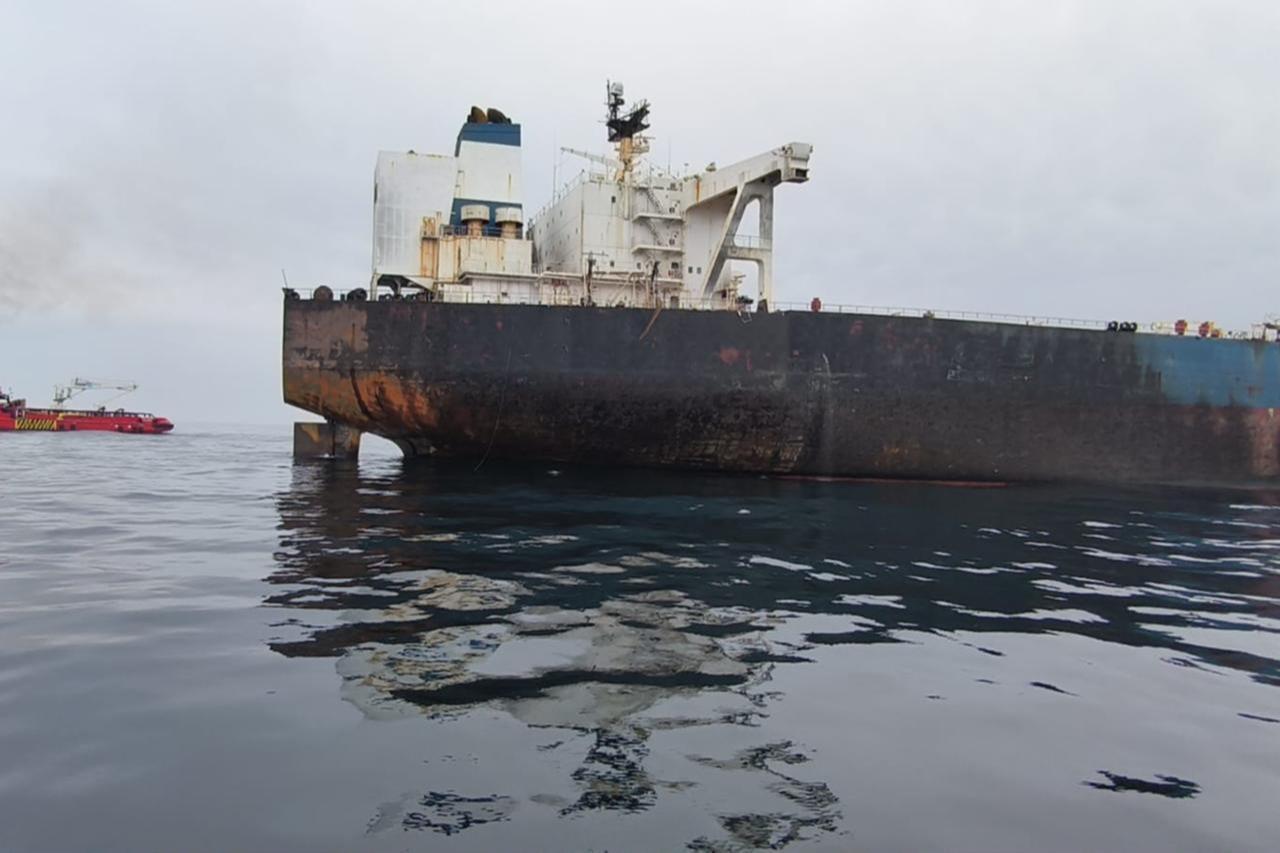

The shadow fleet has emerged as a primary mechanism for Russia to maintain oil exports despite Western price caps and shipping restrictions implemented after its 2022 invasion of Ukraine. These vessels, often older tankers with opaque ownership structures, allow Moscow to move crude oil and petroleum products while obscuring the cargo's origin and evading sanctions enforcement.
European officials indicated the bloc plans to continue adding ships to its sanctions list on an ongoing basis rather than waiting for periodic review cycles. This rolling approach represents an attempt to keep pace with what Brussels views as a constantly evolving evasion network that adapts as individual vessels are identified and blacklisted.
The inclusion of entities in the UAE and Vietnam signals European efforts to address third-country facilitators who provide services enabling sanctioned Russian oil to reach markets. Such designations can complicate international business relationships and banking access for the targeted companies.
The sanctions targeting Russia's alleged hybrid operations come as an expansion of the EU's enforcement toolkit beyond traditional economic measures.
European security officials have raised alarm in recent months about incidents including suspected sabotage of undersea cables, GPS interference affecting civilian aviation and maritime navigation, and coordinated disinformation campaigns.
The blacklisting of the Russian military unit accused of GPS jamming over the Baltic Sea addresses concerns that have disrupted commercial flights and shipping in a strategically vital region bordered by multiple EU and NATO member states. Such electronic warfare tactics can interfere with navigation systems without crossing the threshold into conventional military action.
The sanctions on hackers respond to cyber-attacks that European governments have attributed to Russian intelligence services or Russia-linked groups. The designations on foreign policy commentators and online influencers reflect Brussels' assessment that Moscow conducts information warfare through seemingly independent voices who promote narratives favorable to Russian interests.
Previous packages have targeted Russian banks, officials, energy exports, luxury goods, and dual-use technology that could support military production. The cumulative effect aims to constrain Russia's ability to finance its military operations while degrading its long-term economic capacity.
However, Russia has demonstrated resilience in finding workarounds, particularly through rerouting trade relationships toward countries that have not joined Western sanctions efforts. The shadow fleet represents one of Moscow's most successful evasion mechanisms, prompting the EU's intensified focus on maritime enforcement.


 Set as preferred source
 Set as preferred source


 2 min read
 1 min read