Newsletters





Senior European officials met separately with Iranian Foreign Minister Abbas Araghchi on Tuesday on the sidelines of the United Nations General Assembly in New York, pressing Tehran on efforts to end the war with the United States and Israel and restore free passage through two critical maritime chokepoints.
Italian Foreign Minister Antonio Tajani and European Union foreign policy chief Kaja Kallas both held talks with Araghchi, focusing on the Strait of Hormuz and the Bab el-Mandeb Strait, waterways central to global energy and shipping traffic that have been disrupted amid the conflict.
Writing on the social media platform X, Tajani said he and Araghchi discussed negotiations for the reopening of Hormuz. He pointed to a memorandum reached in June as evidence that an agreement was possible, adding that Italy would continue supporting efforts to restore freedom of navigation through the strategic waterway and end the conflict.
Tajani said the two officials also addressed the crises in Lebanon and Yemen, which are crucial for our exports to ensure the passage of merchant ships through the Bab el-Mandeb Strait as well. He said he had encouraged Iran to exercise its influence to promote political and diplomatic solutions that bring peace and stability to the region.
Kallas said her conversation with Araghchi covered diplomatic prospects for ending the US-Iran war and fully re-opening the Strait of Hormuz.
She was more direct in her demands for the waterways' status, writing that there were no tolls or fees for passage before the war, and there should be none after the war. Navigation, she added, must be free and unimpeded, both in the Strait of Hormuz and the Bab al-Mandab Strait.
The Tuesday meetings came as diplomatic efforts intensify over the reopening of the Strait of Hormuz, a key maritime route for global energy and commercial shipping.
The renewed push follows months of conflict. The US and Israel launched a war against Iran on Feb. 28, which Tehran says killed thousands of people. Tehran responded with missile and drone attacks across the region and effectively closed the Strait of Hormuz, a strategic route for energy supplies. A subsequent June agreement was meant to finalize a peace deal in 60 days but collapsed in a few weeks.
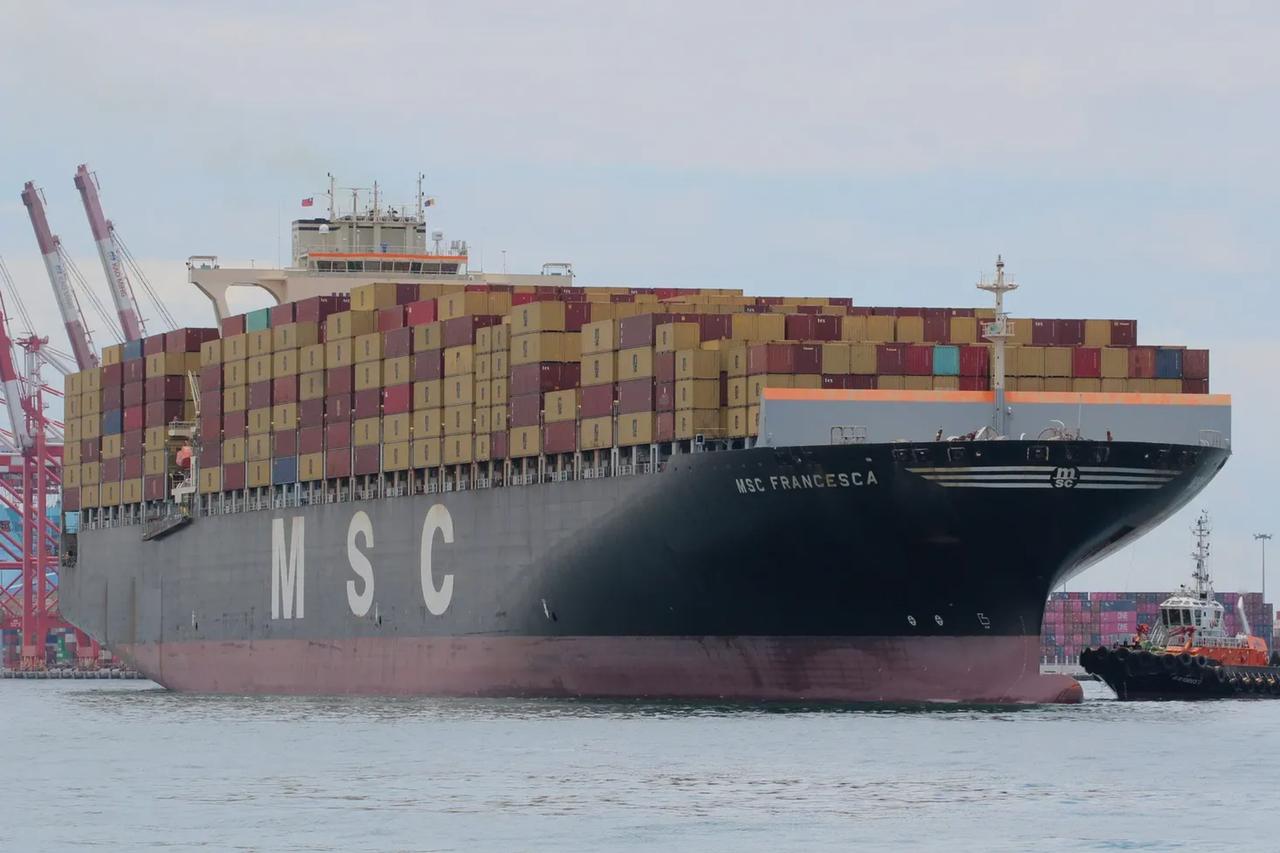
The Strait of Hormuz, separating Iran from the Arabian Peninsula, and the Bab el-Mandeb Strait, linking the Red Sea to the Gulf of Aden, rank among the world's most strategically significant shipping corridors, handling large volumes of the global oil and container trade that transits between Asia, Europe and the Gulf.


 Set as preferred source
 Set as preferred source


 1 min read
 1 min read