Newsletters


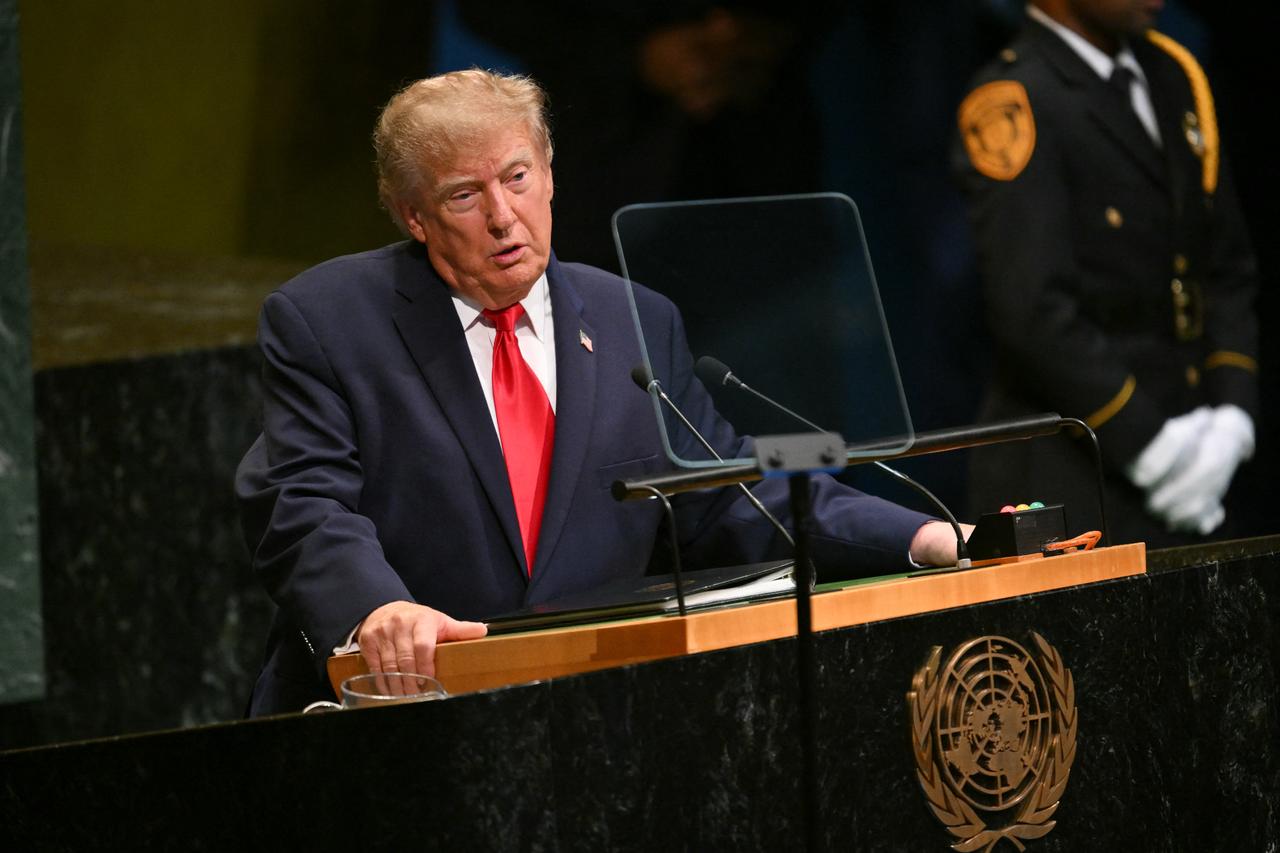


U.S. President Donald Trump told the United Nations General Assembly on Tuesday that he faces a "big decision" on how to proceed with Iran, laying out a stark choice between allowing the country to rebuild through a negotiated deal or moving to "annihilate" its government.
Addressing world leaders gathered in New York for the annual General Debate, Trump framed the decision as either permitting Iran "to rebuild and create a far greater country than it ever was before" or, in his words, driving the Islamic Republic "into hell with no chance of survival." He predicted that a deal would likely come together after the U.S. midterm elections in November, arguing Tehran was waiting to see how he performs politically even though, he noted, he is not himself on the ballot.
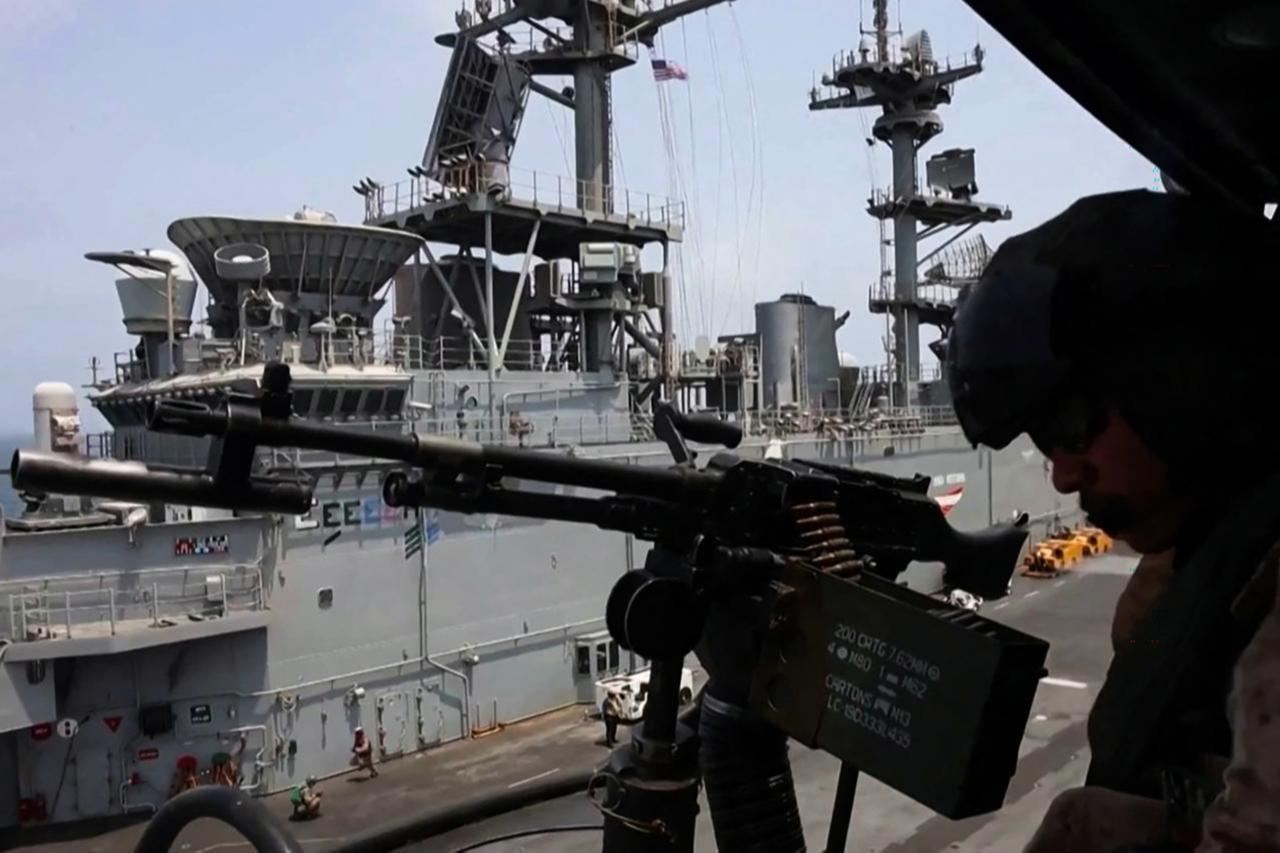
Trump thanked the U.N. Security Council for what he described as a resolution condemning Iran's attacks on commercial shipping, and said the U.S. Navy had escorted more than 1 billion barrels of oil out of the Strait of Hormuz, adding that oil flow through the waterway was higher than at any point since the war began. "Now we must be equally united in maintaining pressure," he told delegates.
The president also recounted his account of the lead-up to the conflict, saying he had opened negotiations with Iran upon taking office and offered "full economic cooperation" in exchange for an end to its nuclear program and support for terrorism, an offer he said Tehran refused.
He said the U.S. military later struck Iran's nuclear facilities in an operation he referred to as Midnight Hammer, and that Iran again refused to negotiate afterward. He also claimed Iran had developed a missile "capable of hitting Europe."
Declaring Iran "the bully no more," Trump said the country was "behaving badly, not because they are strong and confident, but because they are weak and desperate," and called on U.N. members to unite against Iranian-backed terrorism so oil prices could fall.
Trump also rejected assertions that U.S. munitions stockpiles have been depleted by the war, telling the assembly, "we have more munitions than we could ever possibly even think of using."
He said the United States was building munitions "at levels that we have never done before" and constructing new munitions plants, echoing a social media post he had made earlier in the day dismissing what he called claims from "cowards and traitors" that the U.S. is running low.
His remarks came after a report from the Pentagon's inspector general acknowledged the depletion of key U.S. munitions stockpiles amid the monthslong conflict with Iran.
Separately, it had been reported that the U.S. military had exhausted nearly 80% of its interceptors for a key missile defense system, with senior commanders warning that the Pentagon's broader stockpile was "dangerously low."
The speech also came as CNN polling released Tuesday found that nearly two-thirds of Americans believe the United States is not winning the war with Iran, with a larger share saying Trump is not doing enough to bring it to an end.
Trump also promoted his Board of Peace, the international body he formed to oversee Gaza's reconstruction, calling it "a significant group of people." He has previously suggested the board could one day replace the United Nations itself. A high-level briefing on the board's work is scheduled to take place this week on the sidelines of the General Assembly.
The board, which Trump chairs, includes several Gulf states along with Türkiye, Pakistan and Argentina, though most of Washington's European allies have not joined; permanent membership carries a $1 billion cost. Despite the financial and personnel commitments Trump says members have pledged, the board has yet to enter Gaza, and Israeli strikes on the territory have continued.
In July, Trump said the board had achieved a breakthrough that included Hamas surrendering its weapons as part of a 15-point peace plan, though a senior Hamas official said that commitment was contingent on Israel upholding its obligations under an October ceasefire agreement.
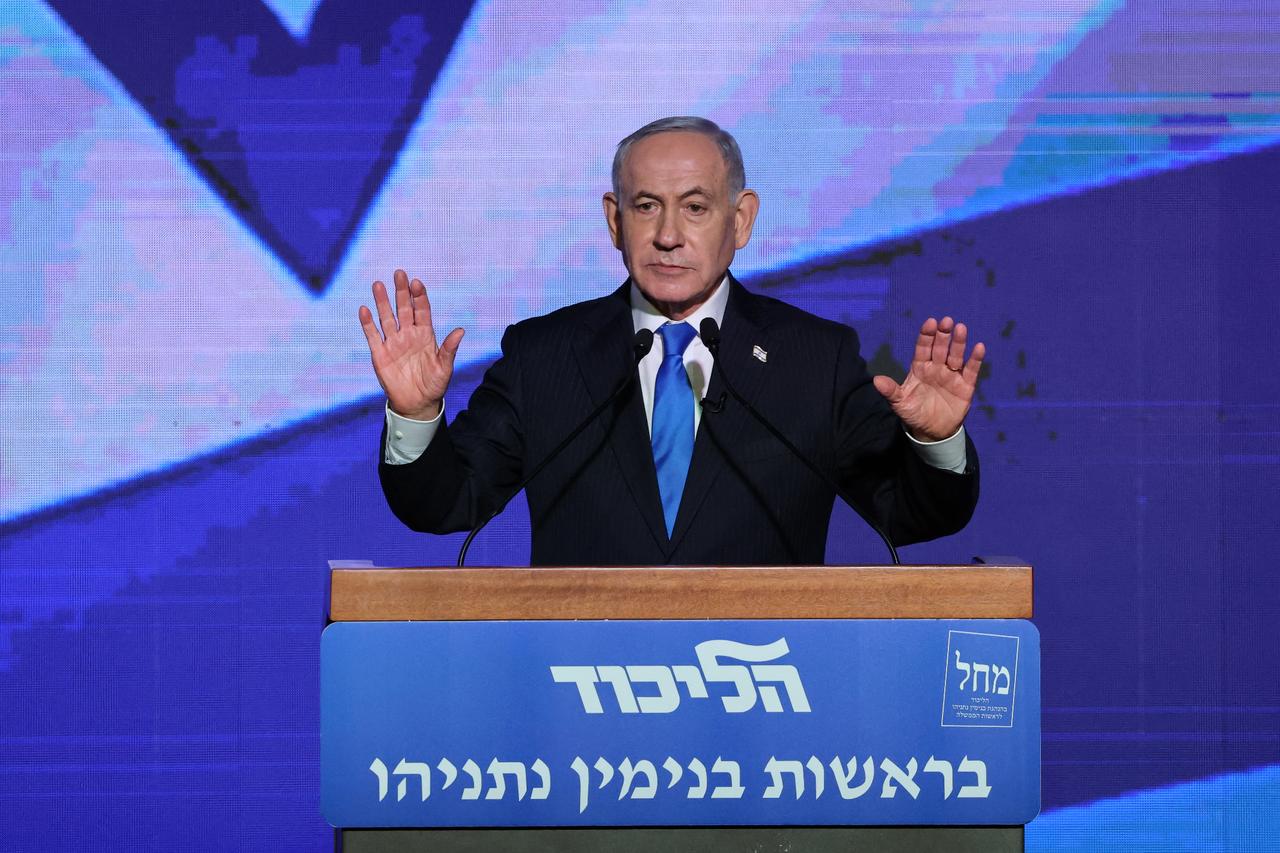
In August, Israeli Prime Minister Benjamin Netanyahu said Israel had rejected the plan, demanding Hamas's full disarmament before any Israeli withdrawal.
On Ukraine, Trump said his administration was working closely with both sides and that a resolution would come "more quickly than people understand," citing the toll of the war, which he said was killing roughly 25,000 young people a month.
He said he had recently signed legislation granting him "enormous new tariff authorities" to toughen sanctions on Russia, which he said he would use if necessary, and thanked his wife, Melania Trump, for her work helping return displaced Ukrainian children to their homes.
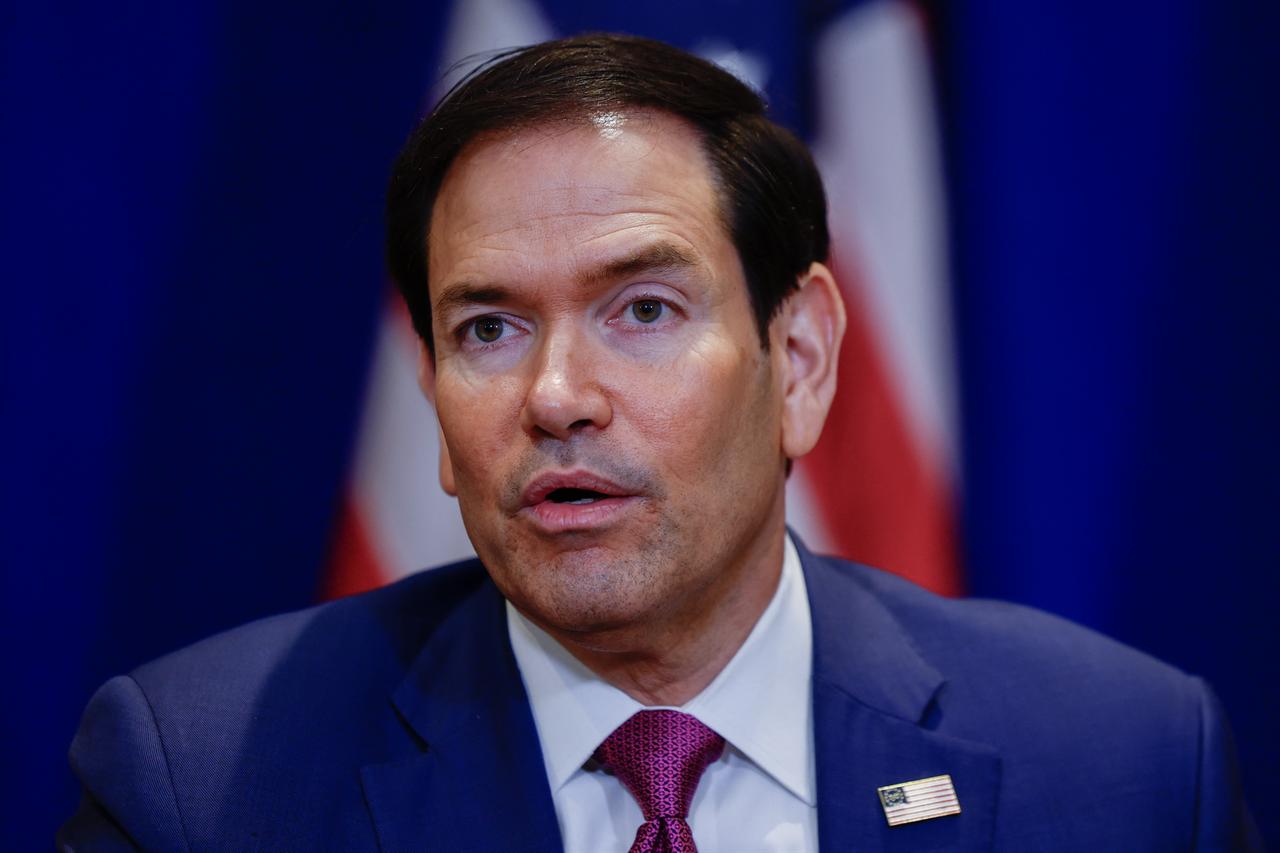
Trump also said his administration was seeking "a fundamental change" in Cuba, calling it "an absolutely failed state" under mounting pressure, and said Secretary of State Marco Rubio was "deep into negotiations" with the island nation. "Communism will never be coming to America, but freedom will be coming to Cuba," he said.
Turning to Venezuela, Trump defended the operation that led to the arrest of President Nicolás Maduro and an oil agreement his administration struck with Maduro's successor, Delcy Rodríguez, saying, "to the victor belong the spoils."
He said the episode showed the U.S. would not allow threats to gain a foothold in the Western Hemisphere and would use military force if necessary to protect its interests.
He also defended drone strikes his administration has carried out on boats in the Caribbean and Pacific, comparing drug cartels to the Daesh group and saying they should be "killed, exiled or detained as enemy combatants without the possibility of release." He accused Mexico of being effectively controlled by cartels and said it must "reclaim control of its soil."
Trump also reiterated a claim that he has ended eight wars during his second term, including conflicts between Israel and Hamas, Israel and Iran, Egypt and Ethiopia, India and Pakistan, Serbia and Kosovo, Rwanda and Congo, Armenia and Azerbaijan, and Cambodia and Thailand. He said Pakistan's prime minister told him he had personally saved 30 million lives.
Earlier in his address, he also touted his administration's domestic record, including tax cuts, stock market gains and immigration enforcement, claiming no unauthorized immigrants had been admitted to the country in the past 16 months.
Brazilian President Luiz Inácio Lula da Silva, who spoke before Trump, criticized global powers for dividing the world into spheres of influence and specifically addressed U.S. actions in Venezuela and Cuba, saying "the Venezuelan people deserve to define their own destiny" and that the world was watching "in horror" as Cuba faced what he called an illegal economic and energy embargo.


 Set as preferred source
 Set as preferred source


 1 min read
 1 min read