Newsletters


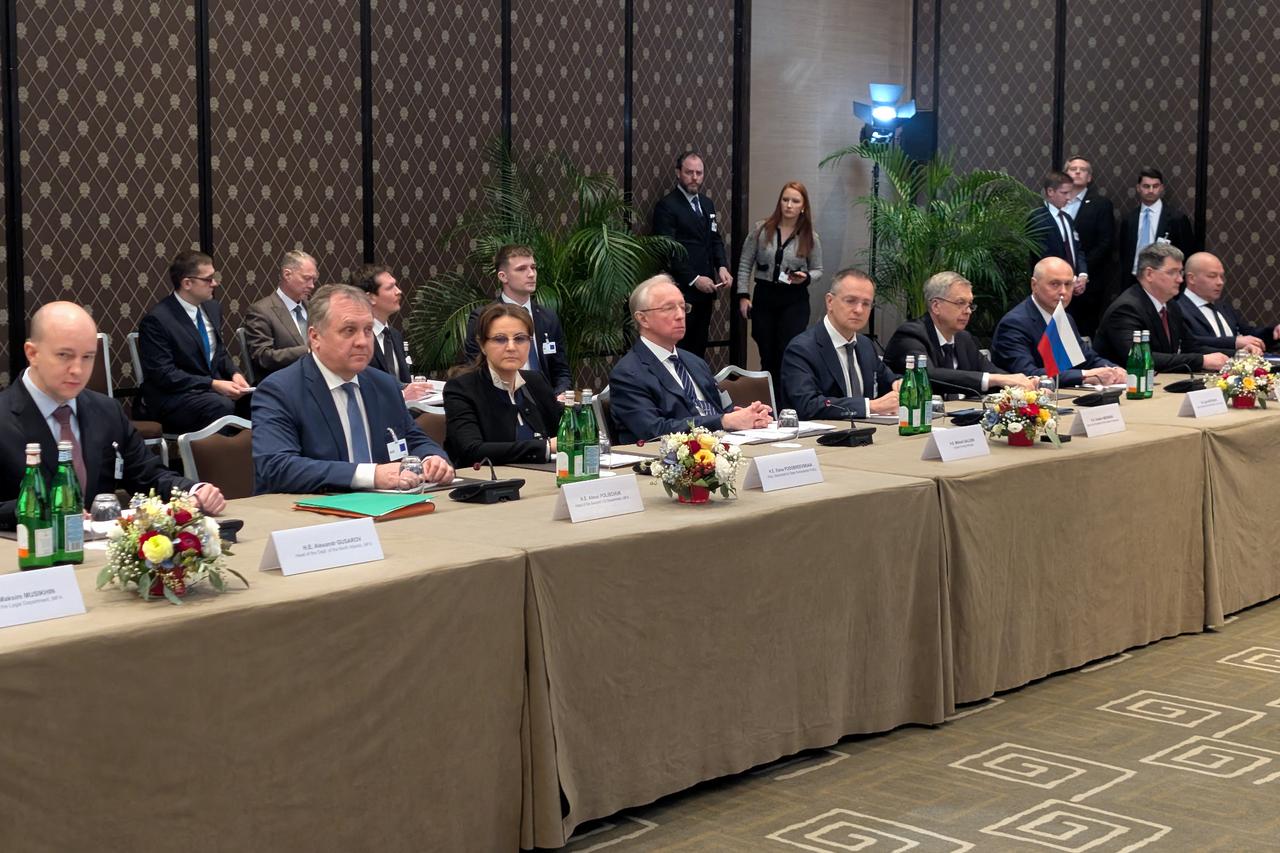


European intelligence chiefs are pessimistic about the chances of reaching an agreement this year to end Russia’s war in Ukraine, despite U.S. President Donald Trump’s assertions that U.S.-brokered talks have brought the prospect of a deal “reasonably close,” Reuters reported.
The heads of five European spy agencies, speaking to Reuters on condition of anonymity in recent days, said Russia does not want to end the war quickly. Four of them said Moscow is using talks with the U.S. to seek sanctions relief and business deals.
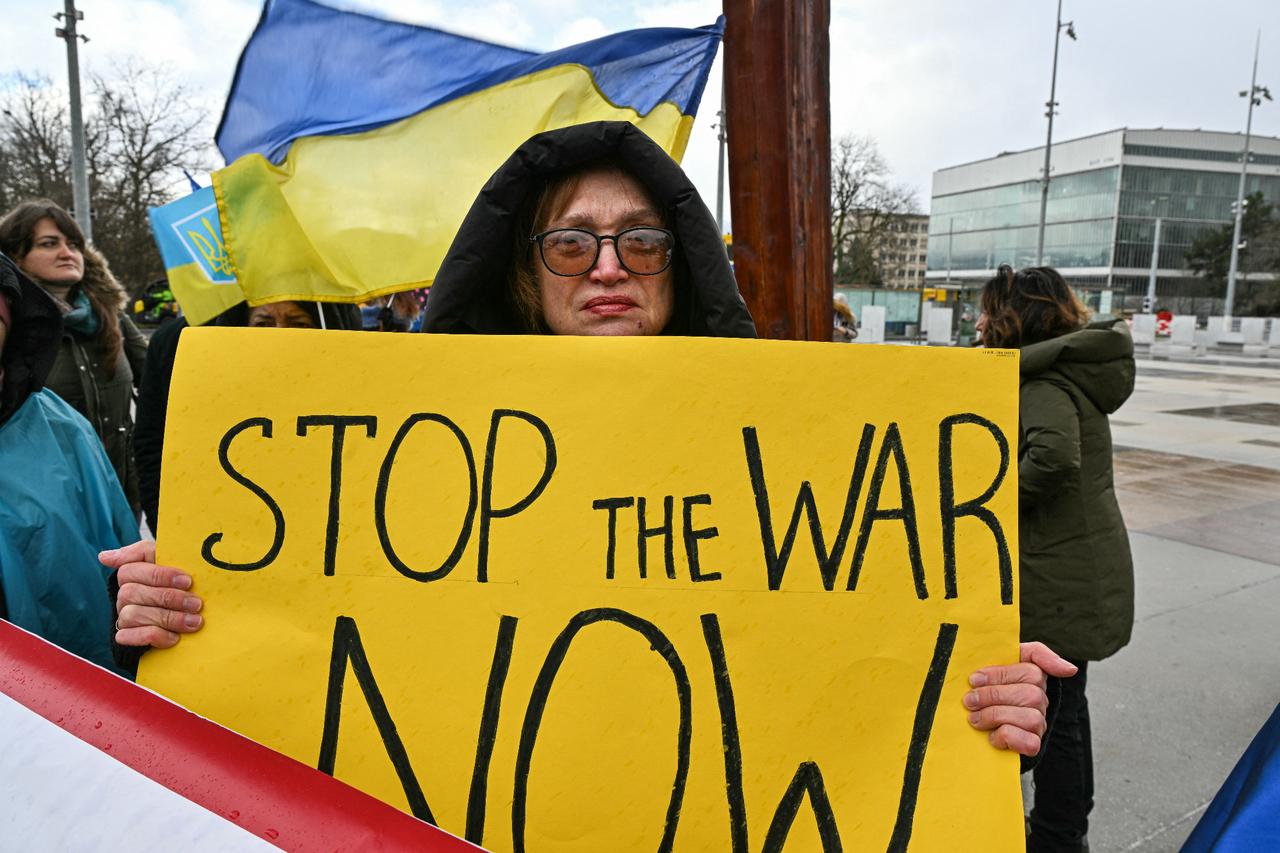
One intelligence chief described the latest round of negotiations in Geneva this week as “negotiation theater.”

The remarks highlight a gap in thinking between European capitals and the White House, which Ukraine says aims to clinch a peace agreement by June ahead of the U.S. congressional mid-term elections in November.
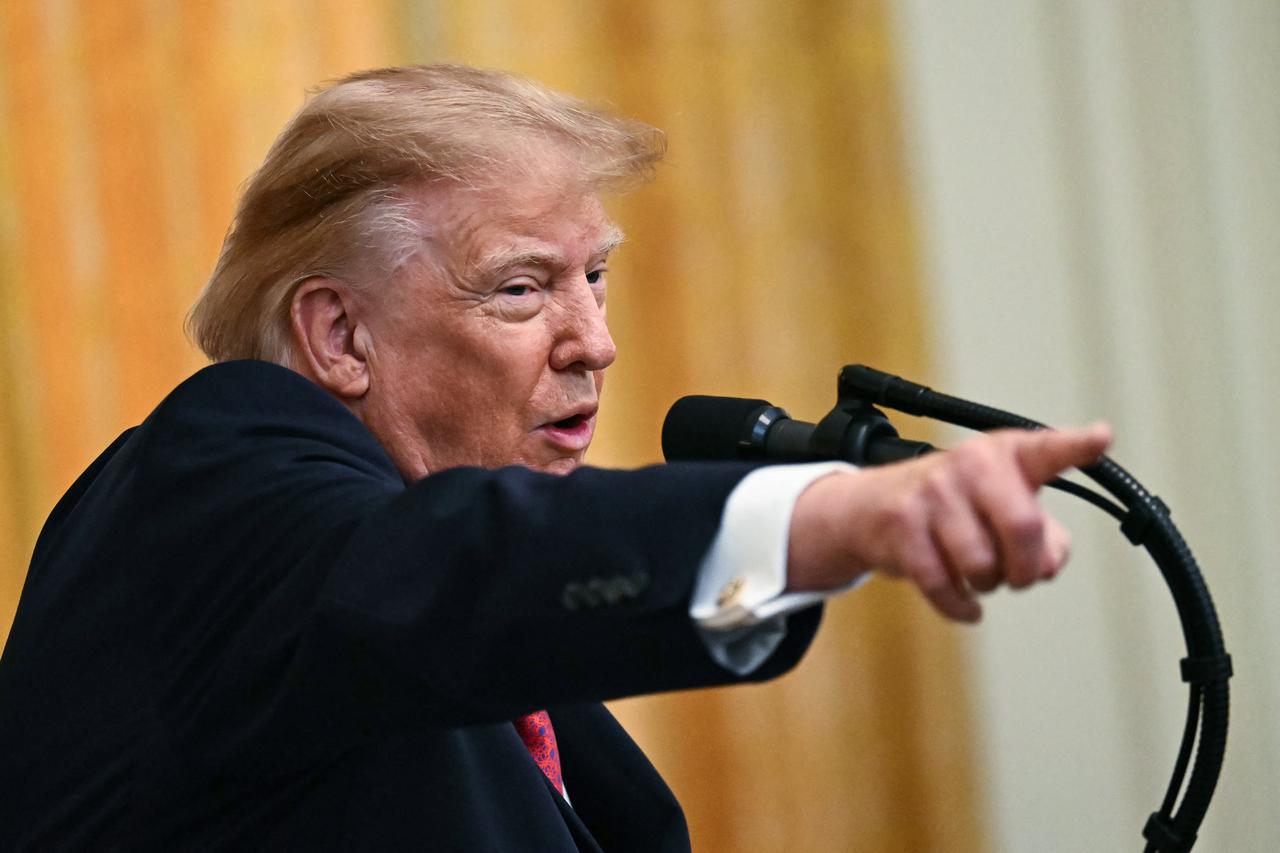
Trump has said he believes Russian President Vladimir Putin wants to make a deal.
“Russia is not seeking a peace agreement. They are seeking their strategic goals, and those have not changed,” one intelligence chief said, citing objectives including the removal of Ukrainian President Volodymyr Zelenskiy and turning Ukraine into a “neutral” buffer to the West.
Another intelligence chief said Russia neither wants nor needs a quick peace and that its economy is “not on the verge of collapse.” All five officials said Russia remains a priority target for intelligence gathering.
Russia’s foreign ministry did not immediately respond to a request for comment. Putin has said he is ready for peace, but on his terms, while Russian officials argue European governments have repeatedly misjudged Moscow.
Ukrainian and Russian negotiators met this week for their third U.S.-mediated meeting of 2026 without a breakthrough, including on territorial issues.
Moscow is demanding Kyiv withdraw its forces from the remaining 20% of the eastern Donetsk region it does not control, something Ukraine refuses.
One intelligence chief said Russia might be territorially satisfied with the rest of Donetsk but that this would not meet its broader objective of removing Zelenskiy’s pro-Western government.
Another official warned that even if Ukraine ceded Donetsk, this could mark “the beginning of actual negotiations,” predicting further Russian demands. The same official expressed concern about what was described as a “very limited” level of negotiating skill across the West, including in Europe, which Zelenskiy says should have an active role.
The U.S. delegation is led by Steve Witkoff, a real estate developer and long-time friend of Trump, and Jared Kushner, the president’s son-in-law. Both have worked on other conflicts on Trump’s behalf but are not trained diplomats and have no specific expertise on Russia or Ukraine.
White House spokeswoman Anna Kelly said anonymous criticism does not help U.S. efforts, adding: “President Trump and his team have done more than anyone to bring both sides together to stop the killing and deliver a peace deal.”
Two intelligence officials said Moscow is trying to split negotiations into two tracks: one focused on the war and another on bilateral deals with the U.S., including sanctions relief.
Zelenskyy said Ukrainian intelligence indicates U.S. and Russian negotiators have discussed bilateral cooperation deals worth up to $12 trillion, proposed by Russian envoy Kirill Dmitriev. European officials did not provide details.
One intelligence chief said the offer could appeal to Trump and to Russian oligarchs affected by sanctions, whose loyalty Putin needs as economic headwinds grow. The official described Russia as a “resilient society” capable of enduring hardship.
However, another intelligence chief warned of “very high” financial risks for Russia in the second half of 2026, citing limited access to capital markets due to sanctions and high borrowing costs.
Some analysts say Russia’s economy is between stagnation and recession after growing 1% last year. The central bank’s key interest rate stands at 15.5%, and the liquid portion of Russia’s “rainy day” fund used to cover budget deficits has more than halved since the 2022 invasion.


 Set as preferred source
 Set as preferred source


 2 min read

 1 min read