Newsletters


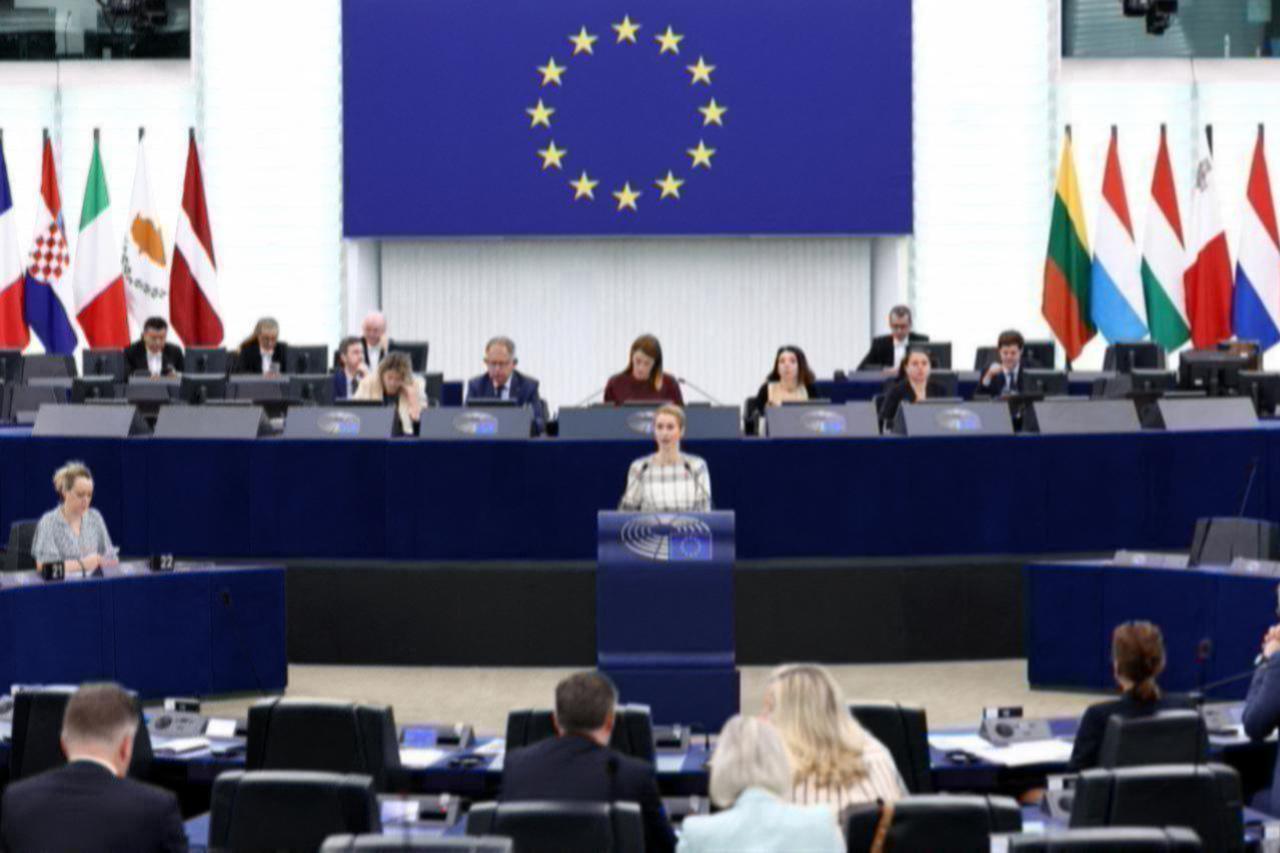


The European Union is weighing whether to appoint a special negotiator to represent European interests in potential Ukraine peace discussions, as member states grow increasingly concerned that the United States could reach a separate agreement with Russia that sidelines the continent.
European governments are pressing the bloc to designate a representative who can safeguard the continent's priorities in any settlement talks, according to EU sources cited by Politico magazine. The push has gained backing from the European Commission, with France and Italy among the countries supporting the initiative.
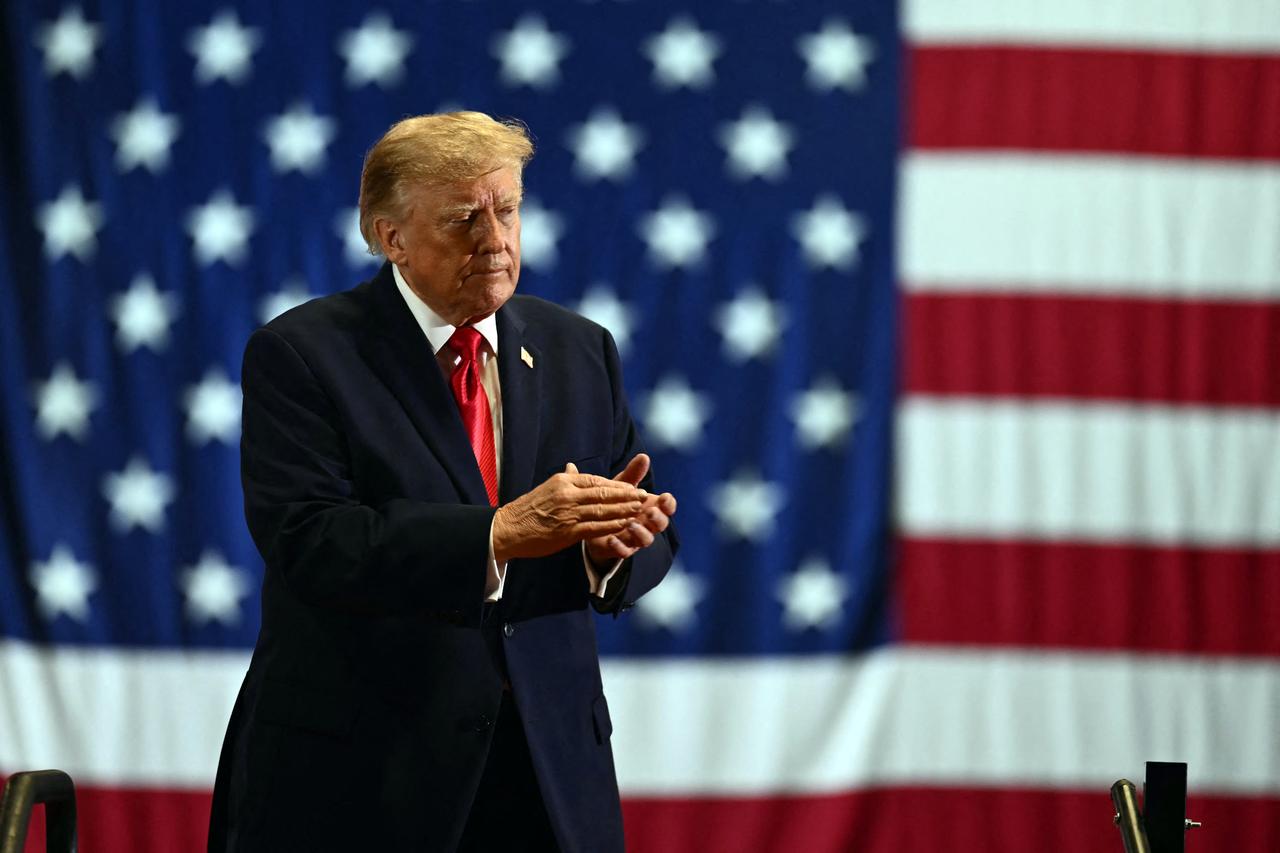
The consideration reflects European anxiety over President Donald Trump's mediation efforts and the possibility of bilateral discussions between Washington and Moscow that exclude meaningful European input. EU member states worry about being presented with terms negotiated primarily between the two powers, despite Europe having provided substantial military and financial support to Ukraine throughout the nearly four-year conflict.
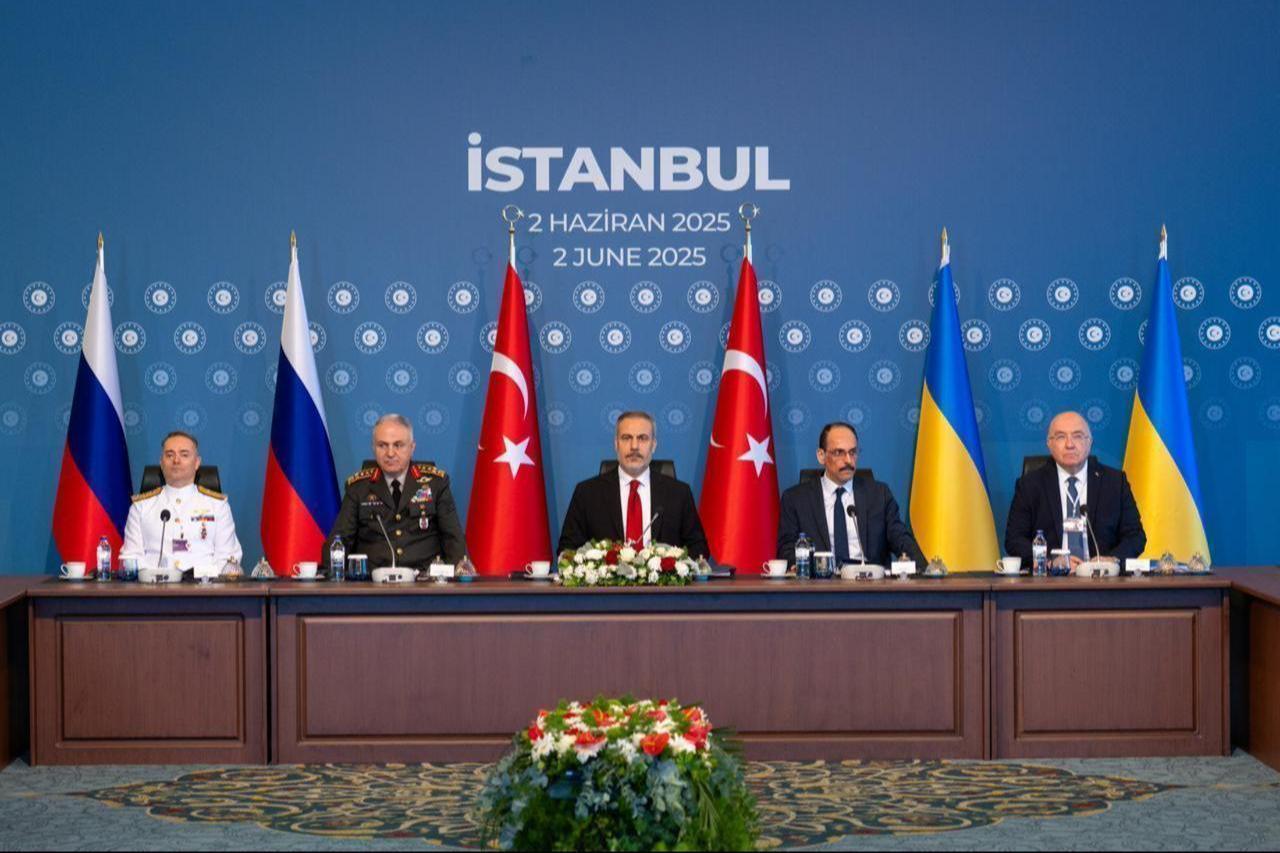

Proponents of the negotiator position argue that Europe can only protect its red lines if the EU has a seat at the negotiating table. Among those priorities is Ukraine's potential future NATO membership, a contentious issue that has remained central to the conflict since Russia's invasion.
The move signals a significant shift in Europe's approach as the continent seeks to assert a more active role in any agreement that could end the war. Rather than reacting to terms decided elsewhere, EU officials aim to position the bloc as a participant in shaping the settlement from the outset.
European leaders first discussed the special negotiator concept at an EU Summit scheduled for March 2025. French President Emmanuel Macron has advocated for direct dialogue with Russia, a position echoed by Italian Prime Minister Giorgia Meloni.
The European Commission has acknowledged the inevitability of engagement with Moscow. Officials stated that at some point, the bloc will need to conduct discussions with Russian President Vladimir Putin, marking a pragmatic recognition that any peace process will require direct contact with the Kremlin.
The proposal reflects Europe's determination to maintain influence over the diplomatic process at what officials view as a critical juncture in the war. With peace discussions potentially on the horizon, European capitals are moving to ensure the continent's security interests and investment in Ukraine's defense are reflected in any final agreement.
The potential appointment would give the EU a unified voice in negotiations, rather than having individual member states pursue separate channels of communication with the parties involved in the conflict.


 Set as preferred source
 Set as preferred source


 3 min read