Newsletters


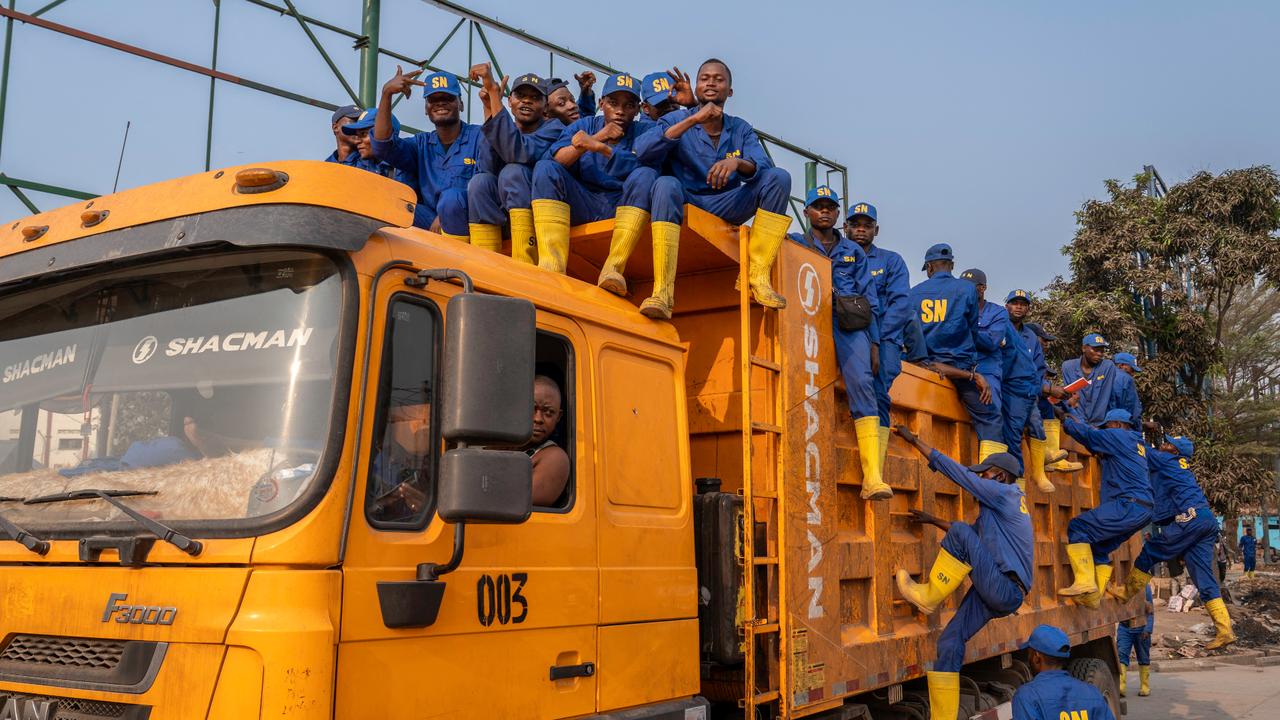
Armed with brooms and bearing tattooed faces, a cleaning crew set to work clearing the rubbish that choked a boulevard in central Kinshasa, the capital of the Democratic Republic of Congo.
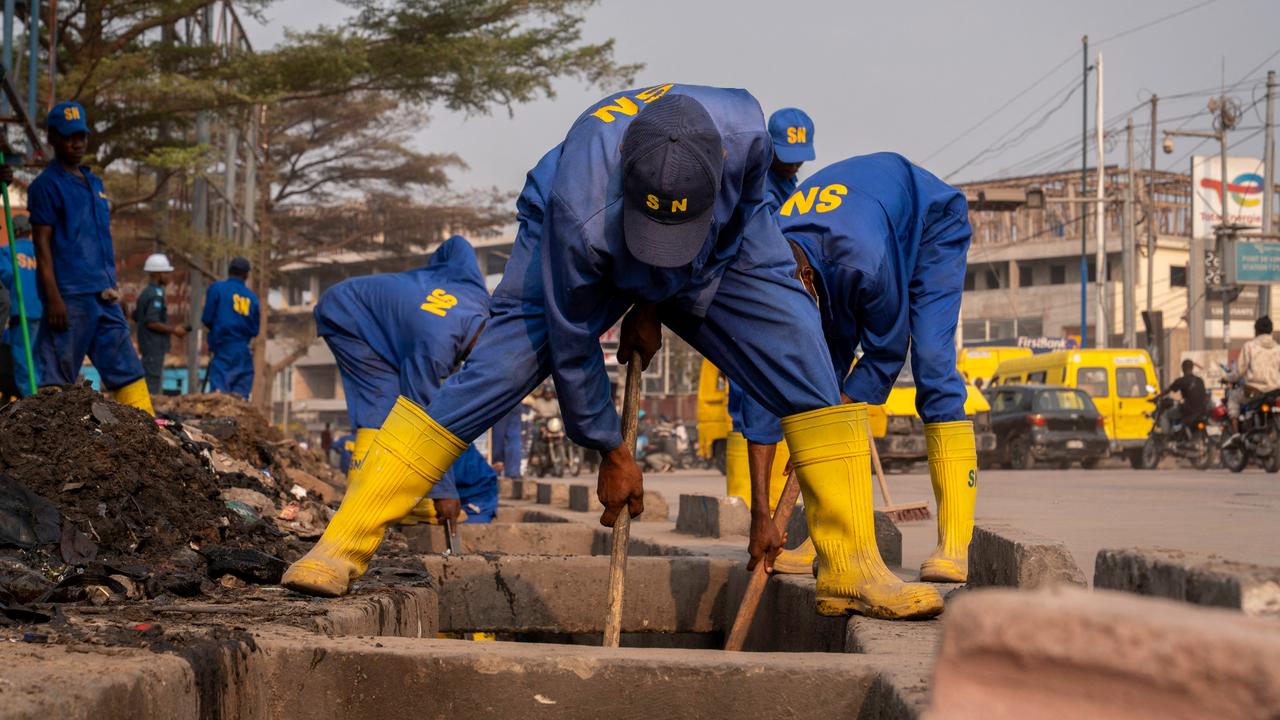
"Come on! Get to work!" an army officer shouted as two members paused for a brief break. In a vast city without public bins, no one had bothered to clean the mess until these unlikely street-sweepers arrived: a team of former gang members drafted into a paramilitary National Service force.
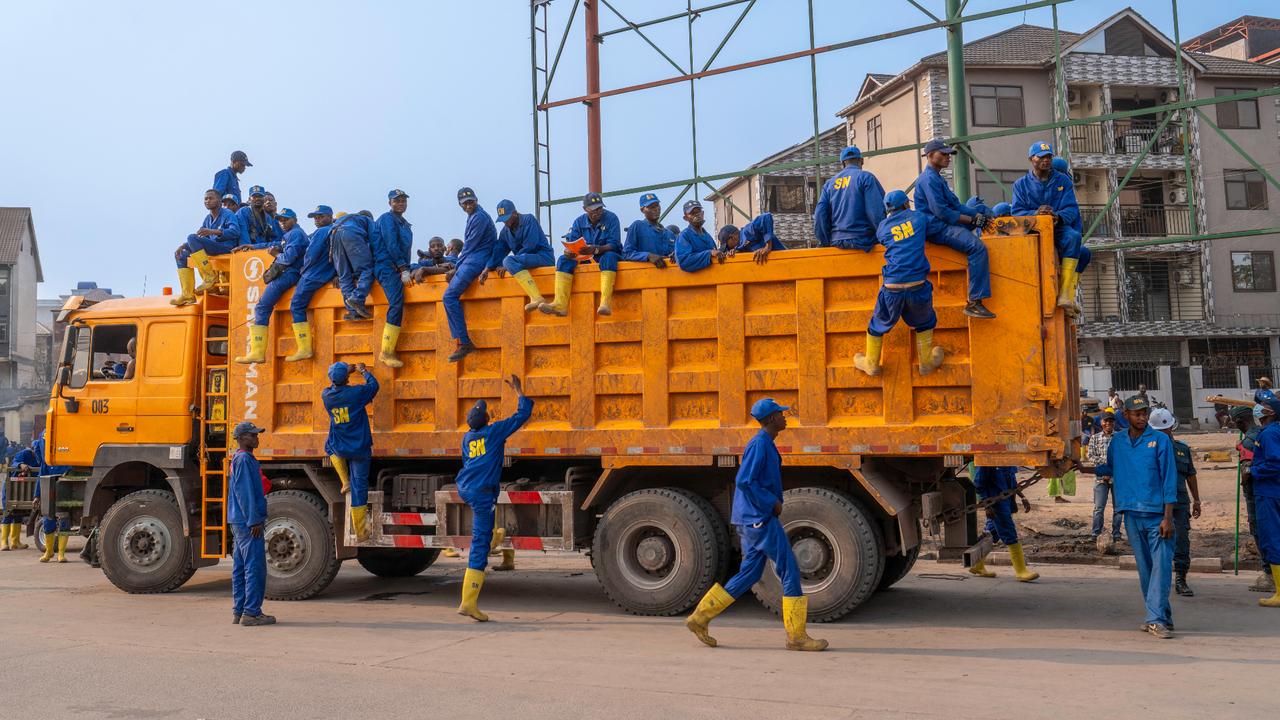
Since appearing on the streets in June, wearing blue overalls and yellow boots, the recruits, nicknamed "builders", have been praised for clearing piles of detritus but also criticized for beating and abusing fellow citizens.
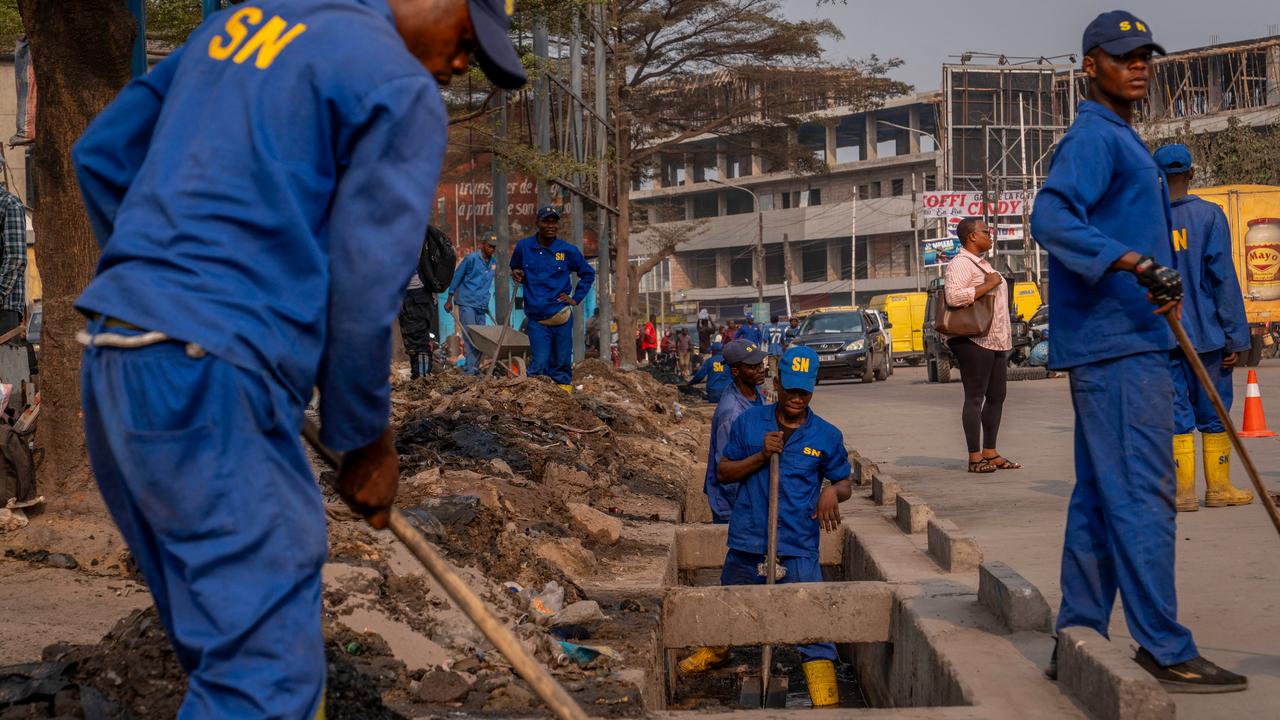
"Today the city has become clean, and that makes us extremely happy," said Richard Edambe, who lives near Victory Roundabout, where around 50 builders were working. Another local resident, Kevin Mwembwe, remarked: "When the builders arrive, people are afraid to throw rubbish away."
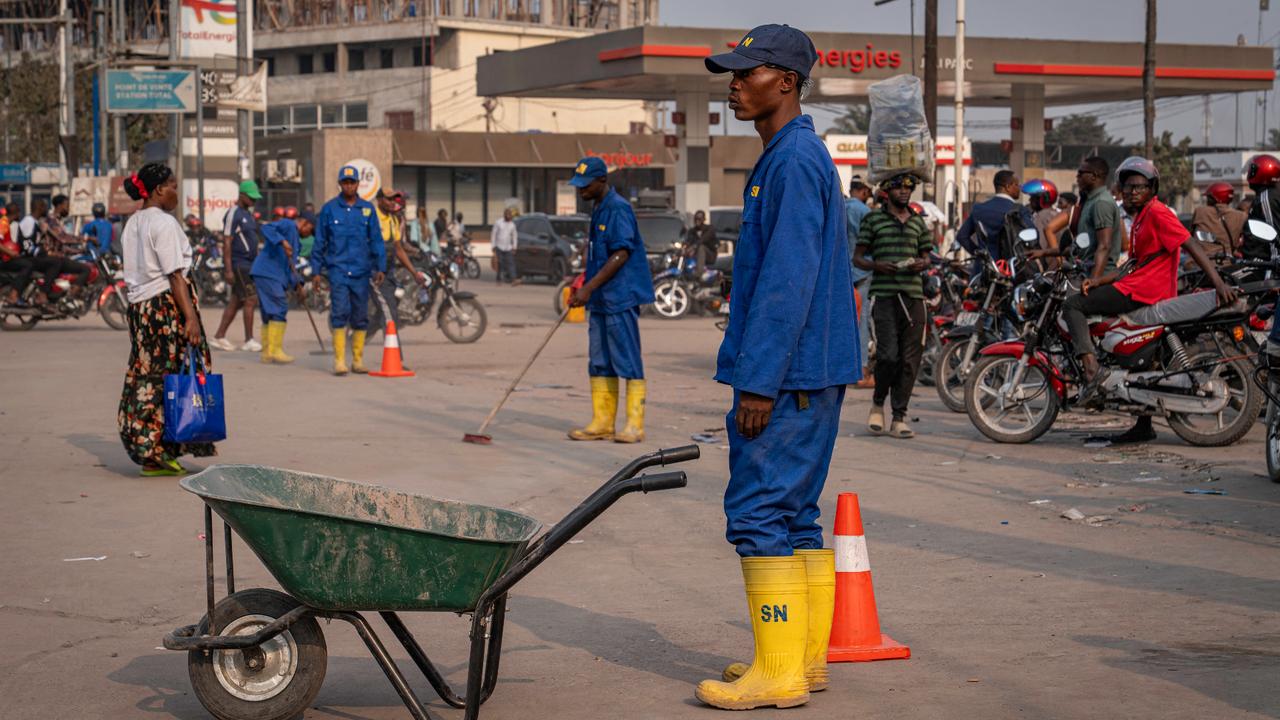
Insecurity and poor sanitation plague daily life in the Democratic Republic of Congo, particularly in the vast capital of 17 million people, where rubbish is dumped in streets, drains and rivers.
President Felix Tshisekedi decided in May to deploy workers from the National Service to tackle the problem.
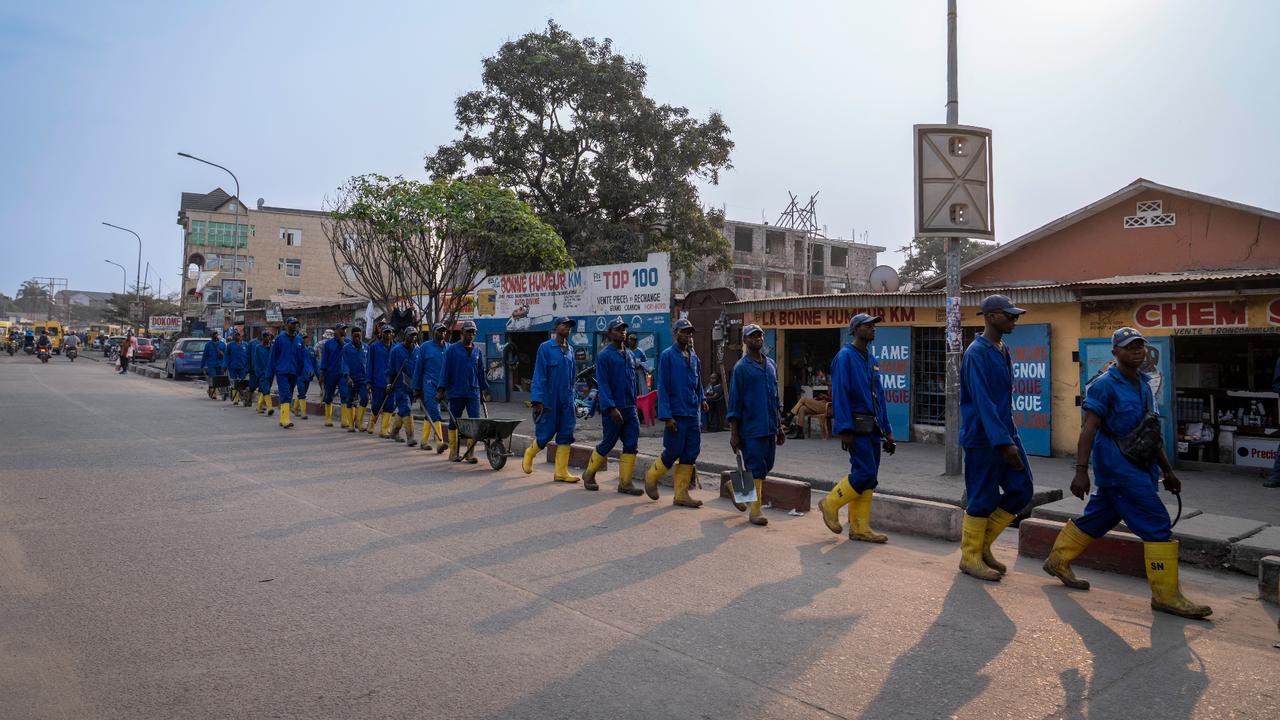
The military-run body, created in 1997 and answering to the presidency, is paid and recruited under criteria that remain unclear.
Holding paramilitary status, the force is tasked in particular with reintegrating the notorious "kulunas,” youth gangs that terrorize Kinshasa residents, following "military, technical and civic" training.
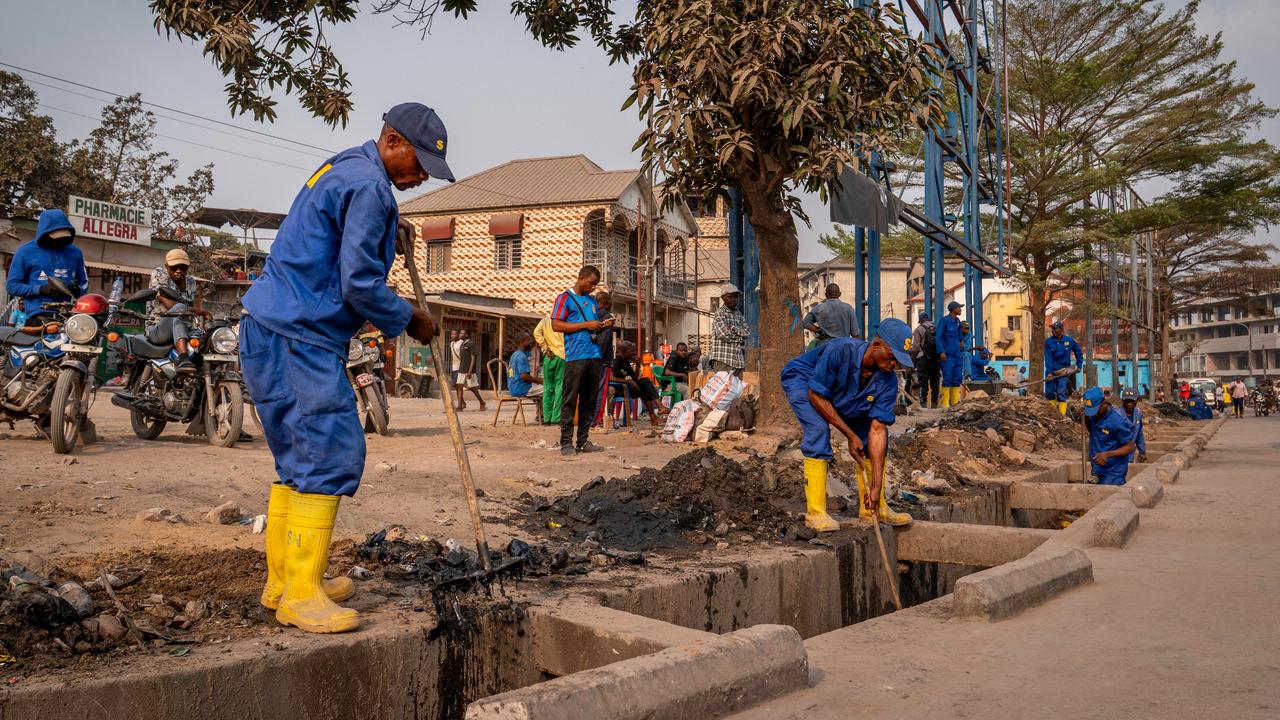
But National Service discipline has extended to heavy-handed abuse. In the Bandalungwa neighbourhood, a passer-by crossing the road where "builders" were cleaning was stopped and ordered to sweep alongside them.
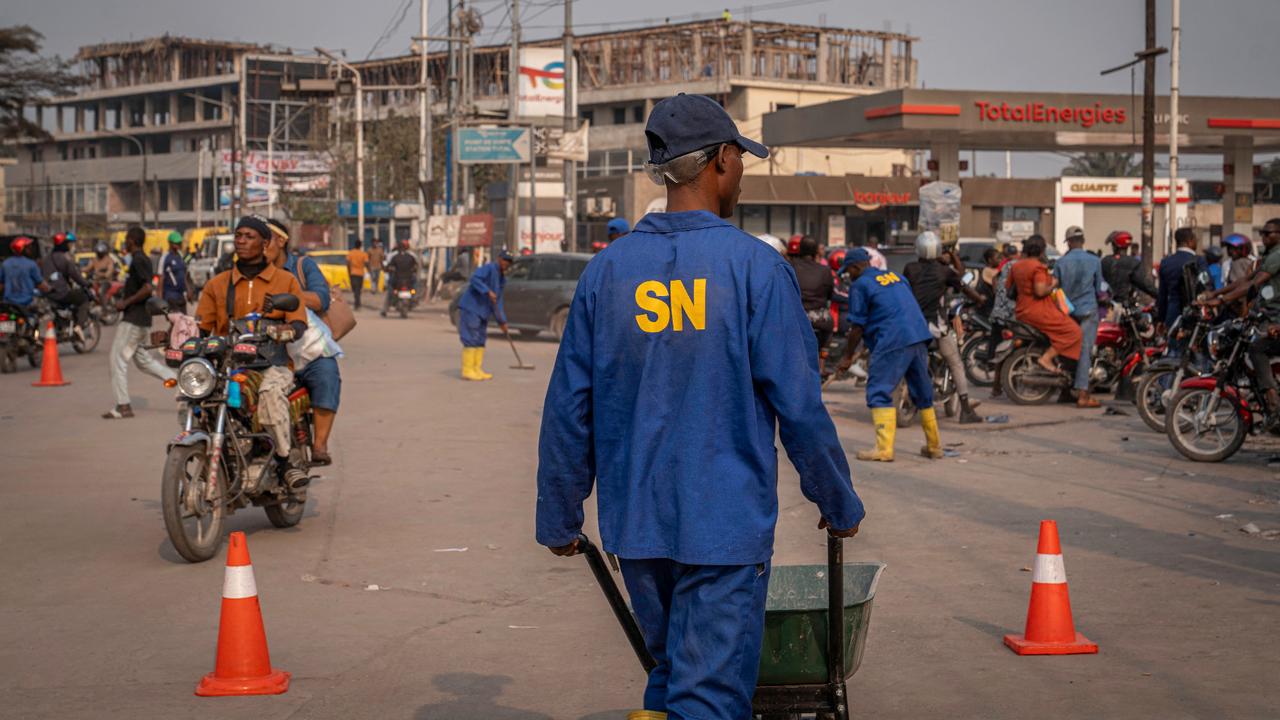
When he refused, they struck him several times with sticks to force compliance in front of an Agence France-Presse (AFP) correspondent.
Videos allegedly showing abuse by the paramilitaries have circulated widely on social media in recent weeks.
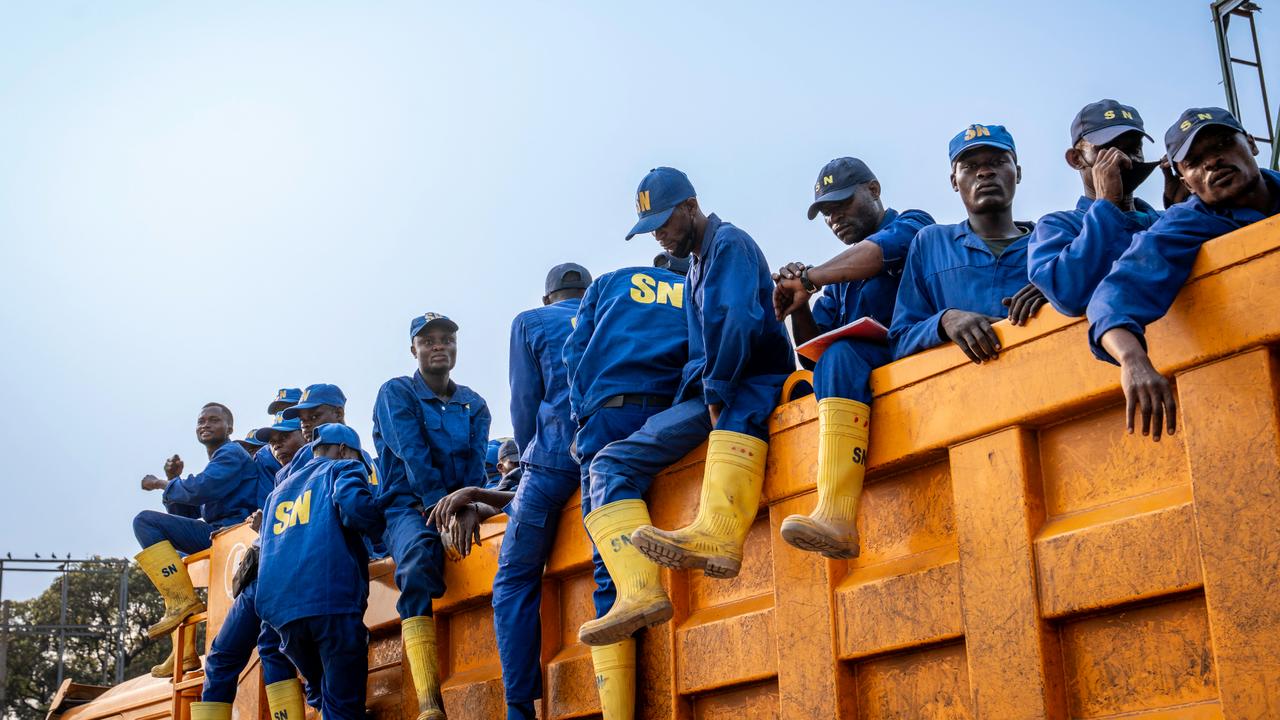
Prisoners' rights activist Emmanuel Cole said some "builders" were recruited through "nepotism or tribalism," notably from within the president's community. "In principle, these are people who benefited from an amnesty or parole, but some were sent directly to the training camp without going through prison or appearing before a court," he said.
Contacted by AFP, National Service officials did not respond.


 Set as preferred source

 4 min read