Newsletters


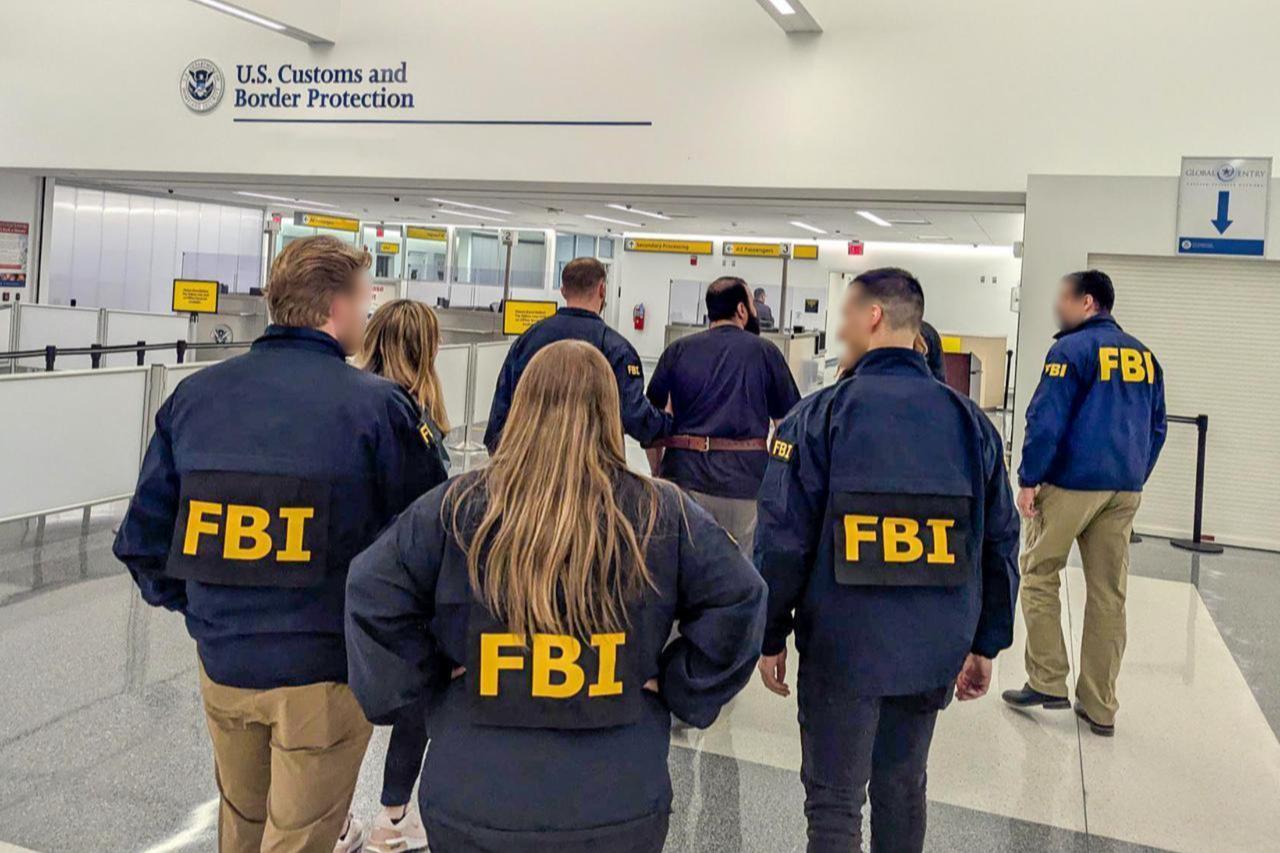


US Federal authorities are ramping up airspace enforcement across the United States as the 2026 FIFA World Cup approaches, warning that unauthorized drone flights over tournament venues will be treated as federal crimes carrying fines of up to $100,000 and the prospect of immediate arrest.
The Federal Bureau of Investigation and the Federal Aviation Administration, working in coordination with the Department of Homeland Security and the Department of Justice, have formally designated all World Cup stadiums and surrounding event spaces as strict no-drone zones.
Temporary flight restrictions covering Houston's FIFA Fan Festival are already in effect, extending through July 19, 2026, with similar restrictions rolling out across the tournament's 11 host cities as match schedules begin.


Violators face a two-track penalty structure: civil fines of up to $75,000 per infraction and criminal penalties reaching $100,000, with the possibility of up to a year in prison and confiscation of the aircraft. Pilot certificate revocation is an additional consequence flagged by U.S. Customs and Border Protection.
FBI field offices across host cities have emphasized that flying in restricted airspace is not merely a regulatory infraction. "Flying in a restricted zone isn't just dangerous, it is a federal crime," said FBI Kansas City Special Agent in Charge Chris Ormerod.
On match days, all aircraft operations, including drones, are prohibited within a three-nautical-mile radius and up to 3,000 feet above ground level around host stadiums, unless specifically authorized by air traffic control.
Fan festival sites and team base camps carry their own one-nautical-mile, 1,000-foot restrictions. The FBI is deployed at select venues with counter-drone technology and is legally authorized to intercept and seize unmanned aircraft operating in violation of those limits, while preserving evidence for federal prosecution.
The FAA recently launched the Drone Expedited and Targeted Enforcement Response, known as DETER, an initiative designed to accelerate the identification and prosecution of drone violations. The program will be deployed across World Cup sites to support the broader security effort.
FAA Administrator Bryan Bedford said the agency is deploying "every available tool to protect the airspace, including stronger drone-enforcement efforts," adding that operators who violate restricted airspace "should expect swift action."
Temporary flight restrictions are a standard security measure at major U.S. sporting events under FAA regulations, and have previously been applied at Super Bowl venues and other high-profile gatherings.
What distinguishes the World Cup enforcement posture is the scale, the explicit involvement of multiple federal agencies, and the rollout of the DETER initiative specifically to sharpen the response to violations.
Officials have asked spectators and residents in host cities to report unauthorized drone sightings by calling 1-800-CALL-FBI or contacting local law enforcement. Media organizations, commercial operators, and public safety agencies seeking to fly drones near venues are required to obtain FAA authorization well in advance of match dates, given the processing lead time involved.
The tournament kicks off June 11 and runs through July 19, with matches staged at stadiums from Los Angeles and Miami to New York and Kansas City. Restrictions, officials noted, are subject to change and additional sites may be added as the event progresses.


 Set as preferred source
 Set as preferred source


 1 min read



 1 min read