Newsletters


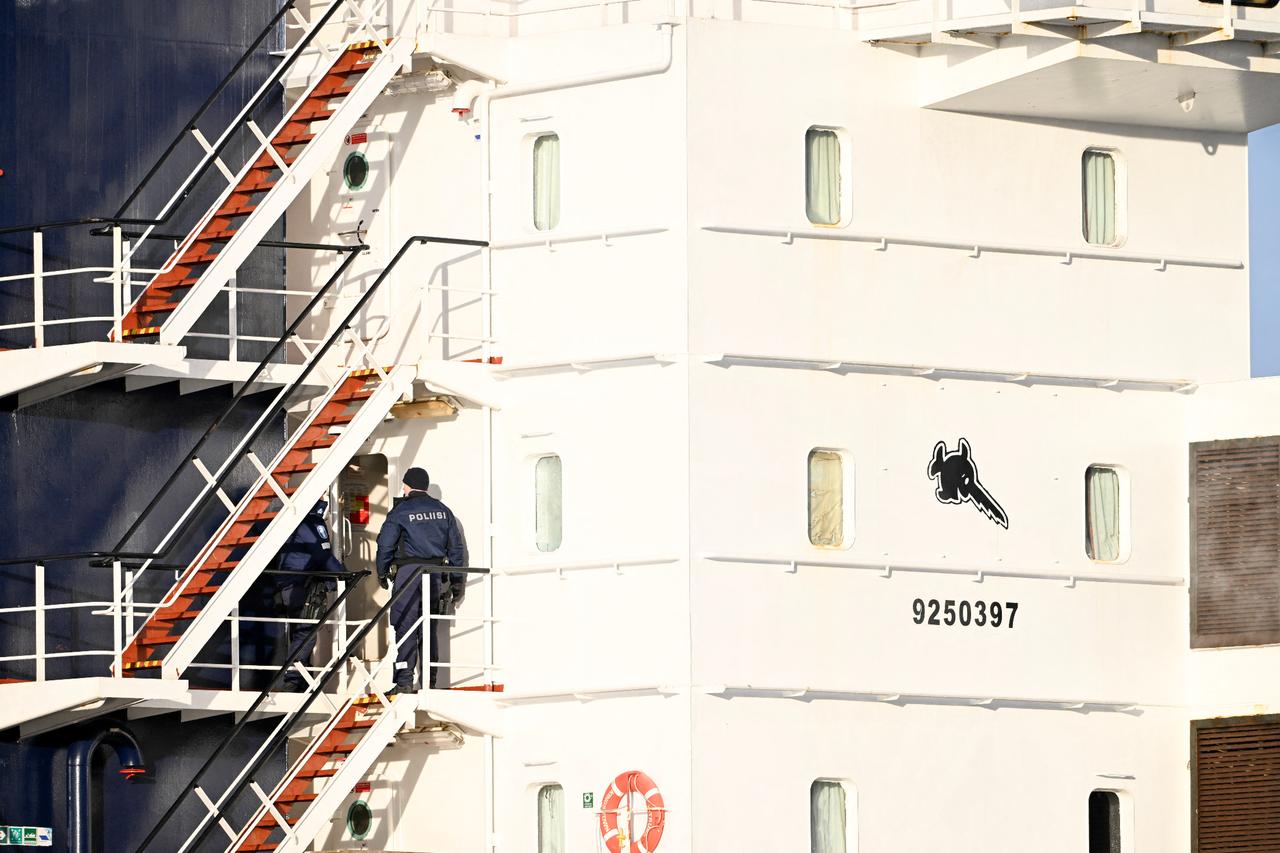


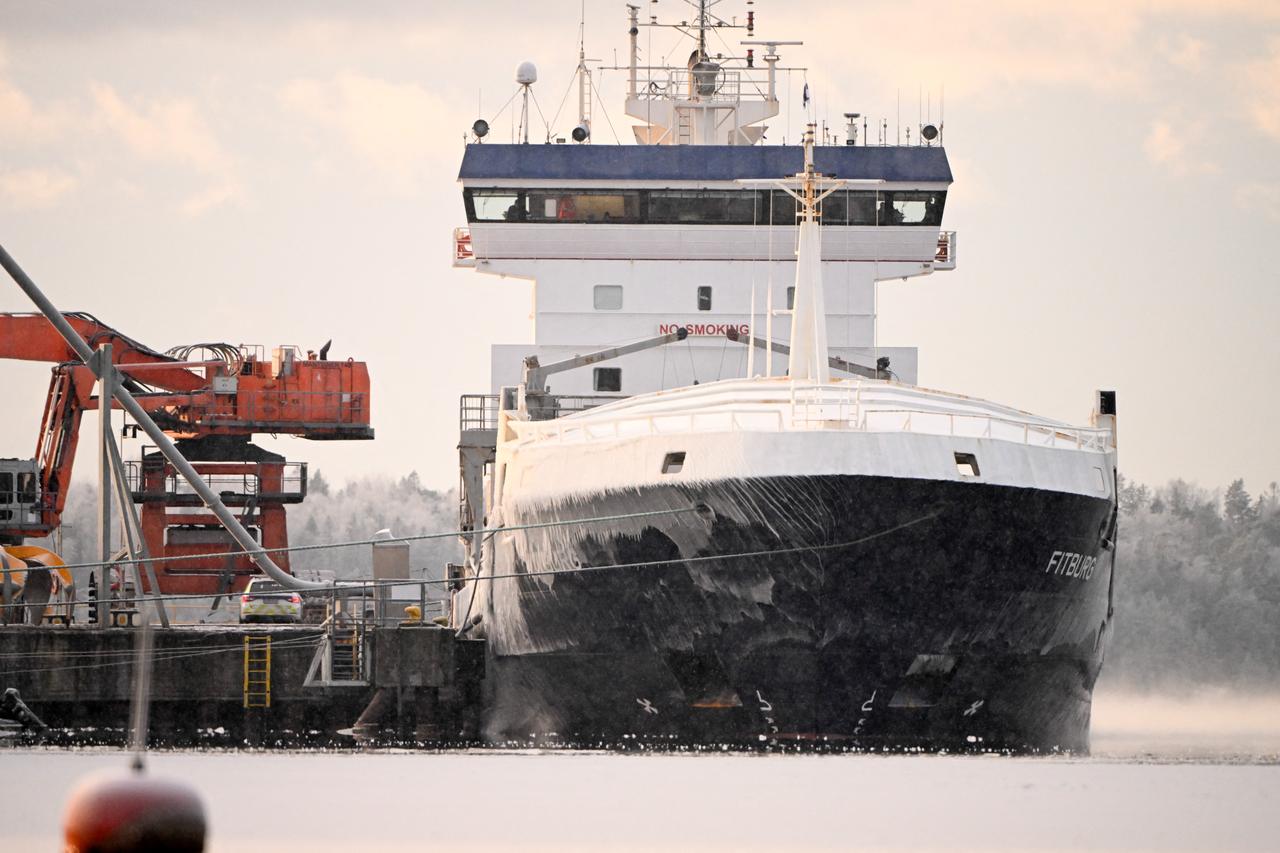
Finnish authorities seized a Turkish-managed cargo vessel suspected of damaging a submarine telecommunications cable in the Gulf of Finland and detained all 14 crew members, officials said Wednesday.
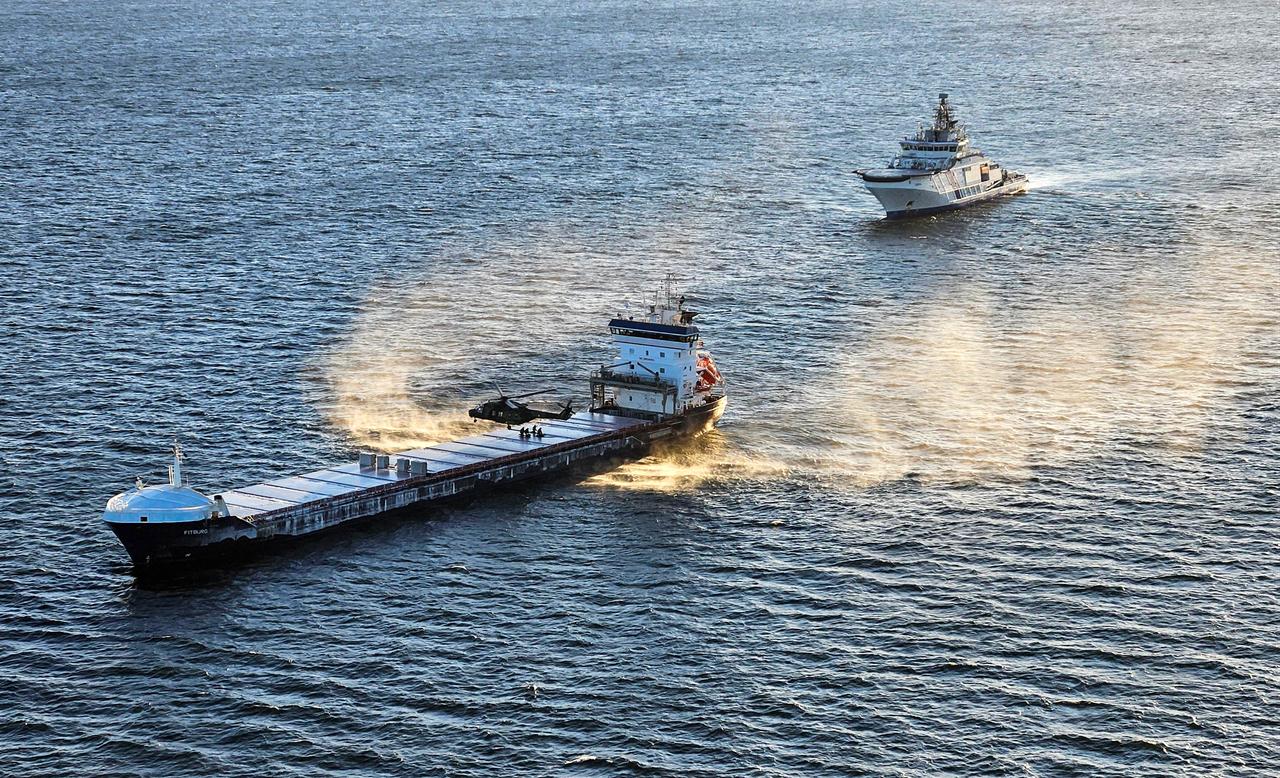
The ship, named Fitburg, was en route from the Russian port of St. Petersburg to Israel's Haifa port when it was intercepted. Armed forces fast-roped from a helicopter to board the vessel in international waters.
"At the moment we suspect aggravated disruption of telecommunications and also aggravated sabotage and attempted aggravated sabotage," Helsinki Chief of Police Jari Liukku told reporters.

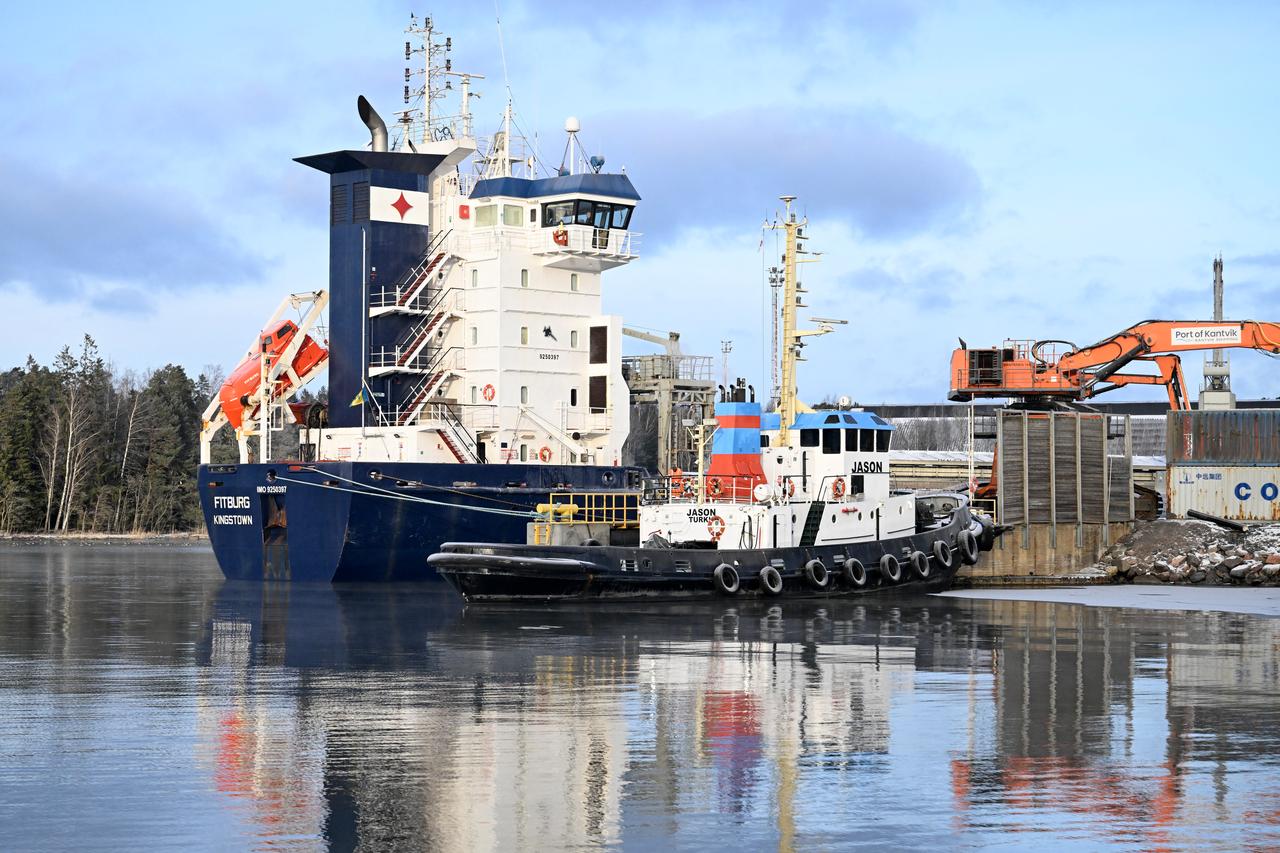
According to the ship-tracking site MarineTraffic, the Fitburg is owned and operated by the Istanbul-based company ALBROS SHIPPING & TRADING. According to LSEG data, the owner of the vessel is Fitburg Shipping Company Ltd and the manager is Albros Shipping and Trading Ltd.
The 9,800-dwt cargo ship (built 2001) sailed under the flag of St. Vincent and Grenadines.
The Fitburg's 14 crew members were from Russia, Georgia, Kazakhstan and Azerbaijan, and were all taken into police custody, investigators said.
Finnish Coast Guard authorities said they dispatched a helicopter and patrol ship Turva to the area on Wednesday morning, Dec. 31, and detected the ship dragging its anchor in the sea.
The vessel was directed to Finnish territorial waters and seized in Finland's exclusive economic zone (EEZ).
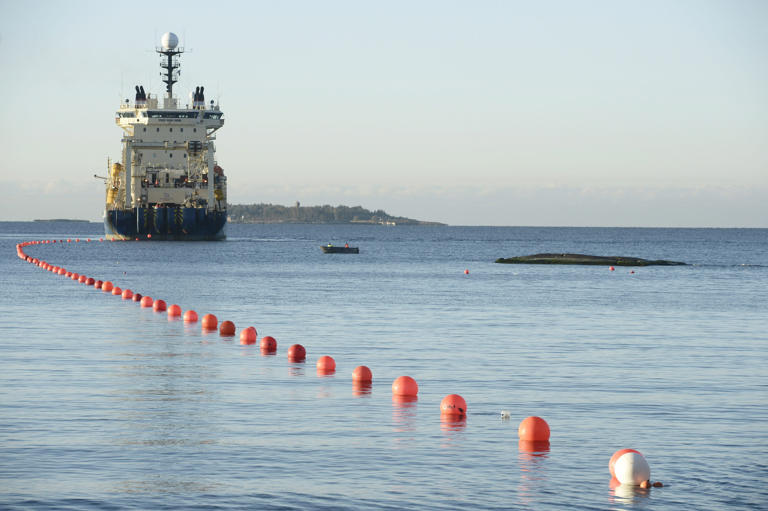
The damaged cable belongs to Finnish telecommunications group Elisa. The company said the damage "in no way affected the functionality of Elisa's services" and that services had been rerouted.
The actual cable damage lies in Estonia's EEZ, according to information provided by Elisa.
Estonia's Justice Ministry said a second telecoms cable connecting the country to Finland had also suffered an outage on Wednesday.
It was not immediately clear if the cable, belonging to Sweden's Arelion, was running parallel to Elisa's. An Arelion spokesperson confirmed the company had suffered an outage.
"I'm concerned about the reported damage to the subsea cable between Estonia and Finland. Hopefully, it was not a deliberate act, but the investigation will clarify. The Estonian and Finnish authorities are working closely together to gather additional information," Estonian President Alar Karis said on X.
Finnish Prime Minister Petteri Orpo said he had spoken with his Estonian counterpart about the incident.
"I spoke with my Estonian colleague Kristen Michal about the cable damage in the Gulf of Finland. Our authorities are working in good cooperation," Orpo said on X.
EU Council President Antonio Costa said the EU is closely monitoring the disruption.
"Closely following the situation linked to the disruption to the data cable between Helsinki and Tallinn. I commend the Finnish authorities for their decisive and effective action, in close cooperation with Baltic and EU partners, to protect critical infrastructure," Costa wrote on X.
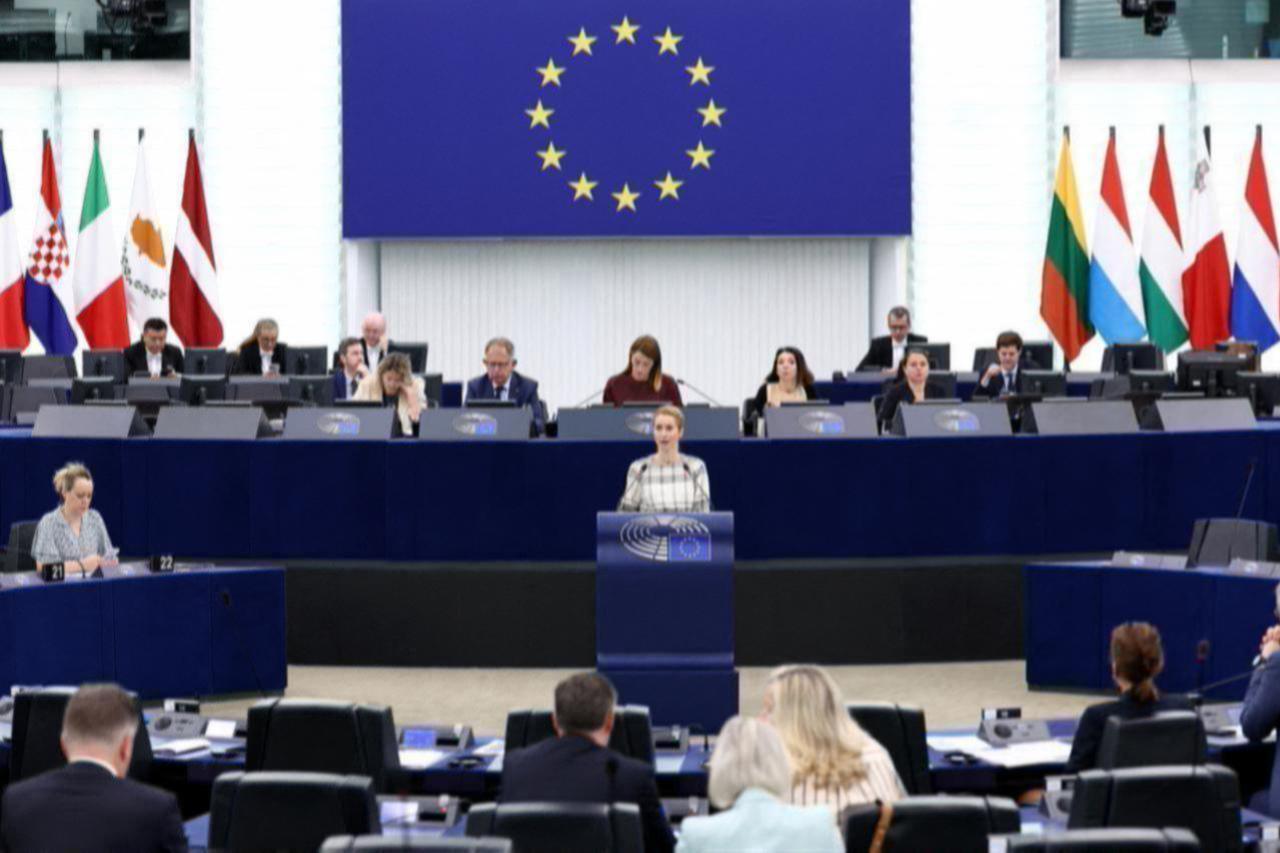
EU foreign policy chief Kaja Kallas said the Baltic Sea has seen "a clear pattern of disruptions since the start of Russia's war (in Ukraine), leaving Europe's critical infrastructure at high risk."
"The EU will continue to fortify its critical infrastructure, including by investing in new cables, strengthening surveillance, ensuring more repair capacity, and moving against Moscow's shadow fleet, which also acts as a launchpad for hybrid attacks," Kallas added.
 2 min read
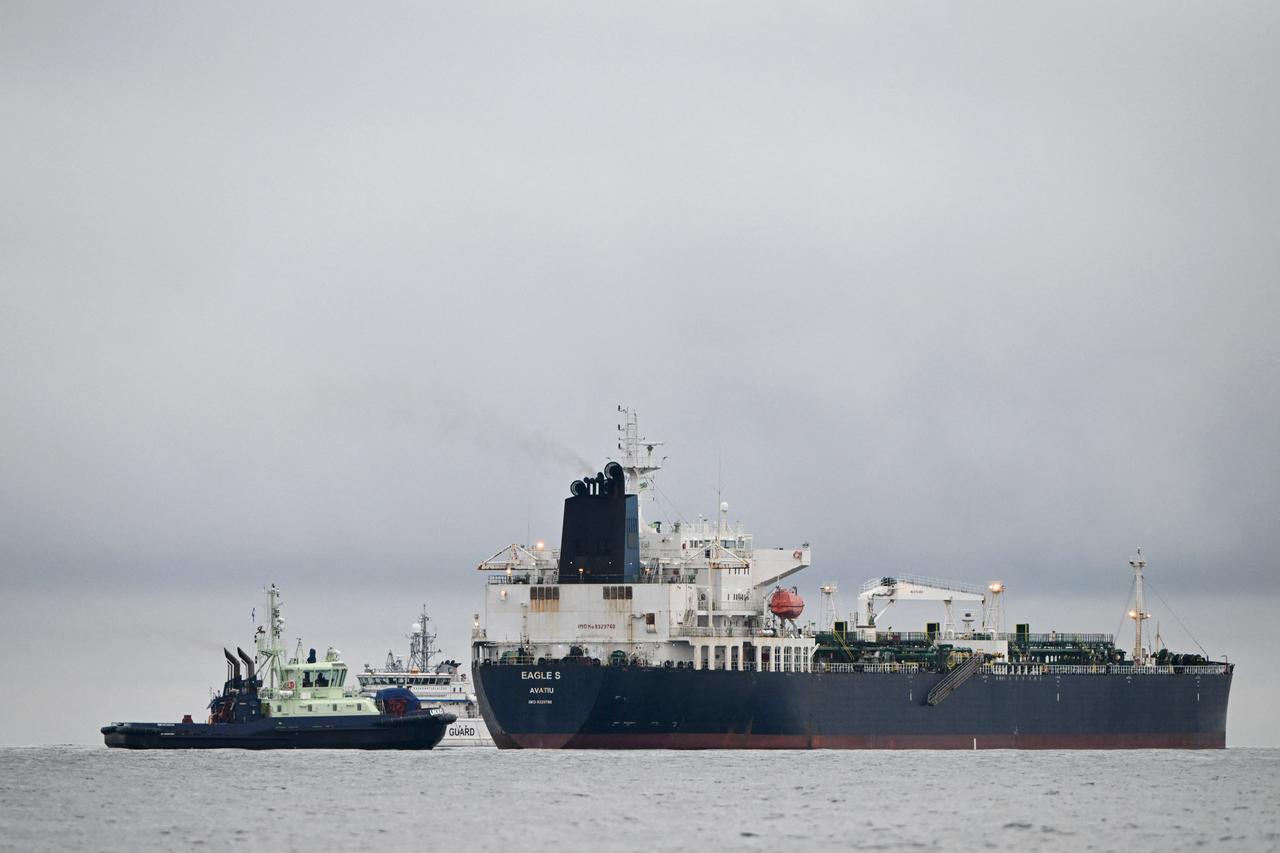
"We remain in contact with the Finnish authorities, through exchange of information, via the NATO shipping centre located at our Allied Maritime Command in Northwood, UK," a NATO official said.
NATO has boosted its presence in the Baltic Sea with frigates, aircraft and naval drones in recent years. Eight NATO states border the Baltic Sea, which also borders Russia.
The Baltic Sea has experienced a series of incidents in which submarine cables have been damaged or completely severed in recent years.


 Set as preferred source
 Set as preferred source


 1 min read