Newsletters


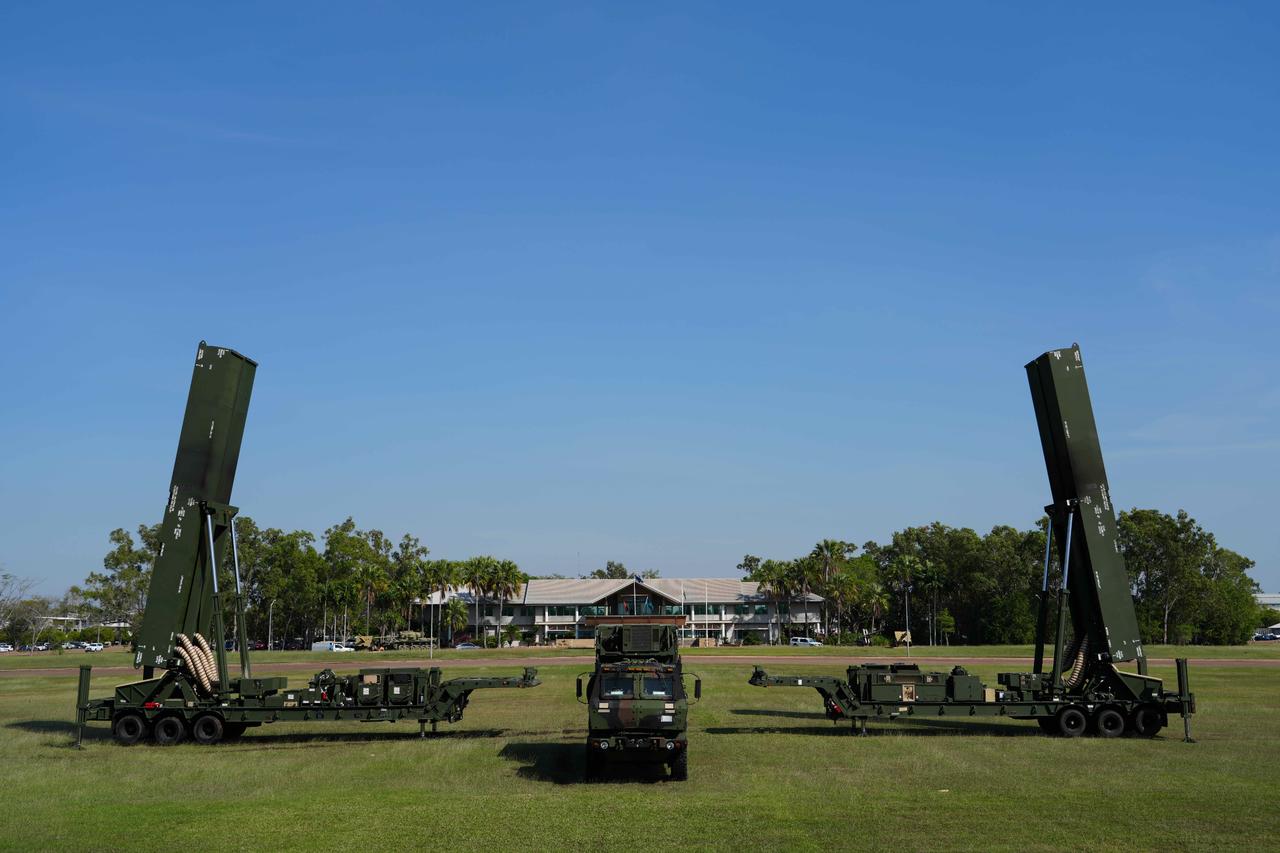


The Pentagon’s first hypersonic weapon has not yet shown that it would be effective in combat, even as the Defense Department says it intends to deploy the army-managed system by Sept. 30, more than three years later than originally planned, Bloomberg reported.
The army must also show it can produce enough missiles before fielding them, after the Pentagon invested more than $12 billion since 2018 to develop, test and deploy hypersonic weapons.
The system, known as “Dark Eagle,” is being developed as the U.S. seeks to catch up in next-generation weapons that Russia has already used in its war on Ukraine. China has also deployed such weapons.
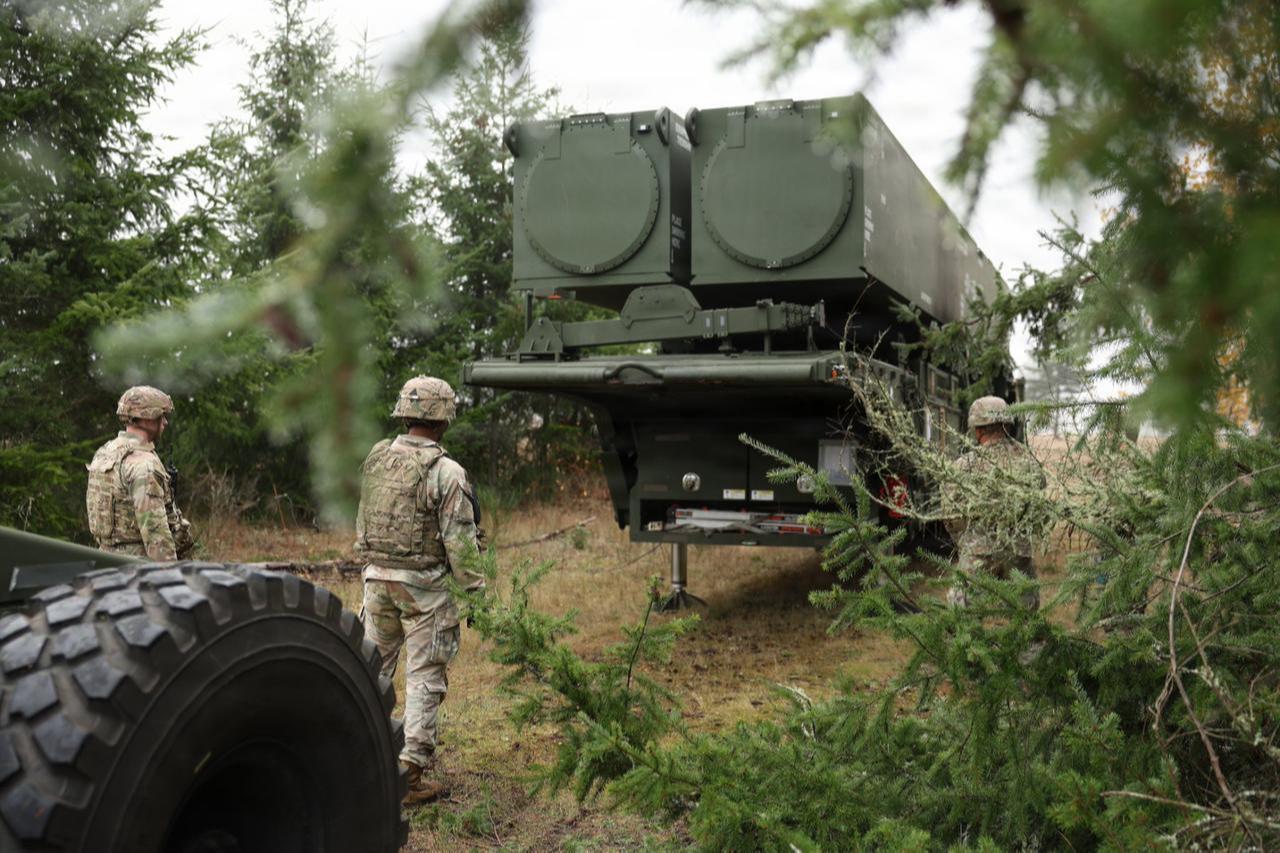

Lockheed Martin Corp. is the systems integrator for the army’s hypersonic weapon.
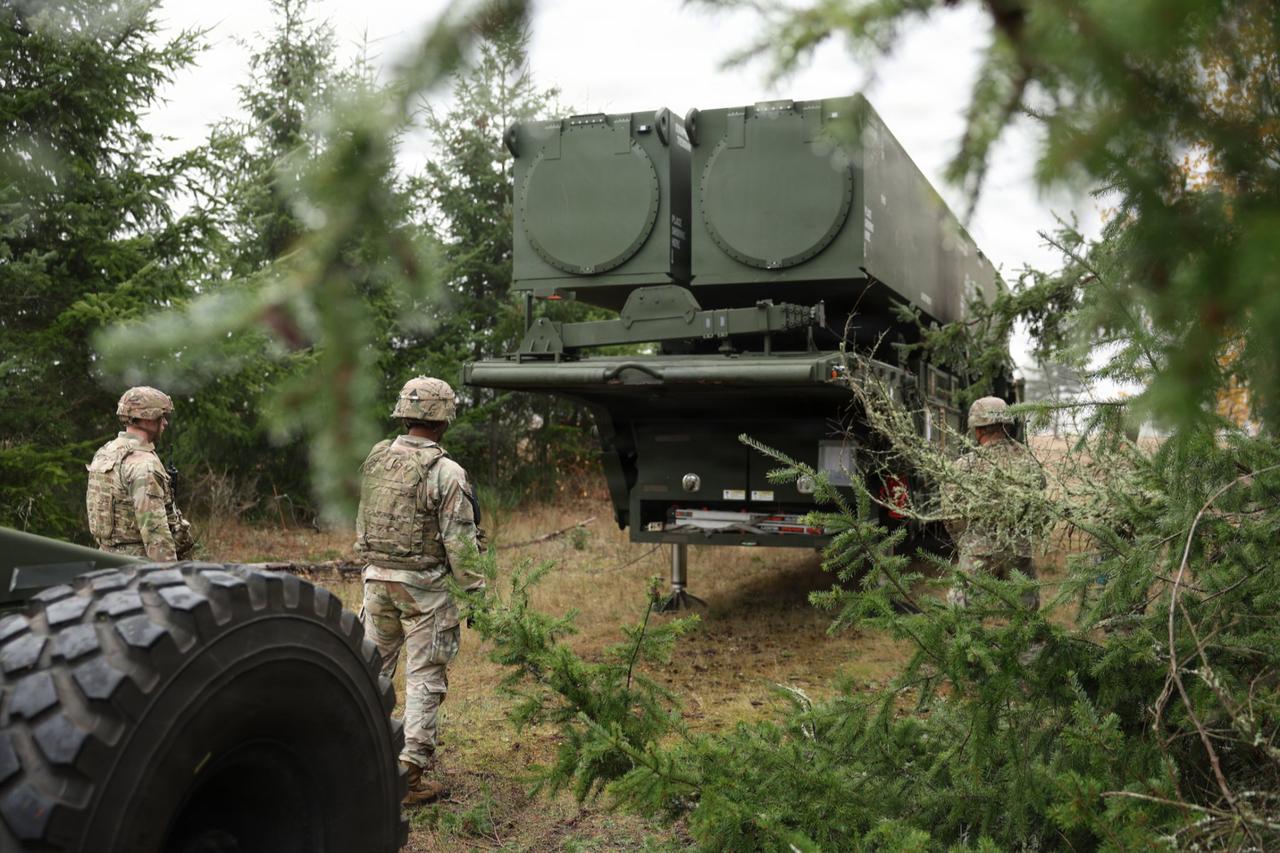
Dark Eagle has a reported range of 1,725 miles, or 2,780 kilometers, and consists of a ground-launched missile equipped with a hypersonic glide body and related equipment.
A variant of the weapon will be used by the Navy. The Defense Department has said little about how much each missile will cost.
The Pentagon told Bloomberg News there is reason for optimism after the army “successfully executed a joint test” with the Navy in December that “demonstrated end-to-end performance of the system.”
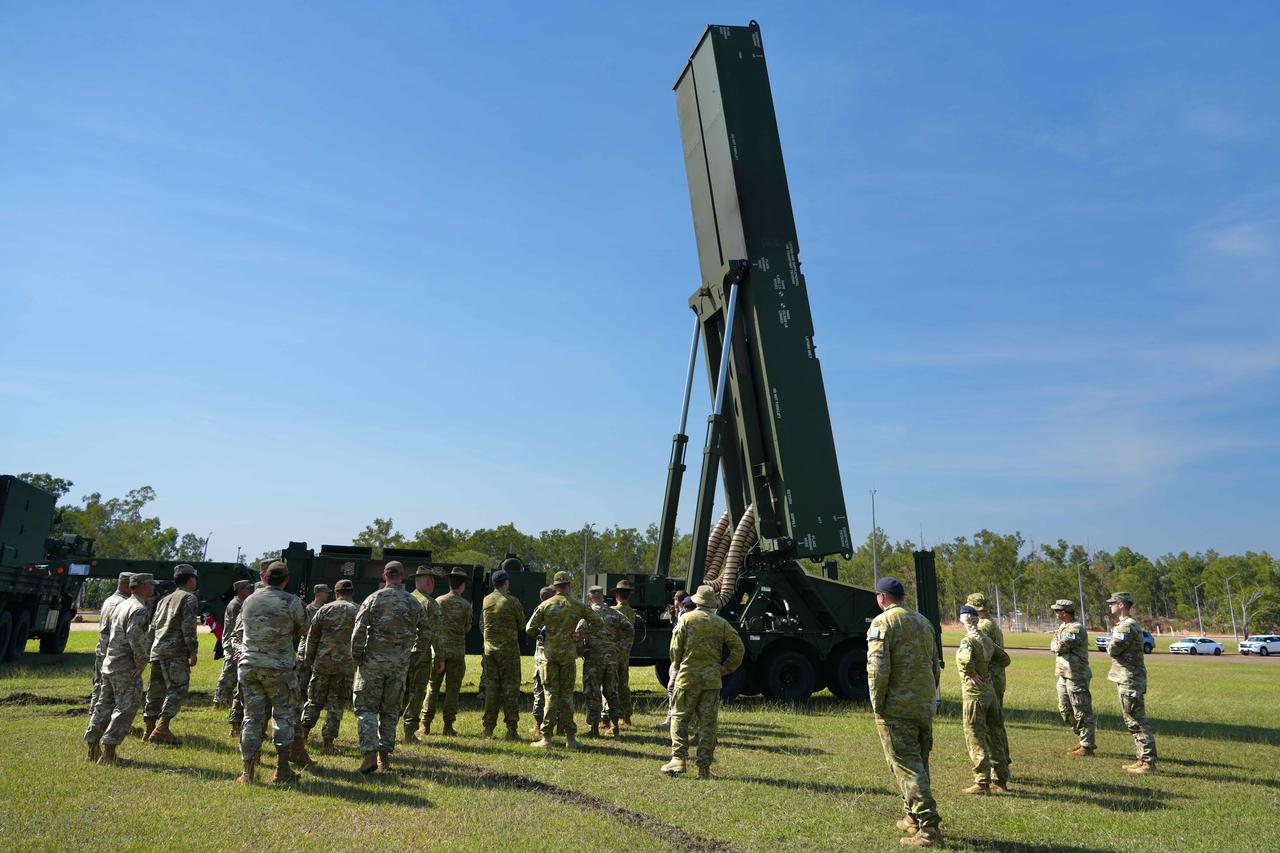
The Pentagon said the army is “thoroughly reviewing” the December test “to ensure all aspects of the system are ready for fielding.”
As part of that process, the army must complete production of the missiles.
“We are currently in the final stages of the missile system manufacturing process,” the Pentagon said.
Even as production ramps up, the Pentagon said the army is preparing for additional flight tests and production of mission-specific ground support equipment.
The Pentagon’s director of operational test and evaluation, an in-house testing office, said it is reviewing the December test data but concluded the exercise did not represent “an end-to-end operational assessment” of the weapon in its expected combat environment.
The office said further testing of the missile, launcher and battle management system in a combat setting has not yet been conducted.
“As of now, there is still insufficient data to evaluate the operational effectiveness, lethality, suitability and survivability” of Dark Eagle, the office said in a statement to Bloomberg News.
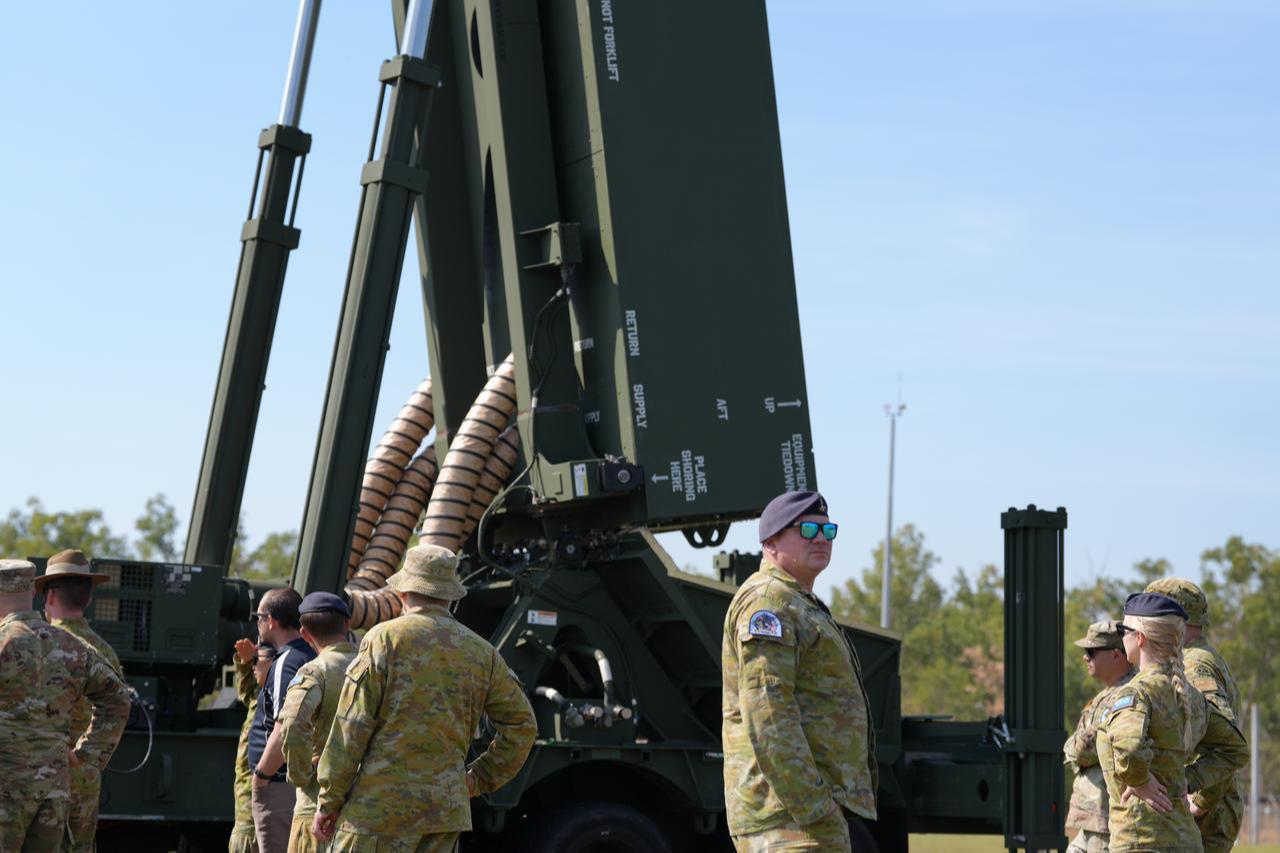
Delivering the new missiles will be a major test for Defense Secretary Pete Hegseth’s pledge to improve the lethality of U.S. forces.
Steve Feinberg, President Donald Trump’s nominee for deputy defense secretary, said at his confirmation hearing last week that the U.S. must develop hypersonic weapons.
“We have to develop hypersonics,” Feinberg said. “We can’t allow the Chinese to be faster than us, both in their weaponry and aircraft.”
The Pentagon’s test office often has strained relations with the military services because of its mission to provide independent evaluations of major weapons systems.
Feinberg, however, expressed support for the office’s role in written answers to the Senate Armed Services Committee.
“If confirmed, I pledge to rigorously maintain the office’s independence and ability to execute its mission because DoD decisions and warfighter optimization of systems depend on the office’s reports," he said.


 Set as preferred source
 Set as preferred source


 1 min read
 1 min read