Newsletters




In a narrow row house on Pennsylvania Avenue, just blocks from the U.S. Capitol, the future of American governance is being meticulously "baked." Inside, the atmosphere resembles a frat-house living room—complete with a cold brew coffee keg and a Lego replica of the White House—but the occupants are two dozen neatly dressed interns and junior staffers engaged in a serious seminar.
Their host is American Moment, a scrappy organization founded in 2021 to recruit and train the "foot soldiers" for a populist political revolt. As their president, Saurabh Sharma, puts it, the goal is to nurture a class of credentialed experts who will control the levers of power for decades to come. "The way you make senior staff is by making junior staff 10 years earlier," says Sharma, the group’s 25-year-old president. He now serves as a special assistant to the president for personnel in President Donald J. Trump's Office.
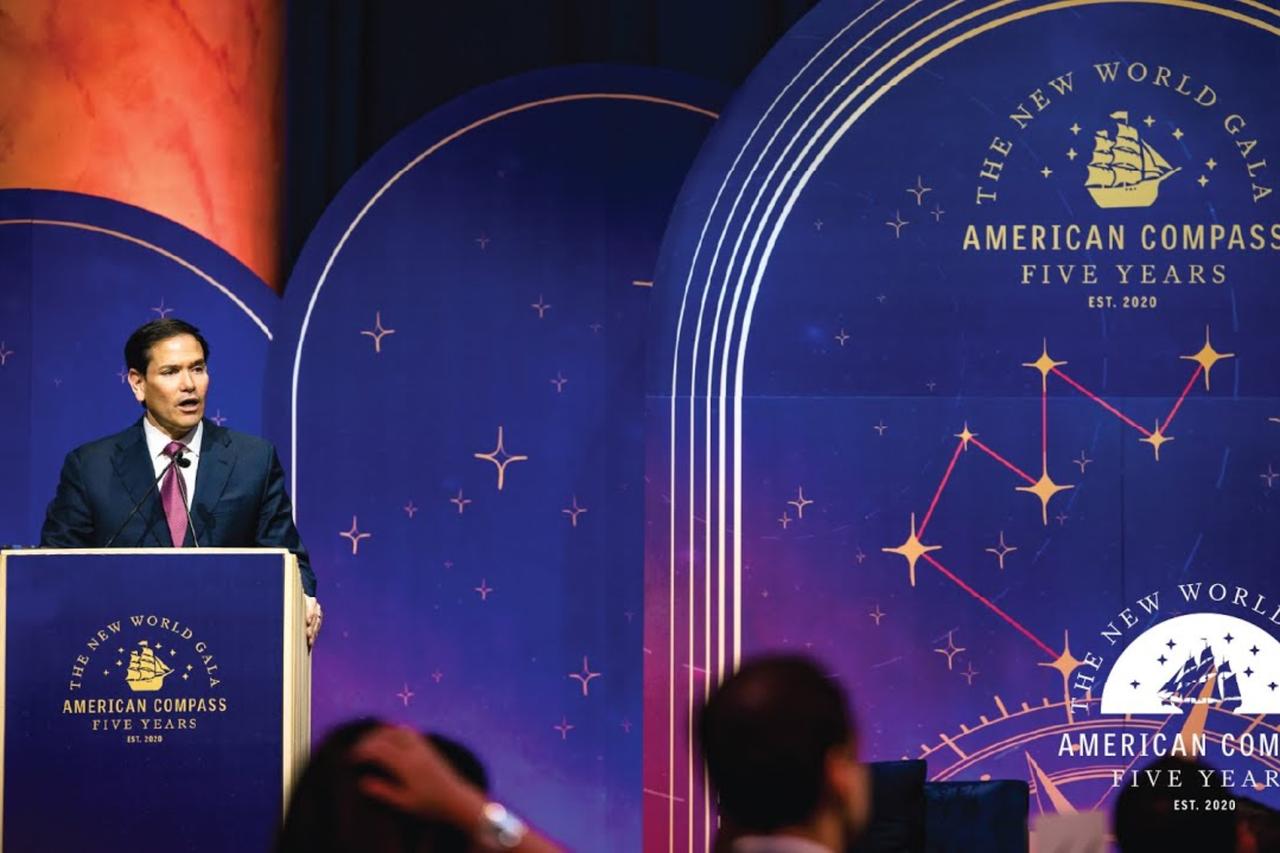
This scene is the vanguard of a broader "great realignment" within the conservative movement. Over the recent years, a new wave of organizations, including the America First Policy Institute (AFPI), American Compass, and the Center for Renewing America (CRA), has emerged to fill a policy void left by the Republican "old guard."
This institutional ambition is backed by significant capital. The AFPI, for instance, recently purchased a $20 million building just steps from the White House, signaling its intent to remain a permanent influential force in Washington.
These groups are not merely generating ideas; they are building a permanent infrastructure designed to institutionalize "America First," or MAGA principles long after the current political cycle ends.
Given their mission to build a 'permanent home' for the America First movement, their specific positions on Middle Eastern affairs carry pivotal weight, reflecting the long-term priorities of a voter segment that is now deeply entrenched in the halls of power.

The origins of this realignment can be traced back to the failed 2017 effort to repeal the Affordable Care Act. That legislative collapse exposed deep fractures in Washington’s conservative policy circles, prompting the White House to organize dinners with various think tanks to restructure the movement. What emerged was a network of organizations dedicated to a more aggressive, populist, and transactional model of governance.
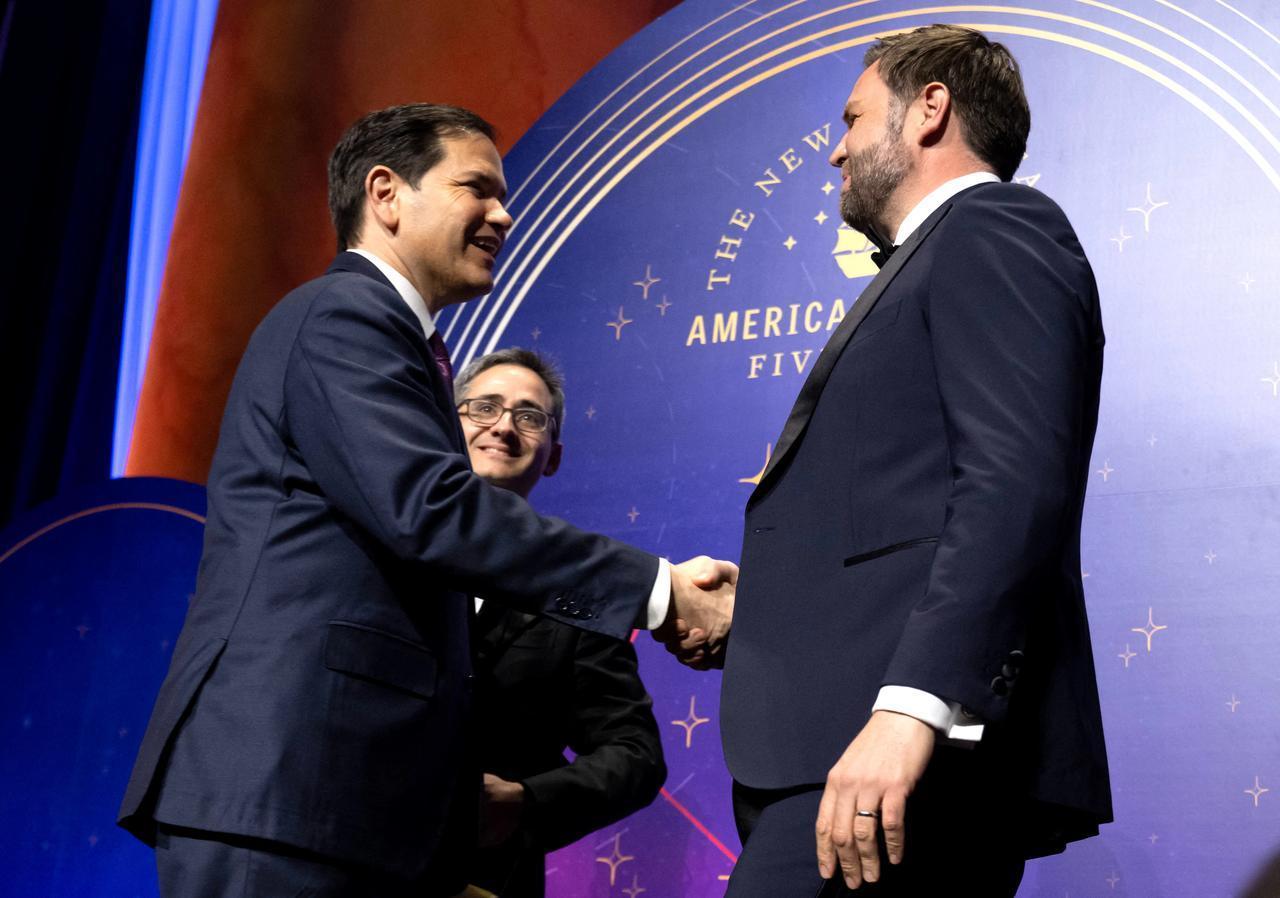
Since then, top officials, including Secretary of State Marco Rubio and Vice President JD Vance, have appeared in the events of those Washington-based organizations.
Greg Sindelar, the interim president of the AFPI, notes that the goal is to provide a structural foundation for the movement that survived the uncertainties of 2021. "What we really want to do is create a permanent home for the America First movement," Sindelar says, "to leave no doubt that this movement will continue. That the president’s legacy will continue far after he leaves office". Built to last, the focus for conservative movements seemingly has shifted from winning arguments to winning the bureaucracy itself.
These new groups are also candidates to displace the traditional institutions like the Heritage Foundation, which has itself been forced to adapt to the new political reality with initiatives like Project 2025.
While Heritage remains a throughline to the movement's founding, the new entrants are more philosophically aligned with the "national conservatism" movement, which views America not just as an idea, but as a nation with a shared history and distinct interests.
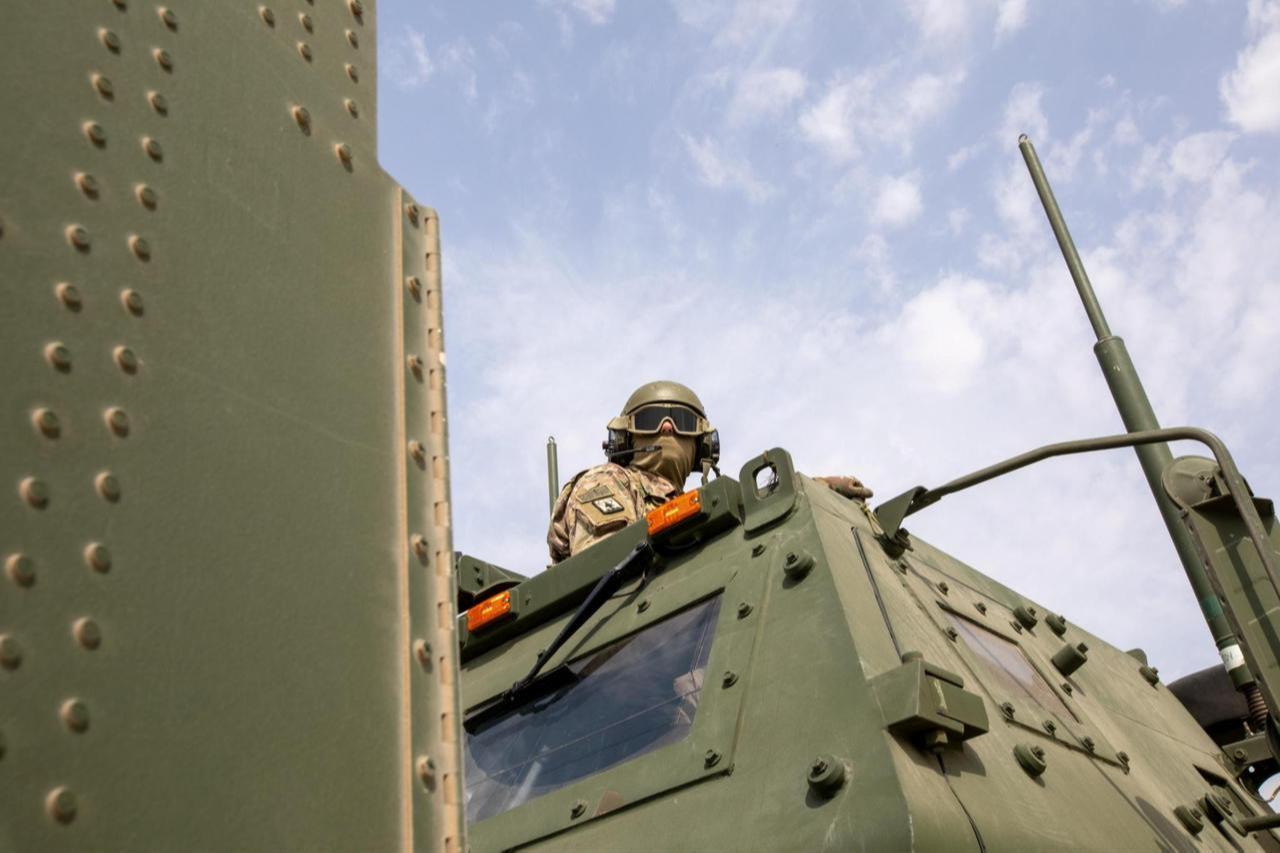
As the current conflict has escalated, the AFPI’s agenda has moved from theory to practice. The organization has long advocated for a "focused and judicious use of military power," asserting that the military's purpose is not nation-building but to "fight and win our nation’s wars". This approach treats military force not as a separate track from diplomacy, but as its most potent instrument.
The strategy relies on what analysts call "definitional immunity," the unique ability to reshape policy based on immediate needs, satisfying hawks with authorized strikes while pivoting to negotiate from a position of overwhelming leverage. In the 2026 context, the logic is clear: a devastating strike is intended to create urgency for negotiation. By aggressively backing Israel and treating military force as a transactional tool, the "new right" think tanks provided the blueprint for an administration that seeks to resolve conflicts by escalating until the adversary's recalculation is inevitable.
Parallel to the kinetic strategy is an even-hardening of ideological positions regarding the stability solutions in the Middle East. In a piece written by the CRA staff, the authors argued that "the Palestinian culture is prohibitive for assimilation" and is fundamentally "antithetical to American civil society." Citing polling and historical grievances, the CRA has pushed to move beyond traditional "peace processes" in favor of "regional resettlement parameters."
This policy framework shifts the responsibility for displaced Arabs to the Arab League, advocating for Gazans to be relocated to surrounding Arab nations within enforced "culture zones."
It further suggests isolating nations like Qatar, threatening the relocation of the U.S. Central Command facilities to "friendlier" partners like the UAE. This vision aligns with the broader "national conservatism" goal of prioritizing national sovereignty and security over internationalist humanitarian consensus.
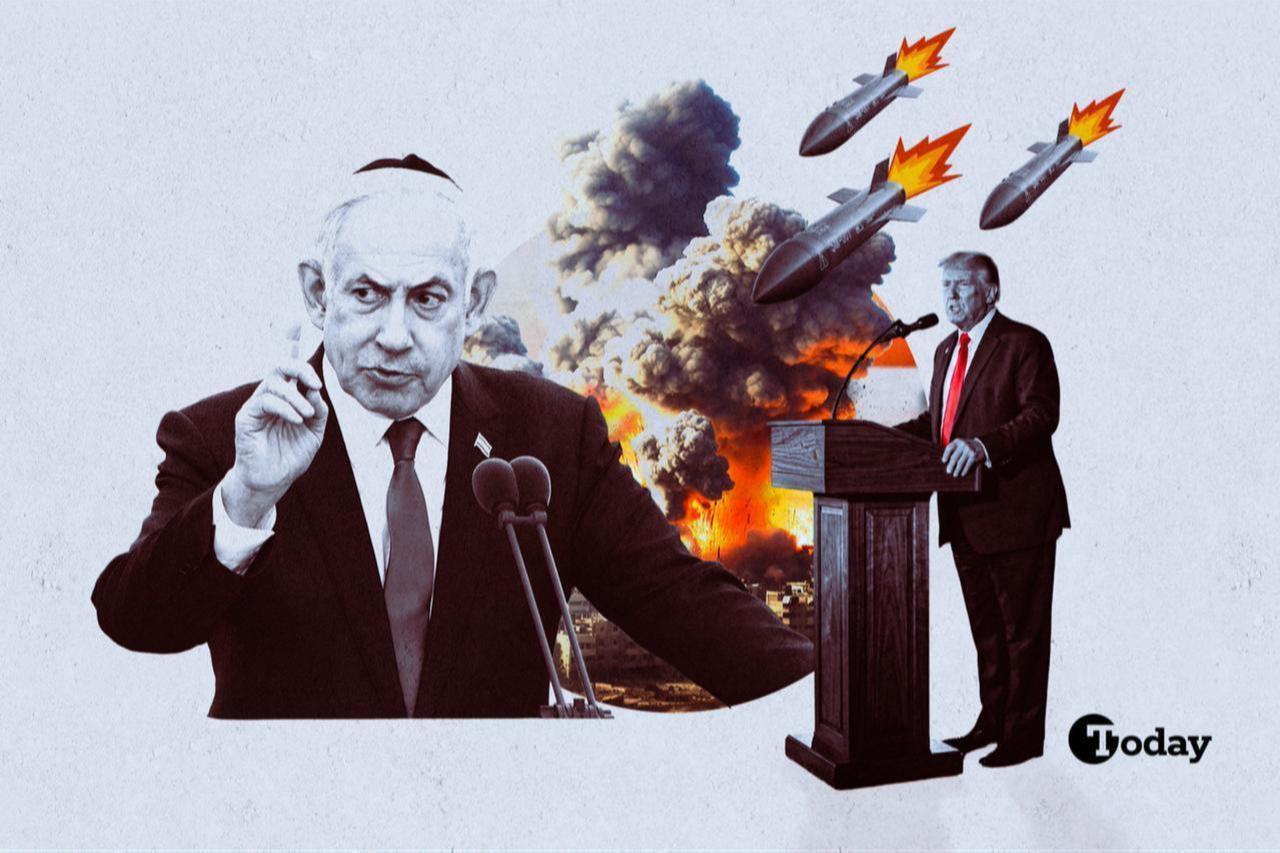
However, this strategy of empowering regional partners contains an inherent tension known as the "alliance paradox." These think tanks advocate for "strategic retrenchment" to end "forever wars," preferring to cultivate strong, capable allies like Israel and Saudi Arabia who handle their own security with minimal U.S. intervention.
The paradox lies in the fact that these very allies, once empowered, possess the agency to take unilateral moves that could drag the United States into the exact open-ended conflicts the "America First" doctrine vows to avoid. As the 2026 war has shown, the administration’s legacy now hinges less on deterring its enemies than on restraining its empowered allies from creating "tripwires" that transform a transactional mediator into a full-scale war president.
A unique characteristic of this realignment is what has been termed "definitional immunity"—the ability to pivot between authorizing military strikes and brokering ceasefires without losing core populist support. This flexibility allows the movement to satisfy hawks by demonstrating strength while appeasing restrainers through de-escalation. It is a strategic logic that maximizes U.S. leverage while avoiding the military quagmires of the past.
Russell Vought, the former head of the CRA and a key figure in the current administration, has described this as building a "durable intellectual river" that cannot be easily diverted by future political shifts. By targeting the "deep state" through the reinstatement of Schedule F and purges of the "woke" bureaucracy, they aim to ensure that their "America First" realism—centered on transactional force, Iran containment, and the rejection of globalist institutionalism—remains the permanent operating system of American foreign policy.
From the narrow row houses of American Moment to the high-stakes boardrooms of the AFPI, the blueprint is clear: the era of Reaganite internationalism is over. In its place is an emerging axis of illiberal governance that prioritizes national survival, cultural preservation, and a transactional approach to the world.
As the ballroom of the National Conservatism Conference reverberates with talks of a "revolt within the right," it is increasingly apparent that these new architects of power are building a foundation they expect to last for generations.


 Set as preferred source
 Set as preferred source


 4 min read