

 Newsletters


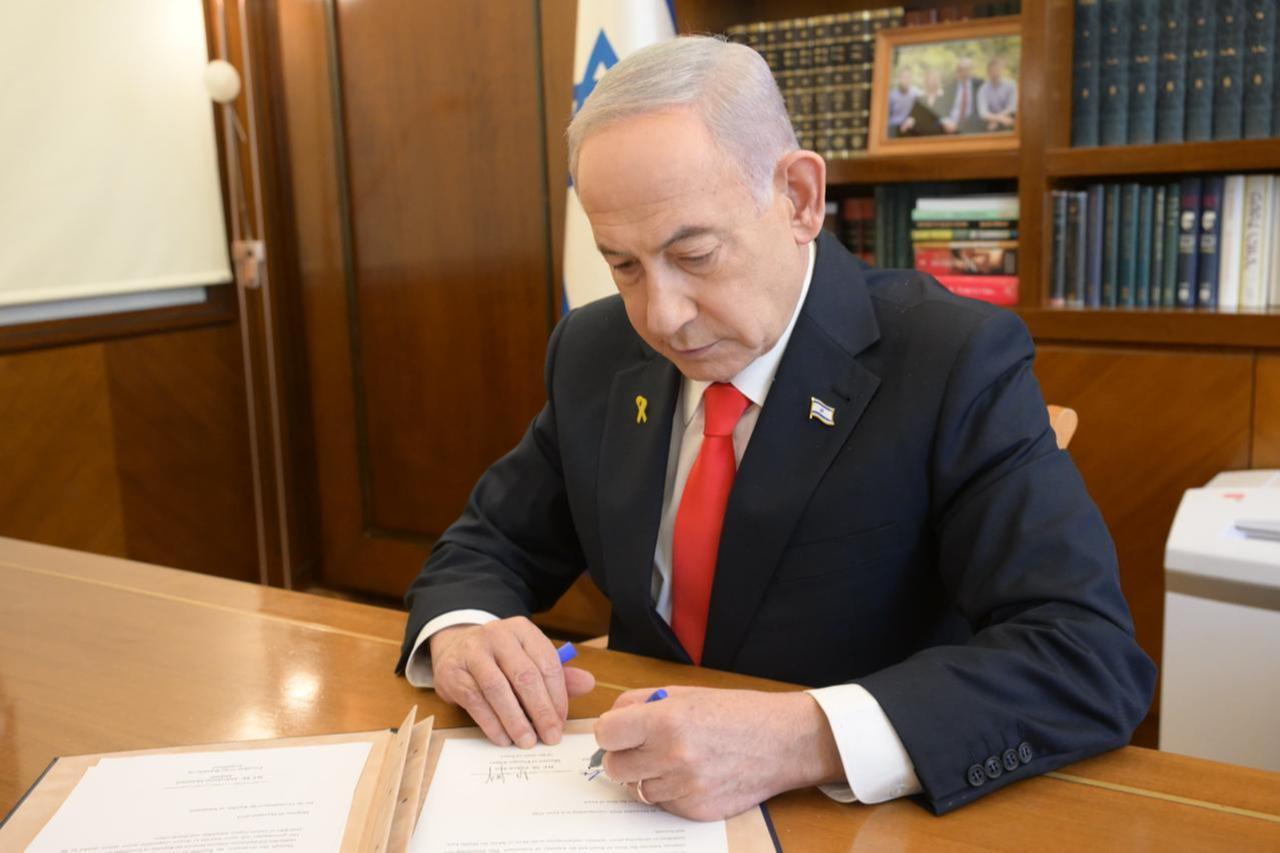


Israeli Prime Minister Binyamin Netanyahu used Russian President Vladimir Putin as an intermediary to assure Iran that Israel would not launch an attack, according to reports in Israeli state media.
Netanyahu requested Putin relay the message during a phone conversation in October 2025, Israeli state television KAN reported. The communication aimed to prevent Iran from conducting a preemptive strike based on perceived threats, the report said.
Following the phone call between Netanyahu and Putin, the Russian president told the TASS news agency during a visit to Tajikistan in October 2025 that he was receiving signals from Israeli leadership. Putin said Israel was seeking reconciliation and did not want conflict, adding that Russia continues dialogue with Israel and would relay these messages to "our Iranian friends."

The reported backchannel diplomacy followed an unprecedented 12-day period of intense clashes between Israel and Iran in June 2025, marking the most severe direct military confrontation in the two nations' history.
Tel Aviv launched heavy air strikes targeting Iran's senior military command, nuclear scientists and facilities, air defense systems, and ballistic missile launch sites and stockpiles. Tahran responded with retaliatory missile strikes against Israeli positions.
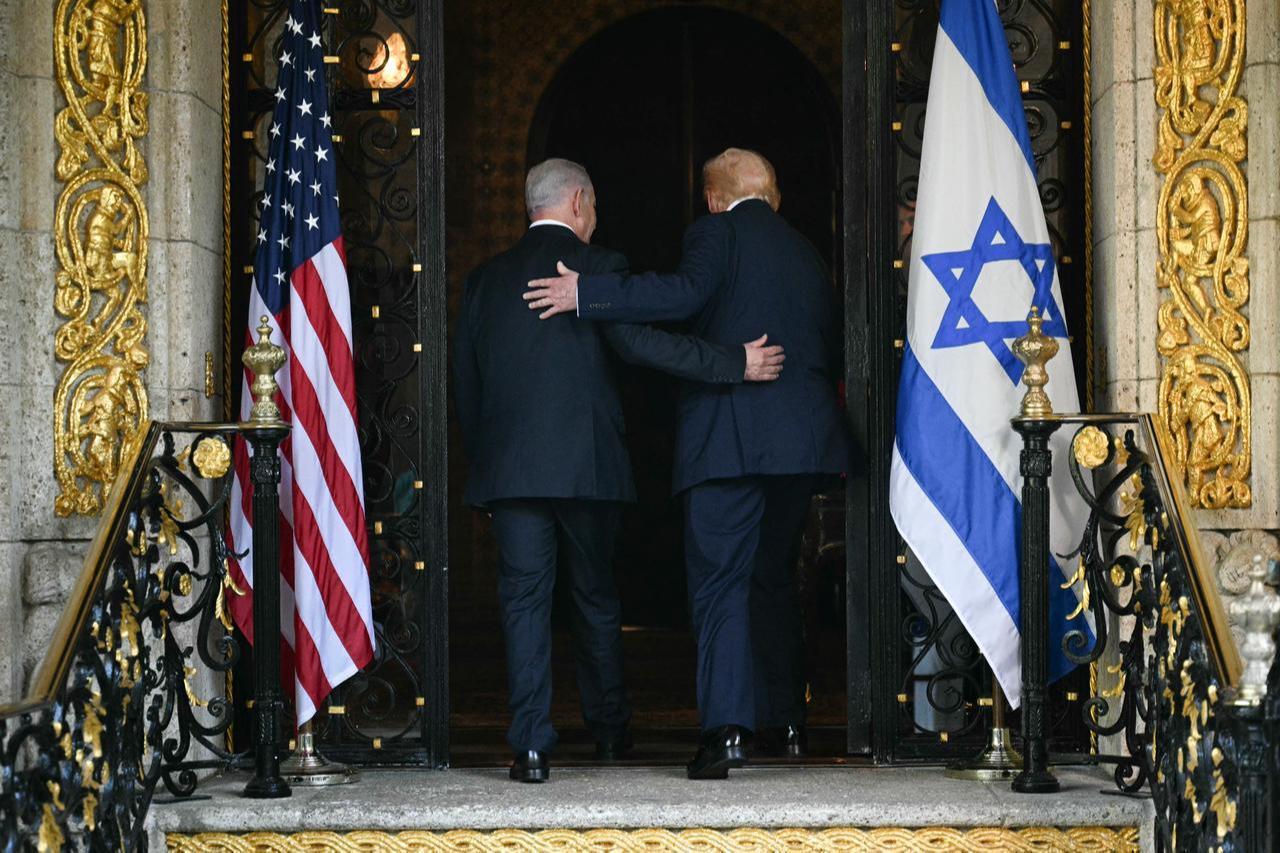
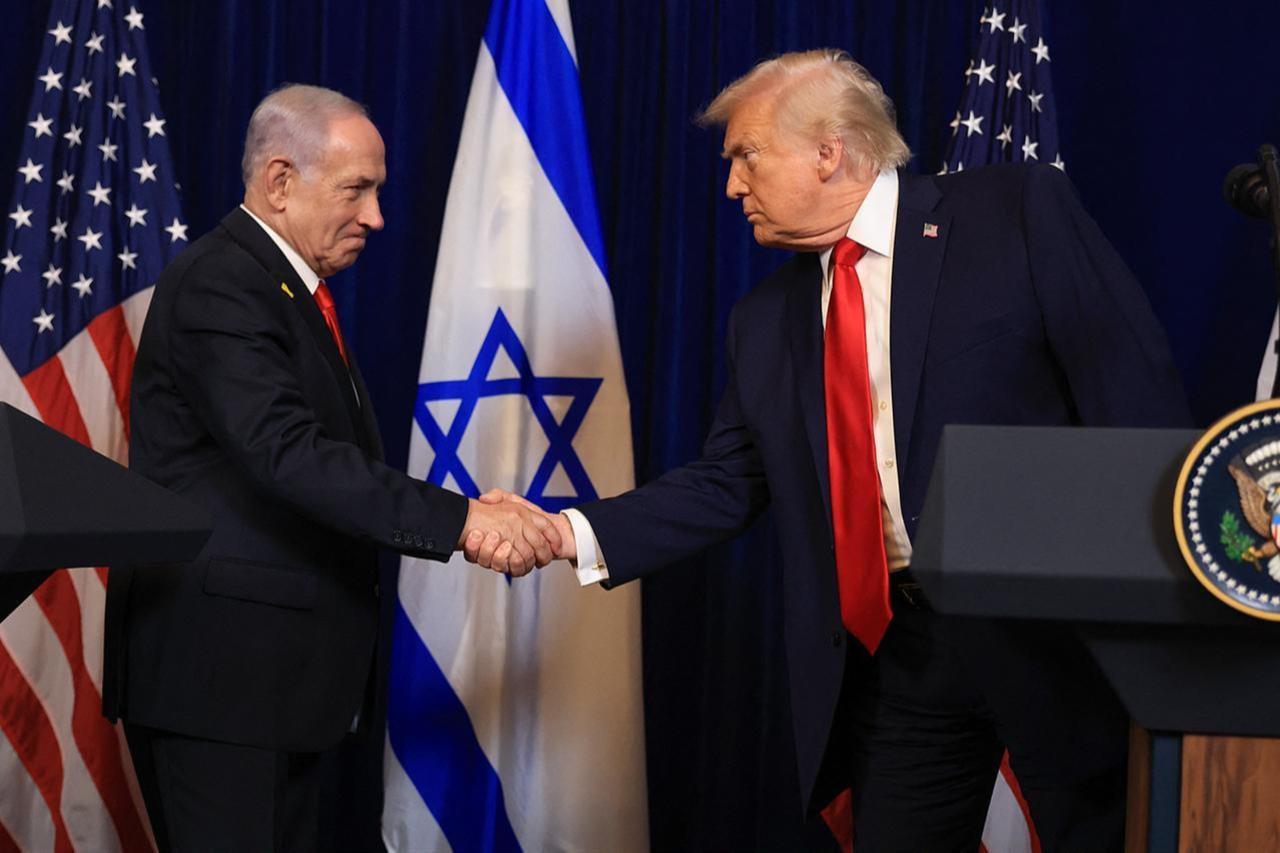
Speaking before the Israeli parliament following his recent visit to the United States, Netanyahu said he and President Donald Trump agree on major issues while acknowledging disagreements on some matters.
Netanyahu told the Knesset that both leaders share the view that Iran cannot be permitted to restart its nuclear or ballistic missile programs. He said Iran must remove enriched uranium from the country and that Israel would monitor compliance.
"We may be in historic days when Iranians will take their fate into their own hands," Netanyahu said, referencing recent protests in Iran over the cost of living. He warned that if Iran attacks Israel, "the consequences will be severe."
The prime minister also expressed support for the United States' recent military action against Venezuela and detention of former President Nicolas Maduro, calling it a step by countries supporting freedom and development against aggressive nations.
Opposition leader and former Prime Minister Yair Lapid criticized Netanyahu's government during the parliamentary session, saying the exemption of ultra-Orthodox Jewish men from military service hurts families of fallen Israeli soldiers. Lapid claimed his own government provided better security and calmer governance.
Netanyahu defended a proposed law that would draft approximately 23,000 Haredi men over four years, calling it a solution to the conscription issue. He dismissed criticism of a government-controlled investigation committee into the events of October 7, claiming that so-called independent bureaucrats were protecting themselves and some were harming the state for personal gain.
Israel faces scheduled elections in October 2026 unless early elections are called.


 Set as preferred source
 Set as preferred source


 1 min read

 1 min read



