Newsletters


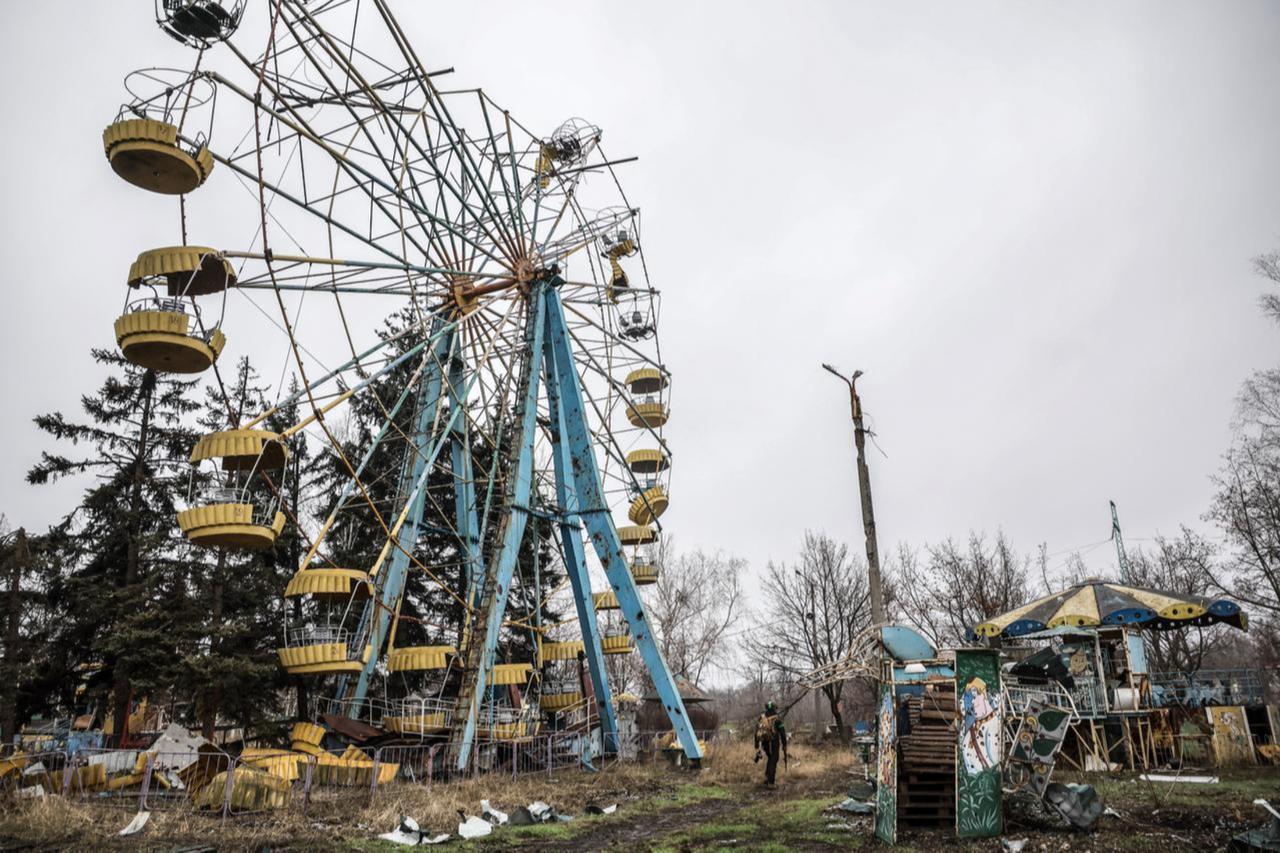


Ukraine’s leaders and researchers increasingly describe a demographic emergency that goes beyond wartime loss.
Births have fallen sharply. Millions of people have left.
As many who stayed face delayed families or lost partners, economists warn that the result will reshape Ukraine’s labor force and recovery for decades.
Ukraine’s total fertility rate stood at 1.22 in 2021 and fell to 1 in 2025, according to United Nations population data cited by CNBC. Ukraine’s First Lady Olena Zelenska warned in December that the rate had plunged to 0.8 to 0.9 children per woman, calling it a “critical decline.”
A society typically needs a fertility rate of around 2.1 children per woman to replace itself without relying on migration.
Demographer Ella Libanova described the situation in stark terms. “It’s a catastrophe,” she told CNN. “No country can exist without people.”
Ukraine’s pre-war population stood at 41 million. The estimated figure today is between 30 million and 32 million, excluding citizens living under Russian occupation. If low birth rates persist, demographers cited by The Guardian predict that by 2050, only 25 million people will live in Ukraine.
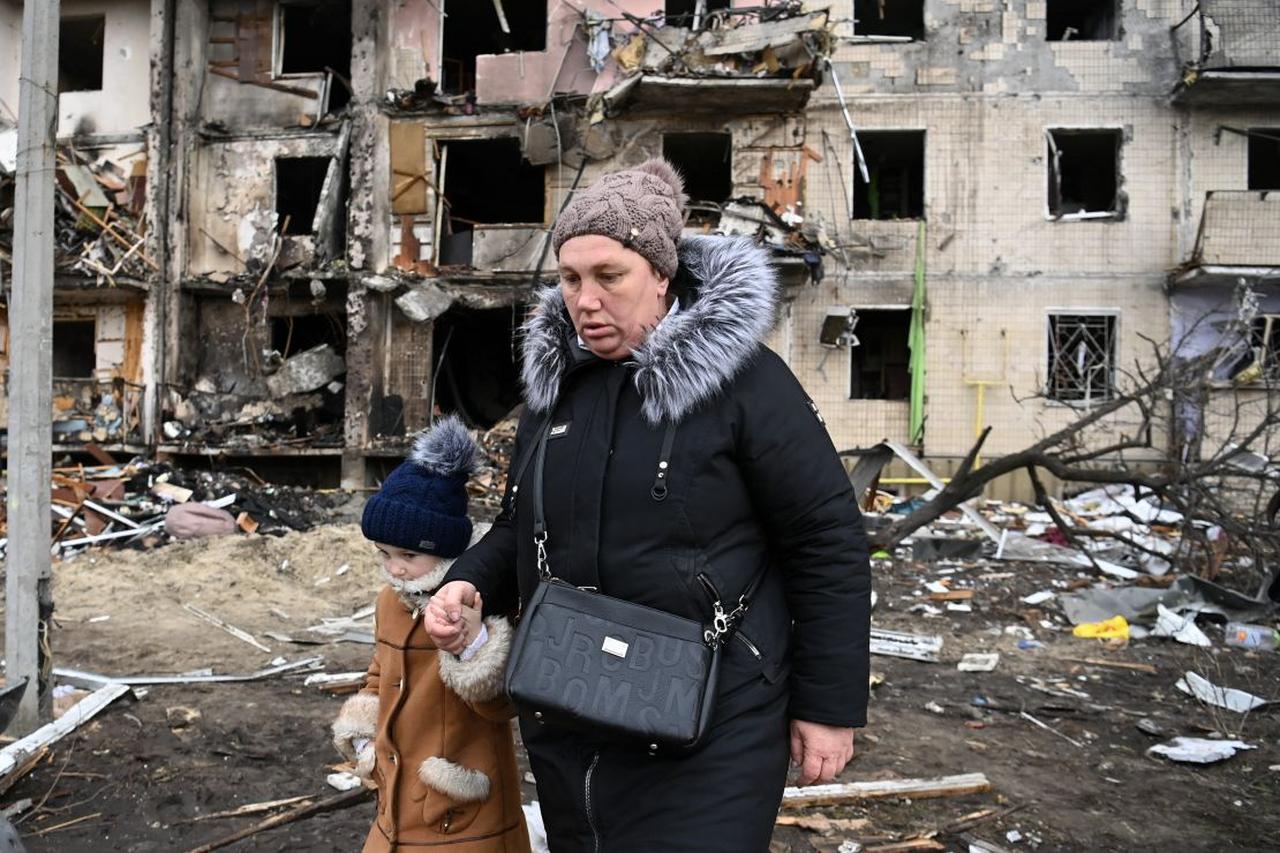

The demographic crisis did not begin in 2022.
Ukraine had a long-running decline in births. War intensified it through displacement, insecurity, and the death of partners.
In Kyiv, former soldier Olena Bilozerska told CNN the war shaped every decision about motherhood. She and her husband planned to have children before the fighting in eastern Ukraine erupted in 2014. She postponed.
By the time she left the military, doctors told her the chance of conceiving was extremely low. “Soldiers live one day at a time,” Bilozerska said. “They do not plan anything for the future.”
Reproductive specialists linked the war to worsening fertility outcomes. Dr. Valery Zukin, director of the Nadiya reproductive medicine clinic in Kyiv, sees the impact directly. “I can see it with my own eyes,” he said. The clinic’s testing on miscarried embryos showed a sharp rise in chromosomal abnormalities since the war began, he said.
Dr. Alla Baranenko, a reproductive specialist at the same clinic, described broader patterns among patients and donors. “The quality of eggs is poorer, and their number is decreasing,” she told CNN, linking it to stress. She said the quality of sperm among men returning from the front is also worse than among ordinary men before the war.
The BBC reported similar stress-related effects from the Kyiv state-run Centre for Reproductive Medicine. Director Oksana Holikova said many patients live with constant anxiety due to missiles and drones. “About 60% of my patients are on antidepressants,” she explained, including those with panic attacks. She also described “delayed life syndrome,” where people put major decisions, including childbirth, on hold.
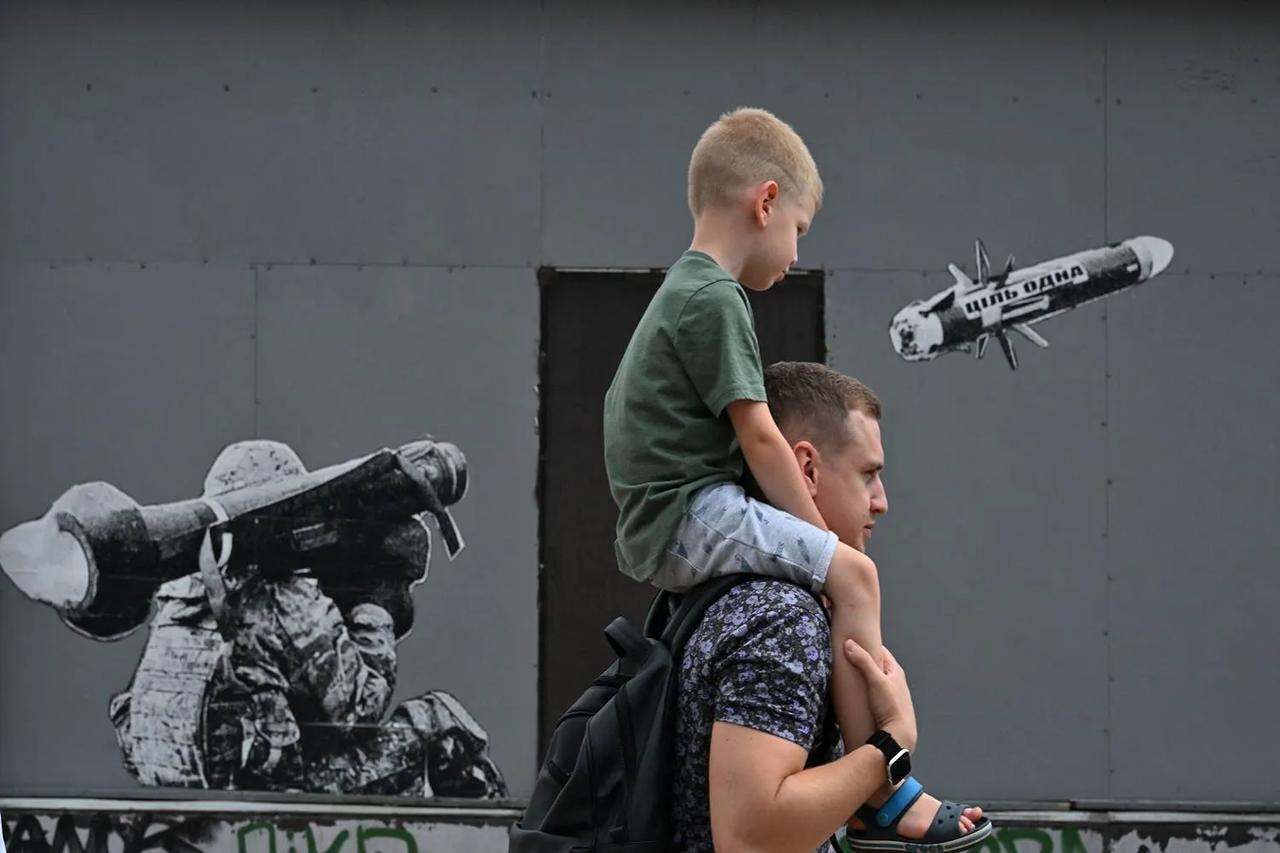
Deaths at the front and long-term displacement also shape the crisis.
Ukraine does not release casualty data, but a January report by the Center for Strategic and International Studies estimated that 100,000 to 140,000 Ukrainians have been killed since the full-scale invasion.
Ukraine’s military structure adds another demographic layer. The average age of a Ukrainian soldier is about 43, in part because of a relatively high draft age and exemptions for the youngest. That means many killed soldiers were already married and had children.
CNN cited official statistics showing 59,000 children now live without their biological parents in Ukraine, most in foster families. It also described the rise of support networks among widows. Oksana Borkun, whose husband died in Bakhmut in 2022, helped build an online support group that now has more than 6,000 members.
Migration remains the other major driver. 5.9 million Ukrainians have fled the country, and 3.7 million have been internally displaced, according to the U.N. refugee agency.
Libanova warned that the longer the war continues, the less likely refugees will return. “With each passing month, there is more and more destruction here and, on the other hand, more and more of our war migrants are adapting to their new life abroad. Fewer are returning,” she said.
The crisis also carries an economic dimension. Iryna Ippolitova, a senior researcher at the Kyiv-based Centre for Economic Strategy, told CNBC that Ukraine already faces labor shortages and the long-term situation could worsen.
“We have labor shortages right now, already, and after the war, it will only get worse,” she said. Schools and universities already see falling numbers of pupils, which signals a smaller working-age population ahead, she warned.
Ippolitova also tied demographic recovery to security. Even after peace, she warned, migration could continue, and families could avoid childbirth if they fear a renewed invasion. She said Ukraine would need security guarantees as part of any peace deal, CNBC reported.
Why numbers keep falling
Several pressures repeat across the reporting and expert interviews.
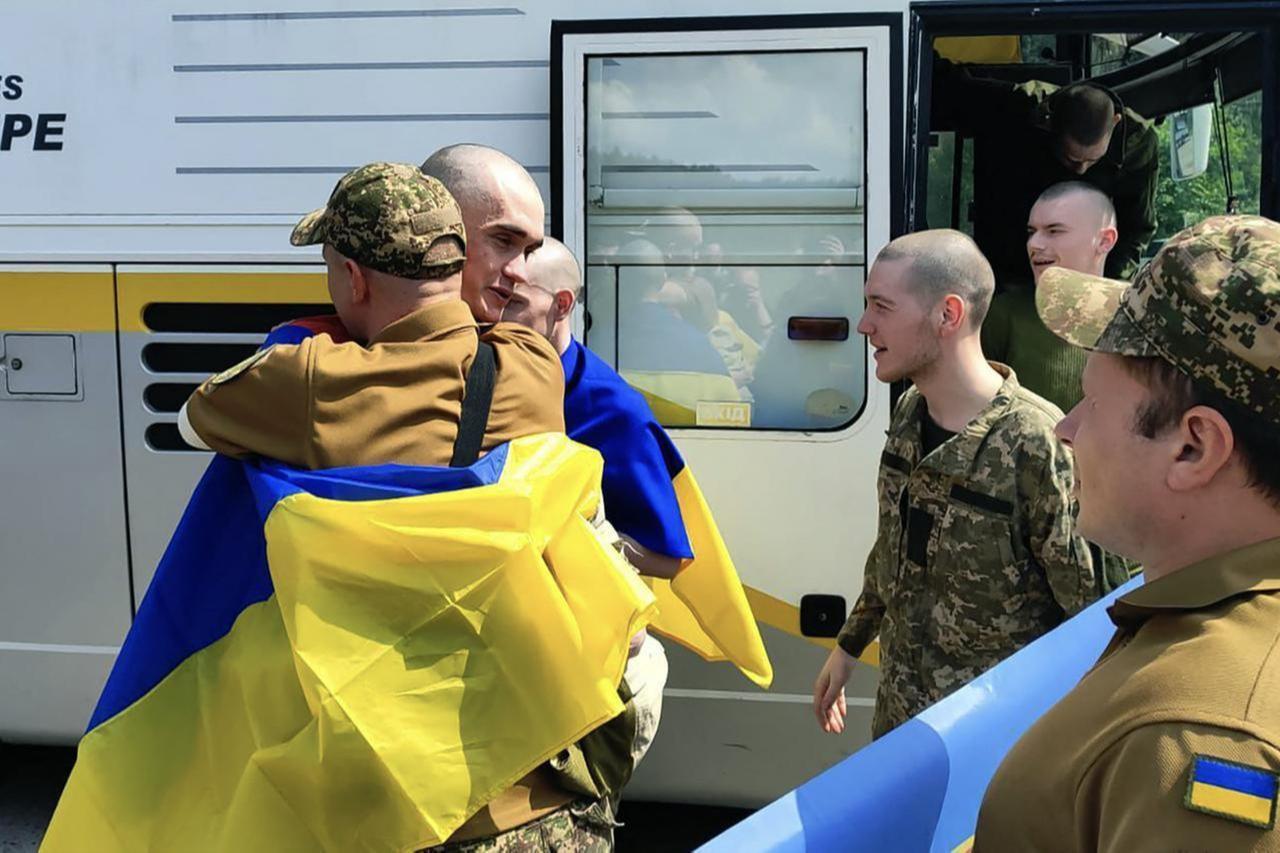
Ukraine has begun treating fertility support and childbirth incentives as national policy. Some efforts target civilians. Others focus on soldiers and war widows.
The Guardian reported that in January, Ukraine’s parliament increased a one-off payment to new mothers to 50,000 hryvnia ($1,156). It also introduced a new monthly subsidy of 7,000 hryvnia for pregnant women without a job.
The BBC reported on a separate response aimed at military families. Ukraine now funds cryopreservation for serving soldiers, allowing them to freeze sperm for future use. MP Oksana Dmitrieva, who helped draft the law, framed it as both support for soldiers and a demographic measure. “Our soldiers are defending our future, but may lose their own, so we wanted to give them that chance,” she told the BBC.
The policy has not run smoothly. The BBC reported that an early version of the law required clinics to destroy stored samples when a donor died, which triggered public backlash after a war widow tried to use her husband’s frozen sperm, and authorities blocked her.
Lawmakers later amended the rules. Samples can now be preserved for free for up to three years after death and remain available for a partner to use with prior written consent.
Even after changes, access can still depend on legal fights. Katerina Malyshko, whose husband Vitaly died after what she described as a direct hit by a guided bomb, had to go to court to gain the right to continue fertility treatment using stored embryos and sperm. A judge ruled in her favor after six months, she told the BBC. “Because it was our family,” she said.
Some families also navigate other wartime incentives and constraints. One law exempts fathers with three children from fighting and allows them to leave the country. Former head of obstetrics Kyrylo Ventskivsky acknowledged that some women tell him they have a third child partly for that reason.
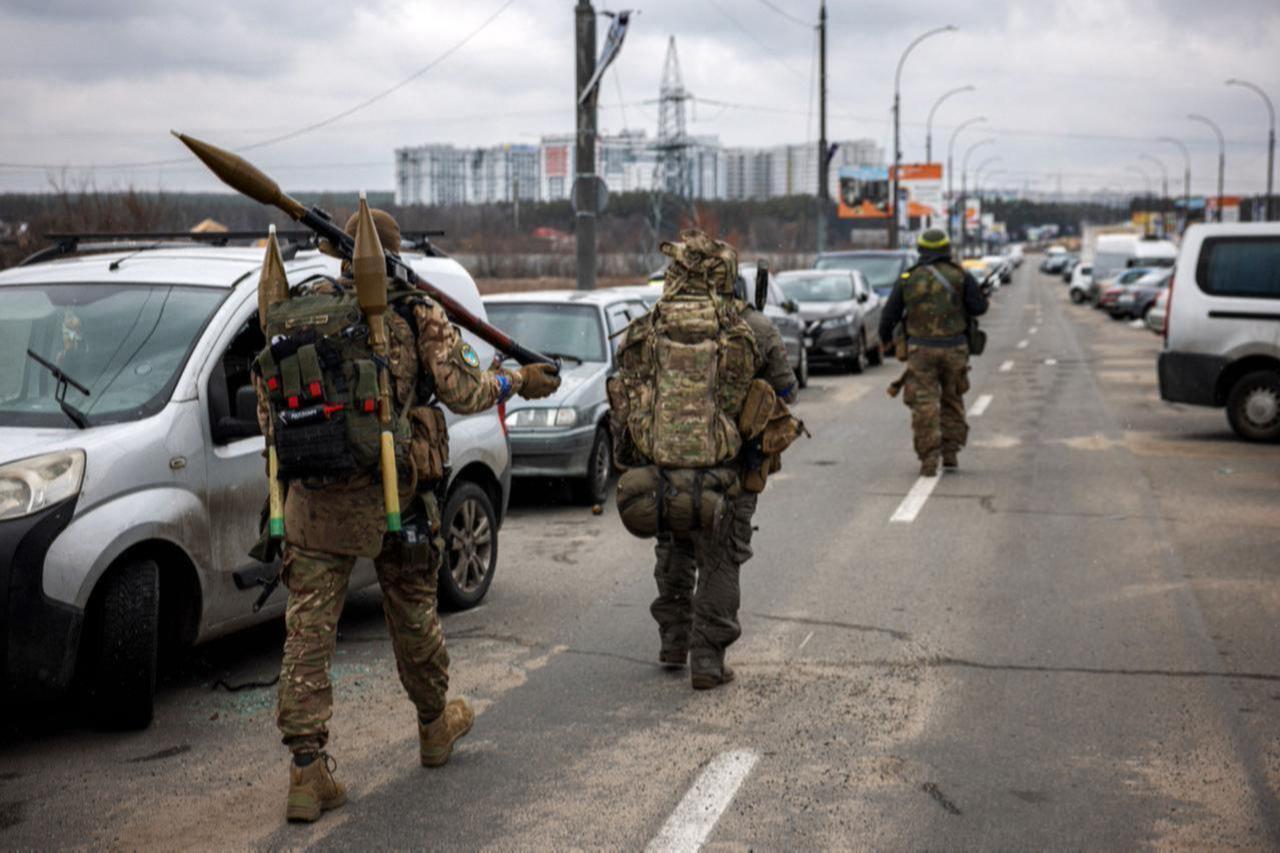
Ukrainians interviewed across the reporting often reject fatalism, even as they describe fear and exhaustion.
At Leleka maternity hospital near Kyiv, Valeriia Ivashchenko told The Guardian, “I don’t believe Ukraine will lose, ultimately.” Another mother, Ivanna Didur, called having a baby in wartime a “patriotic act,” saying she wanted to stay and raise children in Ukraine, The Guardian reported.
Experts still warn that births alone will not reverse a collapse if people do not return, if security remains unstable, and if war trauma continues to shape health and decision making.
Libanova told CNN that rebuilding will require workers and skilled people, and she doubts many skilled foreigners would arrive in large numbers.
Ukraine’s demographic future now sits inside the broader question of war duration, post war security, and whether displaced families see a safe reason to return.
The direction is not fixed.
The scale of the problem is already visible in the country’s shrinking population, falling births, and the policies Kyiv now treats as measures of national survival.


 Set as preferred source
 Set as preferred source



 4 min read