Newsletters


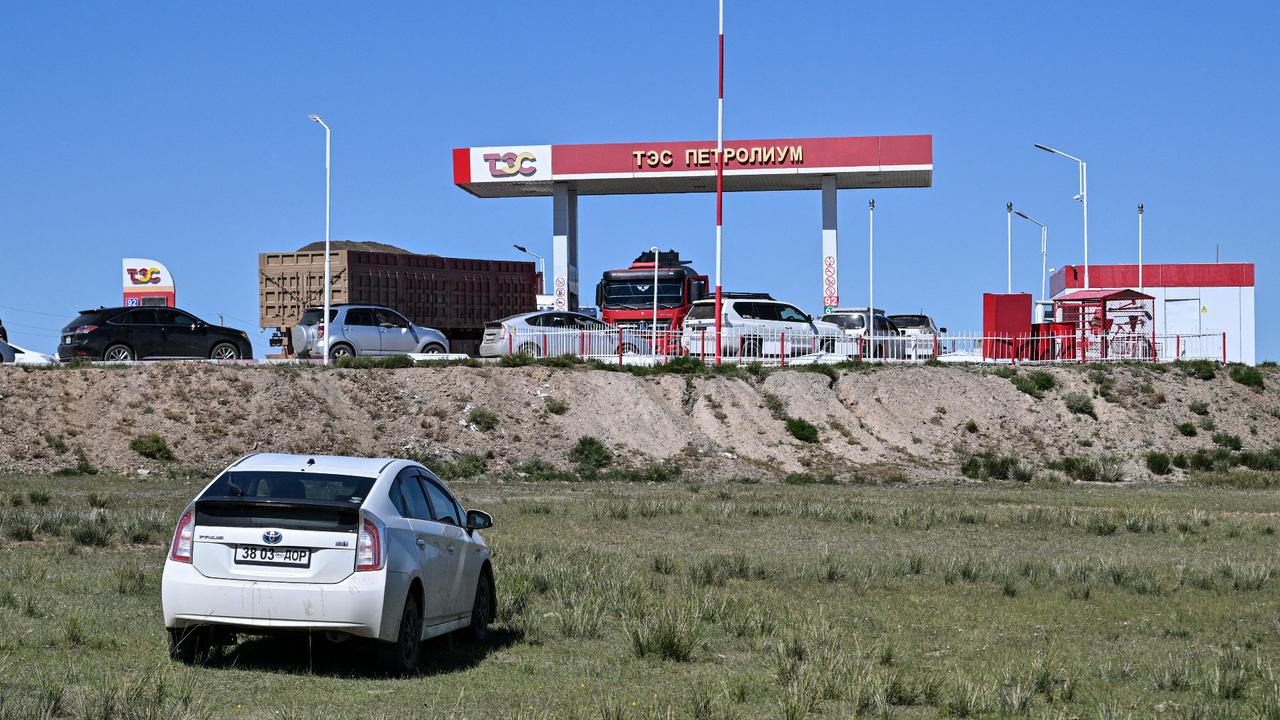
After waiting five hours for petrol, Mongolian pensioner Nasanjargal remains 10 places from the pump, with dozens of cars behind him in a queue stretching into the arid steppe.
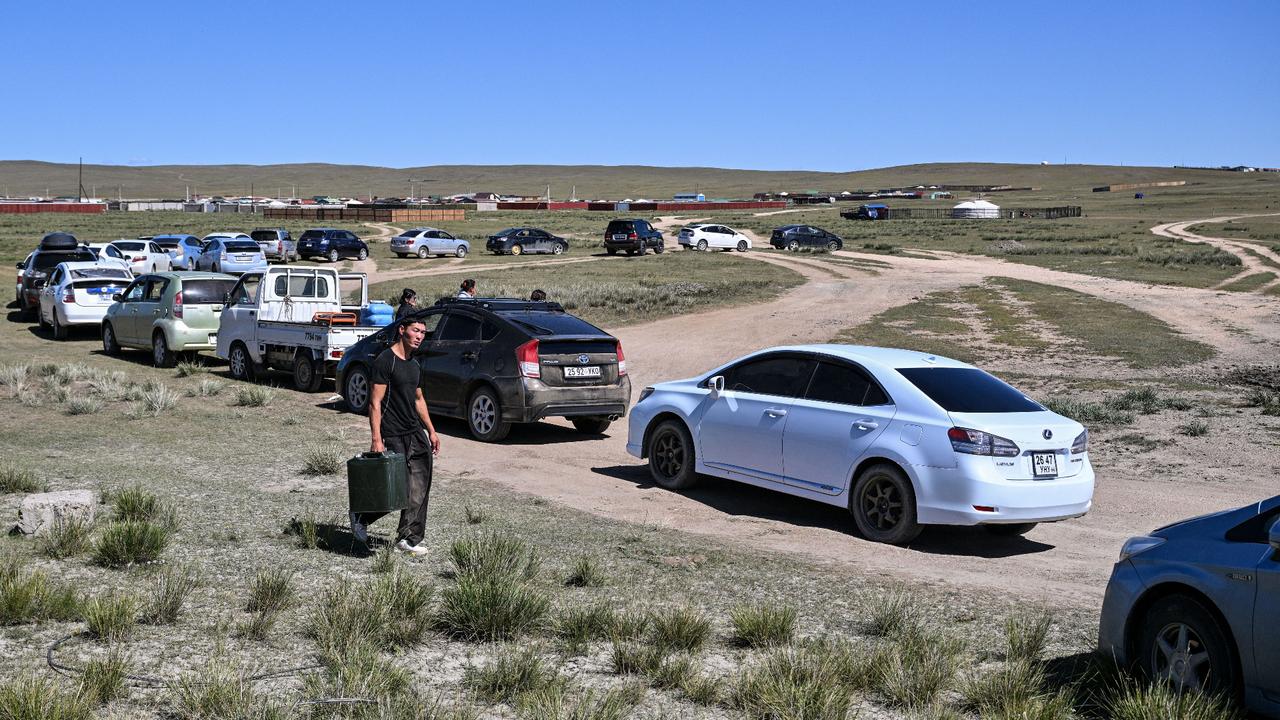
"Fuel is unavailable, there are huge queues everywhere," he told Agence France-Presse (AFP) from his motionless Toyota sedan after a one-and-a-half-hour drive from the capital, Ulaanbaatar.
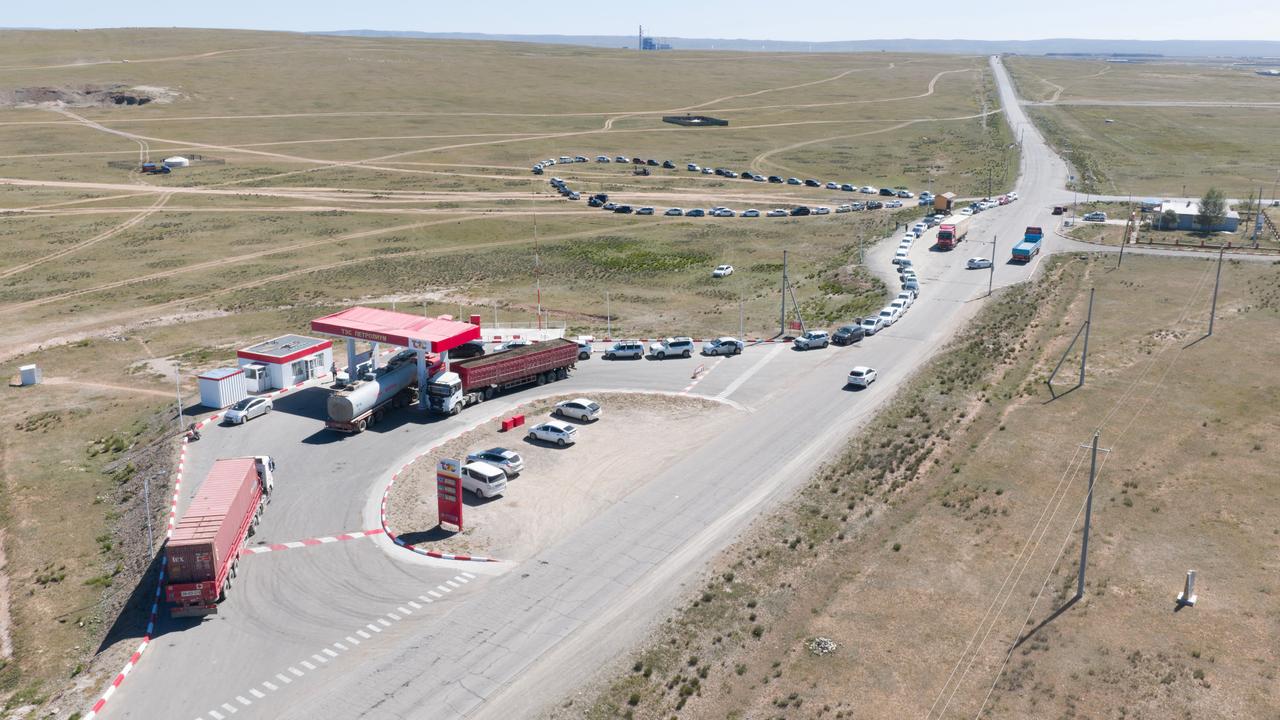
Wedged between Russia and China, landlocked Mongolia has long imported more than 95% of its petrol from its vast northern neighbor.
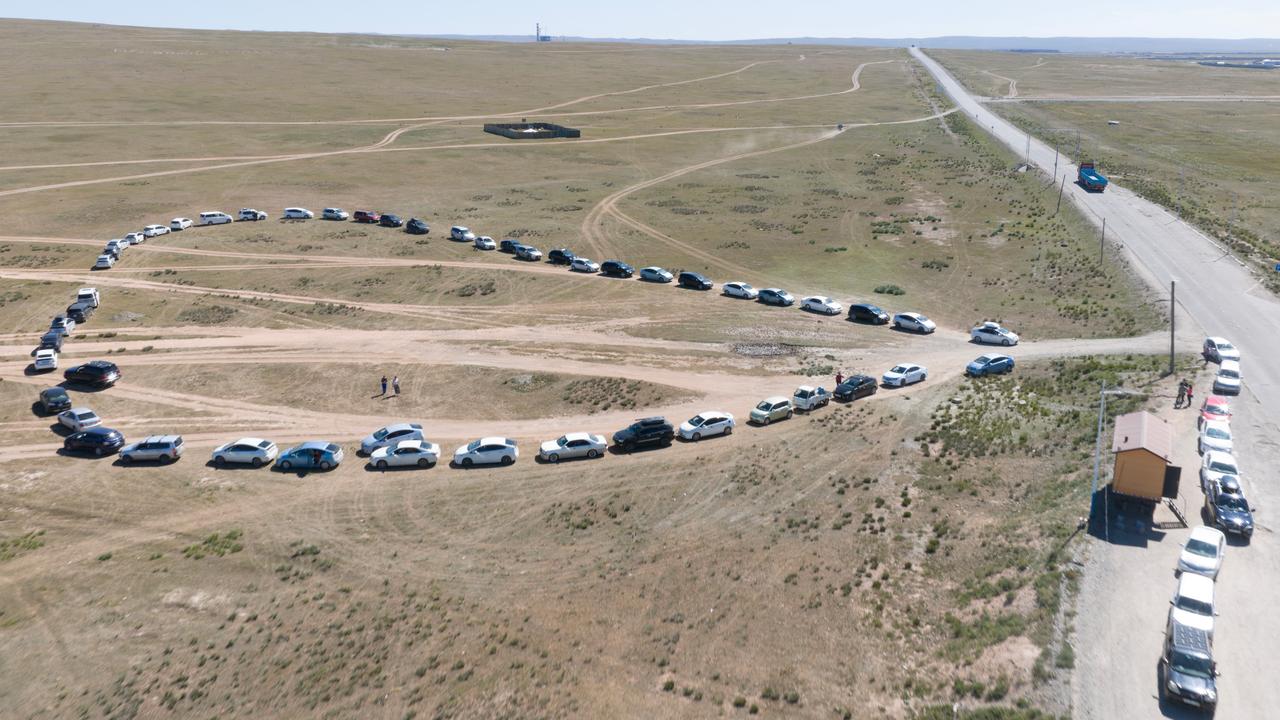
But Ukrainian strikes on Russian oil facilities have disrupted supplies in recent months, fueling a relentless fuel shortage that has drained Mongolia's limited stockpiles and raised questions about its energy security.
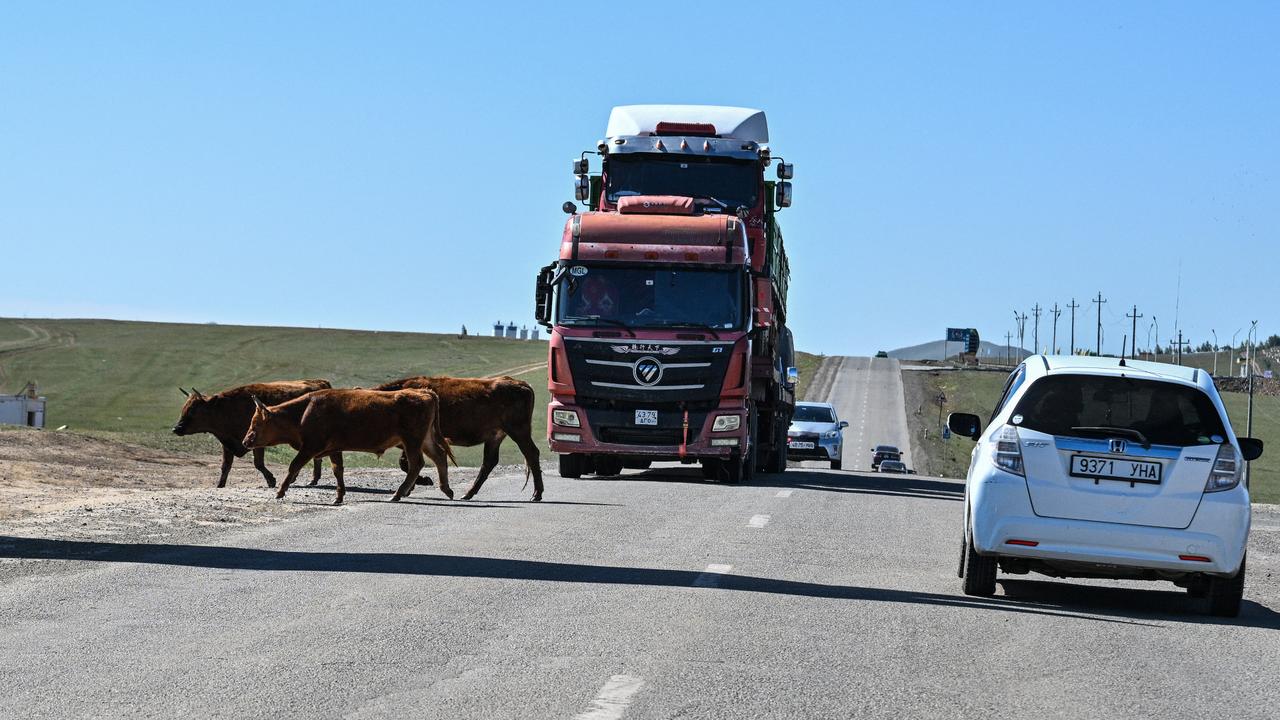
The shortages have disrupted logistics, driven up costs and ruined the plans of many Mongolians accustomed to taking advantage of the short summer season with a road trip in the picturesque countryside.
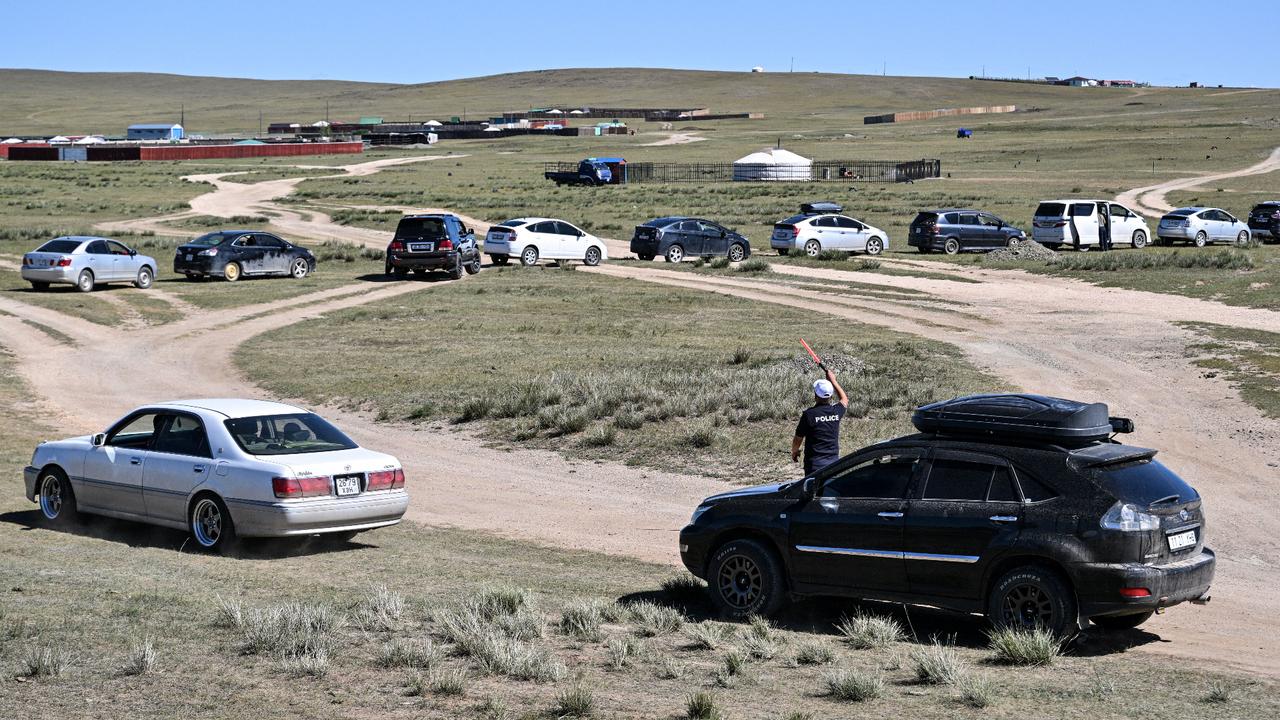
Nasanjargal, a former police officer who goes by one name, said he was "out of options."
"I headed out this way hoping things might be better out in the rural areas," he said, his young granddaughter shifting impatiently in the back seat. "It's the same story everywhere."
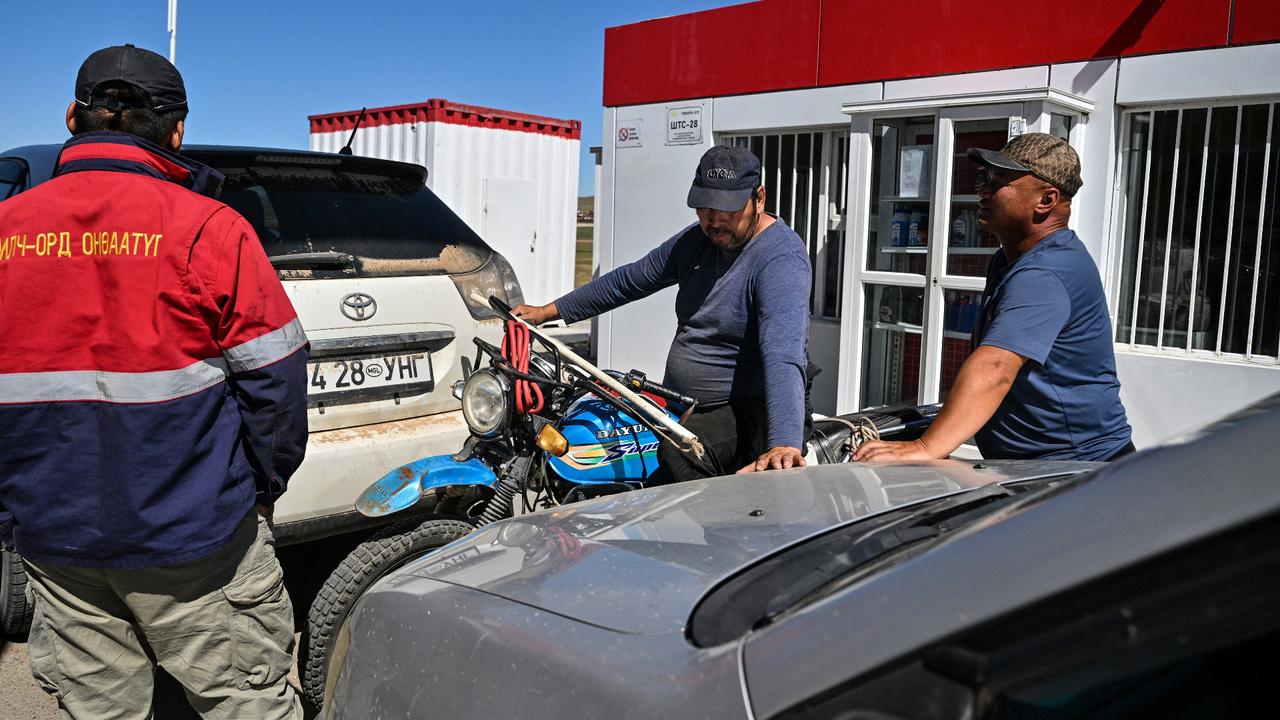
The prolonged crisis has piled pressure on Mongolian authorities to secure a steady fuel supply.
Government responses have included daily individual caps on fuel purchases, a ban on stockpiling and an alternating licence-plate scheme intended to reduce the number of cars filling up.
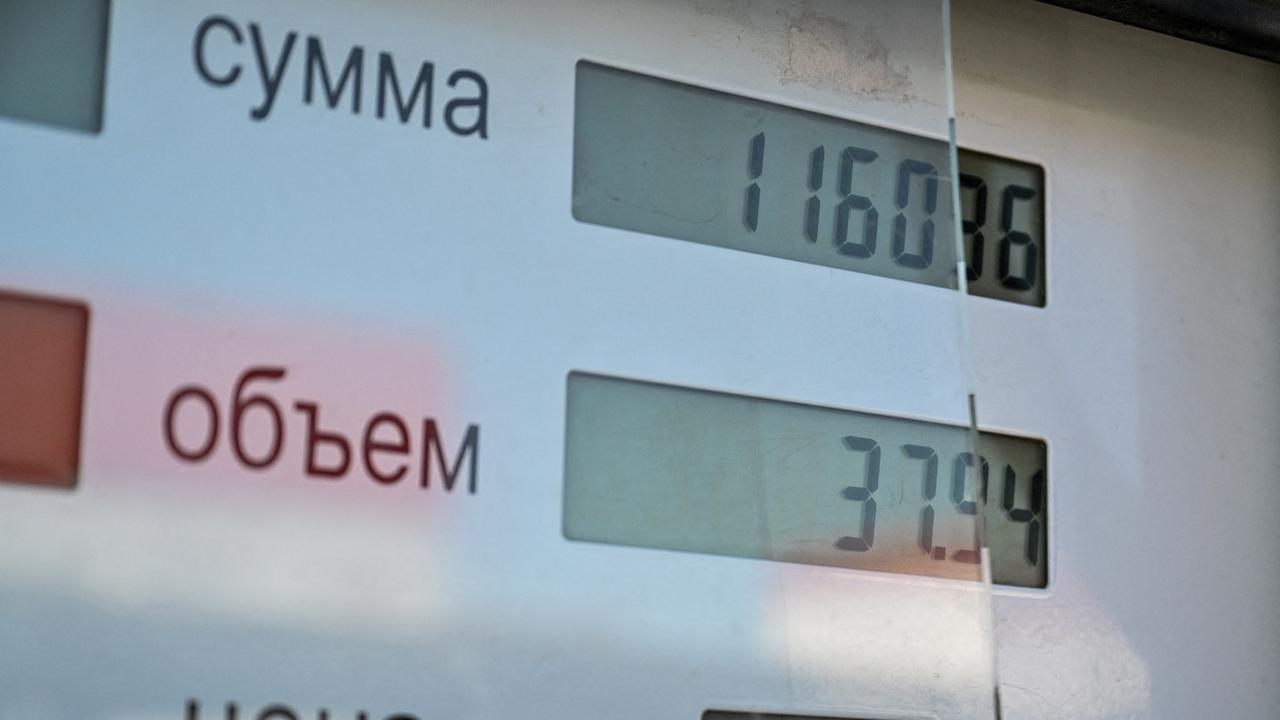
But rationing has frustrated many ordinary citizens, with Nasanjargal telling AFP that the lines are "very troublesome and extremely difficult overall."
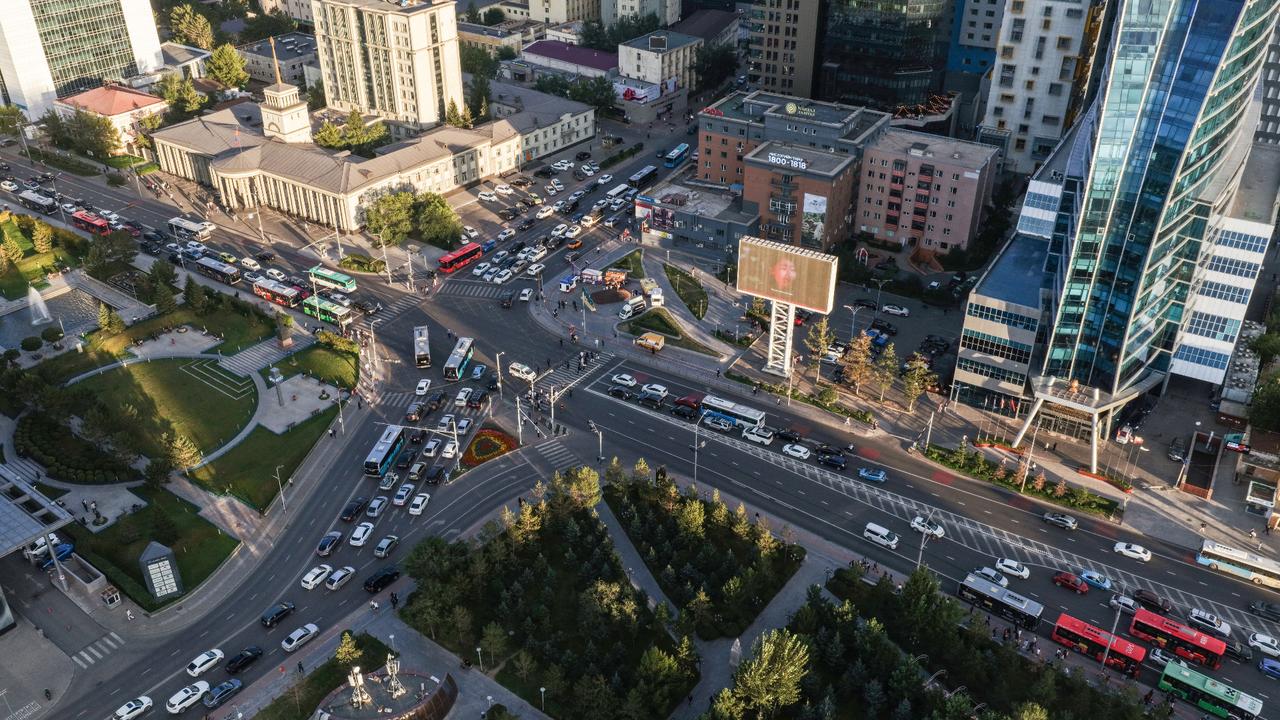
Beyond crowded Ulaanbaatar, notorious for its daily traffic, fuel shortages pose other challenges for rural, tourism-dependent regions.
Munkhchuluun Samdannyam, the governor of central Dundgovi province, told AFP that his local government's "first priority" was the needs of tourists and herders.
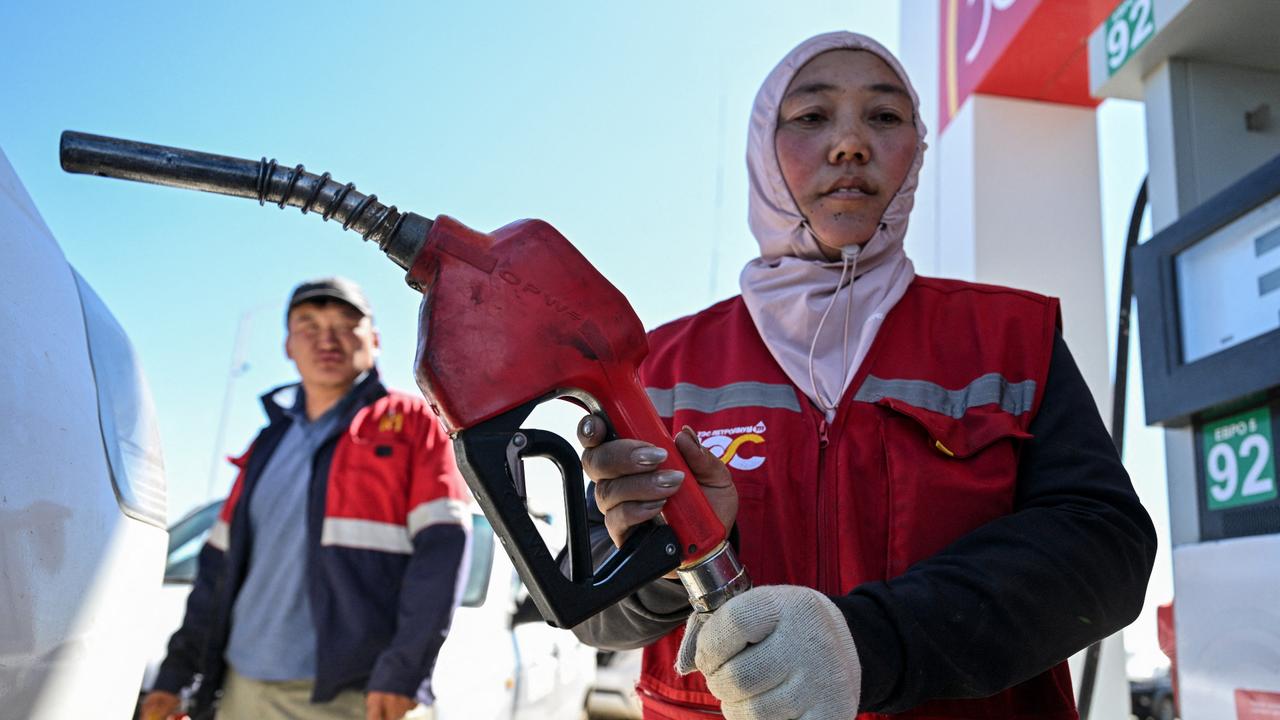
Under Gobi (Desert) conditions, herders do not draw water from wells by hand. They mostly use motors and pumps. "And to operate those motors, gasoline is necessary," Munkhchuluun said on the sidelines of an international summit on desertification hosted by Mongolia last month.
"For everyone else, we are trying to manage and coordinate the situation as best we can," he said.
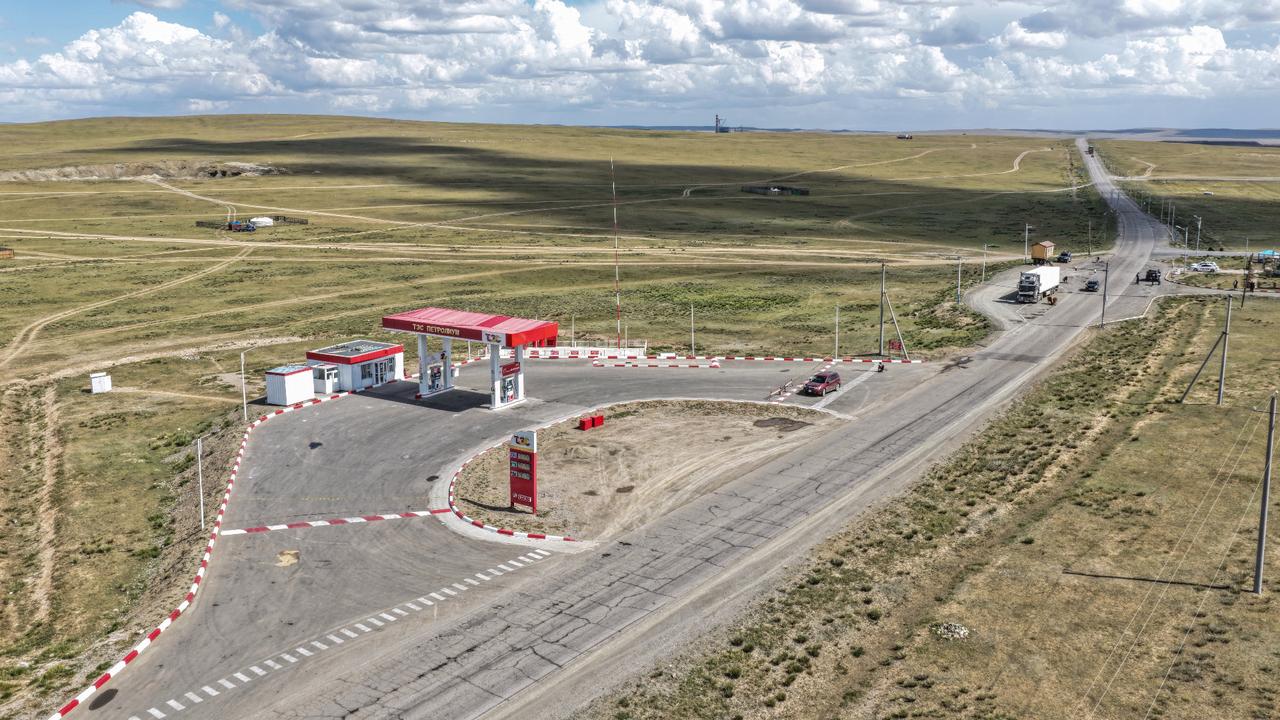
In one grassroots effort to ease the burden, an online platform now allows users to upload real-time updates on availability, prices and waiting times. But many pumps have simply shut down.
When AFP returned to the petrol station where Nasanjargal had been waiting two days later, it was only open to emergency vehicles.


 Set as preferred source


 1 min read