Newsletters


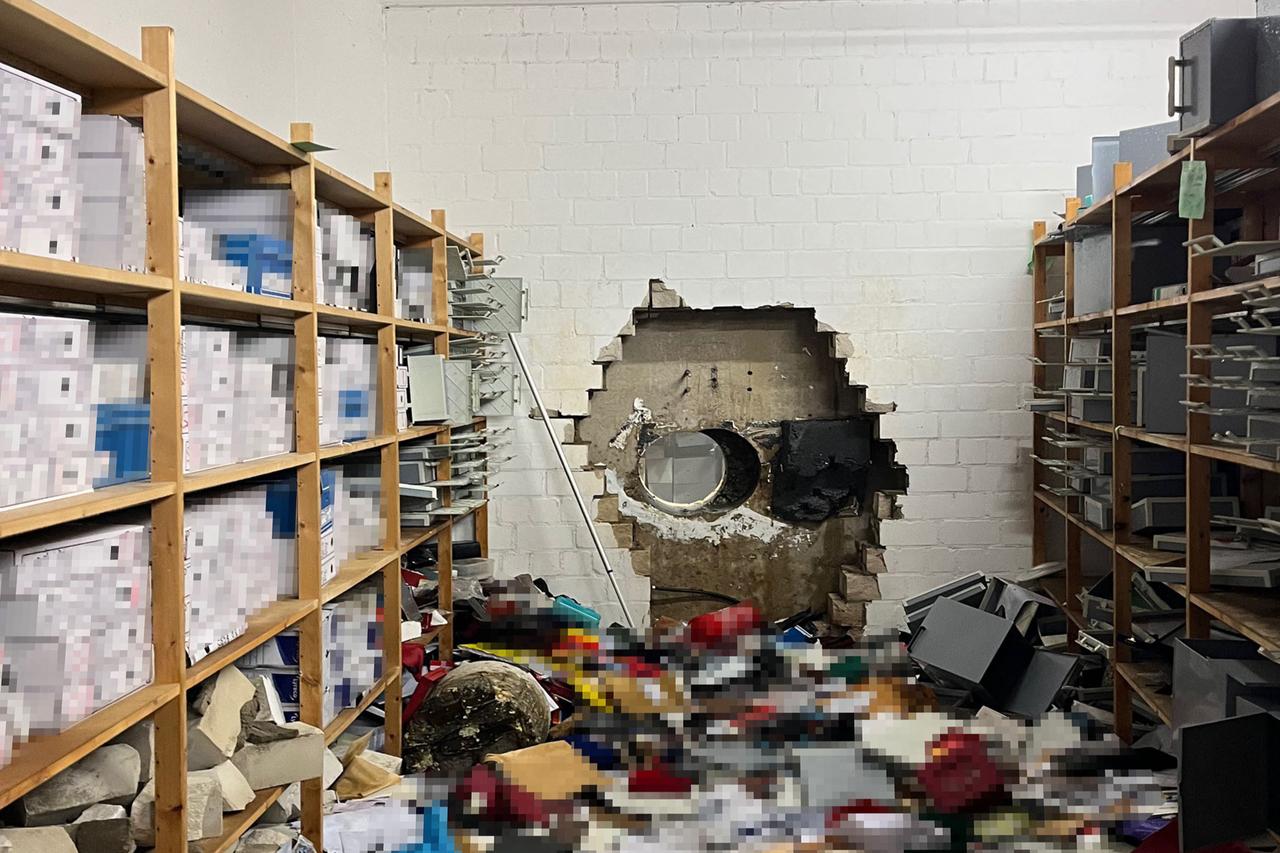


Victims of a massive bank vault heist in western Germany say thieves deliberately targeted a branch where approximately 95% of safe deposit boxes belonged to Turkish and Arab customers, raising questions about whether the December robbery was an inside job.
The Sparkasse bank branch in Gelsenkirchen, North Rhine-Westphalia, was broken into during the Christmas holiday period, with thieves accessing all 3,300 safe deposit boxes in the facility. While the bank's main vault remained untouched, customers' boxes were completely emptied in what victims describe as a sophisticated operation that may have required internal knowledge and assistance.
Unal Mete, one of the victims, expressed suspicion about why this particular branch was chosen. "I don't think it's a coincidence that this specific branch was selected," he said, noting that legal records clearly show the boxes were predominantly rented by Turkish and Arab clients, with names like Omer Faruk and Unal Mete in the rental contracts.
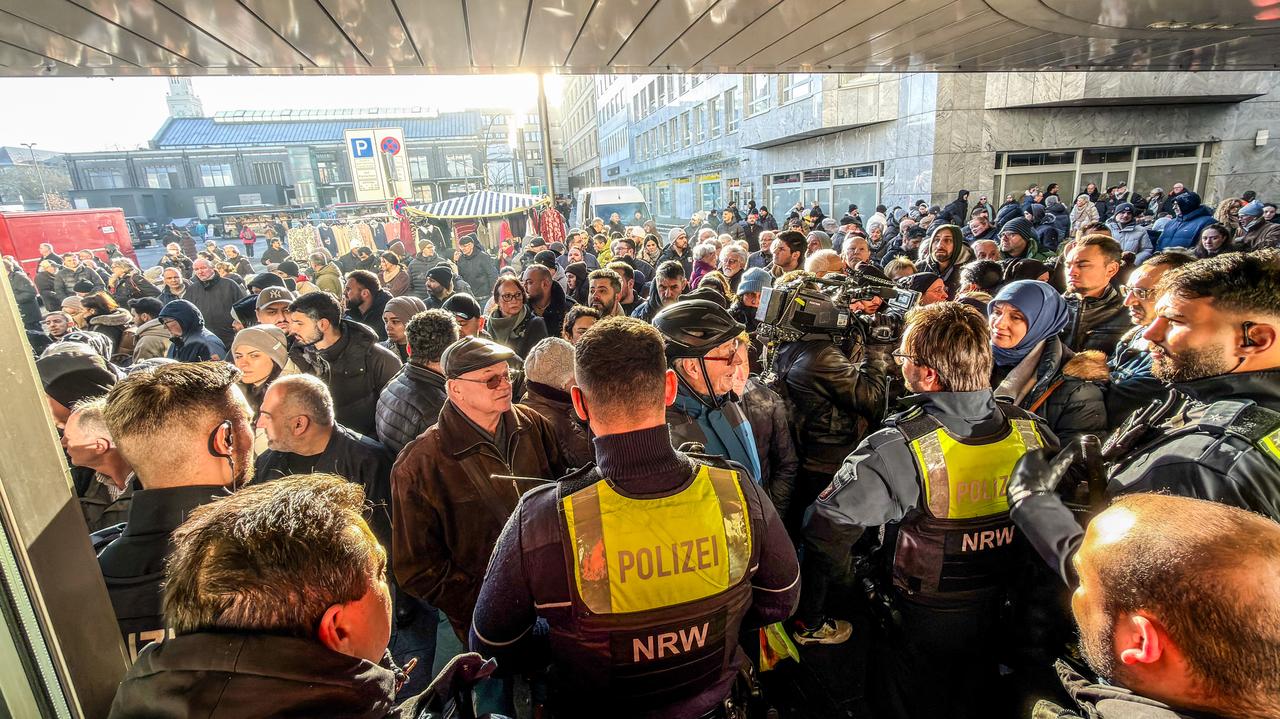
A victim advocacy group formed after the heist includes thousands of affected customers, with only one ethnic German among them. According to Mete, roughly 95% are Turkish and 5% are Arab.

Cihat Erdem Bostanci, a construction industry professional who lost valuables in the heist, pointed to the technical complexity of the operation as evidence of careful planning. "As seen in the footage, holes were drilled at two different points," he said, estimating that drilling through the bank's walls would require specialized equipment capable of penetrating approximately 400 millimeters of material.
Bostanci calculated that each drilling operation would take at least one hour and require between 200 and 400 liters of water, electrical power, and would generate noise levels around 100 decibels— comparable to a nightclub. "With that much dust, high noise levels, water and electricity usage, how did no one hear, sense or notice the vibration?" he asked.
The timingof the heist during the Christmas holiday period has also raised concerns. Bostanci noted that in Germany, even normal household drilling on weekends typically prompts police visits due to noise complaints, yet heavy industrial machinery apparently operated undetected during a major holiday.
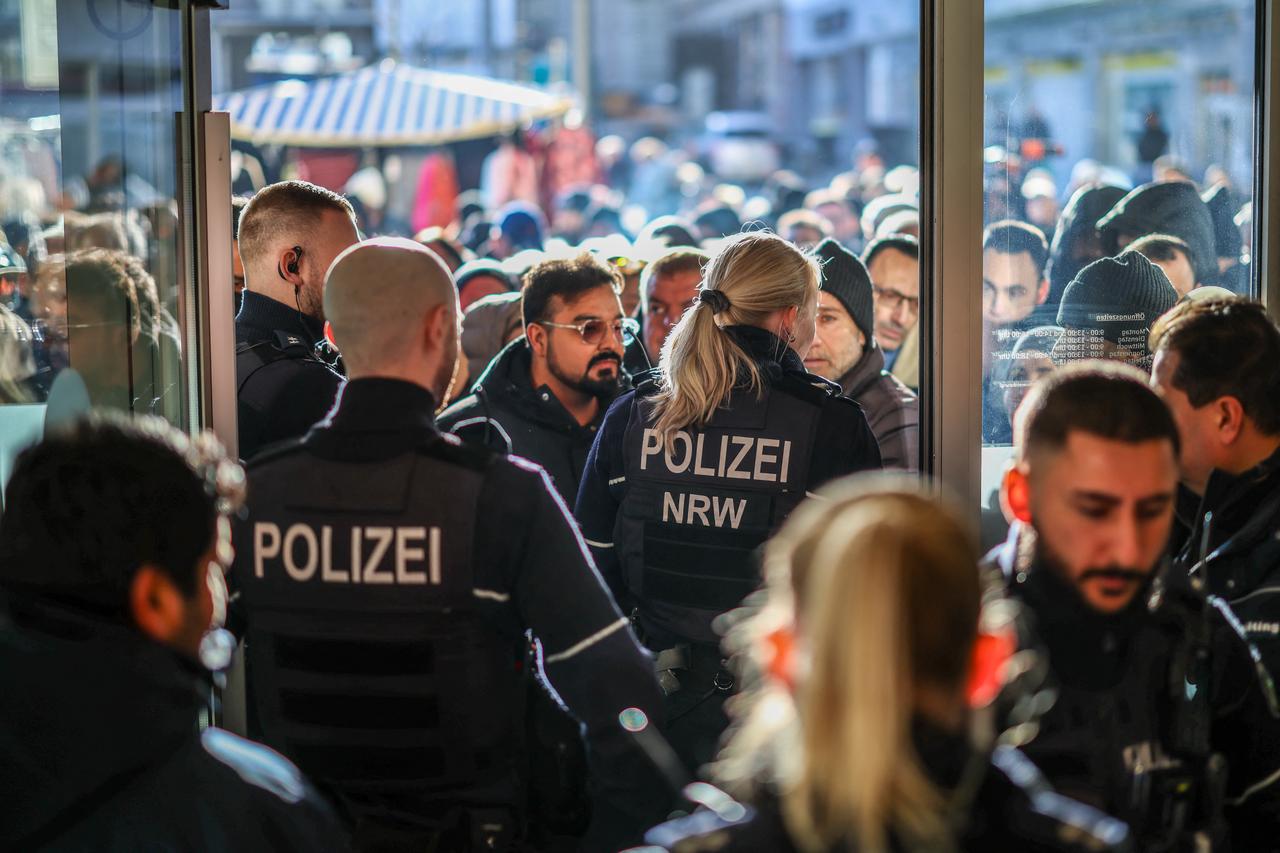
Multiple security failures have intensified victims' suspicions about potential inside involvement. The bank's alarm system reportedly did not activate during the break-in, despite a police station located just 200 meters away. Gungor Kalin, another victim, emphasized that police could have reached the scene within two minutes if the alarm had functioned.
Access to the crime scene presents another puzzle. Thieves entered through the bank's private parking garage, which requires a special card to open the barrier—access typically restricted to bank employees. "Someone used a card reader to get inside. Where was this card obtained?" Kalin asked.
Emre Yildirim, whose family has used the institution for three generations, expressed frustration with the lack of official response from Sparkasse, a state-owned bank controlled by local government. "No official statement has been made. Neither the mayor nor his deputies came," he said, calling the silence a scandal given the scale of the theft.
Yildirim recounted that when he previously attempted to increase his insurance coverage, bank staff refused, assuring him that "no thief can get through this door, no one can rob this bank." He added that victims learned one alarm did trigger during the heist, prompting a fire department response, but the crew reportedly left without even exiting their vehicle.
The bank provided only basic insurance coverage of 10,000 euros per box when customers rented the storage units. Mete emphasized that many victims stored far more valuable items, including gold jewelry acquired at weddings or purchased with cash, for which formal documentation would be impossible to provide.
According to Mete, bank officials have told victims they must provide receipts for the contents of their boxes to prove losses—a requirement victims say is unrealistic for items like wedding gifts or cash purchases made over many years. Meanwhile, the bank has allegedly made no proactive contact with affected customers.
Victims characterized the official German response as treating the incident as a routine criminal matter rather than a major security failure affecting thousands of people. Mete noted that neither German government authorities nor the bank has taken steps to address the victims' losses beyond the minimal insurance coverage.
The victims are calling for legal support from Türkiye's government. "We are expatriate citizens and all our dreams were destroyed with this incident," Mete said. "First of all, we are requesting our own country, our elders, to stand by us in this legal process."
Kalin stated bluntly that he believes major institutions were involved in the heist, pointing to what he sees as complicity or at a minimum severe negligence by the bank. He also criticized German media coverage, saying that when reporters interview victims, much of their testimony is edited out of broadcasts.
Yildirim concluded that multiple parties may have been involved in the operation. "I think not only the perpetrators, but also some employees at the bank and even some people working in security units may have had a hand in this," he said, questioning how thieves could navigate so precisely to the vault room location.


 Set as preferred source
 Set as preferred source


 1 min read

 1 min read