Newsletters




Singapore’s economy will slow this year and inflation will be higher as the Middle East crisis keeps the Strait of Hormuz closed, Prime Minister Lawrence Wong warned Friday in a Labor Day speech.
Wong said the war was not expected “to be over anytime soon” and warned that supply disruptions could worsen in the months ahead, putting pressure on businesses, workers and households.
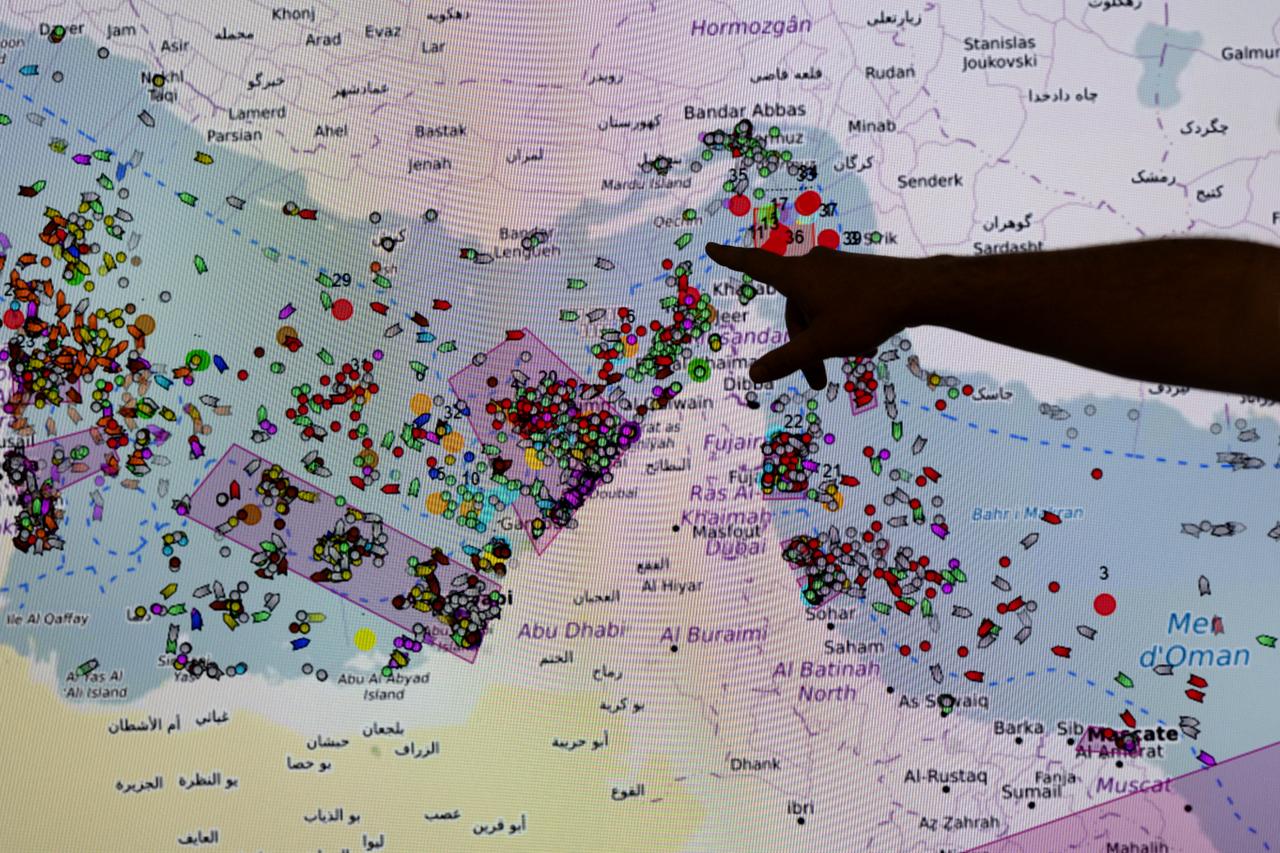
The Strait of Hormuz, a key shipping route that handles a fifth of global oil and gas, has been effectively closed since the U.S. and Israel began bombing Iran on Feb. 28.
“Here in Asia, we are especially affected because of our high dependence on energy and other critical supplies from the Gulf,” Wong said.
He said some countries in the region were already facing fuel shortages, while airlines had reduced flights and factories were reporting delays.
Wong warned that the impact would not be limited to energy markets.
“Globally, inflation will rise, spreading from energy to food and then other essentials. Some economies may well slip into recession, and Singapore will feel the impact directly,” he said.
“Our growth this year will slow, and inflation will be higher, and all this will put real pressure on businesses, workers and households.”
Wong did not provide new growth or inflation figures in his speech.
Singapore’s trade ministry said in February that it expected the economy to expand by 2% to 4% this year, up from its previous forecast of 1% to 3%.
“We must brace ourselves and be prepared for a more difficult period ahead. And I want to be upfront with all of you so that we are mentally prepared,” Wong said.
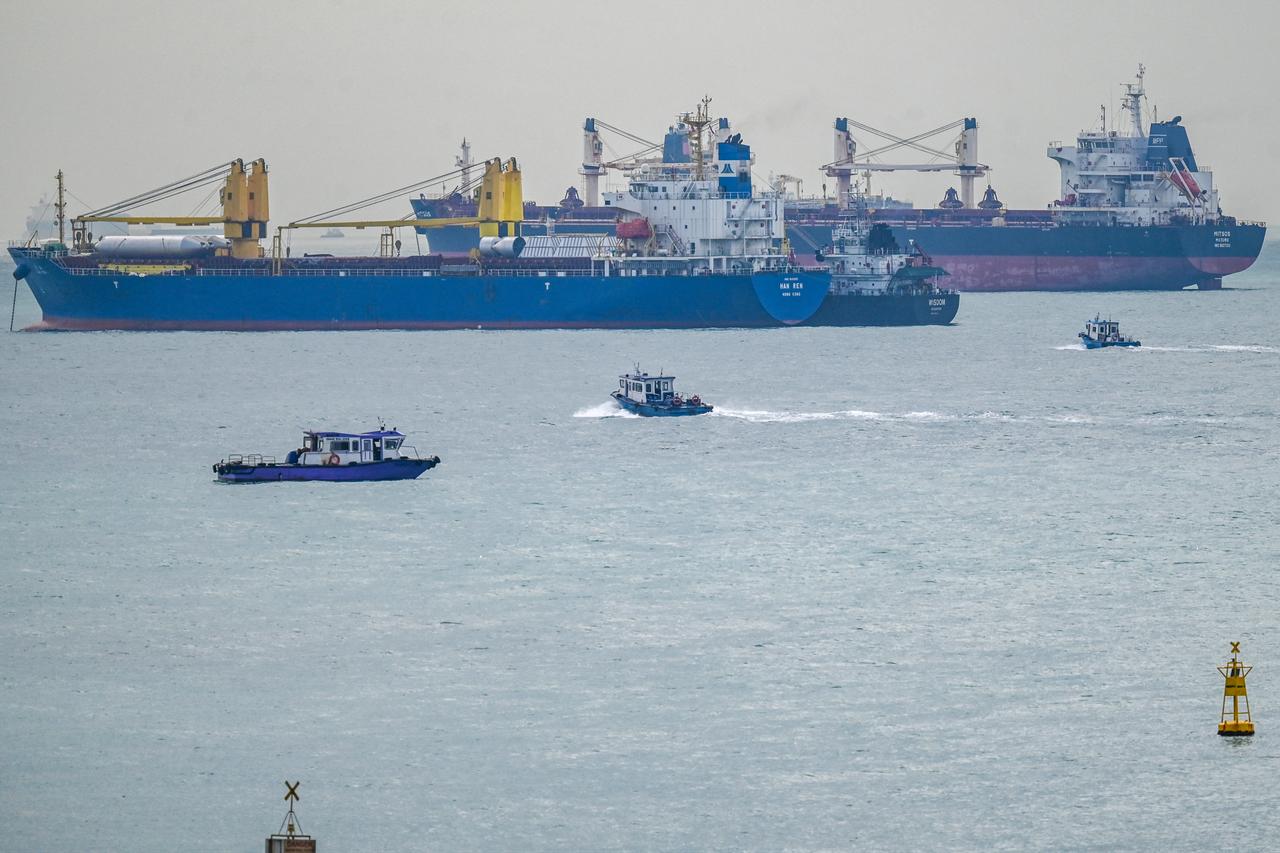

Despite the risks, Wong said Singapore was facing the crisis from a position of strength because of earlier policies aimed at building energy resilience.
He cited Singapore’s role as a major oil-refining hub and energy-trading center as part of that resilience.
Wong also warned that even if the Strait of Hormuz reopens, conditions may not return to normal immediately.
“Ports and energy infrastructure have been damaged. Shipping lanes will need to be cleared of mines,” he said.
He said confidence would also need to be restored before shipping could resume fully.
“Confidence must be restored that it is safe for ships to sail through, that insurance can be obtained, and people are prepared to take risks to go through the Strait,” Wong said.


 Set as preferred source
 Set as preferred source


 1 min read
 1 min read