Newsletters


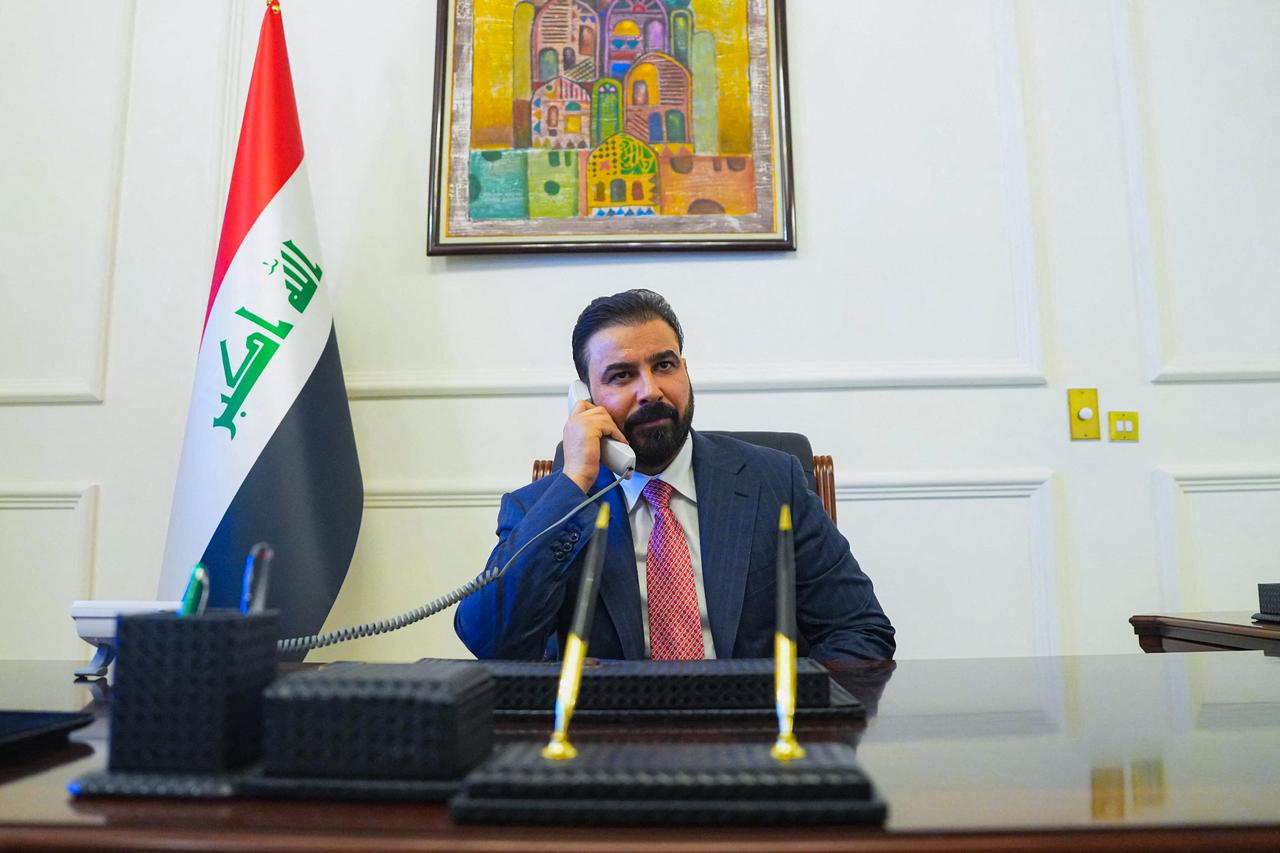


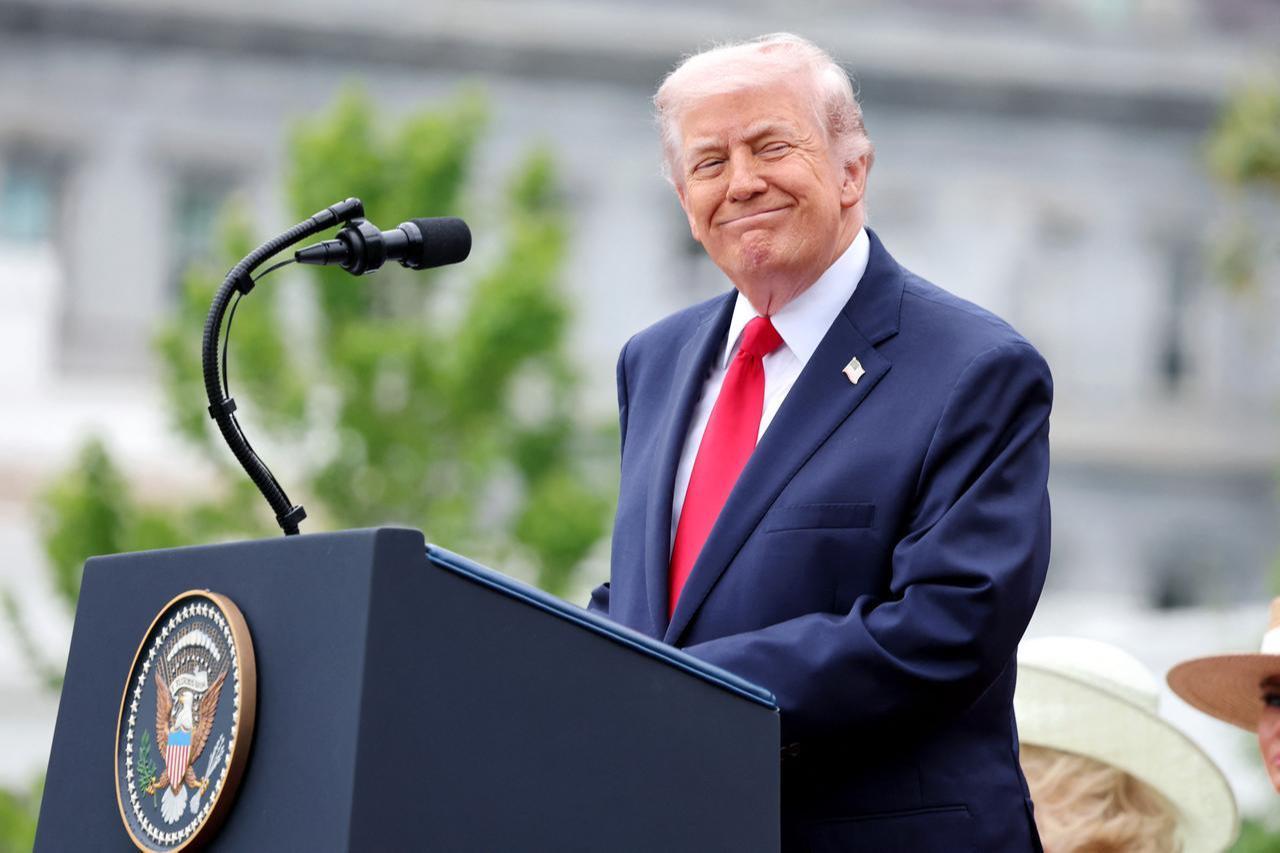
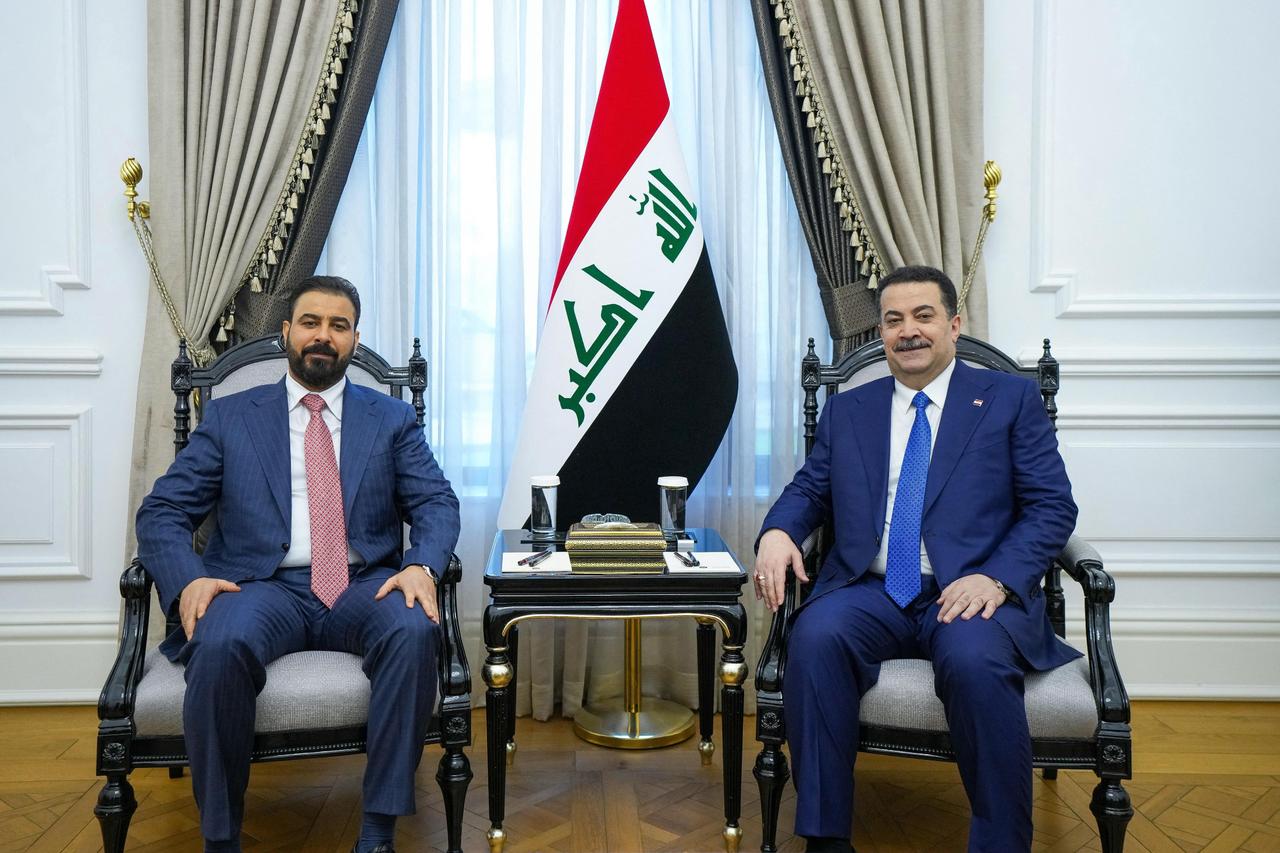
US President Donald Trump called Iraq's newly nominated prime minister-designate Ali al-Zaidi on Thursday to congratulate him on his designation and invite him to the White House once his government is formed, capping a months-long diplomatic standoff that had left Baghdad's political future in limbo.
Zaidi's office confirmed the conversation, saying Trump extended an "official invitation to visit Washington following the formation of the government." The two men discussed "the strategic bilateral relations between Iraq and the United States" and explored bilateral cooperation aimed at reinforcing regional stability.
Trump, posting on his Truth Social platform, called it the start of "a tremendous new chapter between our nations" and wished Zaidi success as he works to form what Trump described as "a new government free from terrorism."

Five months after legislative elections, Iraqi President Nizar Amede formally nominated Zaidi, a businessman, as prime minister-designate on Monday, giving him 30 days to assemble a cabinet amid fierce political wrangling.
The path to Zaidi's nomination was paved largely by Trump, whose open hostility toward former two-time premier Nouri al-Maliki effectively disqualified the frontrunner. Maliki's close ties to Iran made him unacceptable to Washington, and Trump had threatened to withdraw all US support if he ascended to the premiership, pushing Iraqi leaders to look elsewhere.
Iraq's delicate position between Washington and Tehran reflects a tension that dates to the US-led invasion of 2003, which toppled Saddam Hussein but simultaneously opened the door for neighboring Iran to build significant influence inside the country. Successive Iraqi governments have since struggled to maintain workable relations with both powers.
The new premier will inherit a pressing set of demands from Washington. Chief among them is the longstanding US insistence that Baghdad move against Iran-backed armed groups, which Washington designates as terrorist organizations.
During what was described as a joint US-Israeli military campaign against Iran, several of those groups targeted American interests inside Iraq, including the US Embassy in Baghdad, a diplomatic and logistics facility at the capital's airport, and oil fields operated by foreign companies. US forces struck back, hitting the groups' positions and killing dozens of fighters.
Washington has also been applying financial pressure on Baghdad to act. According to US media reports, the administration suspended cash shipments and froze funding for Iraqi security programs.
In the past two weeks, the State Department offered rewards for information on three leaders of the Iran-affiliated factions, a further sign of Washington's intent to ratchet up pressure.
The clock is now ticking for Zaidi. Forming a coalition cabinet in Iraq has historically been an arduous process, requiring the balancing of competing sectarian, ethnic, and political interests, in addition to navigating the expectations of external powers with stakes in the outcome.
Trump's call and the warmth of his public statement suggest Washington is prepared to invest in the relationship, but the terms are unlikely to be without conditions.
Zaidi will need to manage expectations from both the United States, which sees neutralizing Iran-linked armed groups as a prerequisite for normal ties, and domestic constituencies with their own loyalties and calculations.


 Set as preferred source
 Set as preferred source


 1 min read
 1 min read