

 Newsletters





U.S. Defense Secretary Pete Hegseth urged Congress Thursday to approve at least $350 billion in additional military funding, defending President Donald Trump's defense policies as he faces mounting criticism, a renewed impeachment threat and reports that the White House is considering his replacement.
In a lengthy video message posted on social media, Hegseth reaffirmed his commitment to Trump's military agenda, saying the administration had refocused the Pentagon on combat readiness and military capabilities.
"The next few months and years are critical for our department and our republic. This is about the president's America First agenda. This is about our department's peace through strength agenda," Hegseth said.
He credited Trump with restoring what he described as the Defense Department's core mission of warfighting, citing the elimination of diversity, equity and inclusion (DEI) programs, the dismissal of military leaders deemed ineffective, stronger global deterrence and increased recruitment.
Hegseth also defended the administration's military campaign against Iran, describing it as a "courageous and historic effort" that he believes will prevent Tehran from acquiring nuclear weapons.
His remarks came after Republicans lost control of both chambers of Congress in the Nov. 3 midterm elections, intensifying scrutiny of the administration's military operations and spending.
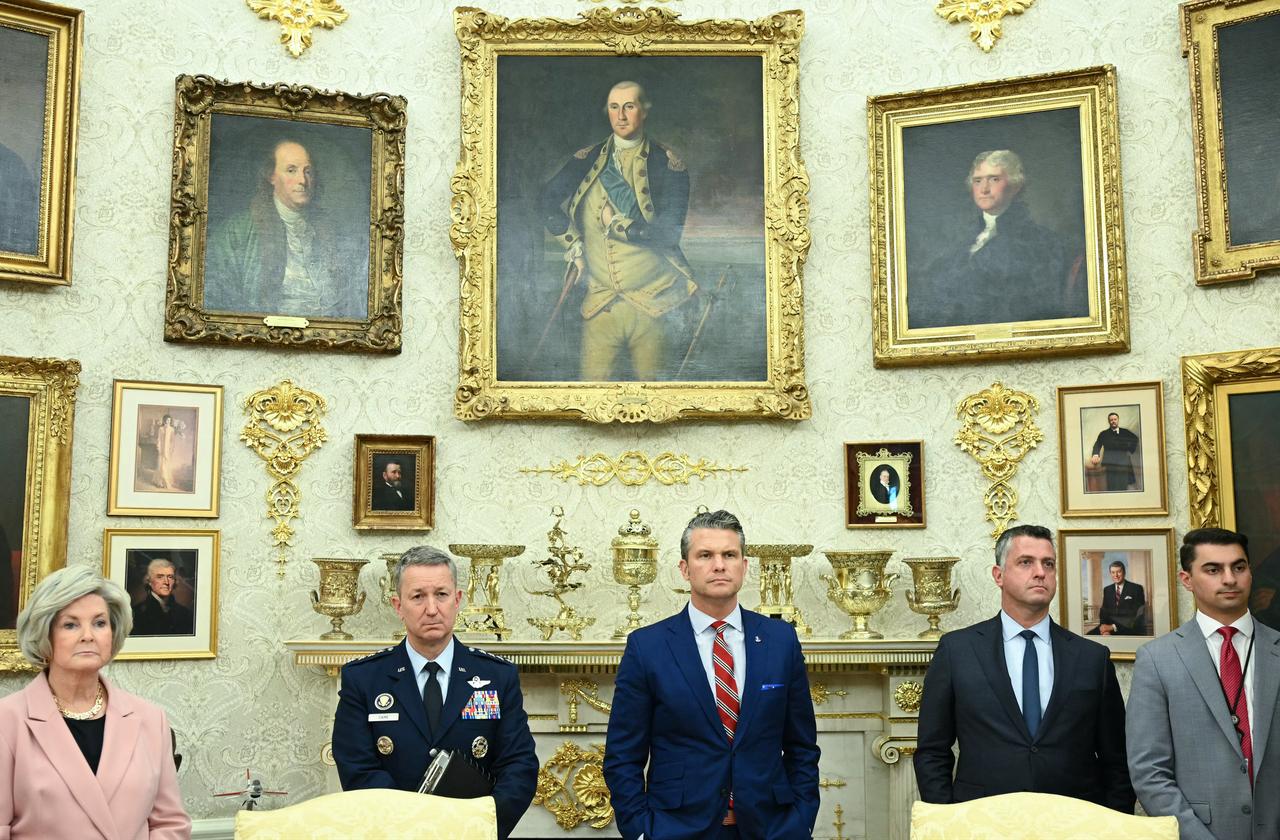

Hegseth called on lawmakers to approve a reconciliation package providing at least $350 billion in additional military funding, describing the proposed expenditure as essential to maintaining U.S. military capabilities.
"The Department of War must be funded to meet the moment right now. That includes a generational investment, a reconciliation bill of at least $350 billion, to keep this department, our country, way ahead in a dangerous world," he said.
Trump has renamed the Defense Department the Department of War, a designation Hegseth used throughout his remarks.
The defense secretary argued that military rebuilding should continue regardless of political disagreements over the administration's policies.
"We need every vote from every patriotic member of Congress," he said.
Hegseth also rejected efforts to impeach him, dismissing the allegations against him as political theater.
"They attack me, they attack us, because we are effective. It's not going to work. We will not back down," he said.
Comparing the efforts to the two impeachment proceedings against Trump, Hegseth accused Democrats of using political investigations against their opponents.
“Didn't work against President Trump, and it won't work with me," he said.
However, criticism of Hegseth has also come from within the Republican Party.
Rep. Thomas Massie of Kentucky, a vocal Republican critic of the war against Iran, introduced a resolution in September seeking Hegseth's impeachment.
Following the midterm elections, Massie said he intended to force a House vote on the articles of impeachment as early as next week unless the defense secretary resigned.
“There is one contingency in which I won’t reintroduce the articles of impeachment: Hegseth resigns," Massie wrote on X.
Hegseth has faced criticism from lawmakers in both parties over the administration's conduct of military operations, the transparency of its decisions and the financial costs of the Iran war.
 1 min read
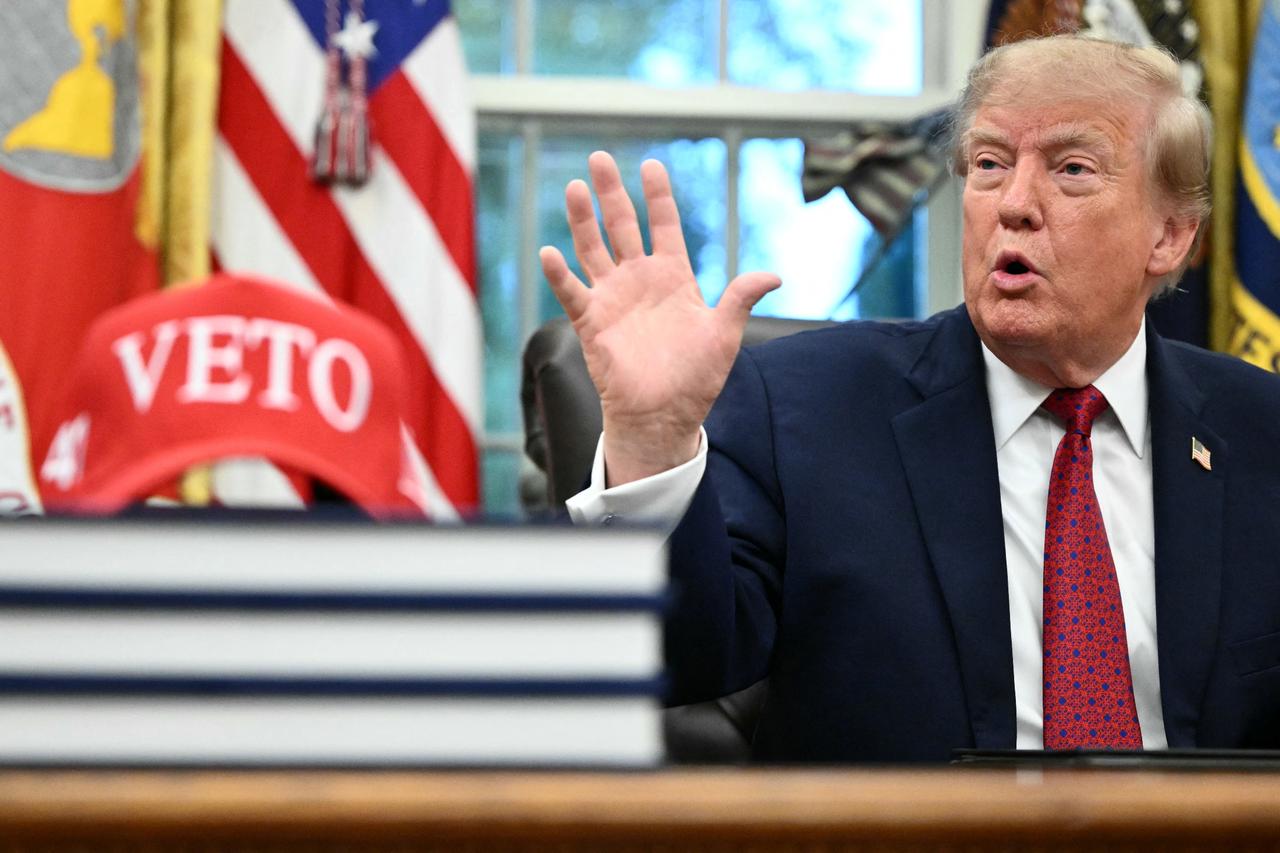
Meanwhile, NBC News reported Thursday that Trump had privately discussed the possibility of replacing Hegseth with several allies in recent days.
The report came amid questions about the defense secretary's future following the Republican election defeat and growing congressional criticism of the administration's military policies.
Trump, however, publicly rejected speculation about Hegseth's possible departure Wednesday.
Asked by reporters whether he planned to replace the Pentagon chief, Trump responded: "No, he's doing a very good job."
The president's remarks contrasted with the reported private discussions about possible successors.
The White House has not indicated that a leadership change is imminent.
Hegseth, meanwhile, has maintained that the Pentagon will continue pursuing Trump's military priorities despite the political challenges facing the administration.


 Set as preferred source
 Set as preferred source


 1 min read


