Newsletters


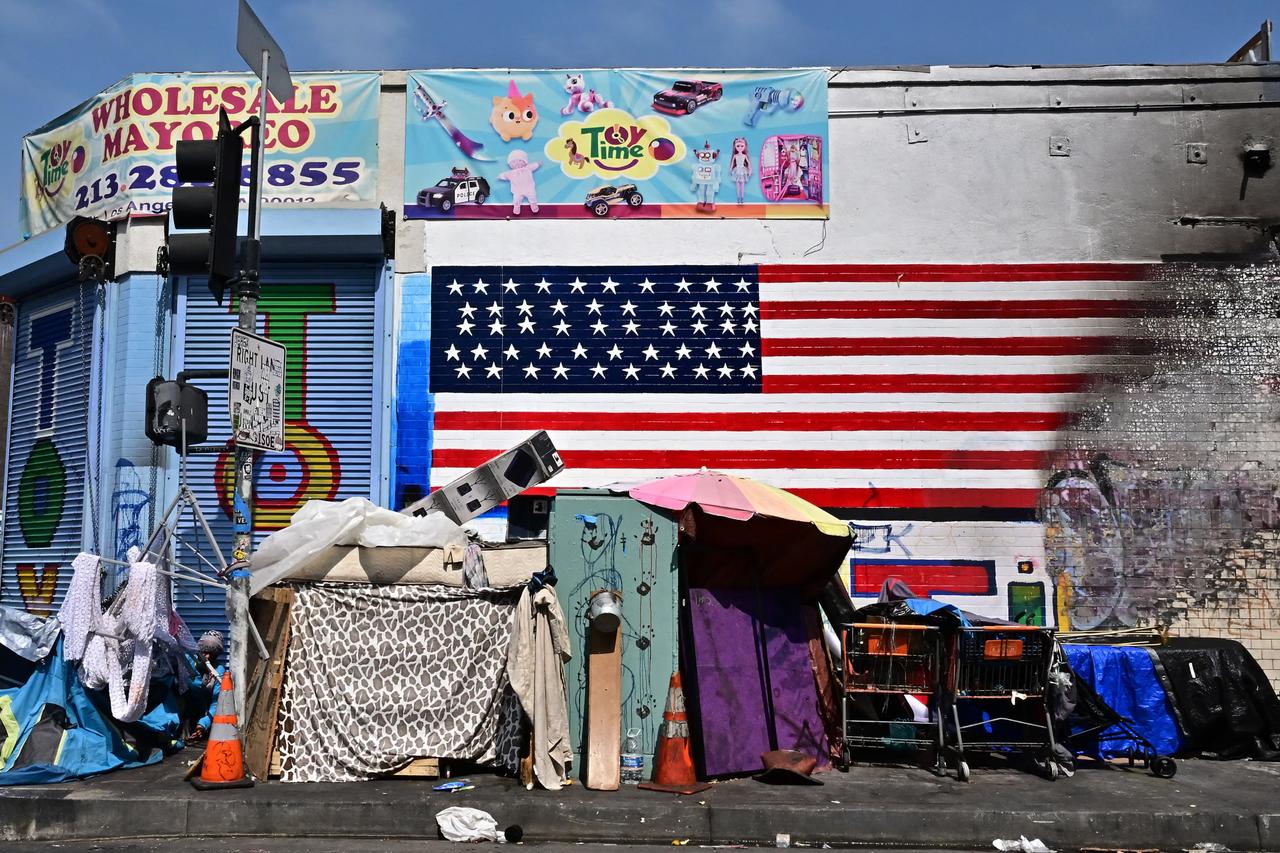


Homelessness in America has outlasted four presidents, a dozen task forces, and more policy proposals than anyone can count.
Every administration has taken its turn promising a fix; every administration has handed the problem to the next one, mostly unchanged. This year, something different happened: the number actually went down. Not by much, and not for reasons anyone fully agrees on—but enough to turn a grim statistic into a genuine argument.
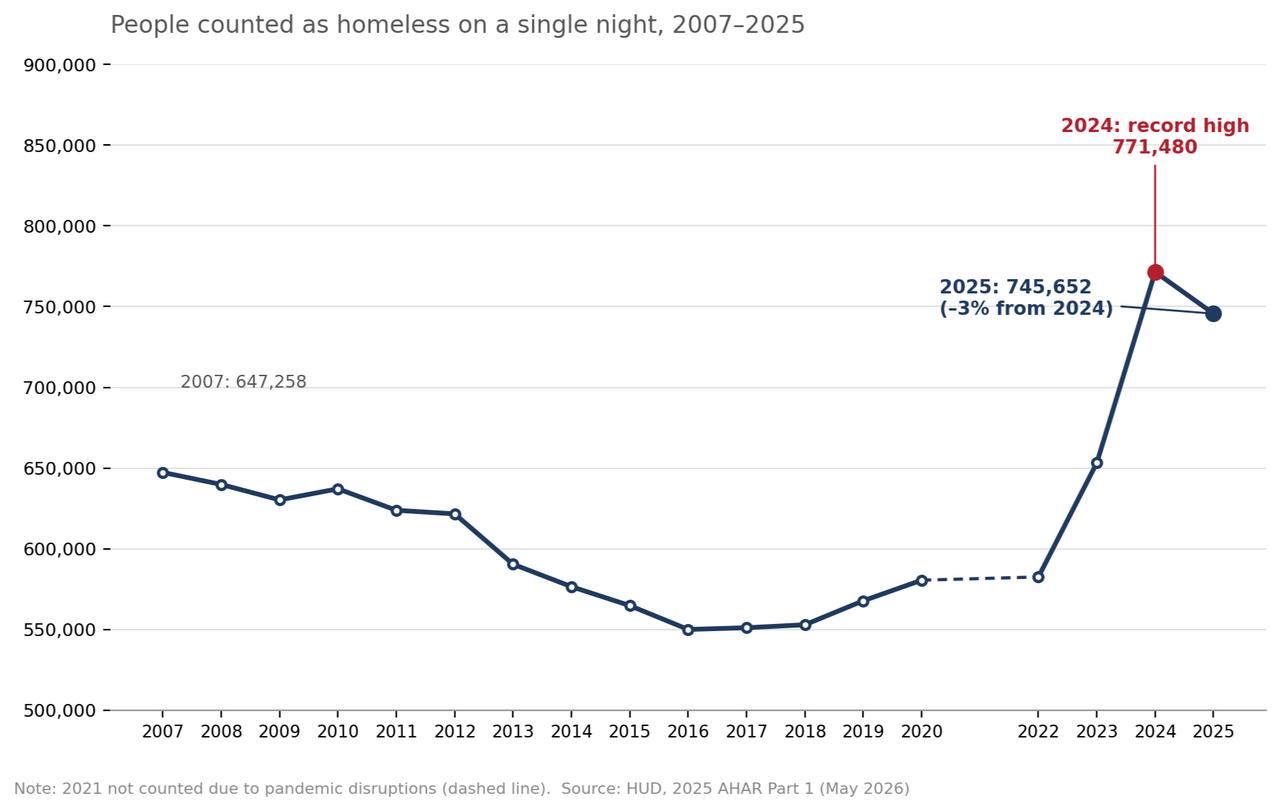
According to the U.S. Department of Housing and Urban Development's (HUD) latest report, published in May 2026, 745,652 people were homeless nationwide in 2025. It sounds like a staggering number, but it's still down from the 2024 record of 771,480.
The report shows homelessness rose 15.2% between 2007 and 2025, and 26.3% between 2013 and 2025. Yet 2025 data show a modest decline from 2024—down 3%.

According to the report, part of this national change is connected to immigration trends. In 2024, New York and Illinois recorded their sharpest year-over-year increases in homelessness, which local officials attributed at least in part to rising immigration.
In contrast, the same two states posted the country's largest declines in 2025—a decrease of 12,500 people in New York and 11,300 in Illinois—which, according to the report, some local officials linked to changes in federal immigration policy.
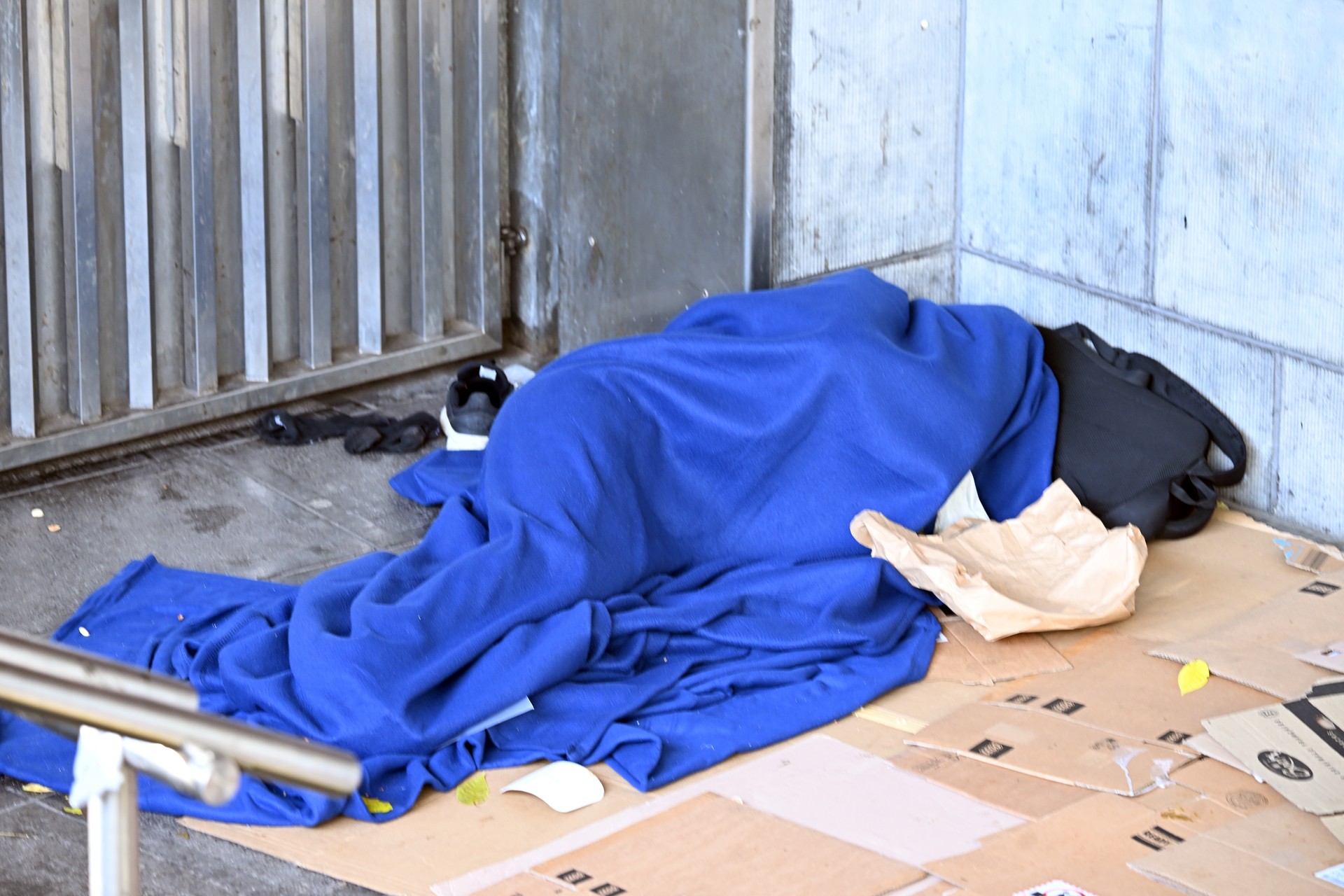
There are also two types of homelessness: sheltered and unsheltered. People are counted as unsheltered if they sleep in locations like parks, cars, or abandoned buildings.
HUD uses a method known as point-in-time (PIT) counting to determine how many people are homeless. This method tallies people sleeping in shelters and on the street on a single night in January, relying on officials and volunteers to count anyone sleeping outdoors, in vehicles, or in other unsheltered locations. Because the method depends on what counters can actually see, it likely undercounts the true total; it's easy to miss people sleeping in secluded spots.
Homelessness is not only a housing problem. KFF research shows that people with a history of homelessness report disproportionate physical and mental health needs, and that those living unsheltered have higher rates of chronic disease, mental illness and substance abuse than those staying in shelters. Critics of housing first, such as the Heritage Foundation, argue the model fails people struggling with addiction or mental illness because it doesn't require treatment as a condition of housing.
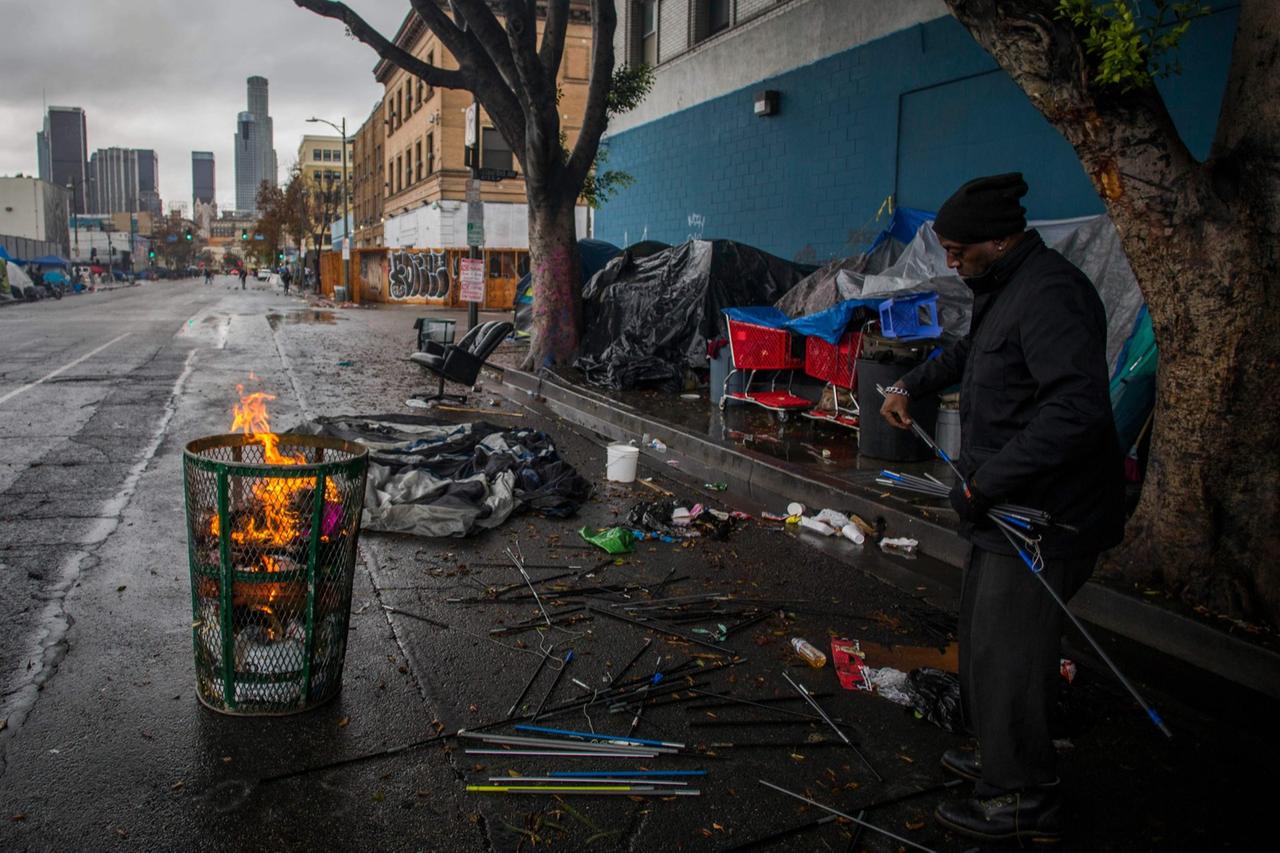
President George W. Bush started the policy known as "Housing First" in 2004. President Obama's 2009 strategic plan to end homelessness also included it. In 2013, HUD made it a policy priority.
While not every housing first policy is identical, the core idea holds: housing stability is key to the success of any social or behavioral intervention. The first priority is to get a homeless person off the street, ideally into permanent housing. Other, competing approaches, by contrast, focus on providing services like job counseling or addiction treatment before placing individuals into permanent housing.
Critics of housing first, including the Trump administration, argue that the program has caused unhoused populations to balloon. The administration wants to replace it with programs that emphasize sobriety, with HUD already deprioritizing housing first and attempting to divert funds away from housing and into temporary shelters. California, meanwhile, is one of 19 states suing the Trump administration over that change.
Meanwhile, the National Homelessness Law Center quickly pointed out that the decrease in homelessness happened while former President Joe Biden was still in office. The shift has sparked a public clash between the administration and homelessness advocates.
"The data is clear that the status quo of 'housing first' has failed to meaningfully reduce homelessness, resulting in crisis levels of people living on the streets," said HUD Secretary Scott Turner. "HUD is restoring its programs to advance recovery and self-sufficiency and to ensure that taxpayer-funded benefits serve American families."
"Sadly, the Trump administration is doing everything they can to backtrack on this progress," Jesse Rabinowitz, campaign and communications director at the National Homelessness Law Center, said in a statement. "Trump's policies will make housing more expensive and make more people homeless and sick. Donald Trump wants to take us backwards, but most people know the truth: we need housing and support, not handcuffs and detention camps," he continued.
 1 min read
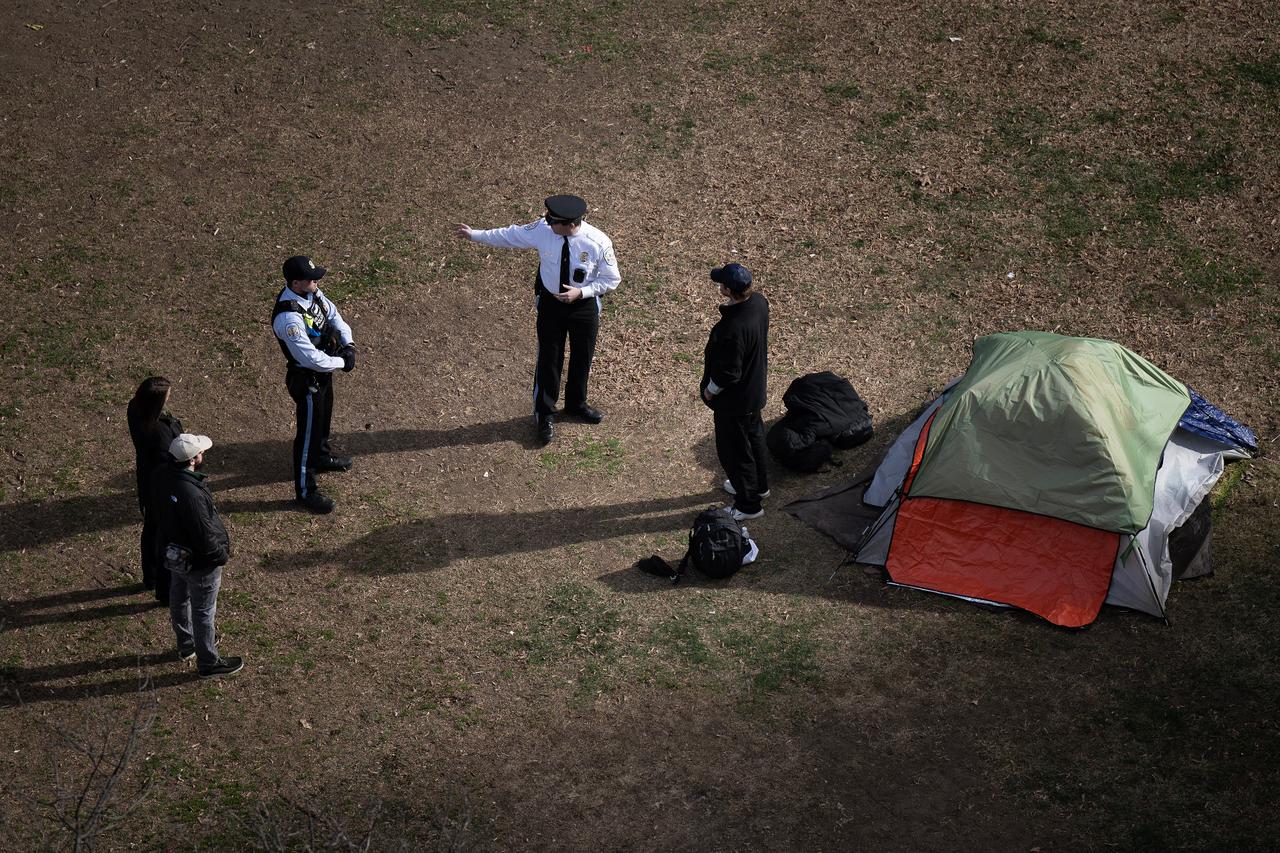
President Trump also recently signed an executive order encouraging states to ban public drug use, remove unhoused people from public spaces, and broaden civil commitment laws to allow involuntary psychiatric commitment in more circumstances.
Additionally, the administration invoked the Home Rule Act to place Washington, D.C.'s police force under federal control and deployed the National Guard to clear homeless encampments in the city and address crime. These measures come amid the nationwide passage of court-backed state laws that make it easier for law enforcement to ticket, fine, or arrest people sleeping on public property.
While the administration frames these steps as necessary to keep the streets safe, housing advocates say criminalizing homelessness misses the root of the crisis. They argue that diverting money from long-term housing solutions toward arrests and sweeps won't solve the underlying shortage of affordable homes—it will just make homelessness less visible.
The numbers may be moving in the right direction, but the policy fight over what caused that shift is only getting louder. And for the hundreds of thousands of Americans still without a home, the debate over the data changes little about tonight: no hot shower, no lazy Sunday breakfast, no guarantee of shelter—just the same search for somewhere safe to sleep.


 Set as preferred source
 Set as preferred source


 1 min read