Newsletters




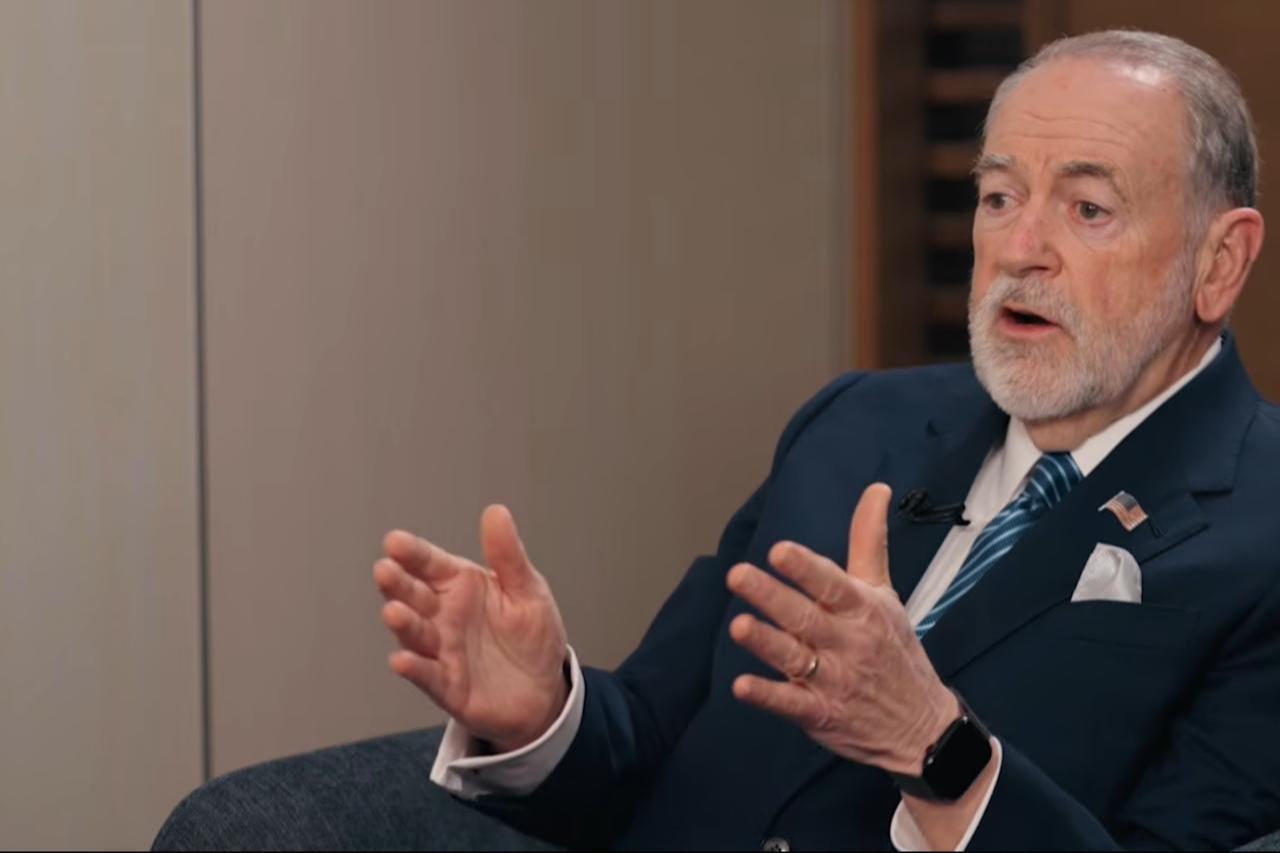
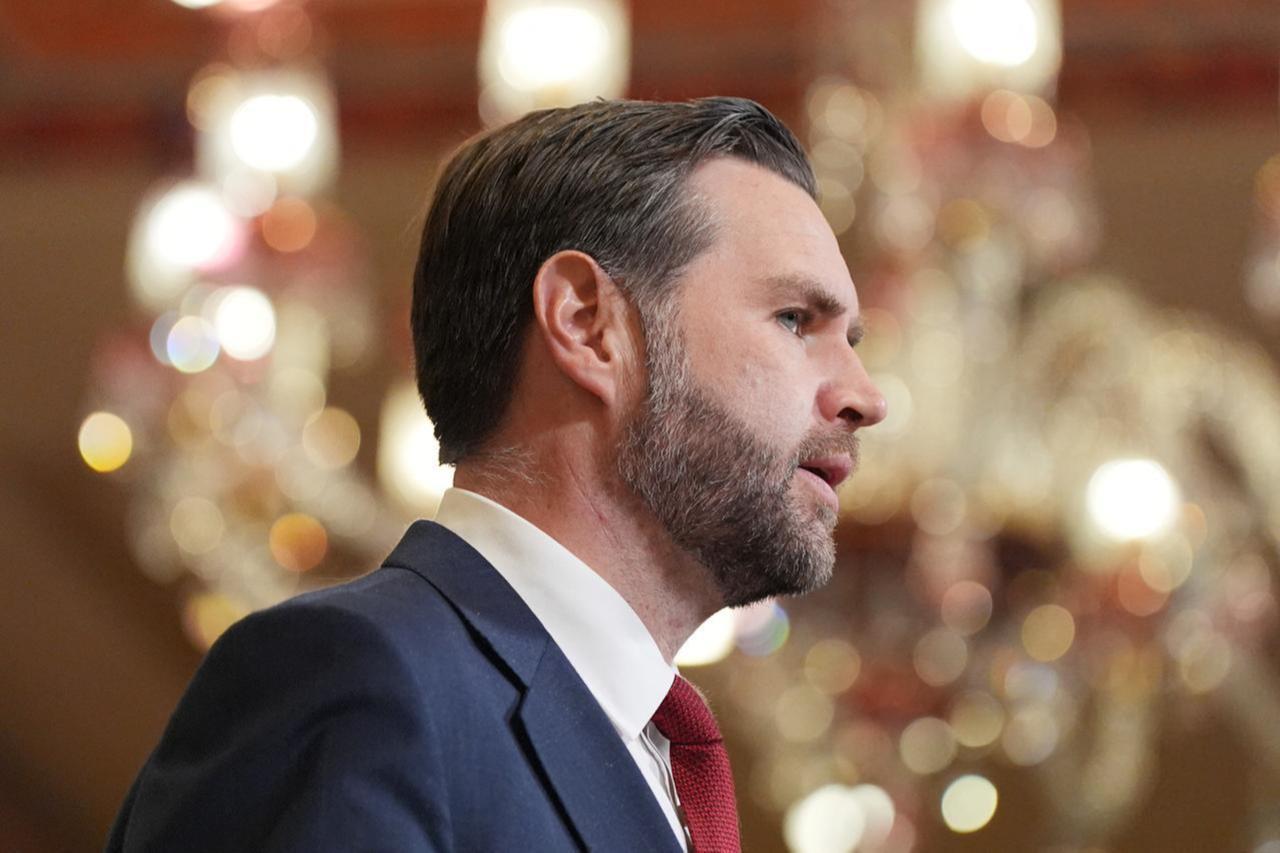
U.S. Ambassador to Israel Mike Huckabee opened his keynote address at the JNS International Policy Summit on Sunday with a joke about his own job security, telling the crowd he had checked President Donald Trump's social media before taking the stage "to make sure this was not my last speech in Israel."
The remark, met with laughter and applause from the audience at the Jerusalem gathering, set the tone for a speech in which Huckabee sought to ease what he described as widespread anxiety over the state of U.S.-Israel relations, while reaffirming Washington's commitment to preventing Iran from acquiring nuclear weapons.
Huckabee noted that his first address as ambassador, roughly a year and a half ago, was also delivered to JNS. "As you know, he typically fires people in the middle of the night by way of social media," Huckabee said of Trump, adding that he was "happy to report that so far, so good."
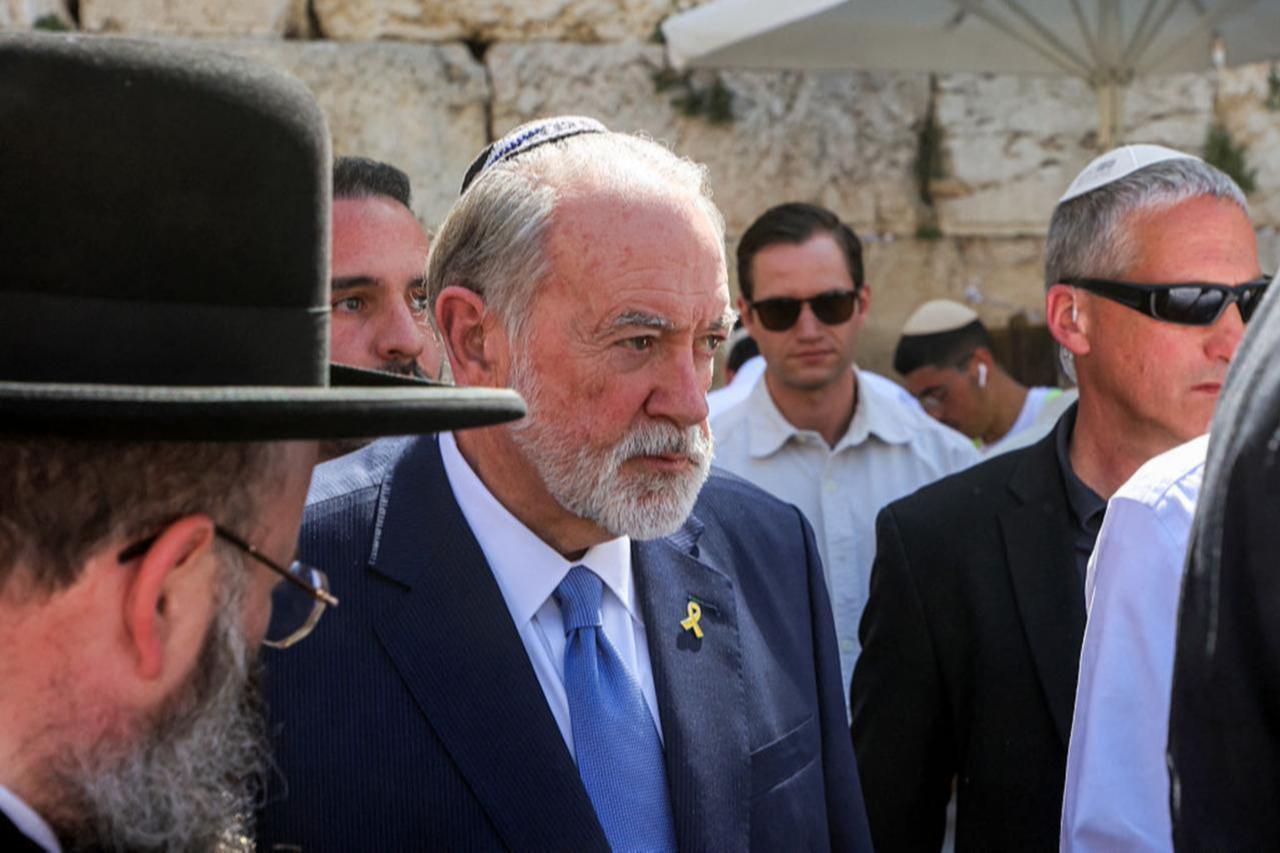

Turning to substance, Huckabee acknowledged what he called "an enormous level of anxiety about the relationship between the United States and Israel," describing it as "one of those weeks" marked by unsettling headlines.
He urged the audience to focus on one constant: Trump's repeated assertion that Iran will never be allowed to obtain a nuclear weapon or enriched uranium, and that Tehran will not be permitted to continue arming its regional proxies, Hezbollah, Hamas and the Houthis.
He described the bond between the United States and Israel as "unbreakable," and characterized the relationship between Trump and Israeli Prime Minister Benjamin Netanyahu as not merely diplomatic but "deeply personal," marked by a level of candor he said was unlike Trump's relationship with any other world leader.
"There is no world leader that the president speaks to more than he does Prime Minister Netanyahu," Huckabee said.
The ambassador pointed to several of Trump's actions during his presidency as evidence of that commitment: recognizing Jerusalem as Israel's capital, recognizing the Golan Heights as Israeli sovereign territory, and relocating the U.S. Embassy to Jerusalem.
He also praised Jerusalem Mayor Moshe Lion, calling him "a remarkable partner to the US Embassy," and referred to him personally as "my mayor."
Huckabee described two episodes during a visit to Washington last year, following what he referred to as the "12-day war," in which he said he was surrounded by demonstrators he characterized as "pro-Hamas crazy people."
In the first incident, he said, a confrontation that began with two people grew to roughly 20 surrounding him before police officers intervened.
In the second, outside a reception at Blair House, he said demonstrators recognized him and began shouting, prompting Senator Jim Lankford of Oklahoma to offer him a ride rather than wait for an Uber.
"I can't wait to get out of this crazy town and get back to Jerusalem where I feel safe," Huckabee said he told friends afterward, adding that he meant the statement literally rather than as a joke, despite the laughter it drew. He said he remains grateful to live in Jerusalem and to represent the United States there.

Referring to the 12-day conflict last year, Huckabee said that when U.S. B-2 bombers struck Iranian nuclear facilities at Fordow, it demonstrated Trump's willingness to act.
He linked this year's renewed concerns over Iran's nuclear program to what he described as a 47-year-old threat dating back to 1979, when American embassy staff in Tehran were taken hostage for 444 days.
He said that history, including the killing of "hundreds of Americans" over the decades, often through proxies such as Hezbollah, underscored that the Iranian threat extends beyond Israel to the United States directly.
Huckabee argued that curbing Iran's support for its proxy network was central to reducing the broader threat, saying "the Iranian threat is best served when the spigot is turned off at the source."
He added that Trump had, as of Sunday afternoon, issued "very clear understandings to the Iranians" about the consequences of resisting U.S. demands, though he declined to repeat the president's exact language, saying only that he does not use such words himself "even in private."
Huckabee also addressed controversy that arose this week over comments he made linking the foundations of American democracy to Jewish and Judeo-Christian tradition, remarks he said he has made for years and that drew criticism from people "around the world."
Defending the statement, he pointed to symbolism in American government, including a relief of Moses among the lawgivers depicted in the U.S. House of Representatives chamber, and proposals considered by the nation's founders to feature the parting of the Red Sea on the Great Seal of the United States.
He argued that the United States' founding principles, including the idea in the Declaration of Independence that rights derive from a creator rather than government, trace back through Jewish history to Jerusalem. "Let us never be apologetic for it," he said, drawing applause.
Huckabee closed his address by quoting Psalm 121 and expressing confidence in Israel's long-term security, saying it rested not only on military strength but on what he described as a divine promise to the Jewish people.


 Set as preferred source
 Set as preferred source


 1 min read
 1 min read