

 Newsletters


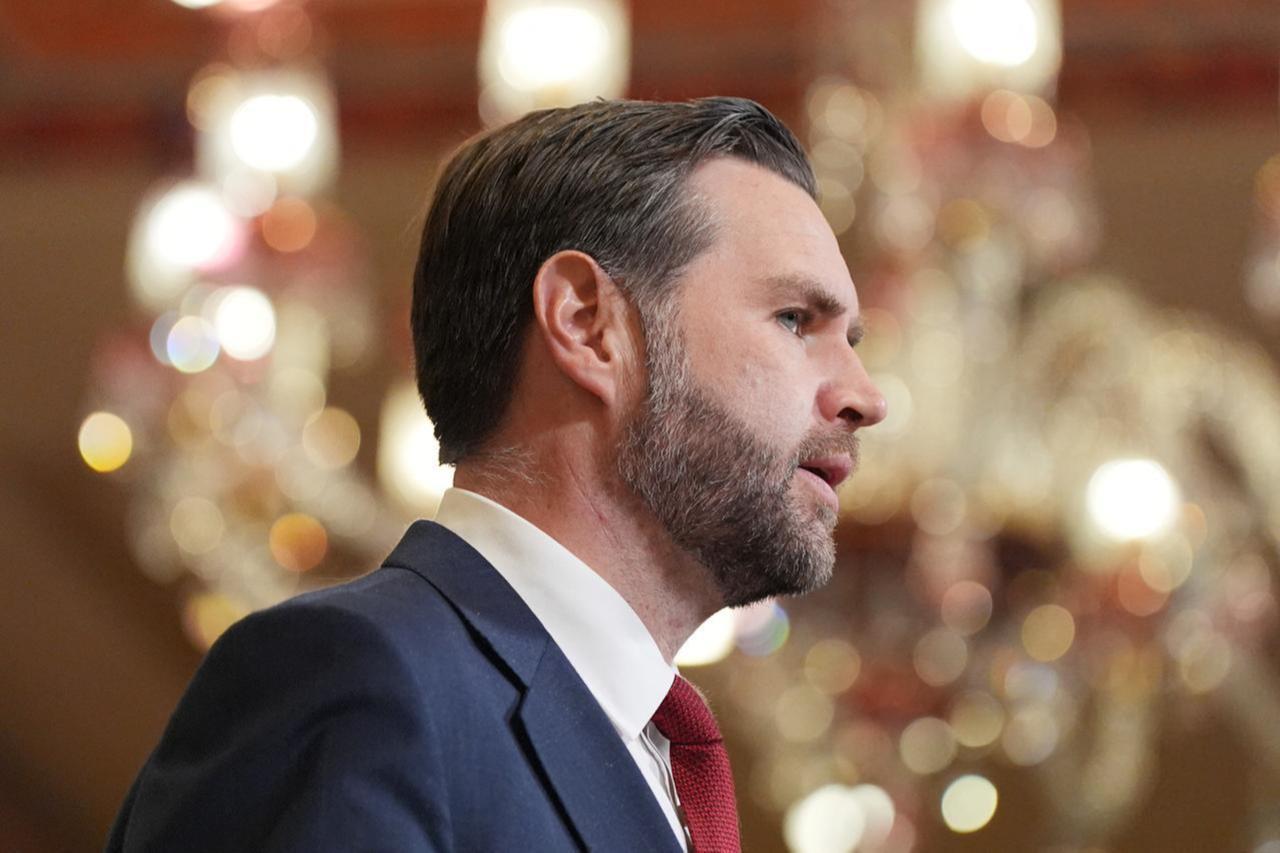


U.S. Vice President JD Vance delivered a pointed rebuke of Israeli critics of the newly signed US-Iran memorandum of understanding, dismissing what he called a collective "freakout" in the Israeli political system as rooted in mistrust and misinformation, and warning that a country of nine million people cannot rely solely on military force to resolve its national security challenges.
Speaking in an interview with The New York Times (NYT) published Thursday, Vance defended the 14-point framework agreement signed by President Donald Trump and Iranian President Masud Pezeshkian on June 17, and mounted an increasingly personal argument against skeptics in Jerusalem who have denounced the deal as a threat to Israel's security.
The vice president, who has emerged as the administration's most prominent and exposed advocate for the agreement, said he found the Israeli reaction puzzling and attributed it to a fundamental failure to extend trust to Washington.
"I find this whole freakout in Israel a little bit odd because I think that it comes from a place of mistrust, and I think that America has earned the trust of that region of the world," Vance said.
"We've done a very good job by that particular country and that particular government, and I think that the idea that we've made a terrible deal is not supported by the facts."
The interview adds to a pattern of increasingly candid pushback from Vance toward Israel at a moment when the Trump administration's diplomatic posture in the Middle East is under intense scrutiny from both allies and critics at home.
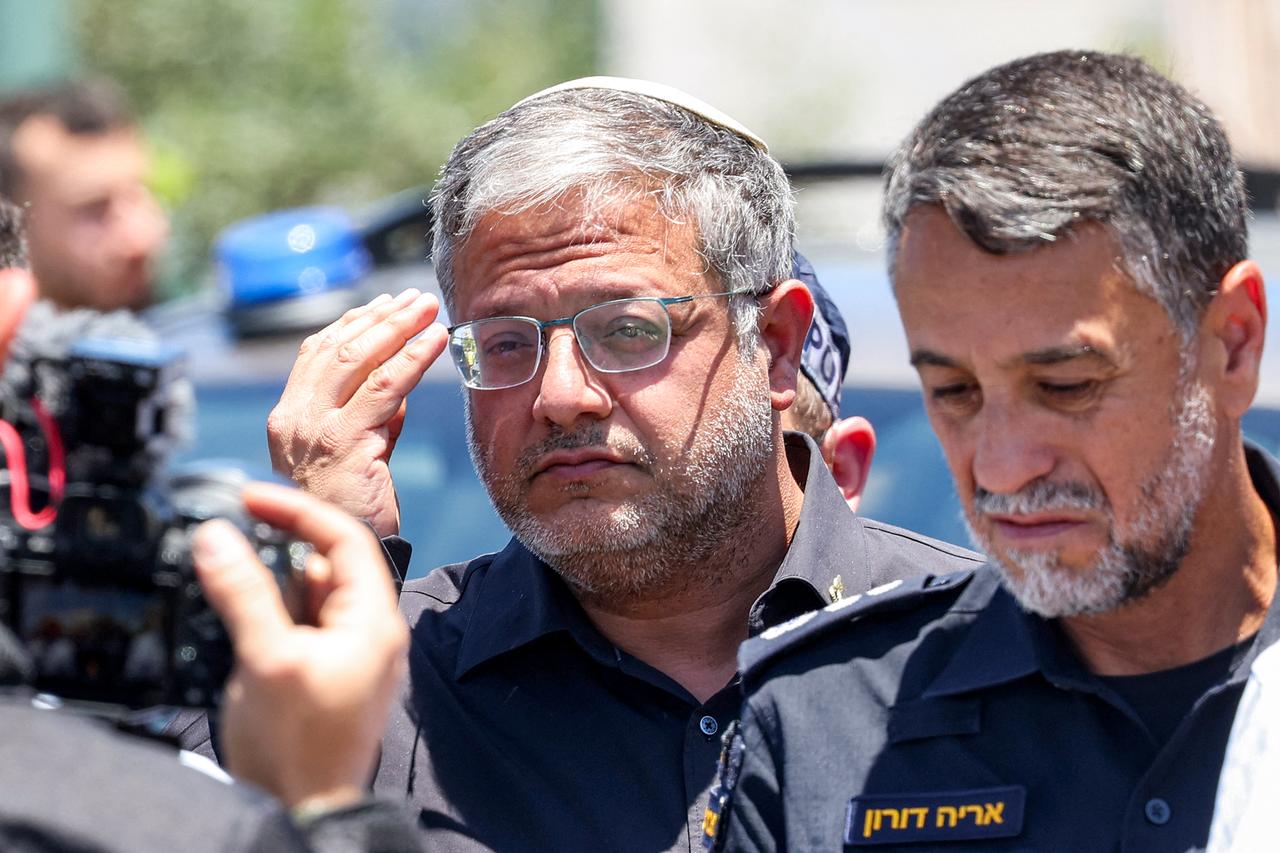

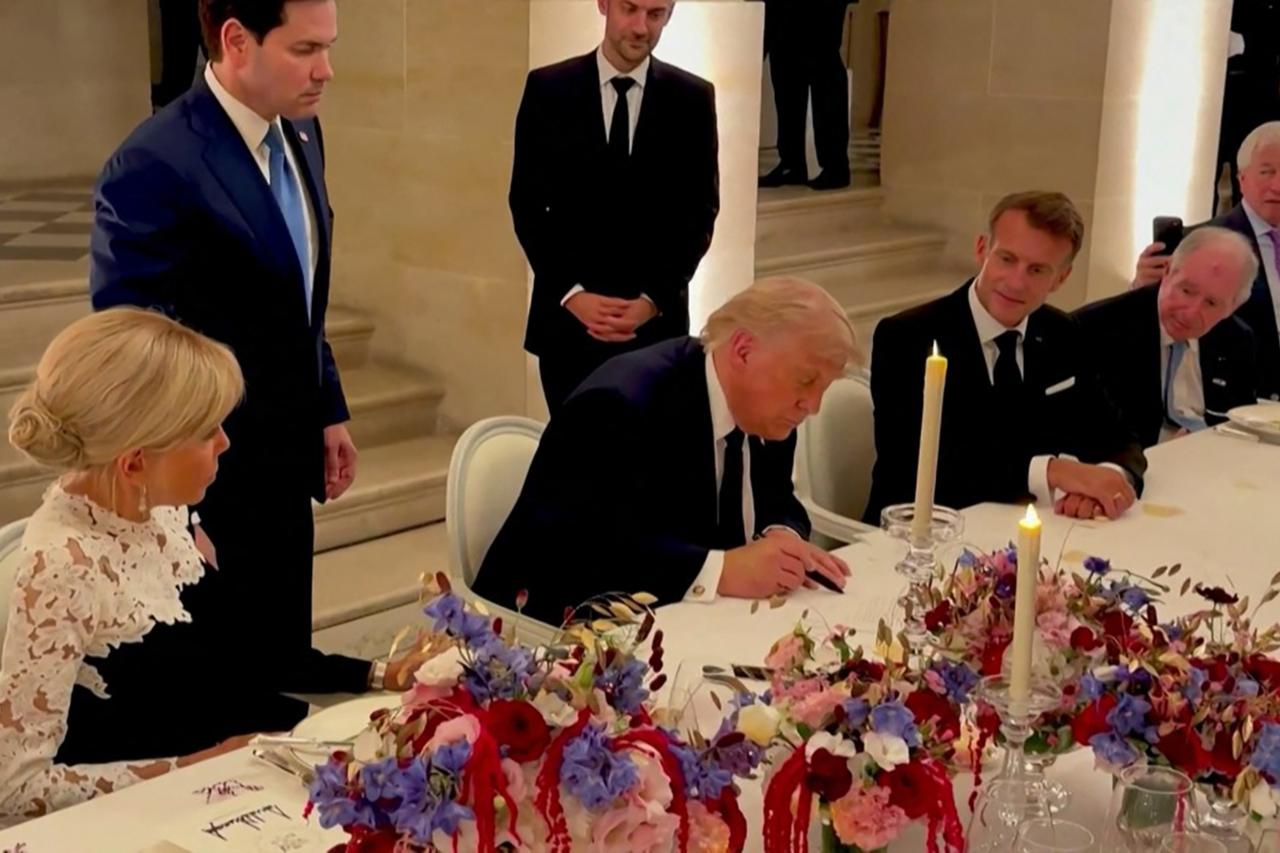
The MOU, signed in Versailles after more than 100 days of US-Iran military conflict, establishes an immediate and permanent ceasefire, reopens the Strait of Hormuz to commercial traffic, and commits Iran to refraining from procuring or developing nuclear weapons.
It sets a 60-day window for negotiations on a permanent agreement, including the handling of Iran's stockpile of highly enriched uranium.
The text calls for downblending that material under International Atomic Energy Agency supervision, though it leaves specific modalities to be worked out in subsequent talks, and does not address Iran's ballistic missile program or its network of regional proxy forces.
While Prime Minister Benjamin Netanyahu has stayed publicly silent on the deal's merits, his far-right coalition partners have not.
Vance noted that National Security Minister Itamar Ben-Gvir and Finance Minister Bezalel Smotrich "have attacked the deal," and said allies of Netanyahu in the Israeli media and members of the opposition have similarly condemned it. The vice president offered a blunt rejoinder to those voices.
"What is your exact proposal?" he said. "You're a country of nine million people. You can't just kill your way out of solving every single national security problem that you have." Israel's population is approximately 10 million.
Vance suggested that Israeli anxiety over the deal rests on a flawed premise, namely that Iran would pocket economic benefits without changing its behavior.
He described that fear as a misreading of how the agreement is structured, noting that sanctions relief remains contingent on Iranian conduct and that no funds would flow without action by the US Treasury.
"There is this weird panic almost in the Israeli system that I've picked up on where they assume that everything that is contemplated that is good for Iran will happen, but that will happen without the Iranians changing any behavior," he said. "And I just don't know why anybody would think that's true."
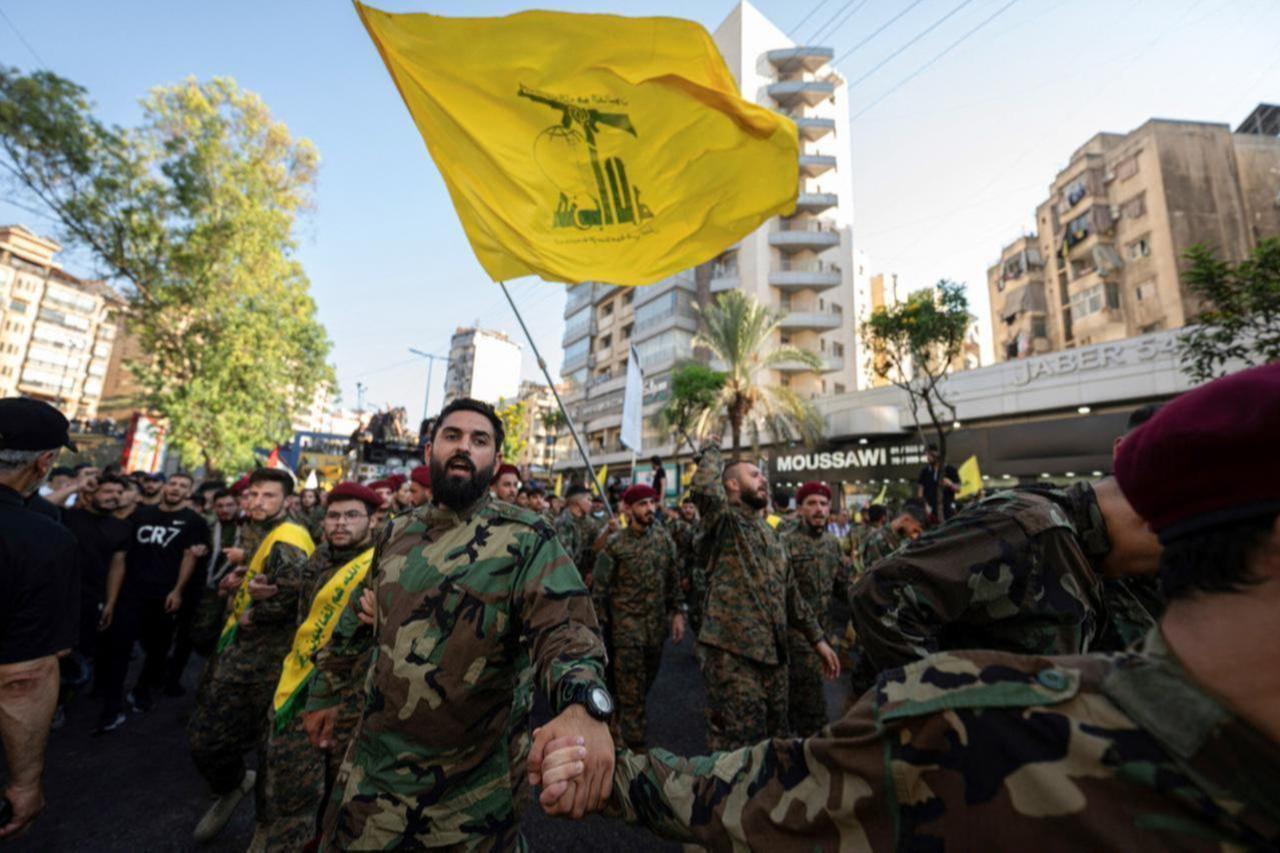
Vance expressed confidence that the deal would ultimately constrain not only Iran's nuclear ambitions but also its support for Lebanon's Hezbollah movement, a group designated as a terrorist organization by Washington and long regarded by Israel as an existential threat along its northern border.
He said fears that the MOU would leave Hezbollah untouched were a product of the same misreading driving broader Israeli alarm.
The MOU, as signed, does not include explicit provisions addressing Iran's proxy network, a point critics have highlighted as a central weakness. Some analysts have drawn a parallel to a recurring criticism of the 2015 Joint Comprehensive Plan of Action, the Obama-era nuclear agreement, which also made no mention of Iranian support for militant groups.
The Trump administration pulled the United States out of the JCPOA in 2018 during Trump's first term, after which Iran significantly accelerated its uranium enrichment program.
Vance argued that the current deal is categorically different because it was struck with Iran at what he described as a position of maximum military and economic weakness, rather than strength. He said Iran's conventional military capacity and nuclear infrastructure had been severely degraded and that the country currently lacks the resources to rapidly reconstitute either.
The MOU calls for a reconstruction plan for Iran worth at least $300 billion, to be funded by investment from third-party countries rather than American taxpayers, and conditioned on Iran's transformation of its regional conduct.
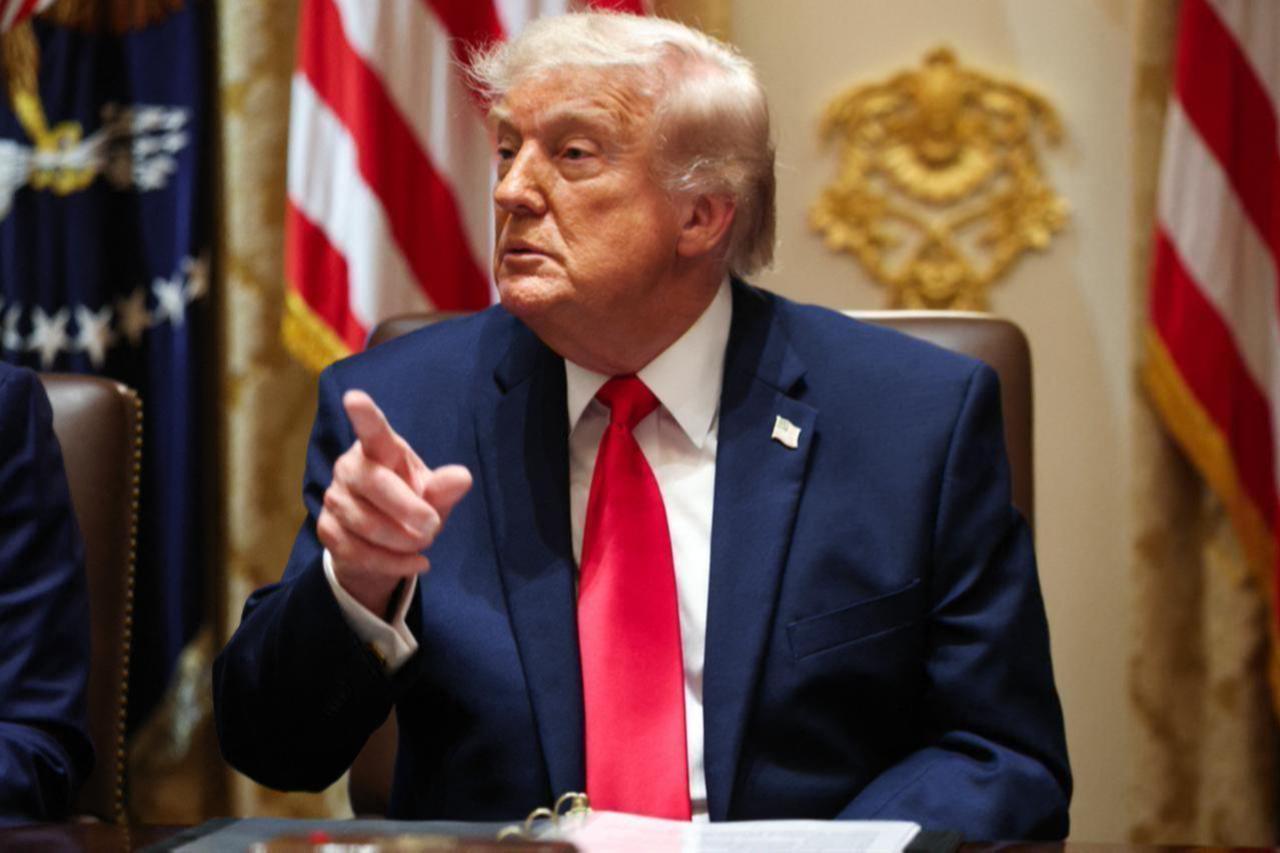
The vice president has staked considerable political capital on the agreement's success, a dynamic he addressed with some candor. Trump himself, speaking on the sidelines of the G7 summit in France, offered a double-edged joke about the arrangement, saying, "If it doesn't work out, I'm blaming JD."
Vance pushed back against criticism from within his own party, challenging Republican skeptics, including those in Congress and conservative media, to articulate a concrete alternative. He said that continued military escalation remained an option the administration had consciously chosen to set aside.
"If your proposal is to send 200,000 ground troops into Tehran so that you can make Reza Pahlavi the leader of that country, then say that," he said. "But I don't appreciate criticism without alternatives."
The vice president also drew a clear line on American interests, saying that where US and Israeli strategic goals diverge, the Trump administration would follow its own course.
That assertion echoed a separate and earlier episode in which Vance, during a visit to Israel in October 2025, publicly criticized a symbolic parliamentary vote in the Knesset on annexing the occupied West Bank, calling it an "insult" and a "very stupid political stunt" if designed for political effect.
He told reporters on the tarmac at Ben Gurion Airport that "the policy of the Trump administration is that the West Bank will not be annexed by Israel."
In the NYT interview, Vance said Gulf Arab states, including Saudi Arabia, the United Arab Emirates, and Qatar, have welcomed the MOU with an optimism he finds more credible than Israeli skepticism, given their geographic proximity to Iran and their direct experience managing Iranian conduct in the region.
He argued that the enthusiasm of those governments, who had opposed the JCPOA, was itself evidence of the deal's quality.


 Set as preferred source
 Set as preferred source


 2 min read
 1 min read


