Newsletters


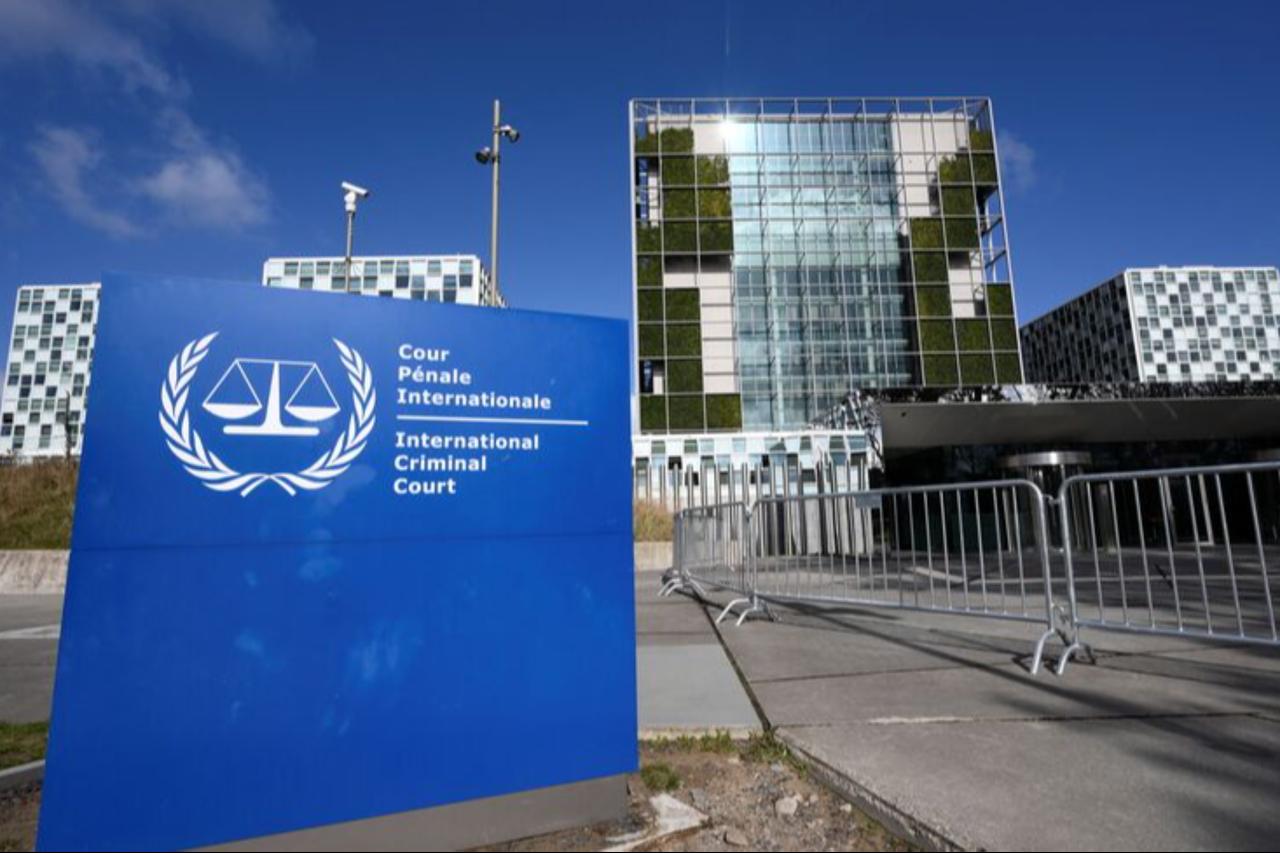


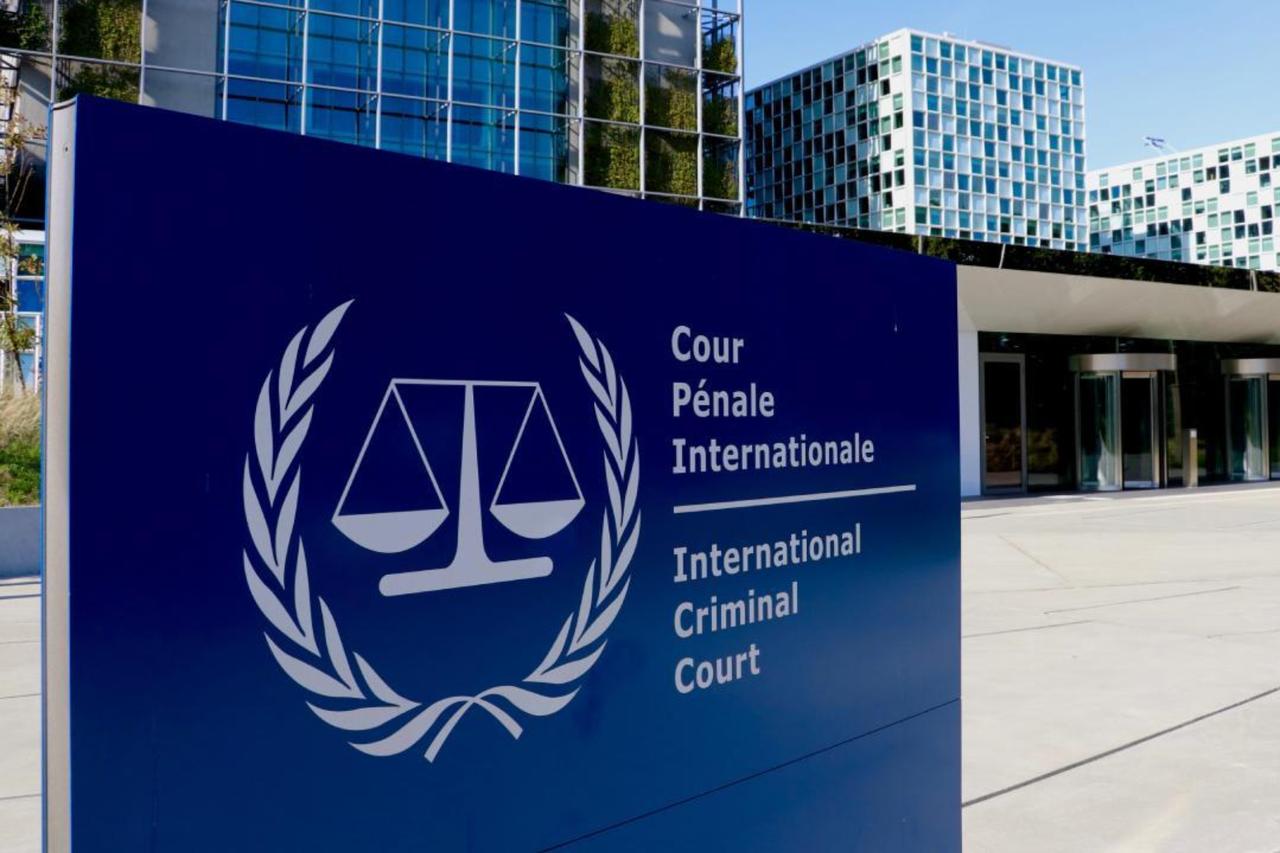
A senior International Criminal Court (ICC) official urged the European Union to immediately activate a "blocking statute" to protect the court and its service providers from U.S. sanctions, saying it was "unfair" that they were managing the burden alone.
ICC Registrar Osvaldo Zavala Giler, who oversees the court’s response to the sanctions, said the statute would allow European companies to disregard U.S. extraterritorial sanctions and continue providing services to the court.
"Our position is that we should do this as soon as possible," Zavala Giler told the Financial Times (FT). "It’s an instrument that is reasserting European sovereignty."
The U.S. sanctions order, announced last month, gave most companies 180 days to stop trading with the Hague-based tribunal.
"What I think is unfair is, we are now in a situation where banks and other service providers are the ones that have to assess by themselves the risk of co-operating with the court or not, rather than having this done at the state’s level," Zavala Giler said.
"Political reassurances, political support is very effective and it’s important ... but it needs to be matched with real legal and operational certainty," he said, adding that it was not clear what "solution" the United States was seeking.
The ICC cut ties with its health insurance provider, Axa, last month over fears the sanctions would force the insurer to stop working with the court.
The court has not held direct talks with the U.S., relying instead on the EU and member states to advocate on its behalf to protect its independence.
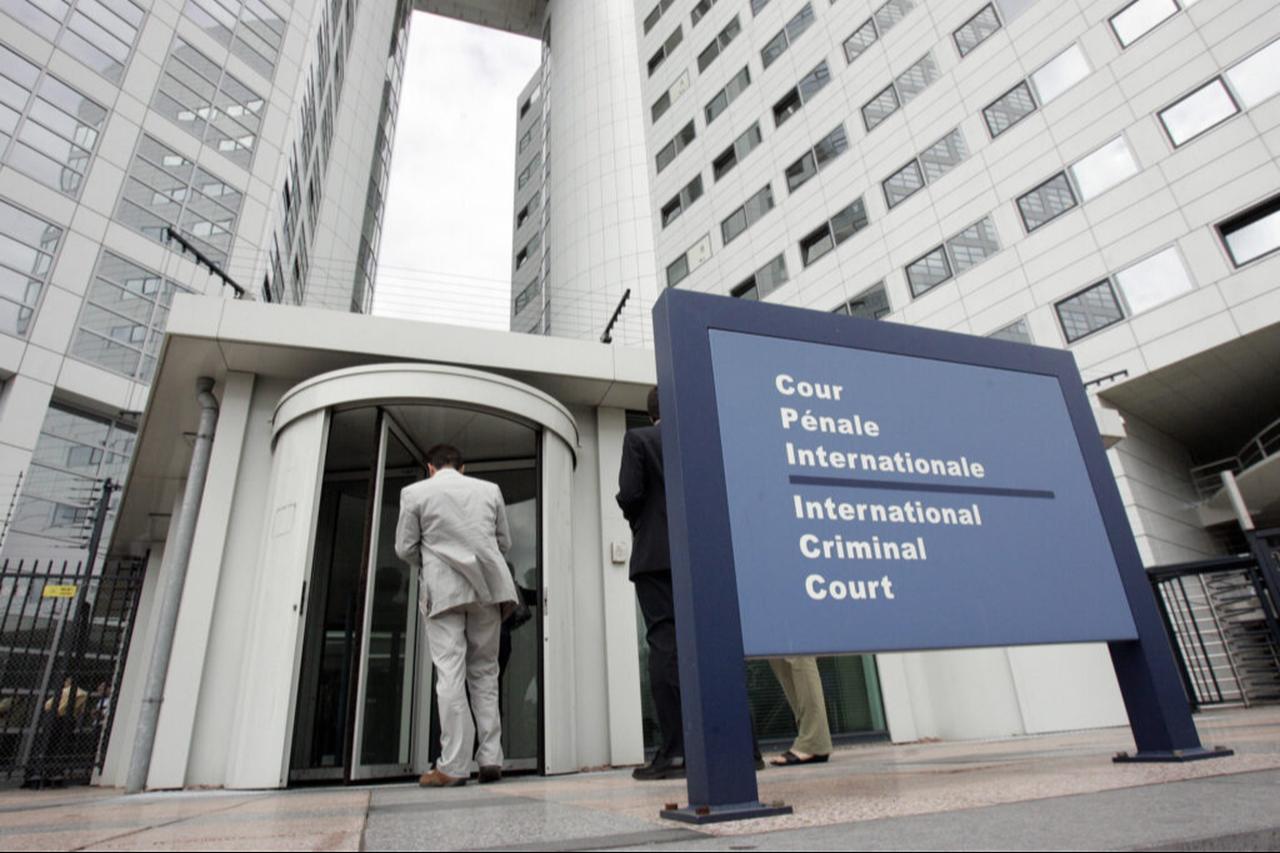

EU countries and the European Commission have been reluctant to act before the sanctions take full effect.
"We continue to pursue diplomatic outreach, jointly with other state parties, with the objective to have the sanctions lifted," a Commission spokesperson told FT. "We stand ready to take any measures necessary to protect the court’s work."
In late October, the Commission told companies to "continue providing services to the ICC as before" while diplomatic negotiations continue. EU leaders said in mid-October that the 180-day window "creates space for diplomacy, with a view to securing the prompt reversal of these measures."
U.S. Secretary of State Marco Rubio said when announcing the sanctions that the aim was to find "a diplomatic solution" addressing U.S. "concerns" before the deadline, without specifying details.
Dutch Foreign Minister Tom Berendsen said the Netherlands and its EU partners "continue to work to protect the ICC’s independence in the face of sanctions," after discussing the Commission’s role with European Commissioner Maria Luis Albuquerque. "We underlined the importance of EU operators’ continued service to the ICC," he said.

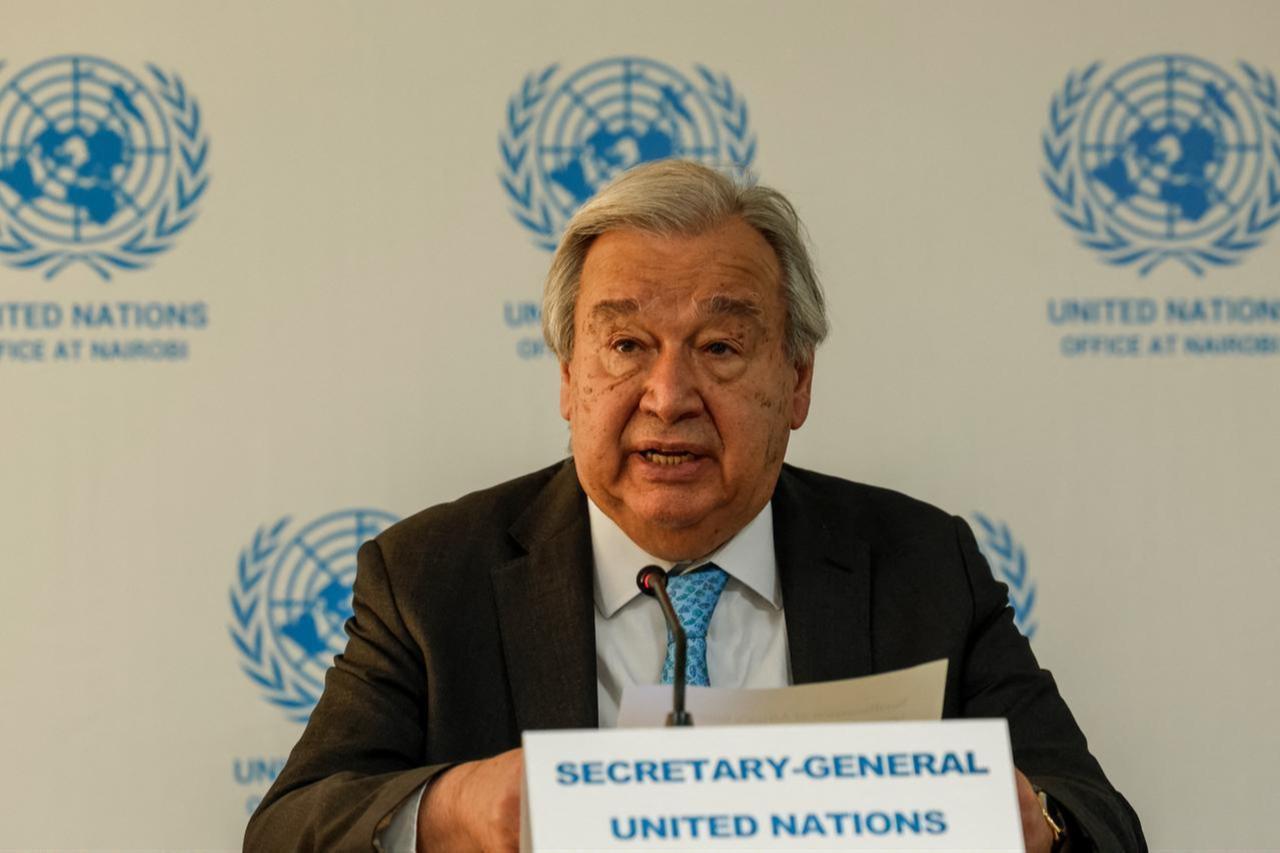
U.N. human rights chief Volker Turk warned recently that the ICC faces "virulent and unprecedented attacks" through sanctions, criminal proceedings against its officials and disinformation.
"The goal is the same: to isolate and paralyze the Court," Turk said at an event in The Hague. "Attacks against the ICC are attacks on justice and the rule of law. A world without justice is a world of violence and chaos."
He criticized some Rome Statute member states for failing to execute arrest warrants and cooperate with the court. "There cannot be one standard for one’s allies and another for one’s enemies," Turk said, adding, "We must stand firm in defense of human rights and justice."
Washington imposed the sanctions on Oct. 9, hours after former ICC judge Navi Pillay was named winner of the 2026 Nobel Peace Prize.
The court rejected the sanctions as an assault on the rule of law and urged member states to ensure its continued operation.
The United States had previously sanctioned ICC judges and prosecutors, including court President Tomoko Akane, in August. Pressure on the court intensified after it issued arrest warrants in November 2024 for Israeli Prime Minister Benjamin Netanyahu and former Defense Minister Yoav Gallant over alleged war crimes in Gaza.
Former chief prosecutor Karim Khan, who secured the warrants, was ousted in July over sexual misconduct allegations, which he denies.
The court opened applications for a new chief prosecutor last week, as its push for an EU blocking statute continues.


 Set as preferred source
 Set as preferred source


 1 min read
 1 min read