Newsletters


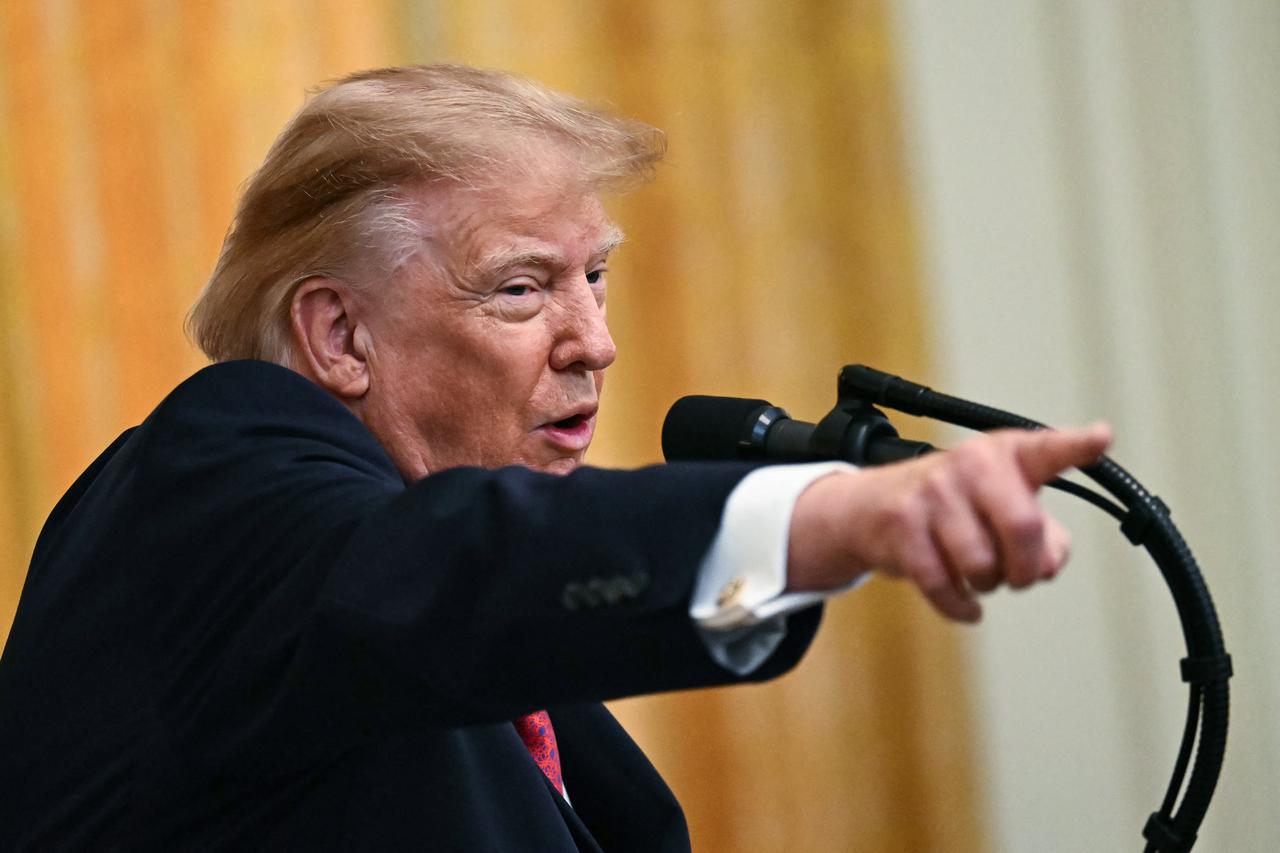


U.S. President Donald Trump said ramped-up bombing of Iran is "possible" after the November midterm elections, in an interview with TIME magazine published Thursday, as Iranian officials said Tehran is preparing a broader response to any renewed U.S. attack.
Asked whether he would resume bombing after the midterms, Trump said it was "possible," but declined to give details.
"I can't tell you that because look, you know, you're asking, 'Where are you going to bomb?'," he said.
The comments come days after Trump rejected Iran's proposal to reopen the Strait of Hormuz in exchange for lifting the U.S. naval blockade and easing oil sanctions, with the war now in its eighth month and diplomacy stalled.
Trump told TIME he may escalate if no satisfactory deal is reached.
"Because by annihilating Iran, we've created peace in the world," he said.
"With Iran, I don't think you could ever have peace," Trump added.
He conceded war has depleted some U.S. munitions.
"Some forms of ammunition are a little bit lower than other forms. We have that middle grade and upper middle grade, which is very powerful, which is stronger than it's ever been before," he said, adding that defense manufacturers are "building four, five, or six plants."
By the end of September, 19 U.S. service members had been killed and over 800 wounded in the war.

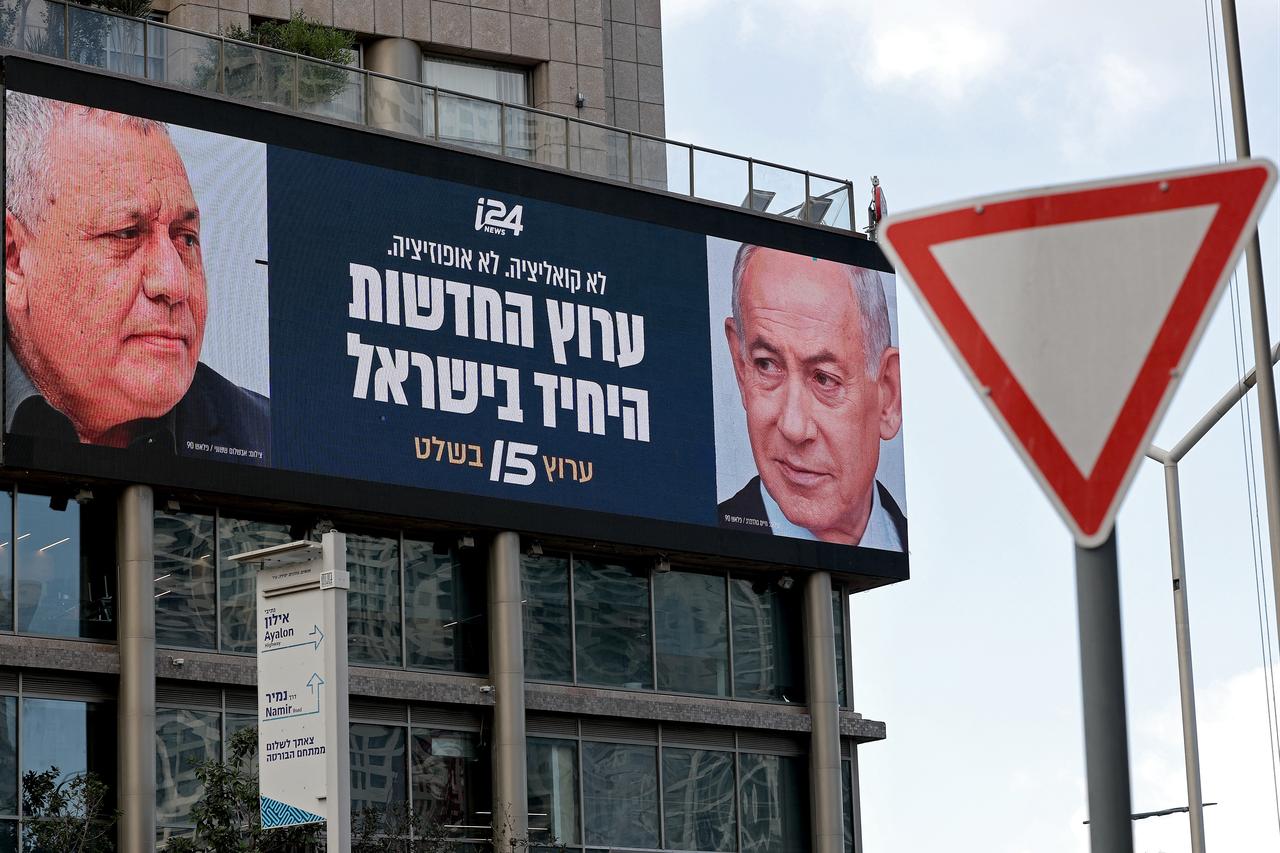
Trump told TIME he does not believe reports that Israeli Prime Minister Benjamin Netanyahu was warned by Egypt and the UAE before the Oct. 7 attack but stopped short of endorsing him ahead of Israel's Oct. 27 election.
Asked whether he might work better with Netanyahu's leading challenger, Gadi Eisenkot, Trump said, "Well, I don't know. I don't hear bad things about him."
"Well, I can only say that I'm not involved in politics anymore, except that we're popular," Trump added when asked whether the premier should be given another term in the Oct. 27 elections.
Pressed again, he responded: "No, my primary thing, I do want to help them defend Israel," pivoting away from an explicit endorsement in the interview.
Trump pointed instead to his personal standing among the Israeli public, claiming his popularity reaches "like 99%" due to past policies.
"People have written off Bibi (Netanyahu) many, many times, just like they've written off me many, many times," Trump said, adding, "I wouldn't underestimate Bibi."
Netanyahu has complicated Trump's efforts to end the war, including by striking Hezbollah targets in Lebanon after Trump told him not to, multiple U.S. officials told TIME.
Iranian commanders are reviewing plans to expand potential targets beyond U.S.-linked assets to countries that support U.S. military operations and possibly to locations outside the Middle East, three senior Iranian officials and an insider told Reuters.
No final decision has been made.
Two officials said Tehran had told allied groups in Lebanon, Yemen, and Iraq to prepare for a coordinated response stretching "from the Strait of Hormuz to U.S. interests in the region and outside the Middle East."
"They seem determined not to respond symbolically to a symbolic move and instead to escalate in the hope of reestablishing deterrence," said Hamidreza Azizi, a senior Iran analyst at the International Crisis Group.
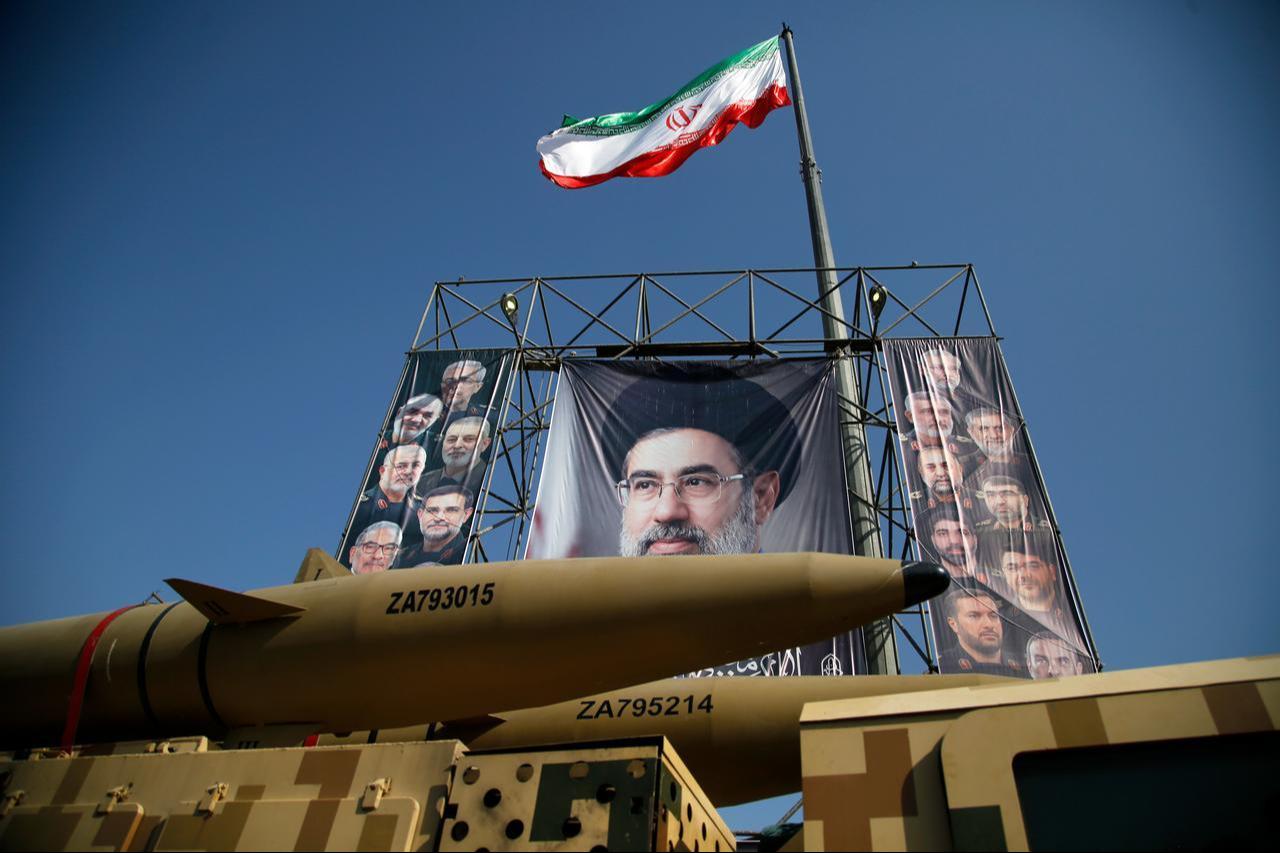
A U.S. response to Iran's proposal was delivered to Tehran through Qatar on Tuesday and is under review, Iranian state media reported.
Washington wants Iran's nuclear program included in negotiations, while Tehran insists nuclear talks can begin only after its conditions are met, Iranian sources told Reuters.
"Even if Iran does not reject the U.S. response outright and indirect talks continue, it is very unlikely that the two sides will reach an agreement," one Iranian official said.
"Iran cannot afford continuation of U.S. blockades that could be a major game changer, essentially taking the oxygen out of the lungs of the regime... escalation at this point is conceivable," said Alex Vatanka of the Middle East Institute.
Trump's remarks on Iran strikes after the midterms come as polls show voters disapprove of his handling of the war.


 Set as preferred source
 Set as preferred source


 3 min read