Newsletters


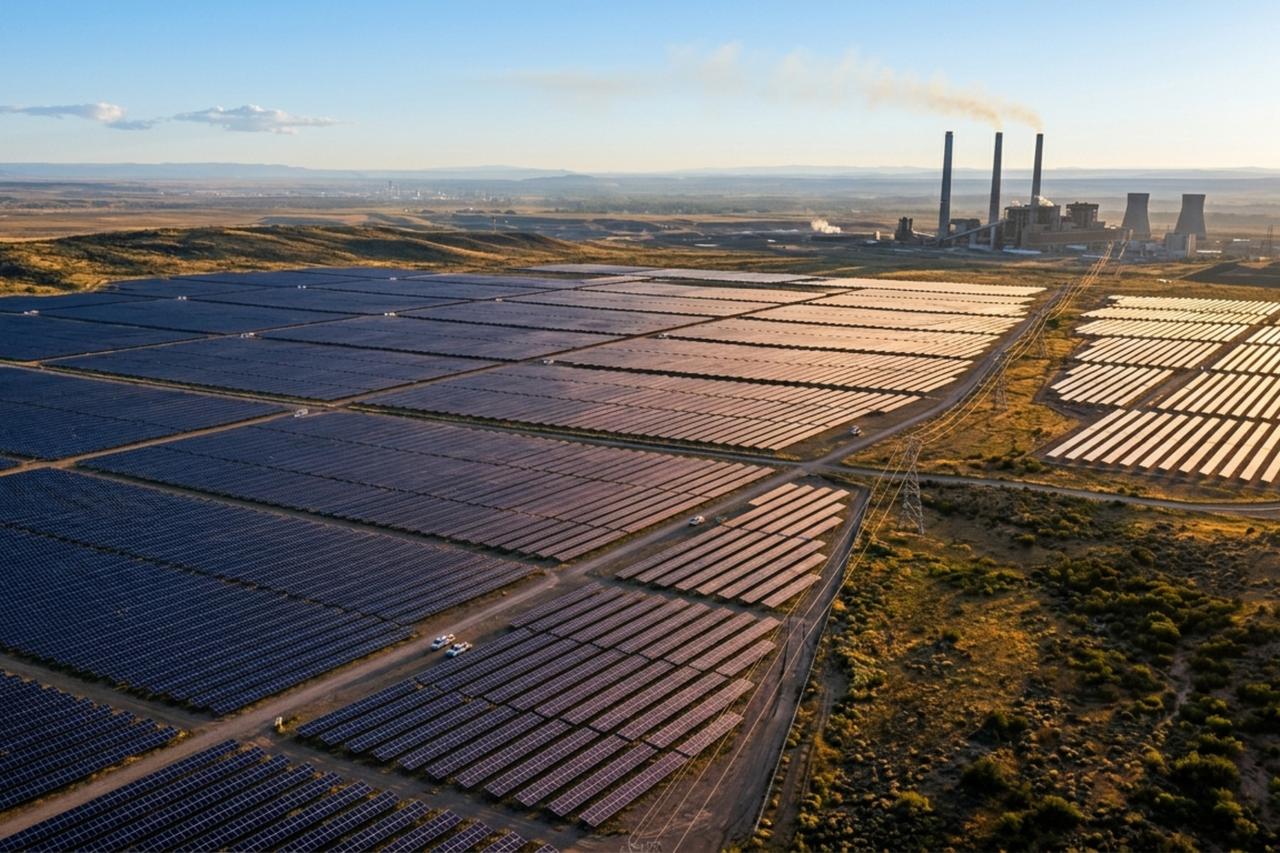


The world is likely to exceed the temperature limit set by the 2015 Paris Agreement. However, the shift to renewable energy will keep going, since it now benefits countries economically, according to a climate scientist involved in United Nations climate reports.
Earth has already warmed about 1.4 degrees Celsius since the late 1800s. In 2024, the global average temperature topped 1.5 degrees Celsius for the first time, passing the limit set by governments 10 years ago.
Andy Reisinger, a climate change researcher and member of New Zealand's He Pou A Rangi Climate Change Commission, said the 1.5 degrees Celsius limit will likely be exceeded as a long-term average within 5 to 10 years.
Reisinger, who has contributed to the Intergovernmental Panel on Climate Change (IPCC) for many years, recently coauthored a 2025 paper in the Annual Review of Environment and Resources. The paper looks at climate "overshoot," where warming goes beyond agreed limits, peaks higher, and is then reduced through major emission cuts and carbon removal.
"As a rule of thumb, every five years of emissions at current levels adds another 0.1 degrees Celsius to peak warming," Reisinger said.
He compared the climate system to "a super tanker or a freight train" that cannot stop quickly. Even if all emissions stopped now, another 0.3 C of warming would still occur because of carbon dioxide already in the air.
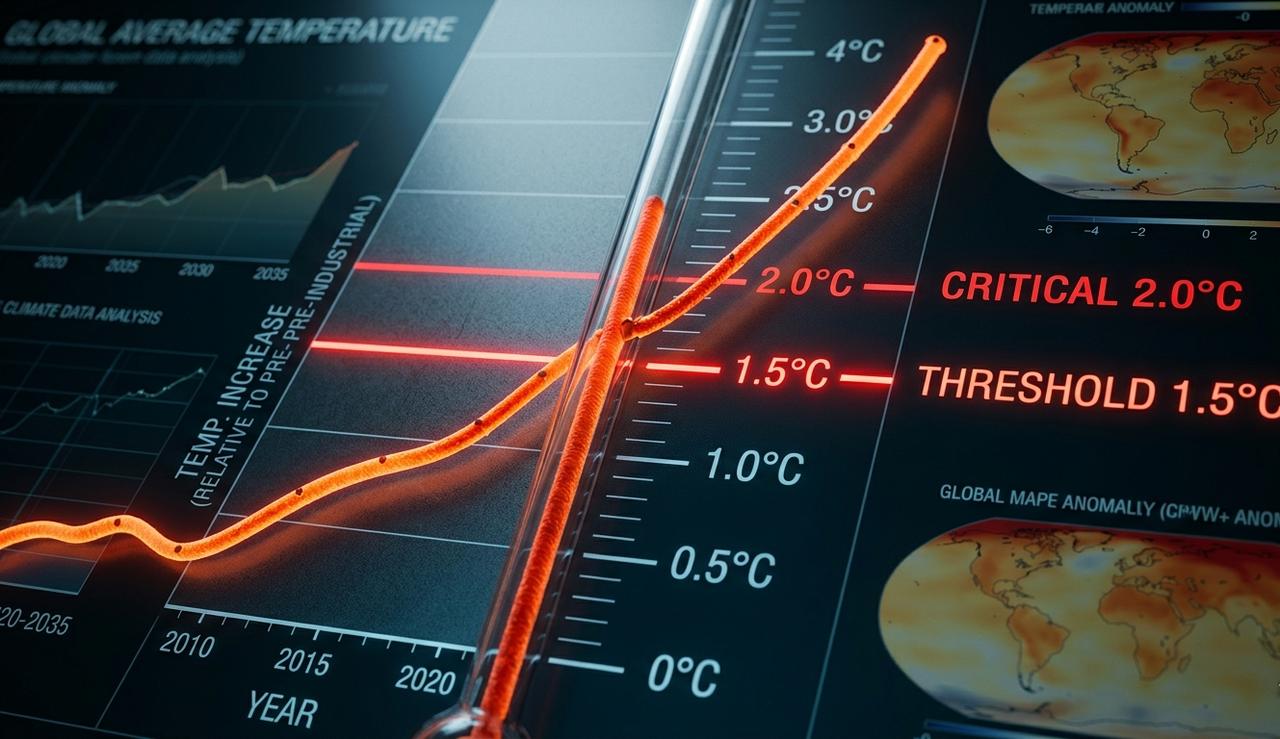

The Paris Agreement, adopted at the U.N. climate conference (COP) in 2015, committed 195 parties to hold warming well below 2 degrees Celsius while pursuing efforts to keep it under 1.5 degrees Celsius.
A decade later, current national policies are expected to lead to about 2.6 degrees Celsius of warming by the end of the century, according to the U.N. Environment Programme's 2025 Emissions Gap report.
Reisinger said that even if every emissions pledge by world leaders were kept, the planet would still warm by about 1.8 degrees Celsius. Many of these pledges also lack solid plans for how to achieve them.
Politics has become more complicated. The United States left the Paris Agreement in 2020 and again in 2026, making it the only original signatory to exit the accord twice.
The U.S. shift away from green energy and renewed support for fossil fuels has happened alongside military pressure on oil-producing countries, including the recent war in Iran and tensions with Venezuela.
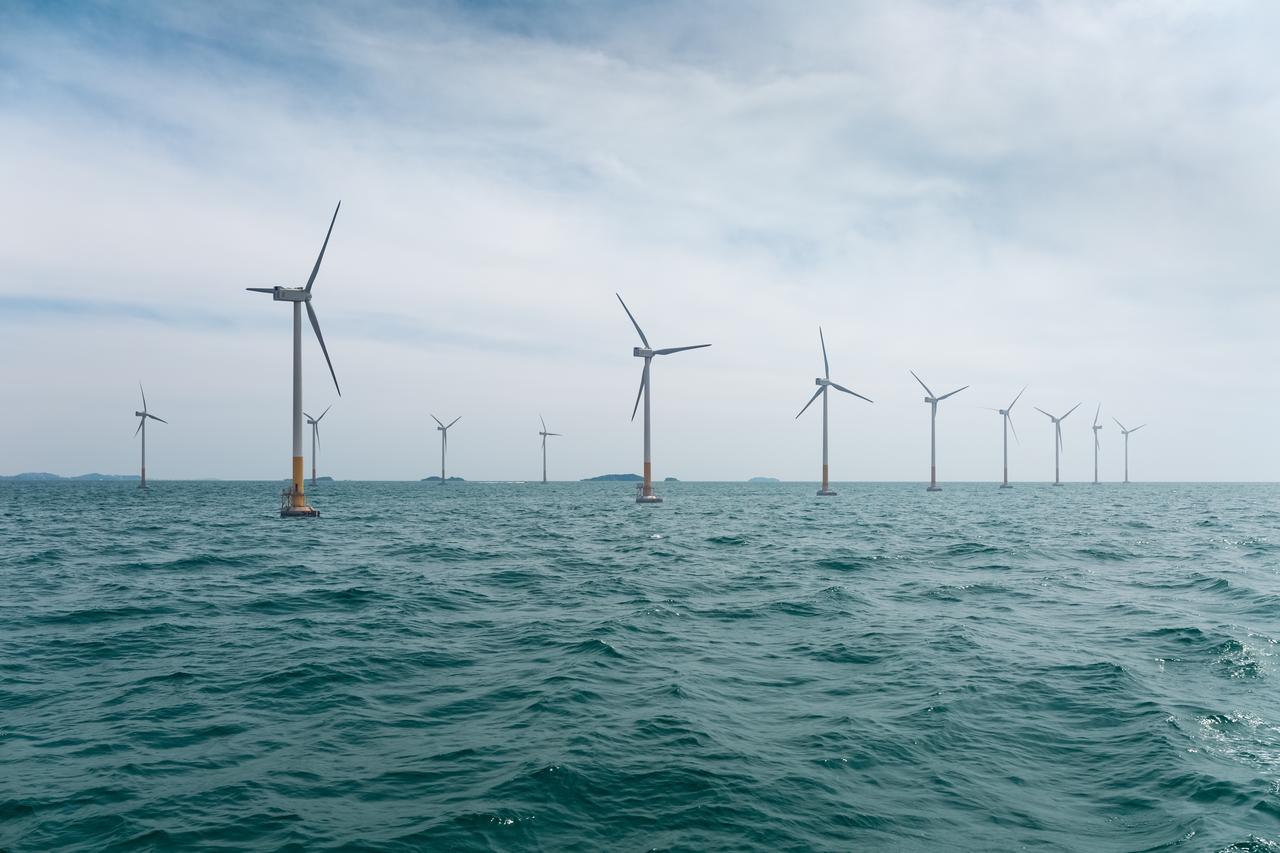
Reisinger said these actions are unlikely to stop the overall shift to clean energy. "The push towards renewables is unstoppable because it's in a country's self-interest," he said.
He pointed to benefits like less risk from fuel price swings, lower air pollution costs, and stronger supply chains, which all help drive the change beyond just climate policy.
"You can't run a world superpower on coal. I'm confident of that," he said. "The actions of the current US president do not determine the long-term future."
Solar and wind power are growing quickly around the world, but Reisinger warned that most new renewables are meeting increased energy demand instead of replacing fossil fuels.
He said that quickly reducing coal, oil, and gas use, along with stopping deforestation by 2030, is necessary to keep warming below 2 degrees Celsius.
Lowering temperatures after they peak is much harder than keeping them steady. Reisinger said that about 220 gigatons of carbon dioxide must be removed from the air for every 0.1 degrees Celsius of cooling.
Tree planting and afforestation worldwide currently remove about two gigatons of carbon dioxide each year. Even if fossil fuel use stopped and deforestation ended, it would still take 100 years to lower temperatures by just 0.1 degrees Celsius at this rate.
"If we don't limit warming to 2 degrees Celsius, there's no way we're going to bring it back to 1.5 degrees Celsius within a reasonable time horizon," he said.
Reisinger disagreed with the idea of abandoning the 1.5 degrees Celsius target in favor of a higher, more politically acceptable goal.
In 2025, the International Court of Justice issued a landmark advisory opinion, stating that the 1.5 degrees Celsius limit is a lasting legal goal and that countries must work to achieve it.
"The urgency has not decreased. It has increased," he said.


 Set as preferred source
 Set as preferred source



 3 min read