Newsletters


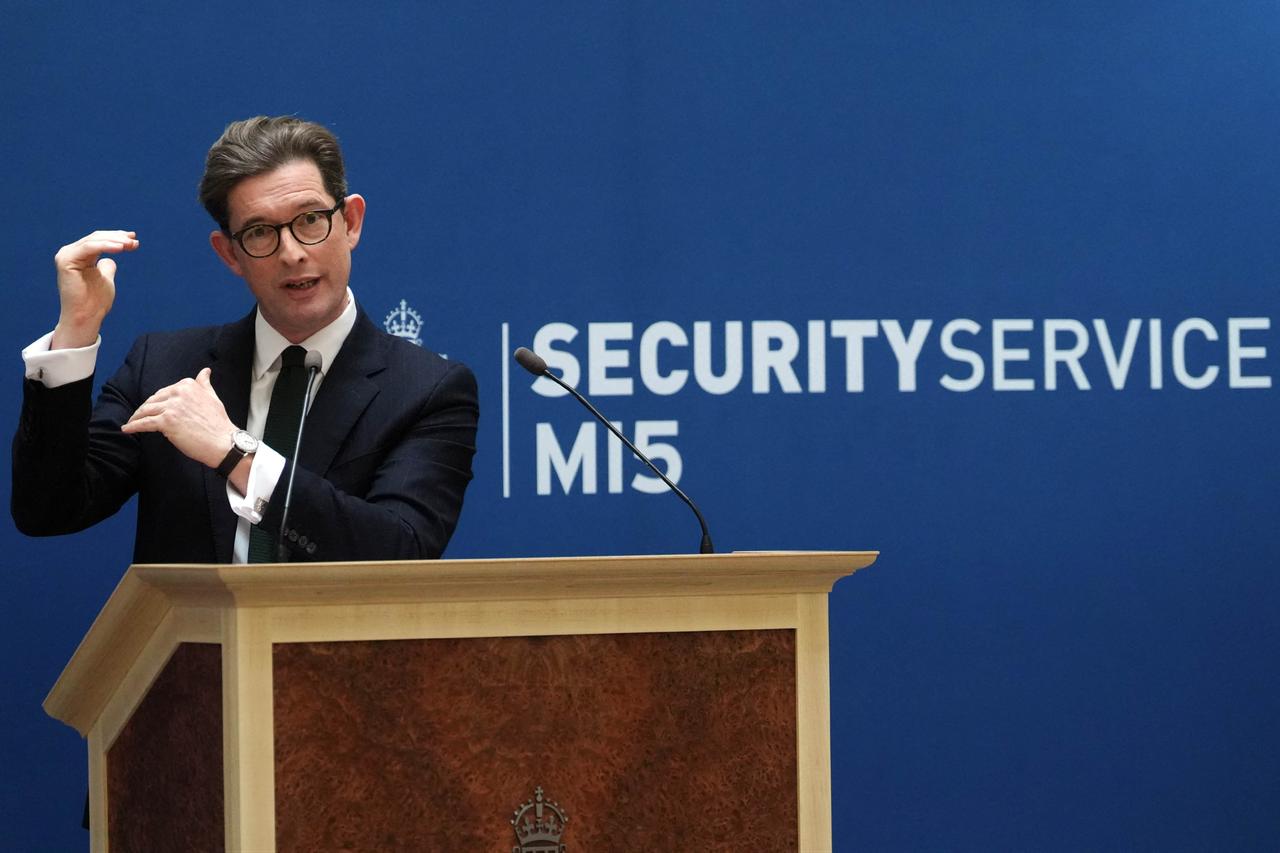


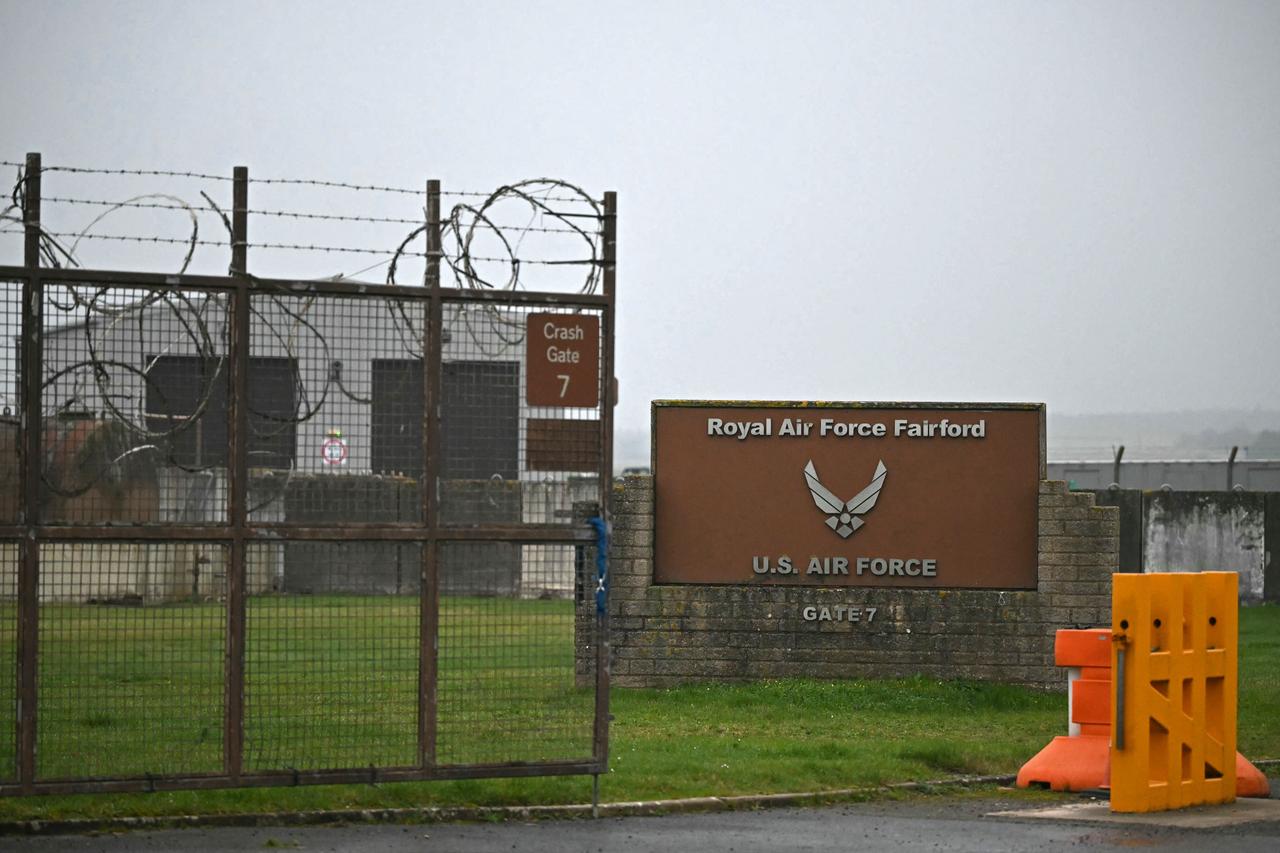
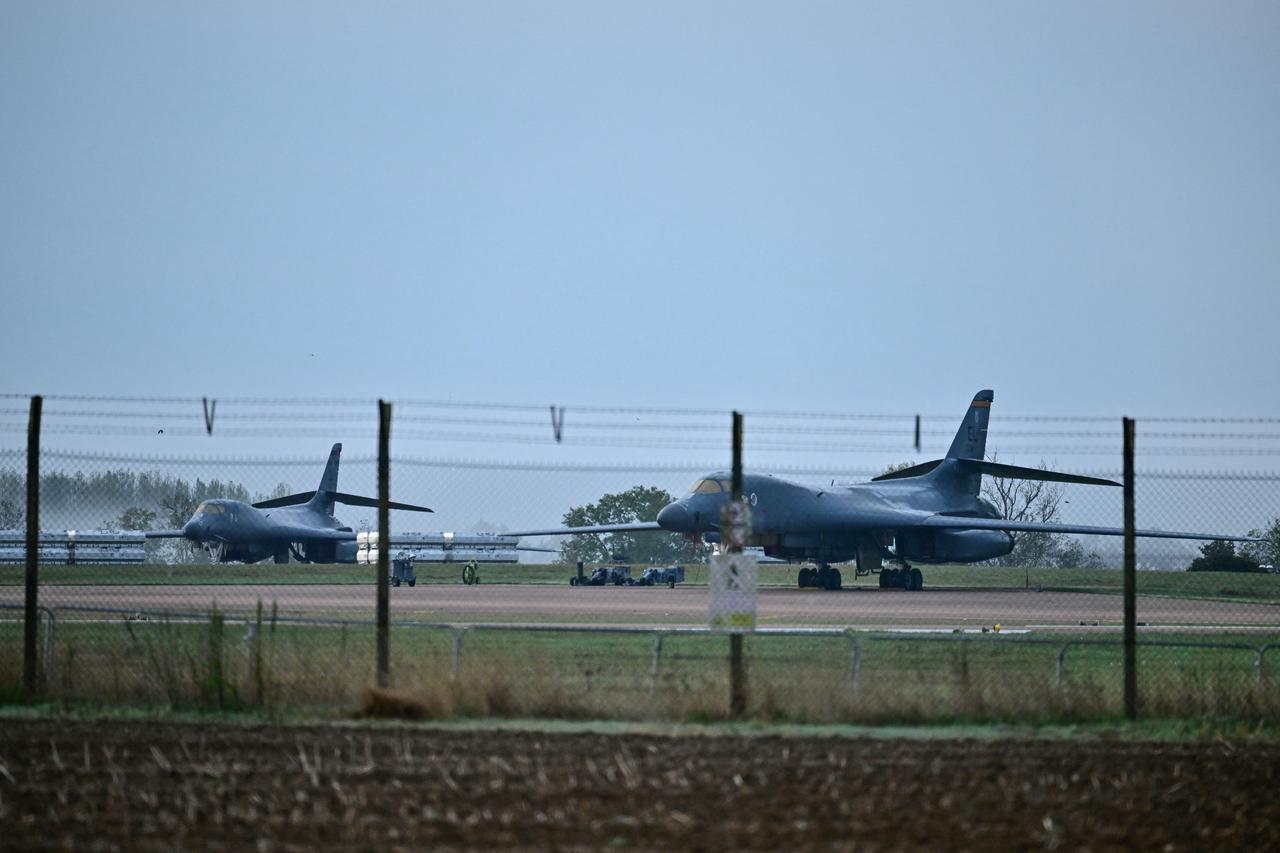
Iran is trying to strike harder targets in Britain, such as military sites, and the suspected plot against the RAF Fairford air base is "not unique," MI5 Director General Ken McCallum said Tuesday, as Tehran summoned Britain’s ambassador and threatened to "seriously reconsider" relations.
"The RAF Fairford incident is not unique. There have been other examples, not just in the U.K. but around the world," McCallum said in his annual threat speech, citing a "major shift this year" in "Iranian ambitions to come at harder targets, like military sites."
The warning from Britain’s domestic spy chief deepens a diplomatic standoff a day after Prime Minister Andy Burnham said Iran's Islamic Revolutionary Guard Corps (IRGC) "almost certainly" directed the Fairford plot, which Tehran denies.
McCallum said Iran-linked operations had led to more than 50 arrests in the past year and that state threats had quadrupled over the last decade. MI5 now devotes more resources to state threats than during the Cold War, he said.
Asked whether Iran could mount complex attacks, such as with explosive drones, he said its reliance on low-level criminal proxies in Britain limited its capability.
"Given what we’ve actually seen in practice in the UK in recent years, that has not been anywhere near (that) level of capability," he said.
"That said, clearly it is the case that in countries closer to its own homeland, the IRGC (Islamic Revolutionary Guard Corps) has quite deep experience of using more conventional and hybrid technology in a more aggressive and sophisticated way," McCallum said.
"It would be foolish for a person in a role like mine to discount the possibility," he added.

Iran summoned British Ambassador Hugo Shorter to convey a "strong protest" over Britain’s "irresponsible and destructive" approach, IRNA reported. Alireza Yousefi, director general for Western Europe at Iran’s Foreign Ministry, said London could not use "baseless accusations" to avoid responsibility for its role in U.S. and Israeli attacks on Iran.
"The British government must provide documents and evidence supporting its accusations against Iran," Iran’s Foreign Ministry said, according to state broadcaster IRIB. Yousefi warned Iran would "seriously reconsider" its relations with Britain if no evidence was provided "as soon as possible."
McCallum called Russia "aggressor number one," citing an attempted drone attack at Germany’s Leipzig airport and a cyberattack on Polish energy infrastructure.
"It's no accident that Russian aggressors are trying to unsettle other European homelands at a time when their military progress in Ukraine is minimal and horrifically costly," he said.
Russia’s embassy in London rejected the accusations. "Attributing every cyber incident, drone mishap and criminal case in Europe to Moscow is convenient, particularly when no evidence is offered," it said. "However, repeating baseless accusations does not turn them into facts."
McCallum also stated that artificial intelligence is "supercharging the cybersecurity contest between attackers and defenders." The misuse he weighs most heavily is "AI’s potential to change the stakes on existing or even new bioweapons," he said.
"One risk is that AI could enable dangerous knowledge to get into the hands of people we would all rather didn’t have that knowledge. A second and different risk is the possibility that AI could generate novel pathogens not previously seen," he told reporters, adding that MI5 has set up an AI Threat Assessment Center as MI5 confronts a widening range of threats.


 Set as preferred source
 Set as preferred source


 1 min read
 1 min read