Newsletters


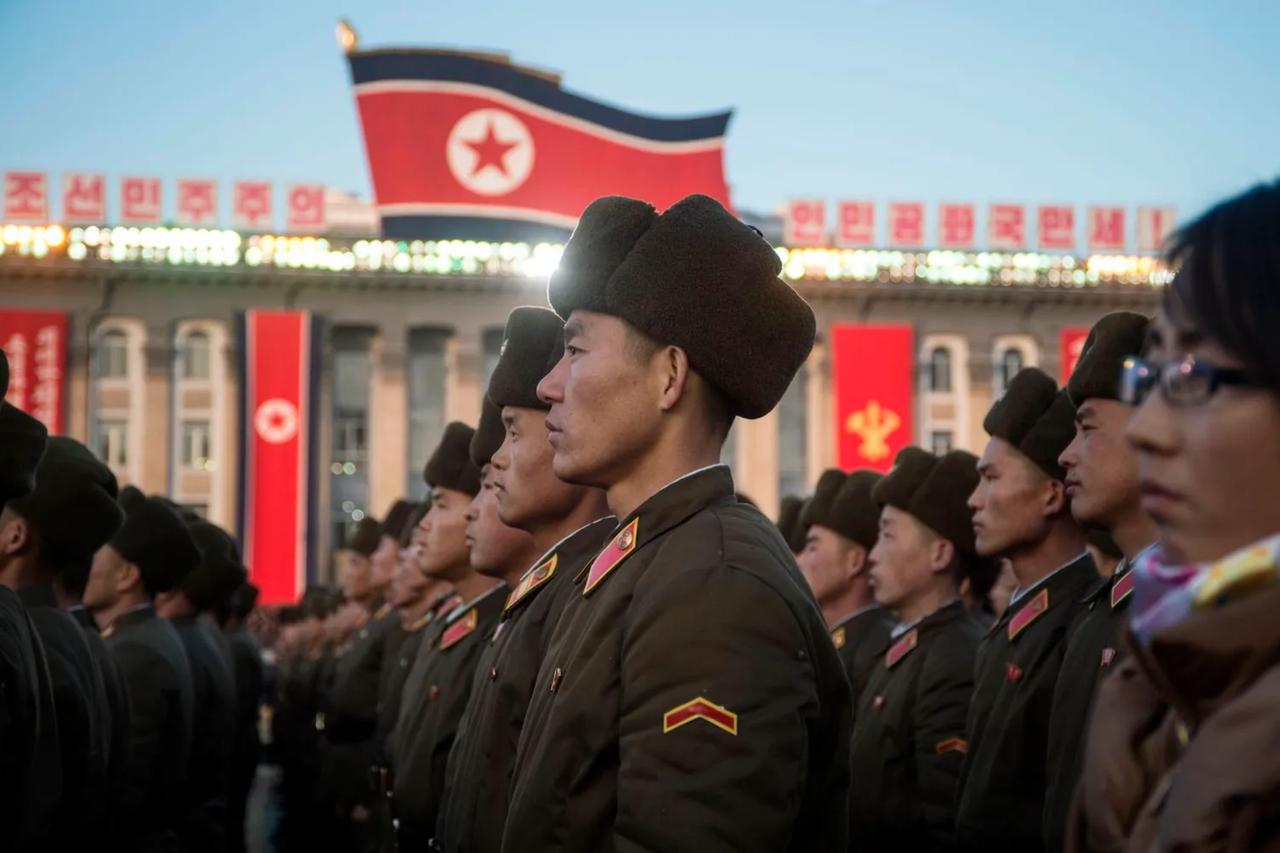


North Korea is gaining experience in long-distance troop deployments, military logistics and sustaining operations through its support for Russia in the Ukraine war, the commander of U.S. Forces Korea said Tuesday.
Gen. Xavier Brunson made the remarks during a discussion hosted by the Center for Strategic and International Studies in Washington, according to Yonhap News Agency.
“They've learned how to go from North Korea to find themselves in Russia to move men, weapons and equipment there, as well to build supply lines that would allow them to support the Russian war effort,” Brunson said.
He said North Korean forces had gained experience in strategic movement, mobilization and logistics, expanding their capabilities beyond tactical lessons learned on the battlefield.
Brunson warned that Pyongyang’s ability to incorporate wartime experience into its military could complicate deterrence efforts by the United States and South Korea.

Brunson also said Russia had provided North Korea with military equipment, including electronic warfare jammers, in return for Pyongyang’s support for Moscow’s war effort.
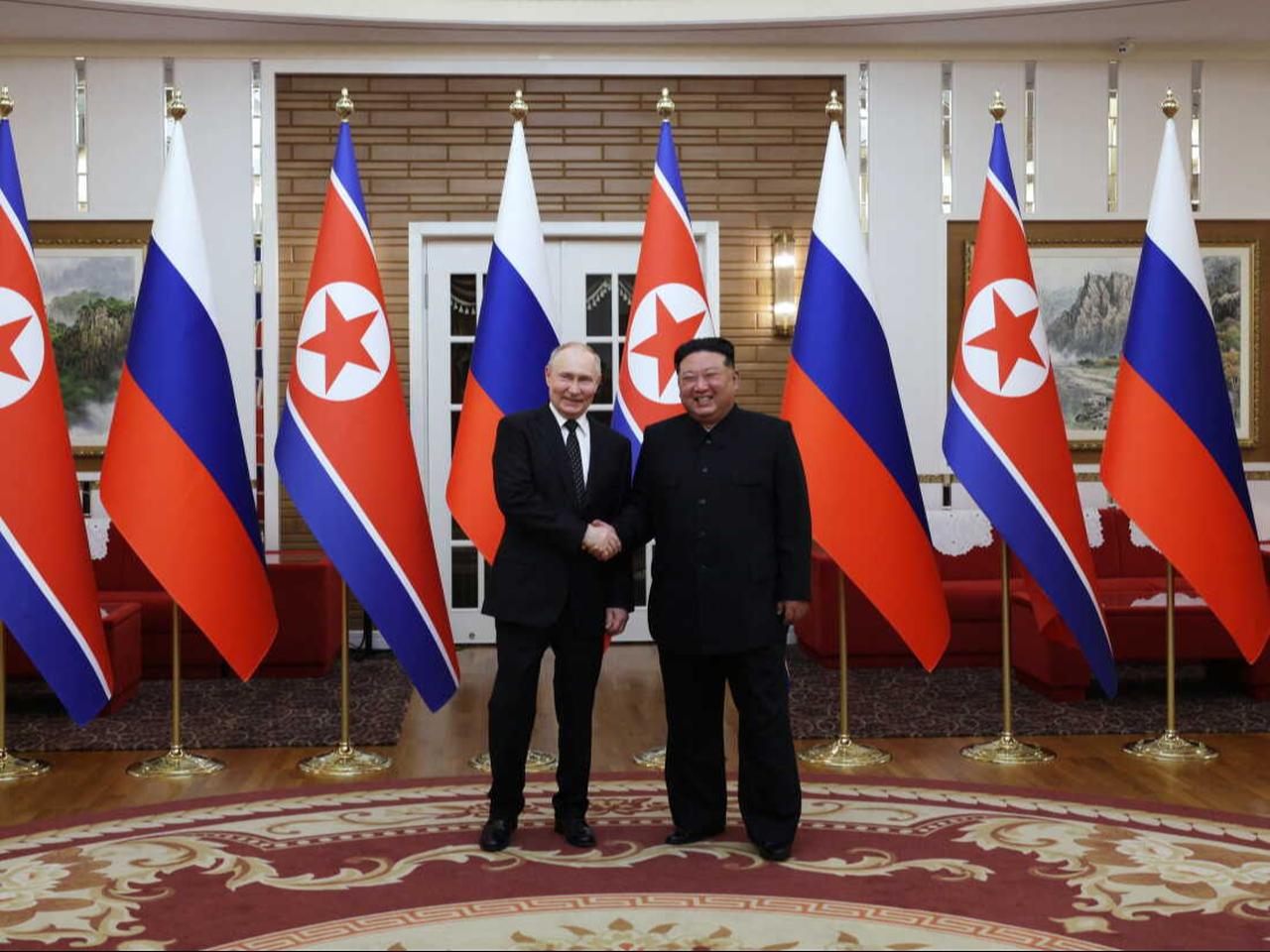
North Korean leader Kim Jong Un and Russian President Vladimir Putin signed a comprehensive strategic partnership treaty in June 2024.
Under the agreement, North Korea has deployed troops and provided conventional weapons to support Russia in the war with Ukraine.
In July, South Korea was monitoring reports of additional North Korean troop deployments to Russia, while Japan criticized growing military cooperation between Moscow and Pyongyang.
Brunson also addressed the proposed transfer of wartime operational control, or OPCON, from Washington to Seoul, reiterating his support for a conditions-based transition.
“I am in full support of OPCON transfer that is conditions based, full stop,” he said.
Brunson said the transfer should not proceed before critical military requirements and capabilities were met.
“At the end of the day, if my president, if my secretary of war tell me, ‘Execute right now,’ I go, ‘Yes, but here are the risks inherent in doing this without having fully met the conditions, securing the critical capabilities that are necessary.’”
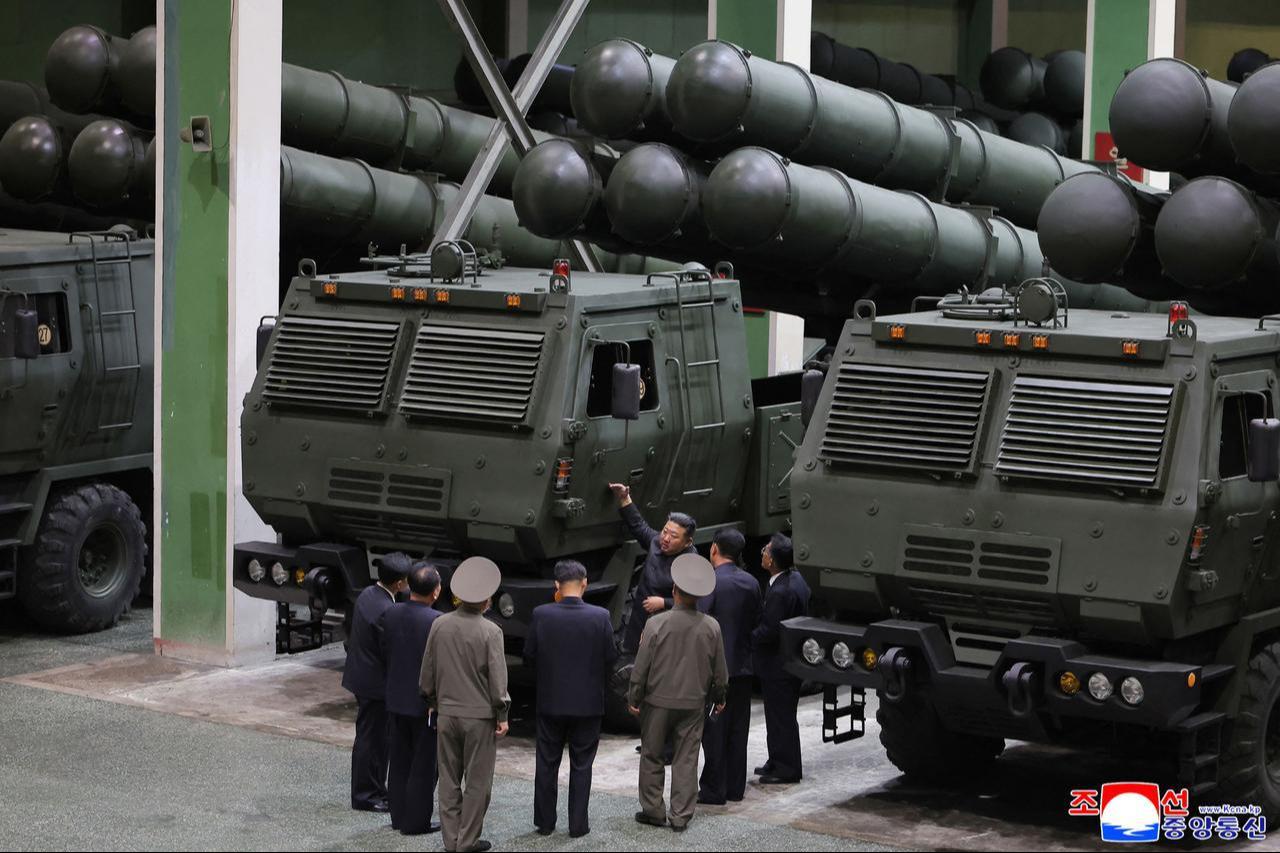
Brunson also praised South Korea’s advanced manufacturing capabilities and proposed deeper cooperation with its defense industry.
He said regional maintenance and repair capabilities could be developed in South Korea for U.S. military equipment instead of sending systems back to the United States for maintenance.
“We could develop things in Korea that we would then apply across the region,” Brunson said.
He said such cooperation could support a regional maintenance, repair and overhaul hub serving U.S. military operations across the Indo-Pacific.


 Set as preferred source
 Set as preferred source


 1 min read
 1 min read