Newsletters


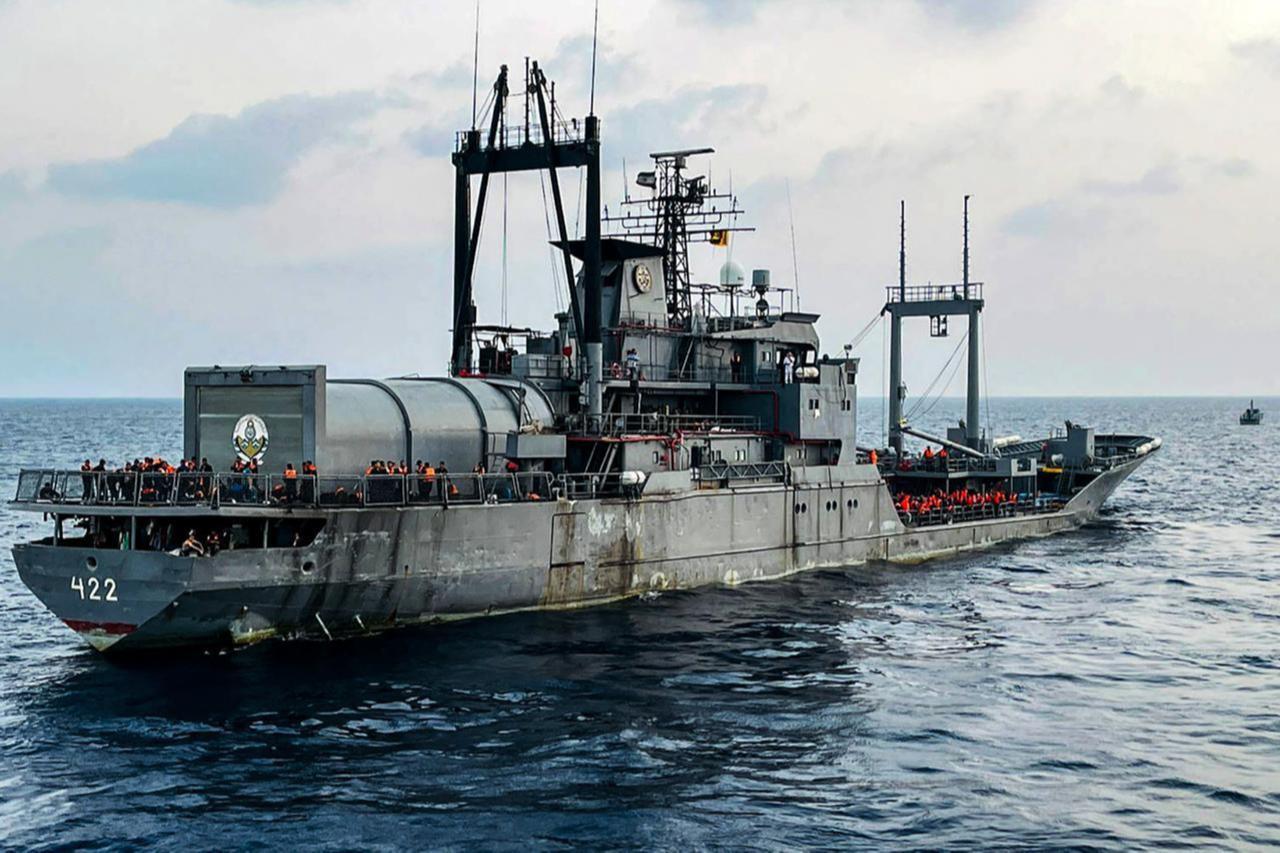


Iran's army announced Sunday that 104 crew members were killed and 32 others injured when the United States Navy torpedoed the Iranian frigate IRIS Dena in the Indian Ocean last week, making it one of the single deadliest naval engagements in decades and the first sinking of a warship by a submarine since the Falklands War more than 40 years ago.
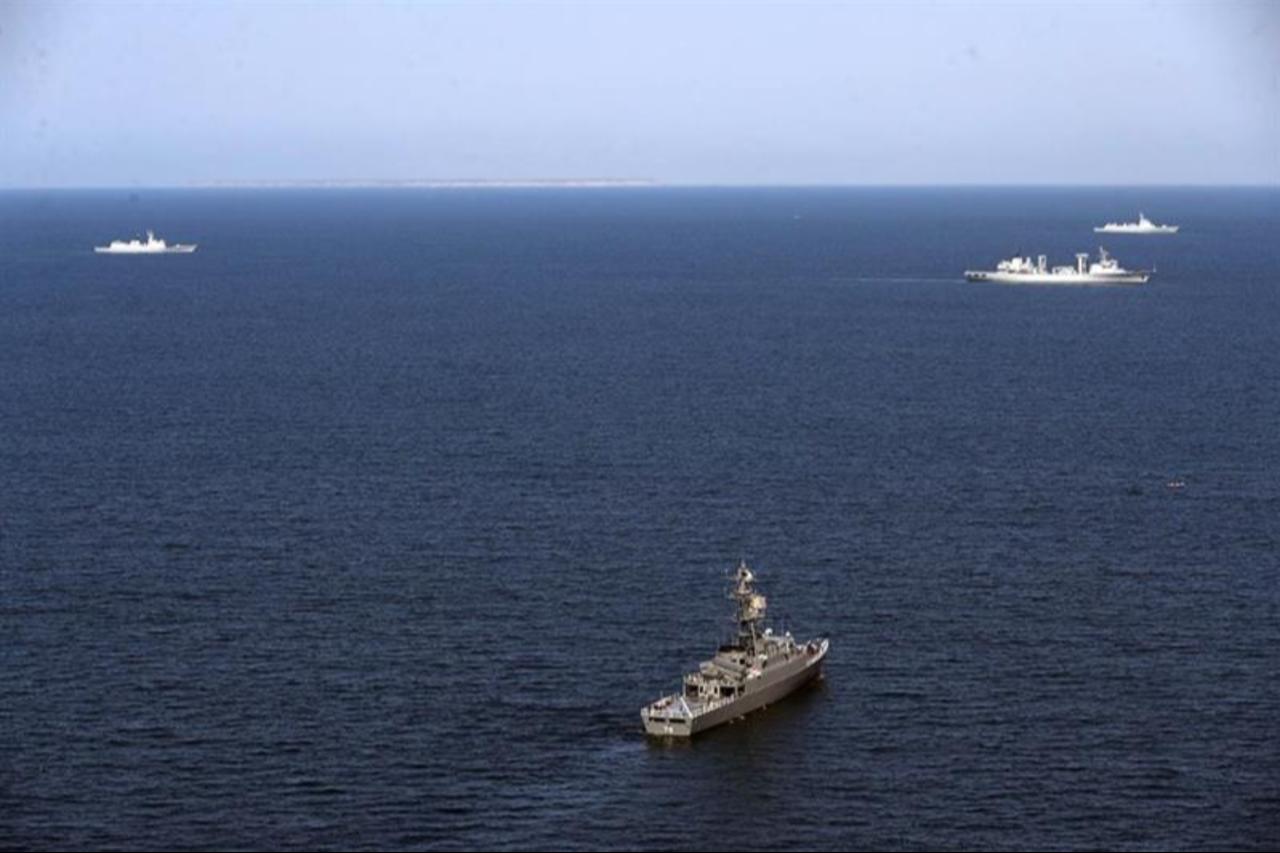
The Moudge-class frigate was struck on March 4 in international waters off the southern coast of Sri Lanka as it sailed home from the MILAN Peace 2026 multinational naval exercises in India, according to the state news agency IRNA.
Washington confirmed the attack, with Defense Secretary Pete Hegseth telling reporters at a Pentagon briefing that an American submarine had sunk the vessel, calling it "quiet death" and the first such US naval action against an enemy ship since World War II.
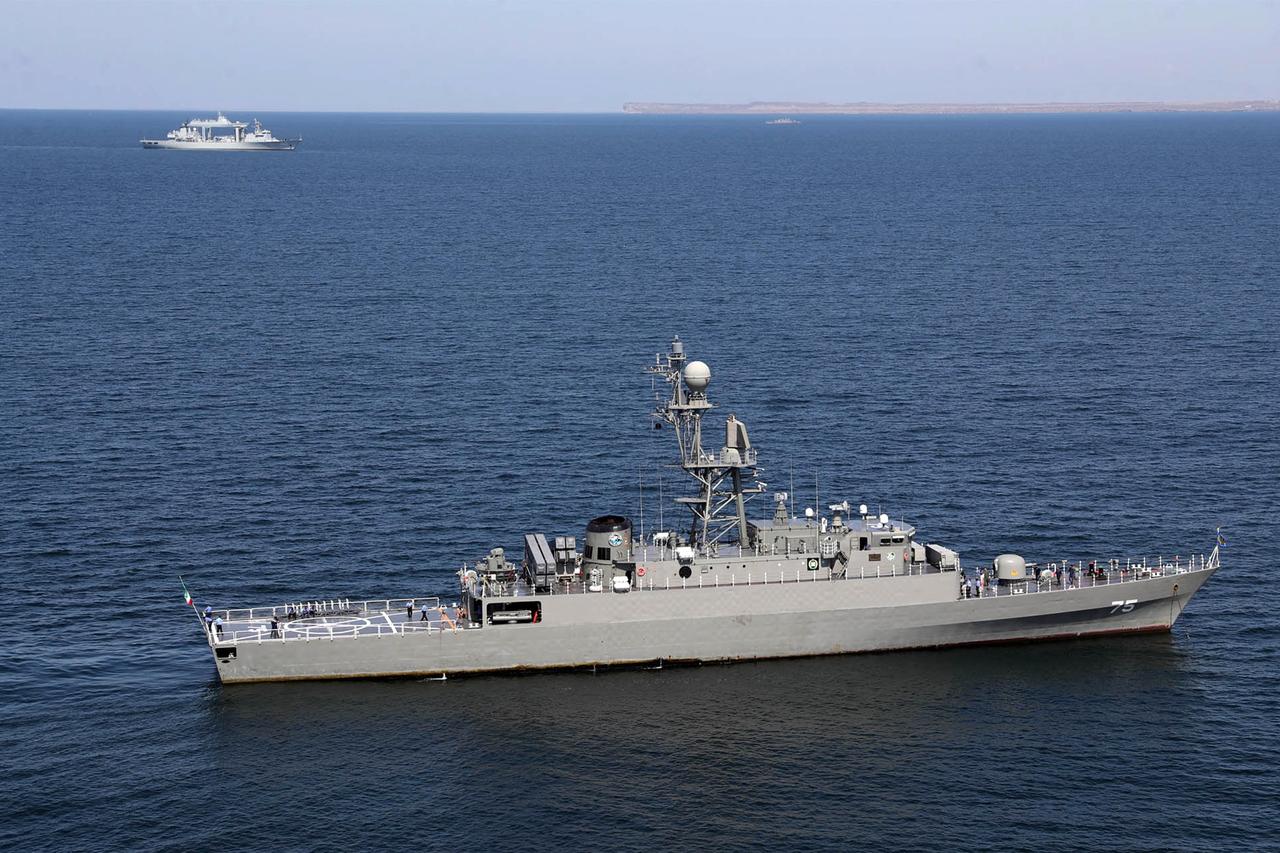

The IRIS Dena had spent roughly 10 days participating in the International Fleet Review and MILAN 2026 exercises hosted by the Indian Navy at the port of Visakhapatnam, an event that drew ships and personnel from 74 nations, including a US P-8A Poseidon maritime patrol aircraft.
Iran's Foreign Minister Abbas Araghchi condemned the sinking as "an atrocity at sea," stressing that the frigate had been "a guest of India's Navy" carrying roughly 130 sailors and was struck "2,000 miles away from Iran's shores" without warning.
The question of whether the vessel was armed at the time has become a point of contention. Former Indian diplomat Kanwal Sibal asserted that exercise rules barred participating ships from carrying live ammunition, though India's own official account of MILAN 2026 noted that live surface gun and anti-air firings took place during the sea phase. The Pentagon has not directly addressed the claim.
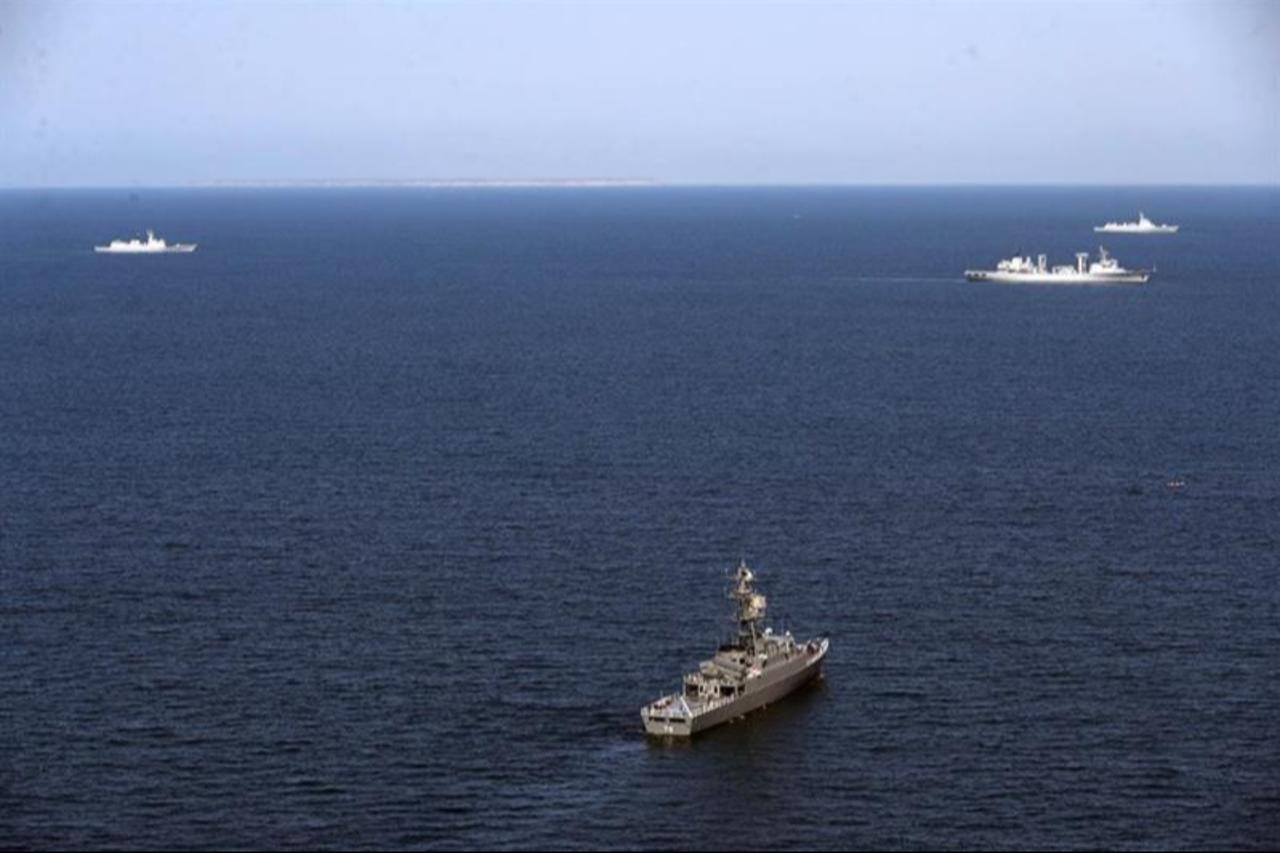
Sri Lanka said it launched a joint rescue operation after receiving a distress call from the stricken frigate at approximately 5:08 a.m. local time, roughly 19 nautical miles off the coast of Galle.
The ship reportedly sank within two to three minutes of being hit. Sri Lankan naval and air force units pulled 32 surviving crew members from the water and rushed them to the main hospital in Galle, while recovering 87 bodies in the immediate aftermath.
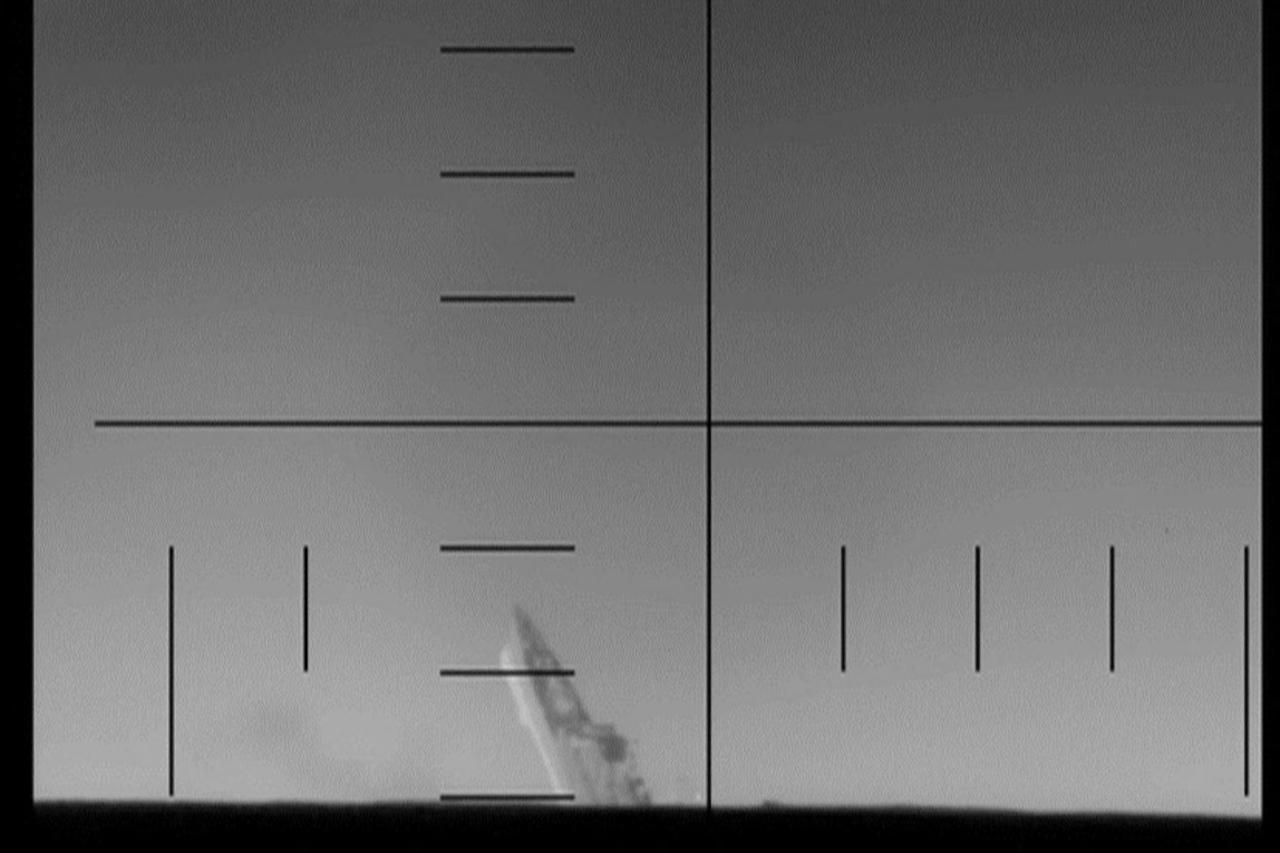
The US submarine, later identified as the Los Angeles-class USS Charlotte, fired two Mark 48 torpedoes at the Dena, one of which struck the vessel. The Pentagon released periscope footage showing a massive explosion at the ship's stern.
Australian Prime Minister Anthony Albanese subsequently confirmed that three Royal Australian Navy personnel were aboard the submarine as part of an AUKUS training rotation, though he said they did not participate in any offensive action.
The attack on the Dena came as the United States and Israel continued large-scale airstrikes on Iran that began on Feb. 28. Those strikes killed Supreme Leader Ali Khamenei and more than 1,200 other people while injuring over 10,000, according to Iranian authorities.
President Donald Trump told reporters that Iran's navy, air force, and radar capabilities had been largely destroyed, with US Central Command reporting it had struck or sunk more than 20 Iranian vessels in the opening days of the campaign.
Tehran retaliated with missile and drone attacks targeting Israel, Iraq, Jordan and Gulf countries hosting US military assets. Iranian sources indicated the government was preparing to expand its target list beyond military sites to include economic and strategic interests linked to Washington and its allies across the region.
The sinking also sent ripples through the Indian Ocean. A second Iranian vessel, the IRIS Bushehr, was interned by Sri Lanka's navy after requesting entry to Colombo port, the first such internment of a warship in a neutral country since World War II.
A third ship, the landing vessel IRIS Lavan, sought refuge and was interned at Kochi, India. The incidents have sparked a sharp political debate in New Delhi, where opposition leader Rahul Gandhi criticized Prime Minister Narendra Modi's silence, saying "the conflict has reached our backyard."


 Set as preferred source
 Set as preferred source


 3 min read
 1 min read