Newsletters


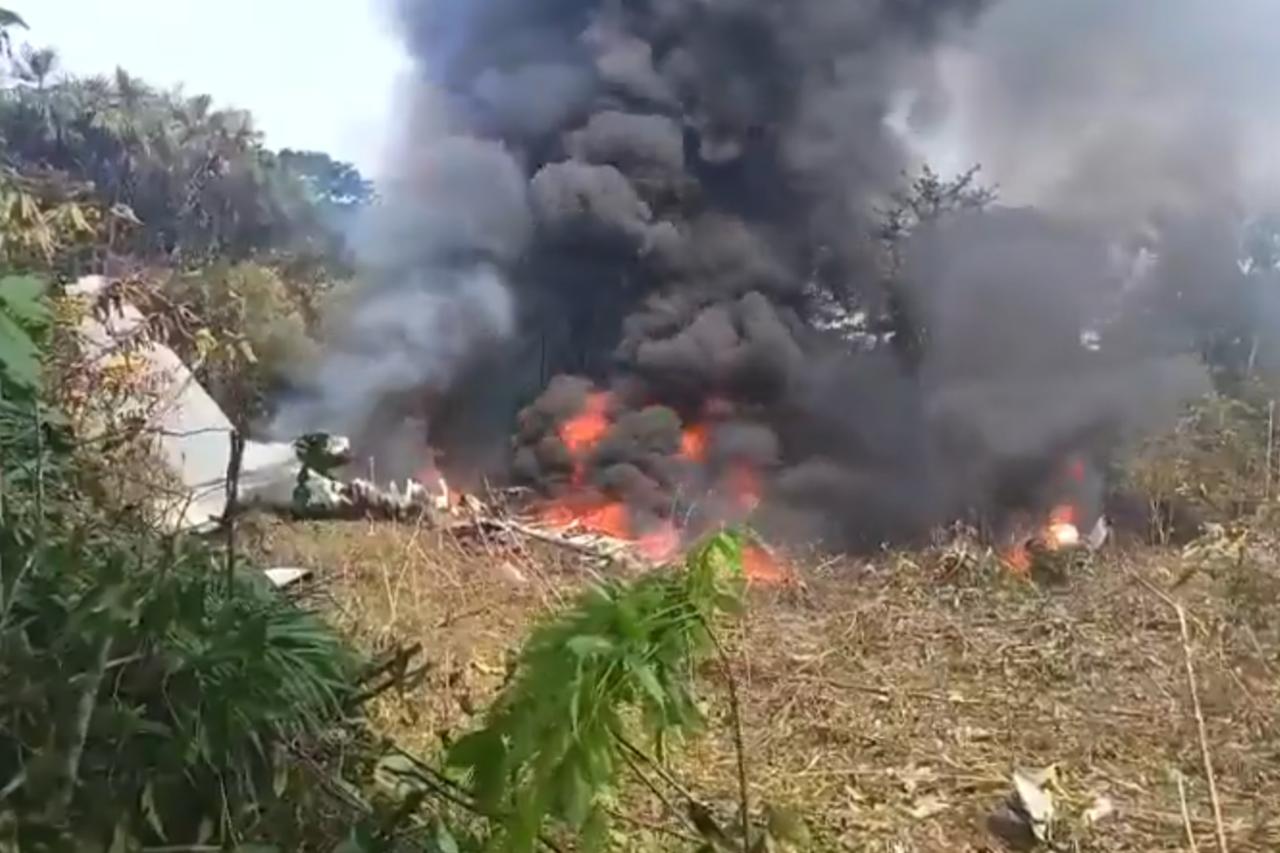


A Colombian Air Force C-130H Hercules carrying more than 100 soldiers crashed moments after takeoff from the La Tagua airstrip near Puerto Leguizamo on Monday morning, in what is shaping up to be one of the deadliest military aviation disasters in the country's recent history.
The aircraft, which was transporting troops belonging to the Fuerza Publica, exploded upon impact in dense jungle just kilometers from the airfield in the southern department of Putumayo, near the Peruvian border.
Unofficial sources first indicated at least 90 people had died, with Colombian military confirming at least 80 dead. Approximately 20 survivors with injuries were reported to be receiving treatment at nearby health facilities.
Witness footage circulating widely on social media showed a massive column of grey smoke rising above the crash site and the shattered remains of the fuselage consumed by flames, while panicked voices could be heard in the background as civilians and uniformed personnel rushed to the scene.
The aircraft, registered as FAC 1016, was performing a troop transport mission for the National Army when it suffered a loss of lift during its initial climb phase, striking dense jungle a short distance from the airfield. At least 110 service members were reportedly aboard, belonging to three platoons destined for Puerto Asis, though this figure had not been independently verified at the time of publication.
Defense Minister Pedro Arnulfo Sanchez confirmed the accident in a statement posted to X, writing: "With deep sorrow I report that a Hercules aircraft of our Air Force suffered a tragic accident while taking off from Puerto Leguizamo, when it was transporting troops of our Fuerza Publica." He added that military units had reached the crash site but that neither the precise number of casualties nor the cause of the incident had been established.
Sanchez called on the public to refrain from speculation until official information was available.
A local resident who spoke to Colombian radio described the chaotic rescue effort: "We are in a farming area where the plane came down and we are gathering all the wounded... We have put them in the police vehicle and people from the town are helping carry people on motorcycles."
President Gustavo Petro responded on social media, saying: "I hope we do not have deaths in this horrifying accident that should never have happened."
He then pointed to what he described as bureaucratic obstacles within the military's administrative apparatus that had delayed modernization of the armed forces' equipment, stating that he had requested a key budgetary review process more than a year ago but that it had not been completed.
National Police Director General William Rincon said all available resources had been mobilized to support rescue operations, victim assistance, and the investigation. "Today the pain belongs to all of us," he said.
Interior Minister Armando Benedetti also weighed in, writing on social media that he was "stunned and saddened" by the news and was praying for the victims' families while awaiting word on survivors.
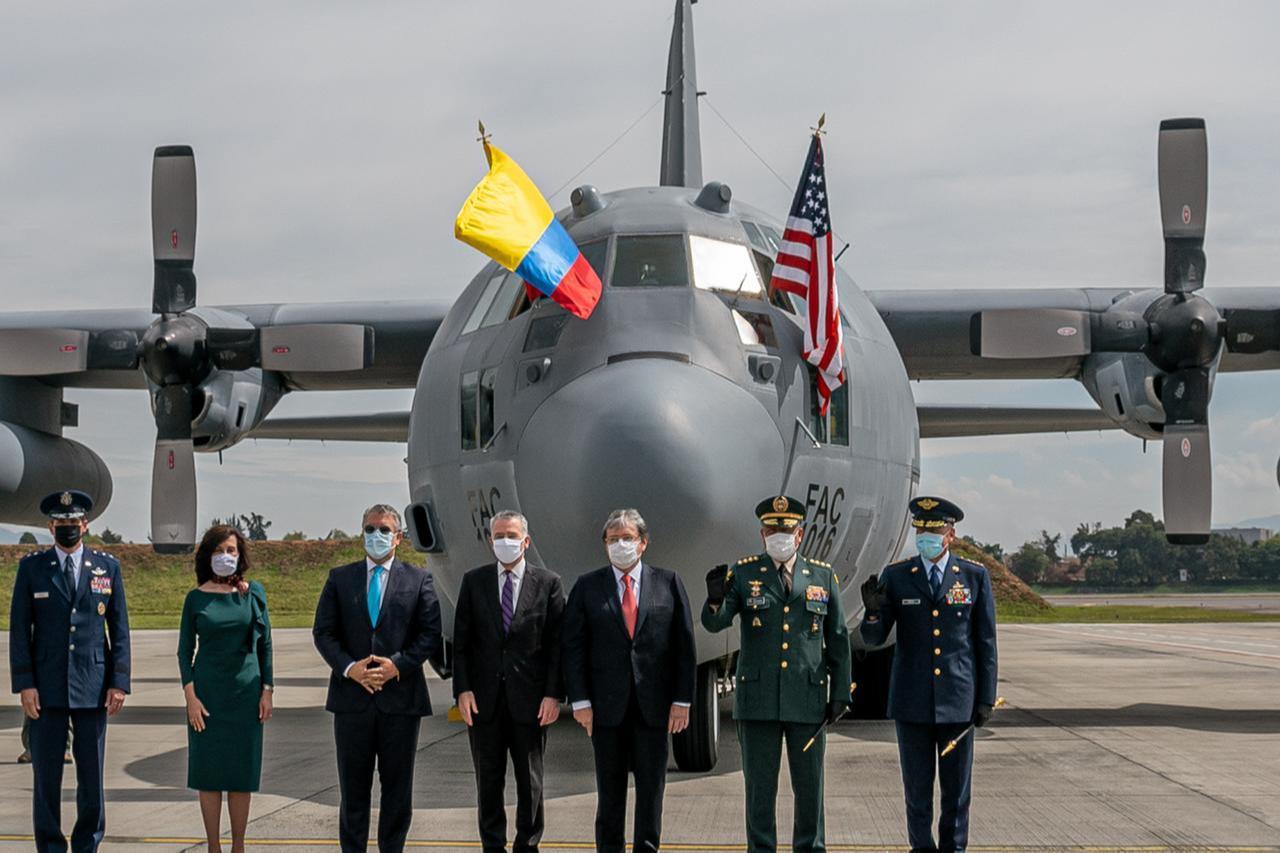

FAC 1016 arrived in Colombia in September 2020 through the U.S. Excess Defense Articles program, the first of three C-130Hs acquired from Washington, each valued at approximately $30 million. It originally served in the U.S. Air Force under serial number 83-0488. Between 2021 and 2023, the airframe underwent programmed depot maintenance at facilities run by the Colombian Aeronautical Industry Corporation (CIAC), including a full structural overhaul and engine updates.
The Hercules fleet is operated by Transport Squadron 811 out of Bogota's El Dorado air base and serves as a backbone of Colombia's strategic airlift capability, particularly for reaching remote jungle outposts across the country's south.
The C-130 Hercules, manufactured by Lockheed Martin, has been in service with militaries around the world since the 1950s and remains one of the most widely operated military transport aircraft globally. Powered by four Allison T56 turboprop engines, the aircraft is designed to operate from short, unprepared runways, a feature that makes it indispensable in regions like Putumayo where infrastructure is limited.
Meteorological data from the nearest station at Puerto Asis recorded a temperature of 28°C with a dew point of 24°C at the time of the crash, indicating extremely high humidity that can reduce engine performance and lift during takeoff.
Early speculation has centered on possible mechanical failure or weight-related issues during the critical takeoff phase, though officials have urged caution pending a formal investigation.


 Set as preferred source
 Set as preferred source



 4 min read