Newsletters




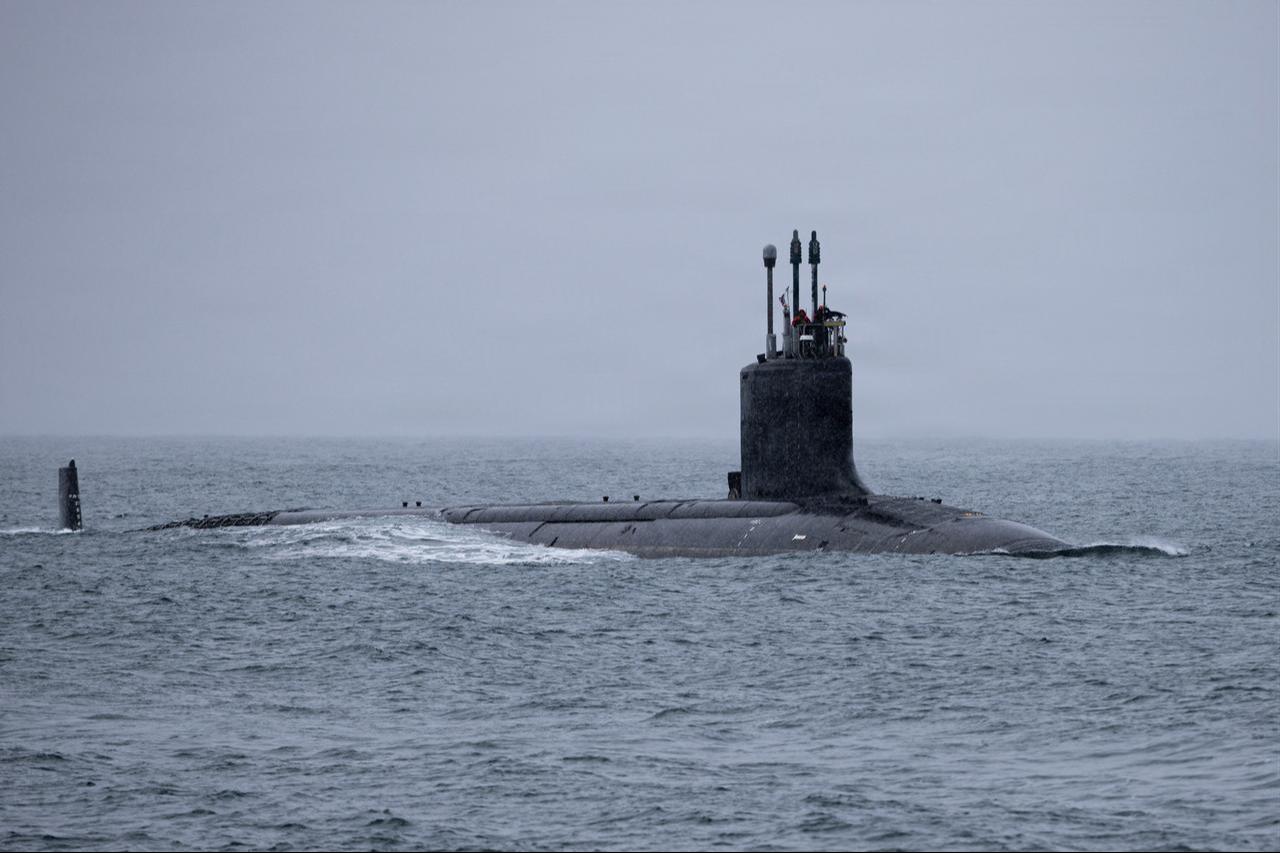
A U.S. submarine, USS Charlotte, torpedoed and sank the Iranian warship IRIS Dena in the Indian Ocean on March 4, killing at least 84 crew members and marking the first time the U.S. Navy sank an enemy vessel with a torpedo since World War II.
"The USS Charlotte fired two MK 48 torpedoes at the IRIS Dena. The first torpedo missed, but the second sank the warship," the officials who spoke to CBS News said.
The attack, roughly 40 kilometers (24.8 miles) south of the Sri Lankan port of Galle, came days after U.S.-Israeli strikes on Iran on Feb. 28, triggering war in the Middle East.
Secretary of War Pete Hegseth called it "quiet death," touting the strike as evidence of America's global reach in its war on Iran.
"An American submarine sank an Iranian warship that thought it was safe in international waters. Instead, it was sunk by a torpedo," Hegseth told during the news conference.
The attack on Dena was the first military strike far outside the Middle East since the United States and Israel launched their war on Iran.
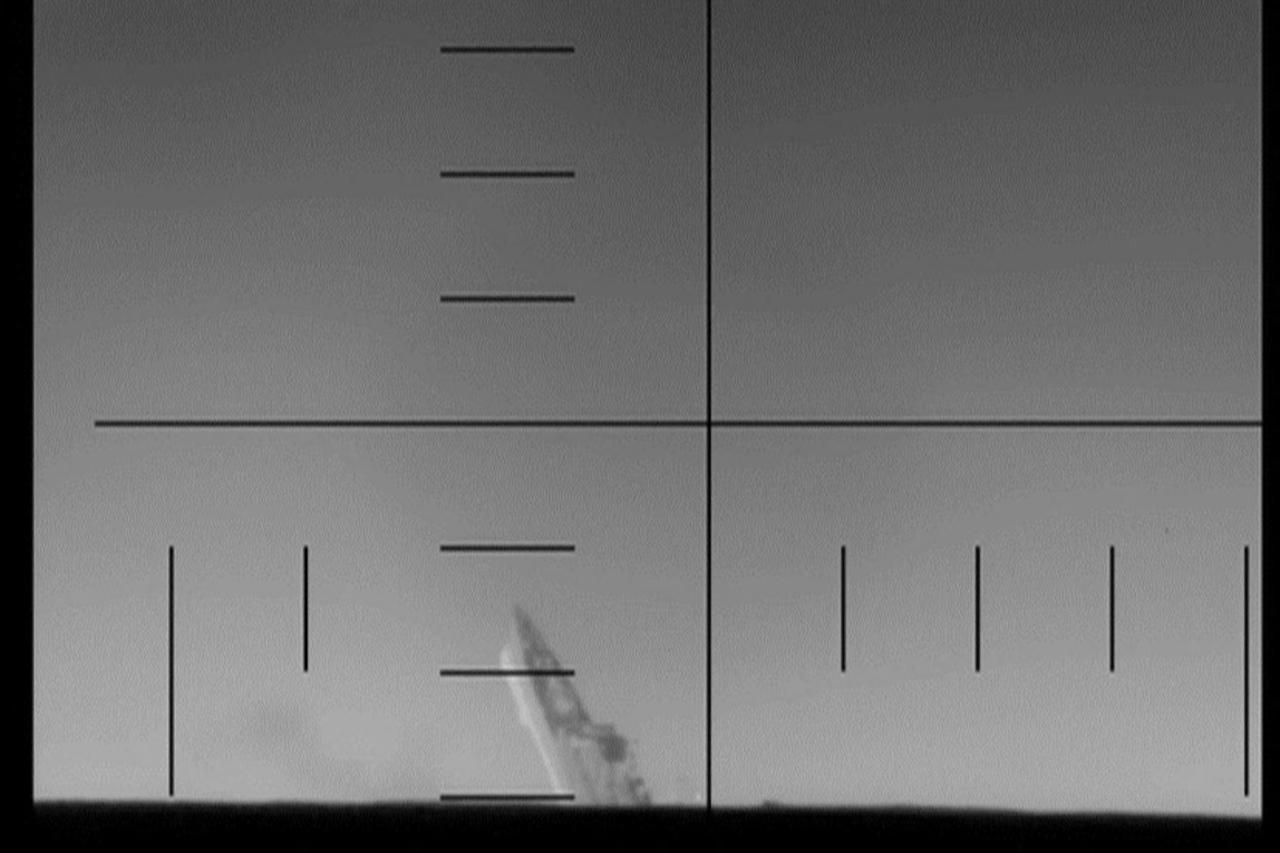
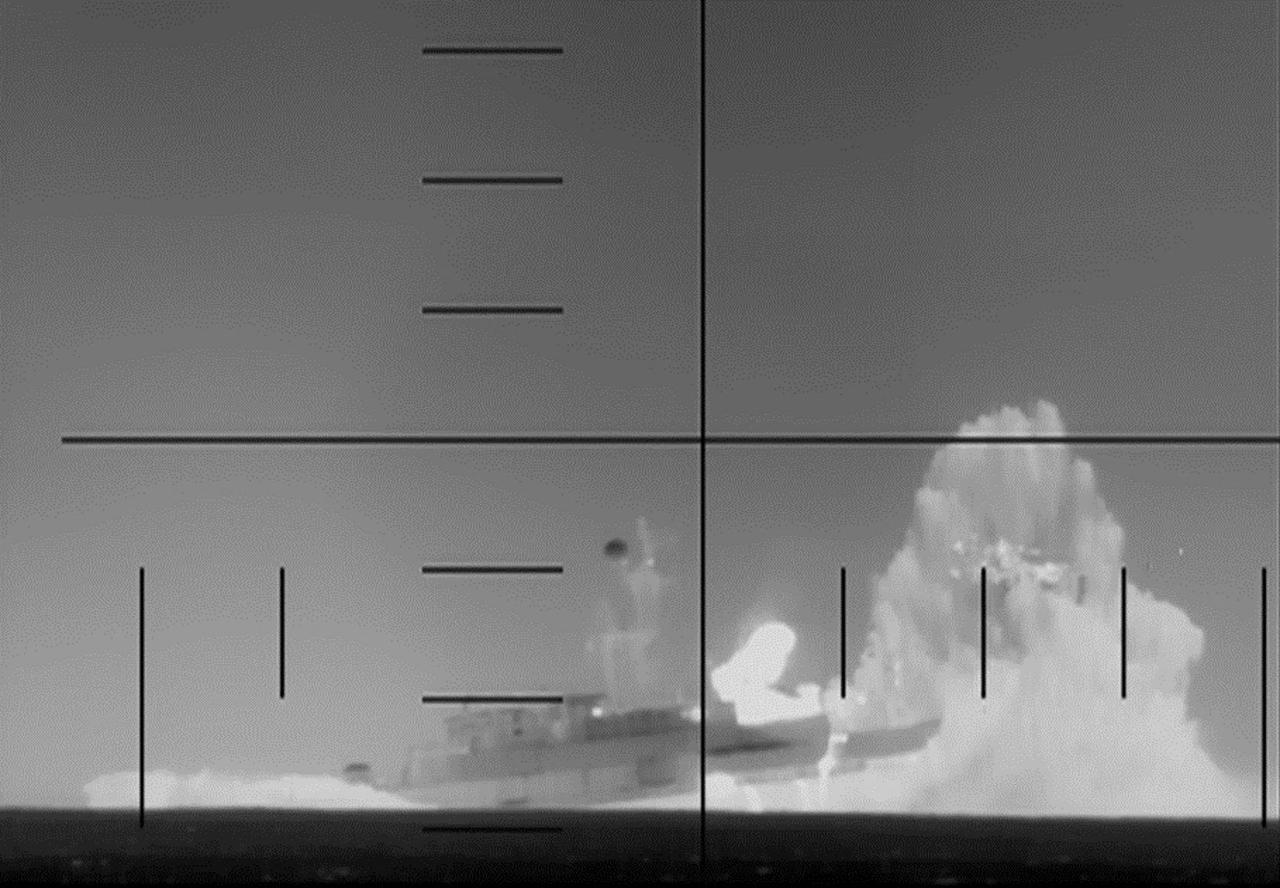
Washington afterward released what it said was periscope footage of the submarine firing on the ship and an image of its hull almost vertical as it slipped below the surface.
Sri Lanka is also providing a safe haven for another 219 Iranian sailors from a second ship, the IRIS Bushehr, which was allowed to enter Sri Lankan waters after the Dena was sunk.
What does this unprecedented attack tell us about modern submarine warfare, the vulnerability of surface fleets and the future of naval combat? Associate Professor of Naval History and Strategy Evren Mercan provides expert analysis.

Question: What does the footage tell us about current U.S. submarine targeting capabilities? What can be evaluated from the footage shared by the U.S. Department of War?
Associate Professor of Naval History and Strategy Evren Mercan: How the target was initially detected and how long it was trailed remain unknown in open sources.
There is no publicly available information on the sensor architecture, tracking duration, or the tactical setup before the engagement.
What can be assessed from the available material is therefore limited. Low-light periscope footage appears to show a heavy underwater detonation beneath or near the ship’s aft section, followed by rapid structural failure.
This visual evidence aligns with reporting by USNI, citing a Pentagon briefing, that IRIS Dena was struck by a Mk-48 torpedo, although some sources suggest that two torpedoes may have been fired during the engagement.
Achieving such a result requires the attacking submarine to complete the classic undersea kill chain: detection, classification, localization, generation of a firing solution, and successful torpedo prosecution against a moving surface combatant. This sequence indicates a stable target track and confidence in the fire-control solution.
The reported use of a Mk-48 torpedo also suggests that the submarine crew assessed the engagement conditions as favourable and expected the attack to achieve a decisive effect.
Although the footage provides only limited insight into the target’s maneuvering pattern, there is no visible indication that IRIS Dena was executing evasive measures such as zigzagging at the time of the strike. This may suggest that the ship’s command team did not anticipate any immediate threat during that phase of transit, including from submarines.
At the same time, there is no confirmed information regarding the vessel’s sonar posture, alert status, or whether any torpedo warning or countermeasure deployment occurred.
Any assessment on this point, therefore, remains a cautious inference derived from the available imagery and limited open-source reporting.
Question: How does this attack compare to other recent naval incidents in terms of lethality and execution? Why is this important?
Mercan: In terms of lethality and execution, this incident stands out from many naval engagements observed in recent years. In the Black Sea, Ukraine’s asymmetric operations against the Russian fleet and in the Red Sea, Houthi attacks on commercial shipping, have largely relied on anti-ship missiles, one-way attack UAVs (often referred to as "kamikaze drones"), and unmanned surface vessels (USVs).
Such engagements frequently cause fires or severe damage, yet the sinking itself is often delayed, leaving a limited window for evacuation or damage control.
The strike on IRIS Dena presents a different operational profile. A heavyweight torpedo detonating beneath the hull can inflict catastrophic structural damage within seconds.
The available imagery appears to show a large underwater explosion followed by rapid structural failure and loss of the vessel, indicating a highly lethal engagement with very limited reaction time for the target.
From an operational perspective, submarine-launched torpedo attacks differ fundamentally from missile or UAV strikes. Missile engagements usually involve radar detection, some degree of early warning, and the possibility of layered defensive measures such as electronic warfare, decoys, and close-in weapon systems (CIWS).
As the loss of the Russian cruiser Moskva demonstrated, however, these defenses are not always successfully employed. By contrast, a torpedo launched from a covert submarine platform generates far less tactical warning and becomes extremely difficult to defeat once the weapon enters its terminal phase.
The IRIS Dena incident, therefore, illustrates how quickly a surface combatant can be neutralized when operating without a robust anti-submarine warfare (ASW) screen.
Although direct engagements between submarines and surface warships have been relatively rare since the Second World War, several cases demonstrate the enduring lethality of submarine attack. During the 1971 Indo-Pakistani War, the Pakistani submarine PNS Hangor sank the Indian frigate INS Khukri with torpedoes.
In the 1982 Falklands War, the British nuclear attack submarine HMS Conqueror torpedoed and sank the Argentine cruiser ARA General Belgrano. The destruction of IRIS Dena can be viewed as a contemporary reminder of this historical pattern.
Question: How has submarine doctrine evolved in the last decade, and does this incident validate particular approaches to underwater warfare?
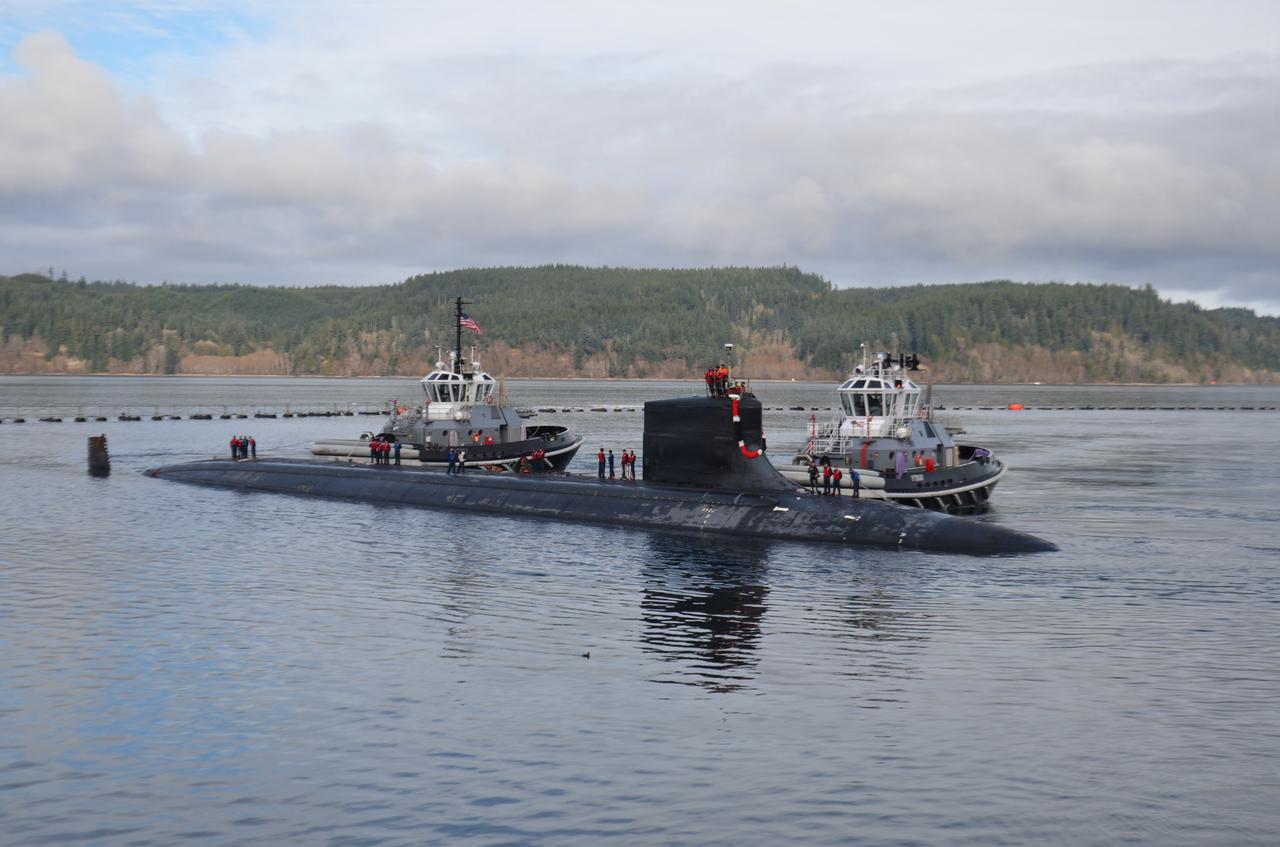
Mercan: Over the past decade, submarine doctrine has increasingly emphasized integration within a broader maritime battlespace rather than the isolated employment of submarines as independent raiding platforms.
Concepts such as Distributed Maritime Operations and integrated undersea warfare place submarines within a networked operational architecture that includes maritime patrol aircraft, surface combatants, unmanned systems, and space-based surveillance assets.
Within this framework, submarines function not only as stealthy strike platforms but also as covert sensors and intelligence collectors contributing to the overall maritime situational picture.
Despite these doctrinal adaptations, the core operational logic of submarine warfare has remained largely unchanged.
Stealth, persistence, and the ability to establish undetected contact with surface targets continue to define the decisive advantages of undersea platforms.
Advances in networking, sensing, and targeting have primarily expanded how submarines integrate with other forces, rather than altering the fundamental dynamics of submarine attack.
In this sense, the IRIS Dena incident does not represent a doctrinal rupture. Instead, it reinforces a long-standing principle of naval warfare: once a submarine achieves covert contact and generates a firing solution, the tactical initiative in the engagement tends to shift decisively beneath the surface.
Question: What vulnerabilities does this expose in the current surface fleet defense against submarines?
Mercan: The sinking of IRIS Dena highlights a long-standing vulnerability of surface warships operating without an ASW screen. Modern surface combatants are well equipped for air and missile defense, yet protection against submarines still depends on layered ASW.
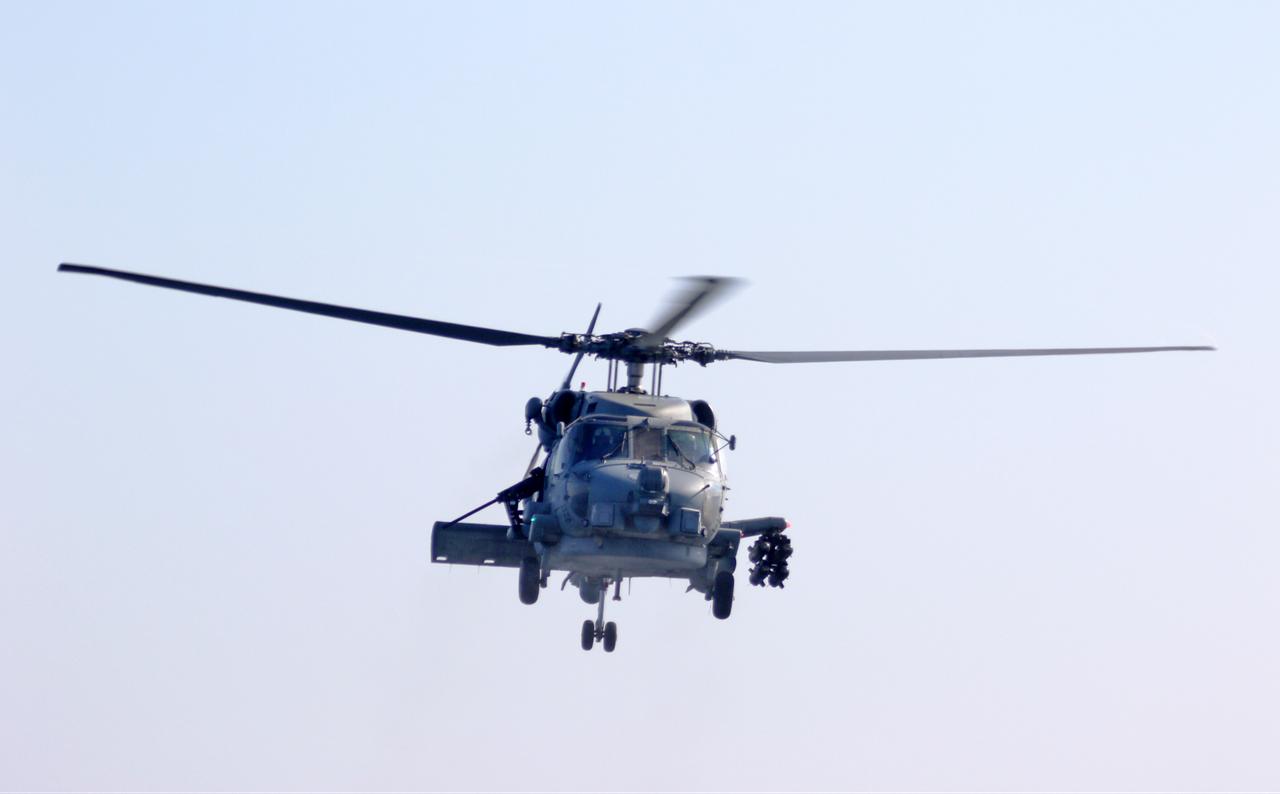
Without support from maritime patrol aircraft, ASW helicopters, escorting surface units, and distributed sensors, a single warship has limited ability to detect a covert submarine threat.
Submarine detection is inherently difficult. Passive sonar performance is strongly influenced by environmental conditions, and effective ASW usually requires several platforms working together.
The thermal structure of the water column can create positive or negative sound velocity gradients, which directly affect acoustic propagation and sonar detection ranges.
Surface ships, helicopters employing dipping sonar, sonobuoy fields deployed by maritime patrol aircraft, and the command and control (C2) network linking these assets together form the core of modern ASW operations. If this layered system is absent or degraded, a submarine may remain undetected long enough to establish contact and obtain a firing position.
The IRIS Dena incident, therefore, illustrates a structural reality of naval warfare. A surface combatant transiting without an effective ASW umbrella becomes highly vulnerable once a submarine achieves covert contact.
In such circumstances, the engagement timeline compresses rapidly, leaving little opportunity for detection, countermeasures, or evasive maneuver before the torpedo enters its terminal phase.
Question: What does the loss of IRIS Dena mean for Iranian naval capabilities and operations in the Indian Ocean?
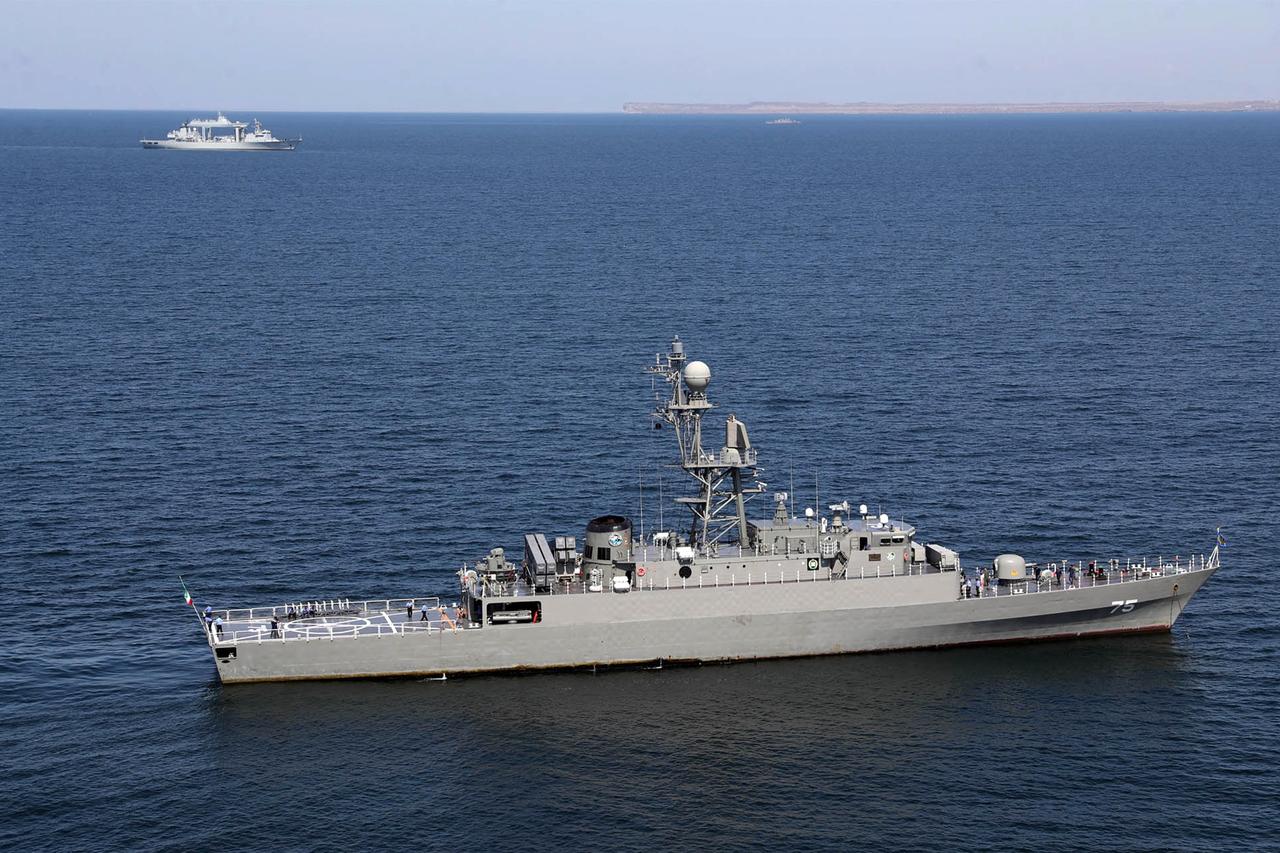
Mercan: Moudge-class IRIS Dena was, in fact, one of the most modern surface combatants in the inventory of the Islamic Republic of Iran Navy. Although classified by Iran as a destroyer, the ship’s displacement and overall capability place it closer to a corvette by conventional naval standards. Designed as a multi-role surface combatant, Dena was equipped with air defense and ASW systems.
However, how effective these systems would prove under high-intensity, real combat conditions remains uncertain. For this reason, many analysts tend to view the vessel’s capabilities as technically present but operationally unproven.
Dena formed an important component of Tehran’s strategy to conduct extended patrols, demonstrate naval presence, and participate in multinational maritime activities (!) beyond the Persian Gulf. Its loss, therefore, reduces the limited number of platforms Iran can employ for sustained deployments in distant waters and may constrain the tempo of Iranian surface operations in the Indian Ocean.
More broadly, the incident points to the severe degradation of Iran’s conventional surface fleet. Recent strikes have destroyed or disabled a significant number of Iranian naval vessels and have also targeted key naval C2 structures and shore infrastructure.
Taken together, these losses indicate that the Islamic Republic of Iran Navy’s surface force has suffered substantial operational attrition.
In this context, the loss of a platform such as Dena should not be viewed simply as the destruction of a single warship, but as part of a broader erosion of Iran’s conventional naval capability.
Setting aside asymmetric assets such as fast attack craft and kamikaze unmanned surface vessels, Iran’s capacity to mount an effective conventional naval response in a high-intensity maritime environment appears increasingly constrained.
Question: What does this tell us about the future viability of surface warships in high-intensity conflict scenarios?
Mercan: It is worth recalling that debates over the vulnerability of surface warships date back to 1866, when Robert Whitehead introduced the first practical self-propelled torpedo and fundamentally altered the balance between surface ships and underwater weapons.
The destruction of IRIS Dena, therefore, does not imply that surface combatants have lost their relevance or operational value.
What it does highlight is a long-standing reality of naval warfare: wherever submarines operate, the survivability of surface ships depends heavily on the operational environment and the protective architecture surrounding them.
Compared with earlier eras, modern warships carry greater strategic weight and operate across a broader spectrum of missions. Beyond their wartime roles, surface combatants increasingly function as instruments of deterrence and naval diplomacy, often representing the most visible manifestation of state power at sea.
In peacetime, they routinely undertake maritime security operations, presence missions and humanitarian assistance during natural disasters and humanitarian crises, projecting influence and reassurance while maintaining readiness for high-intensity conflict.
However, in today’s five-domain operational environment, the survivability of a surface combatant operating outside a layered defensive structure and a joint operational framework becomes increasingly difficult to sustain.
The threat environment now spans subsurface, surface, air, space, and the electromagnetic spectrum. Hypersonic anti-ship missiles, naval mines, unmanned systems, and submarines represent some of the most significant components of this expanding maritime threat landscape.
The lesson from the destruction of IRIS Dena, therefore, lies not in the disappearance of surface warships, but in a shift in how they must operate. Their survivability will increasingly depend on networked maritime operations, distributed force structures, and persistent ASW coverage.
In high-intensity naval conflict, the integrated architecture linking sensors, platforms and C2 systems will be just as decisive as the weapons and sensors carried by the ships themselves.
At the same time, both surface warships and torpedoes will continue to evolve by adapting to changing operational conditions and acquiring new capabilities.
The history of naval warfare offers numerous examples of this continuous action–reaction dynamic between offensive systems and the countermeasures developed against them.
The long contest between armor and naval gunnery remains one of the most familiar illustrations. Periods of technological or tactical advantage may provide temporary superiority, yet such advantages are eventually offset by new innovations and countermeasures that restore the balance.
This dynamic competition is therefore likely to persist.
As one side approaches its technological or tactical limits, it inevitably becomes vulnerable to a new form of asymmetry and the cycle of adaptation begins once again.


 Set as preferred source
 Set as preferred source


 4 min read