

 Newsletters


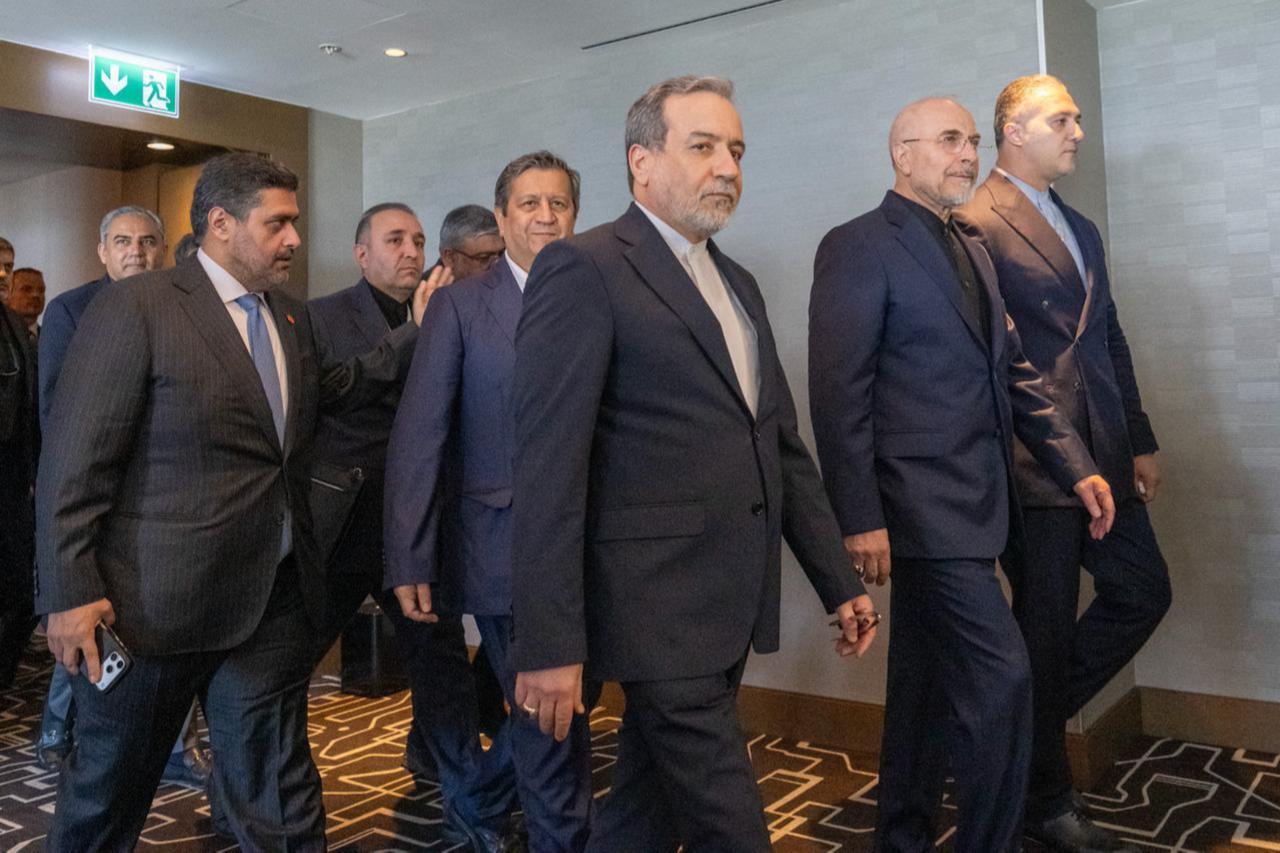


Iran's parliament speaker said Sunday that Tehran has communicated its conditions for ending its blockade of the Strait of Hormuz to the United States through international mediators, as the two countries remain locked in a monthslong standoff that has disrupted one of the world's most critical oil shipping routes.
The statement from Mohammad Bagher Ghalibaf, who has served as Iran's chief negotiator in efforts to end the conflict, came as Iran continues to restrict passage through the strait while the United States presses its own campaign targeting Iranian ports and economic infrastructure. The confrontation stems from a war that began with US and Israeli strikes on Iran in late February.
"Our messages and the explanation of our conditions have been clearly conveyed to the other party through mediators," Ghalibaf said, according to Iranian state television. He said a return to normal conditions in the strait depends on Washington's response: "As long as the conditions are not met... and the US commitments are not honoured, it will be impossible to return to the situation from before the negotiations and to an open strait."
His remarks followed comments a day earlier from Mohsen Rezaei, head of Iran's Supreme National Security Council, who said Tehran had transmitted its terms to Washington through Qatar. Rezaei outlined three central demands: "an end to the war on all fronts, the release of our frozen funds and an end to the naval blockade."
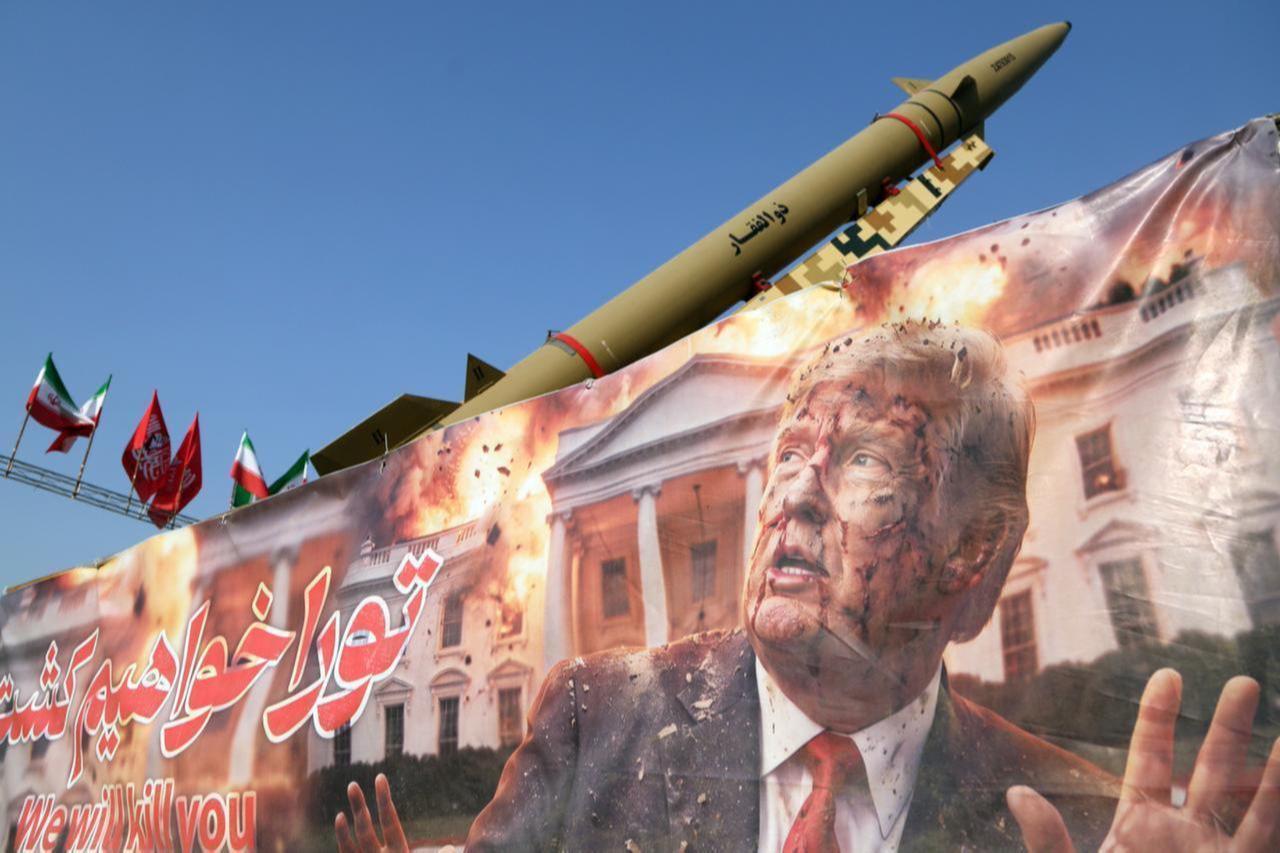

Rezaei, speaking to Al Jazeera, said Iran was now in a stronger military position than when the war began and cautioned that any renewed US action would be met with escalation. "We will confront America with greater force, and with more numerous and more painful strikes," he said, naming US military bases and commercial interests in the region as potential targets. "We are prepared for a decisive war."
He said Iran had upgraded its weapons capabilities during the conflict, including increasing the speed of its hypersonic missiles "from Mach 6 to Mach 10," alongside improvements to air defense systems and the development of new electronic warfare capabilities. Rezaei said these advances meant that, should fighting resume, "US ships, unless they withdraw from the Indian Ocean, will be subject to attack."
Iran's Khatam al-Anbiya central military command issued a similarly worded warning Sunday, carried by state television, stating that any US misstep would result in continuous strikes on American bases and interests in the region "without any limit or restraint."
Iranian officials said Pakistan's Interior Minister Mohsin Naqvi was expected to arrive in Tehran on Sunday for talks, adding to the roster of intermediaries, including Qatar, involved in efforts to de-escalate the standoff.
The Strait of Hormuz, separating Iran from Oman and the United Arab Emirates, is one of the world's busiest chokepoints for seaborne oil and liquefied natural gas shipments, with a significant share of global crude exports passing through its narrow waters. Its closure or restriction has long been considered a major flashpoint with the potential to disrupt global energy markets.


 Set as preferred source
 Set as preferred source


 1 min read
 1 min read


