Sign in
 Newsletters


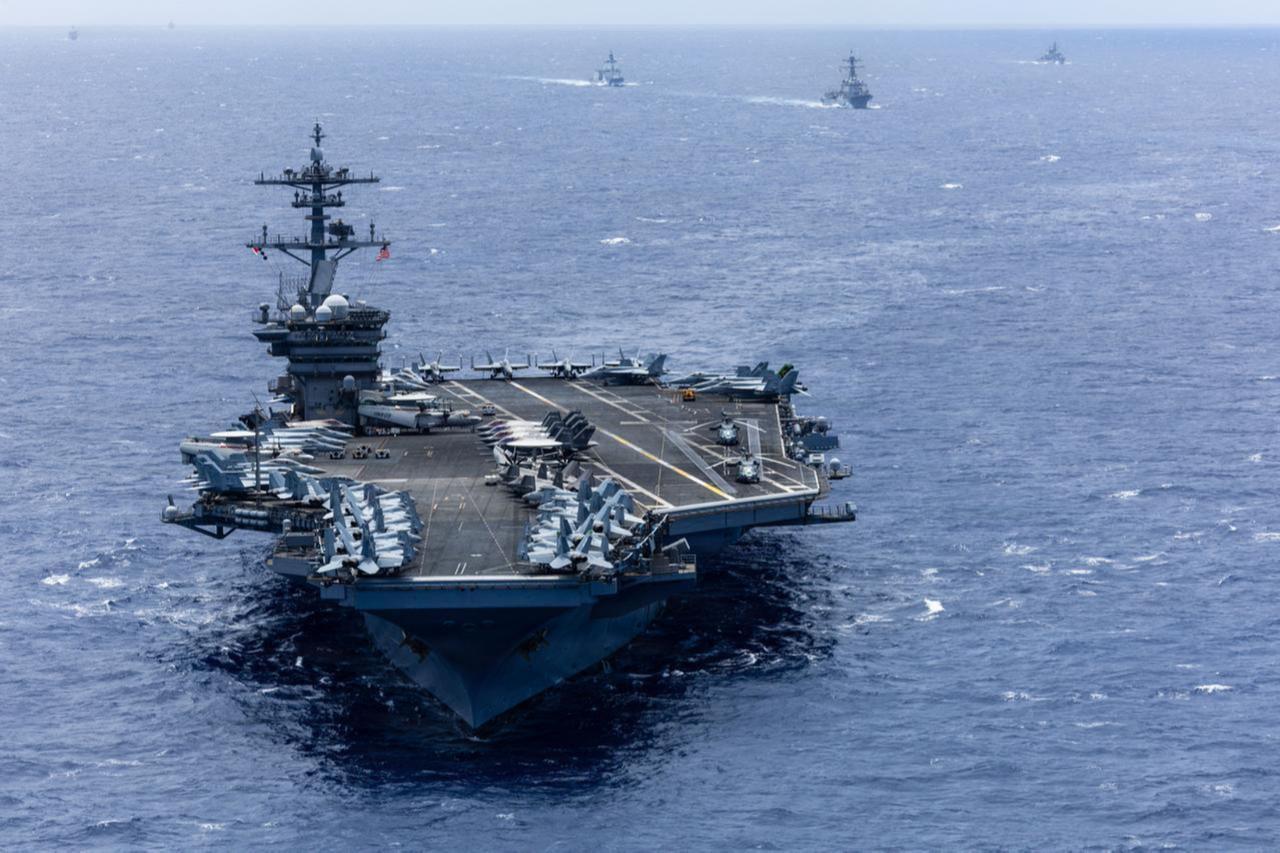


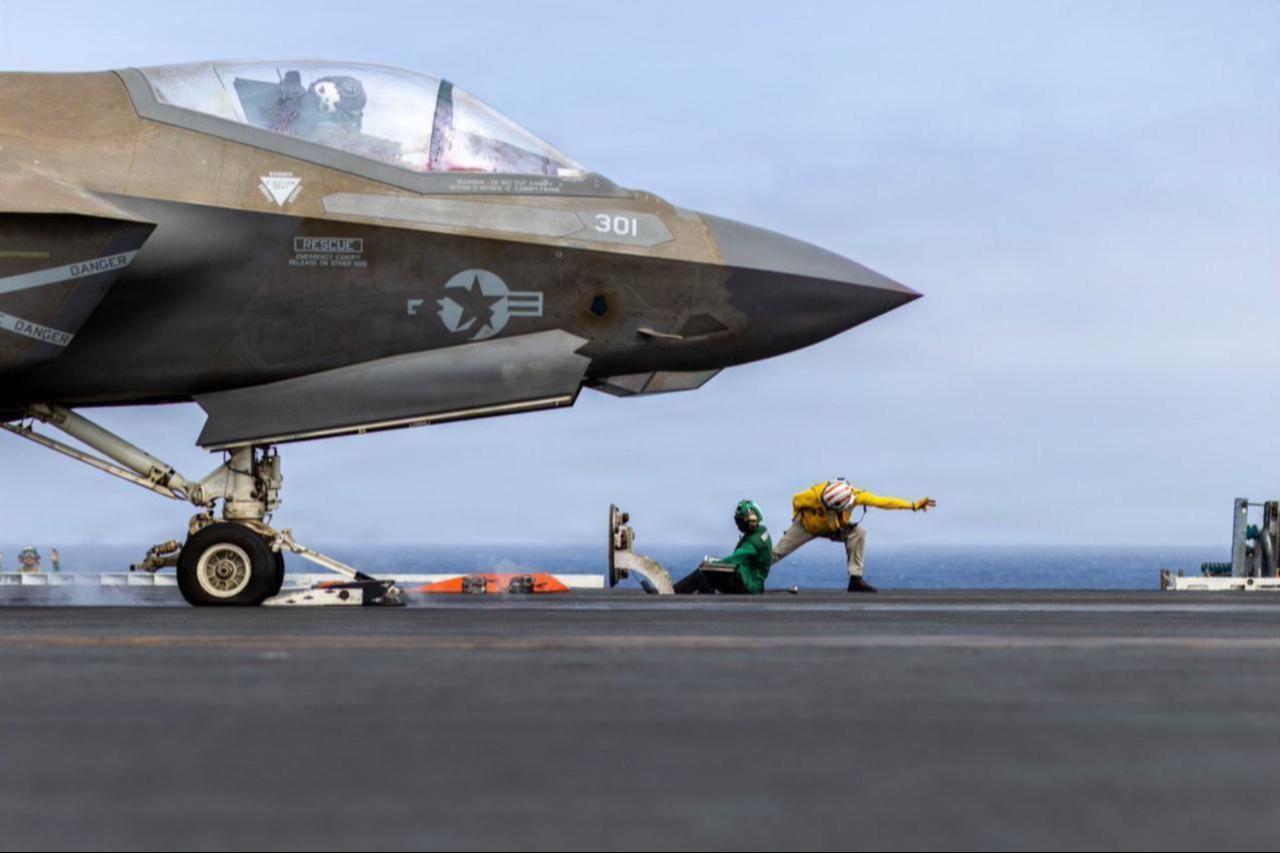
The U.S. military campaign against Iran has cost approximately $48.3 billion since late February, a Pentagon official told lawmakers Thursday, as the Senate once again rejected a measure seeking to force President Donald Trump to withdraw American forces from the conflict.
Arthur Miller, Trump's nominee for assistant secretary of the Navy for financial management and comptroller, disclosed the figure during his nomination hearing before the Senate Armed Services Committee.
The estimate covers ammunition, equipment replacement and operational expenses, but excludes the cost of repairing U.S. military installations across the Middle East damaged by Iranian attacks.
Miller also acknowledged that the additional repair expenses were not included in the $48.3 billion estimate and that he did not have a figure for the damage.
The Senate rejected H.Con.Res. 93 by a vote of 48-51 on Thursday, blocking the measure that sought to force Trump to withdraw U.S. forces from hostilities with Iran.
Three Republicans—Susan Collins, Lisa Murkowski and Rand Paul—crossed party lines to back the resolution, while Sen. John Fetterman was the only Democrat to oppose it. Sen. Chris Murphy did not vote.
The House had approved the measure in September by a 220-204 vote. Sponsored by Democratic Rep. Seth Moulton, it sought to compel the withdrawal of American forces from the conflict.
The war began on Feb. 28, when U.S. and Israeli forces launched attacks on Iran. The two sides reached a ceasefire in April, but fighting later resumed as diplomatic negotiations stalled.
Hostilities continued despite Washington and Tehran signing a memorandum of understanding in June.
The latest vote marked one of more than a dozen attempts by senators to curb or end U.S. military involvement in Iran since the conflict began. One such resolution passed the Senate in June, but Republicans reversed their position the following day after pressure from Trump.

Trump has signaled that he is in no hurry to launch another major military campaign against Iran, saying he will wait until after the beginning of 2027 before deciding on his next move.
"I'm not rushing into any decision (on Iran). We will see what happens after the beginning of the year," Trump told Axios in a phone interview Thursday while returning from China.
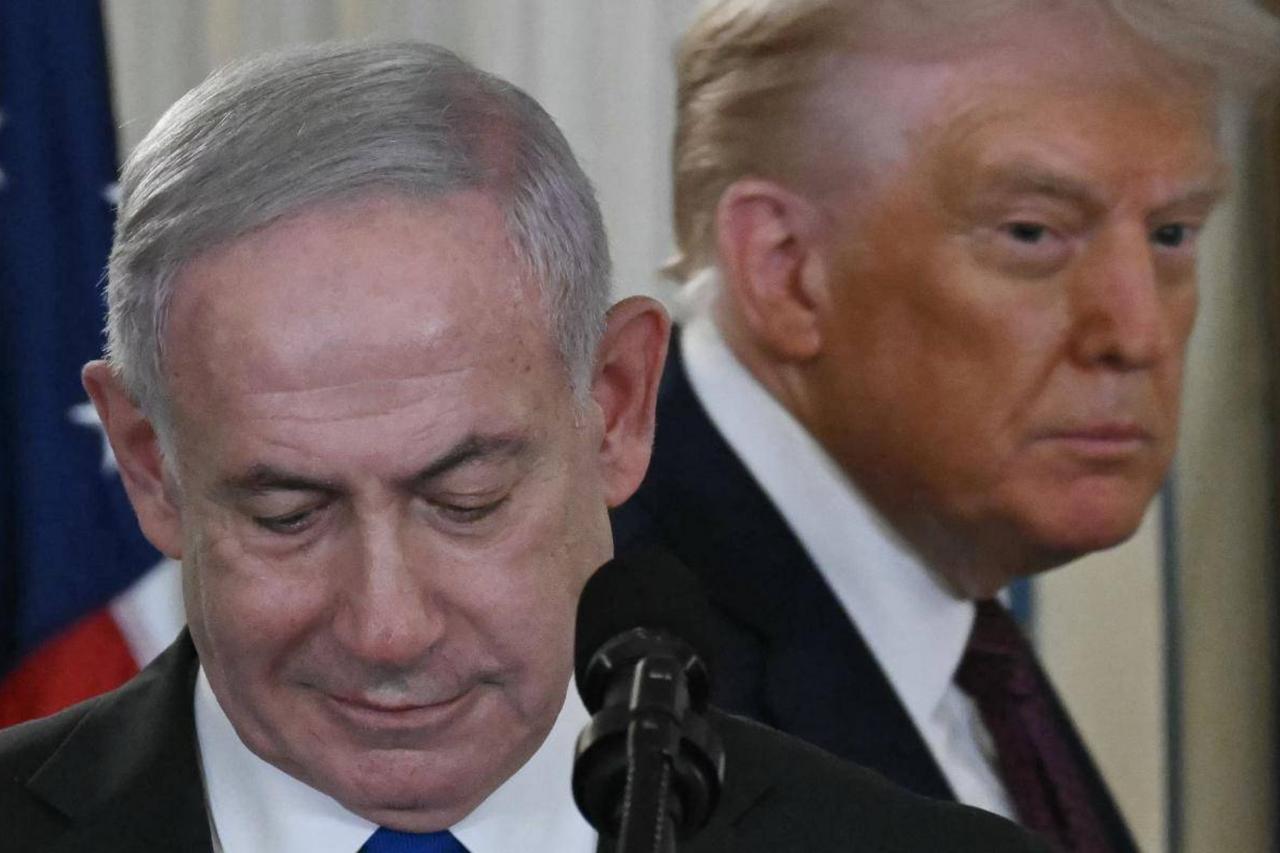
The comments came amid growing pressure from Israeli Prime Minister Benjamin Netanyahu for another military campaign against Tehran. Trump had also described a new round of major strikes as "quite unlikely" last week, although he has not ruled out further military action.
In remarks to conservative broadcaster Hugh Hewitt on Thursday, Trump warned that Washington could still resort to force if developments did not go as planned.
"If something does not work out, I would not hesitate," he said.
The president has meanwhile defended the economic pressure campaign against Tehran, arguing that sanctions and the U.S. naval blockade are weakening Iran without requiring another round of major military operations.


 Set as preferred source
 Set as preferred source


 1 min read
 1 min read