Newsletters


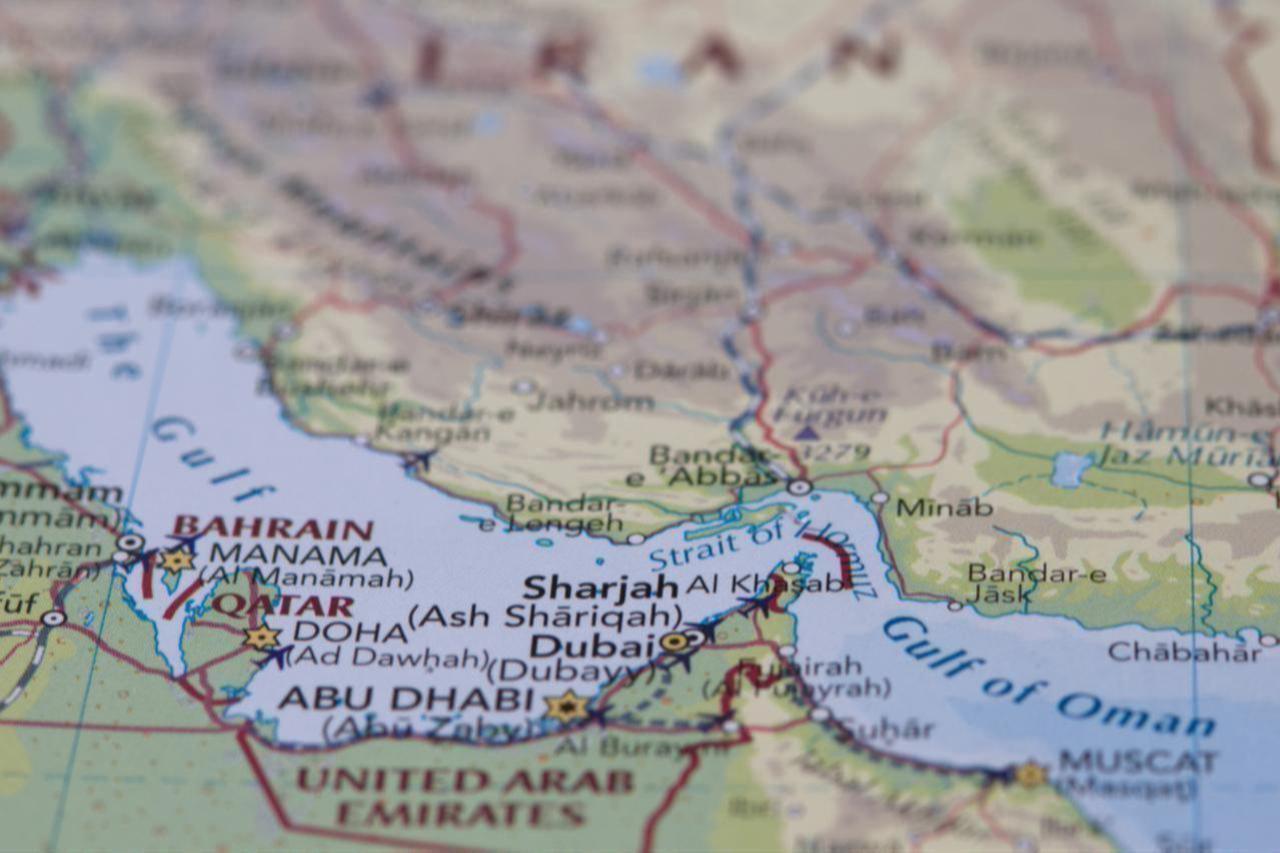


Tehran is pressing ahead with plans to turn its de facto control over the Strait of Hormuz into a revenue stream, with an Iranian source telling CNN that the country is moving to dictate who passes through the critical waterway and on what terms, a strategy that amounts to one of the most consequential assertions of maritime leverage in modern history.
"We will continue suppressing Israel and establishing a new legal regime in the Strait of Hormuz," the source said, in an apparent reference to reports that tanker operators are being charged fees in the range of $2 million per vessel to transit the passage.
The remarks represent the clearest indication yet that Iran views the strait not merely as a military chokepoint but as a long-term instrument of political and economic coercion, one aimed squarely at Washington as much as at Jerusalem.
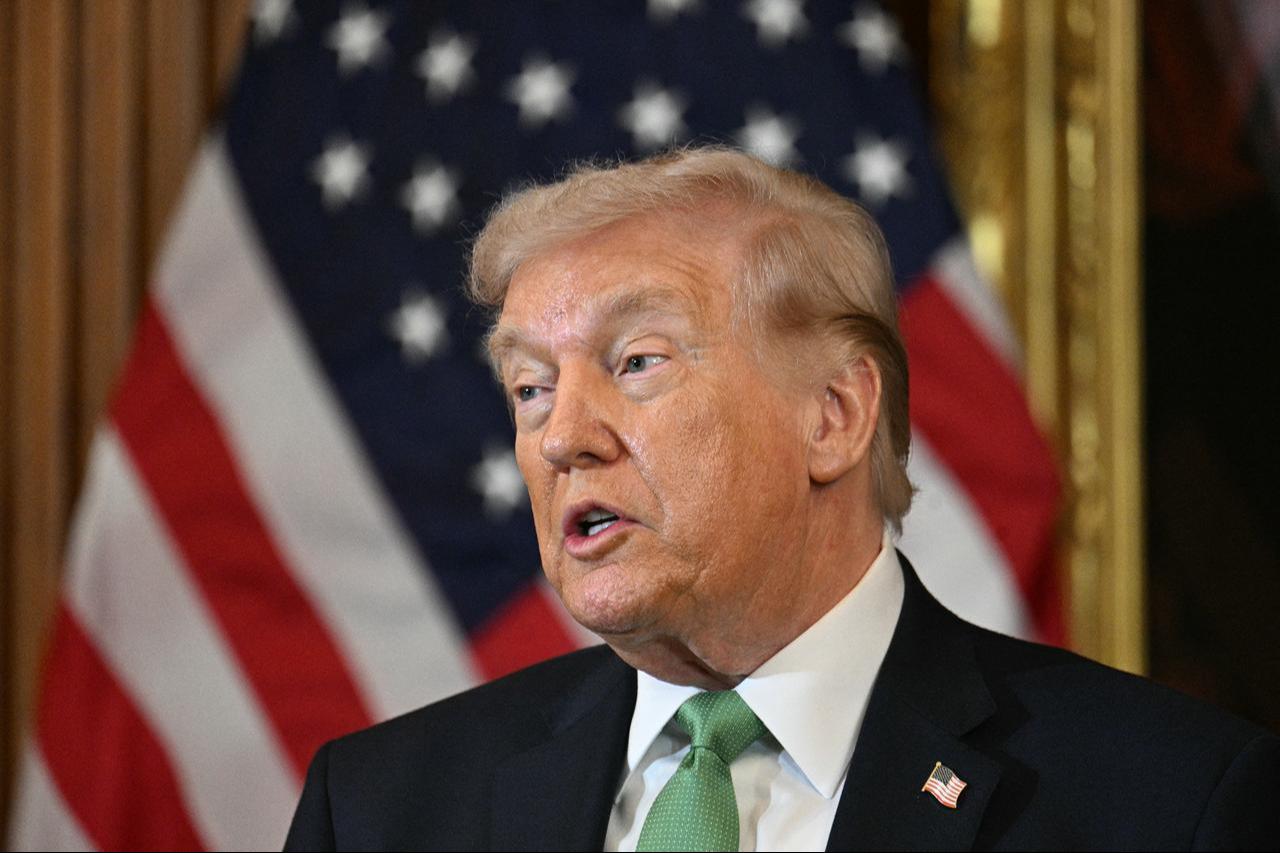

The Iranian source went further, casting the US president's involvement in the conflict as a strategic trap laid by Israeli Prime Minister Benjamin Netanyahu, and warning that Trump risks destroying his own political future if he does not yield to Tehran's demands.
"It seems Trump, facing pressure from inside America and rising global oil prices, should get out of the trap Netanyahu set for him sooner rather than later and accept Iran's conditions," the source said. Failure to offer Iran the necessary concessions, the source added, could send Trump down "an endless path that risks gambling away his entire political career."
The language is notable for its directness. Rather than framing Iran's position defensively, the source portrayed Tehran as holding the stronger hand, leveraging energy market chaos and American domestic discontent against a president already navigating volatile economic conditions.
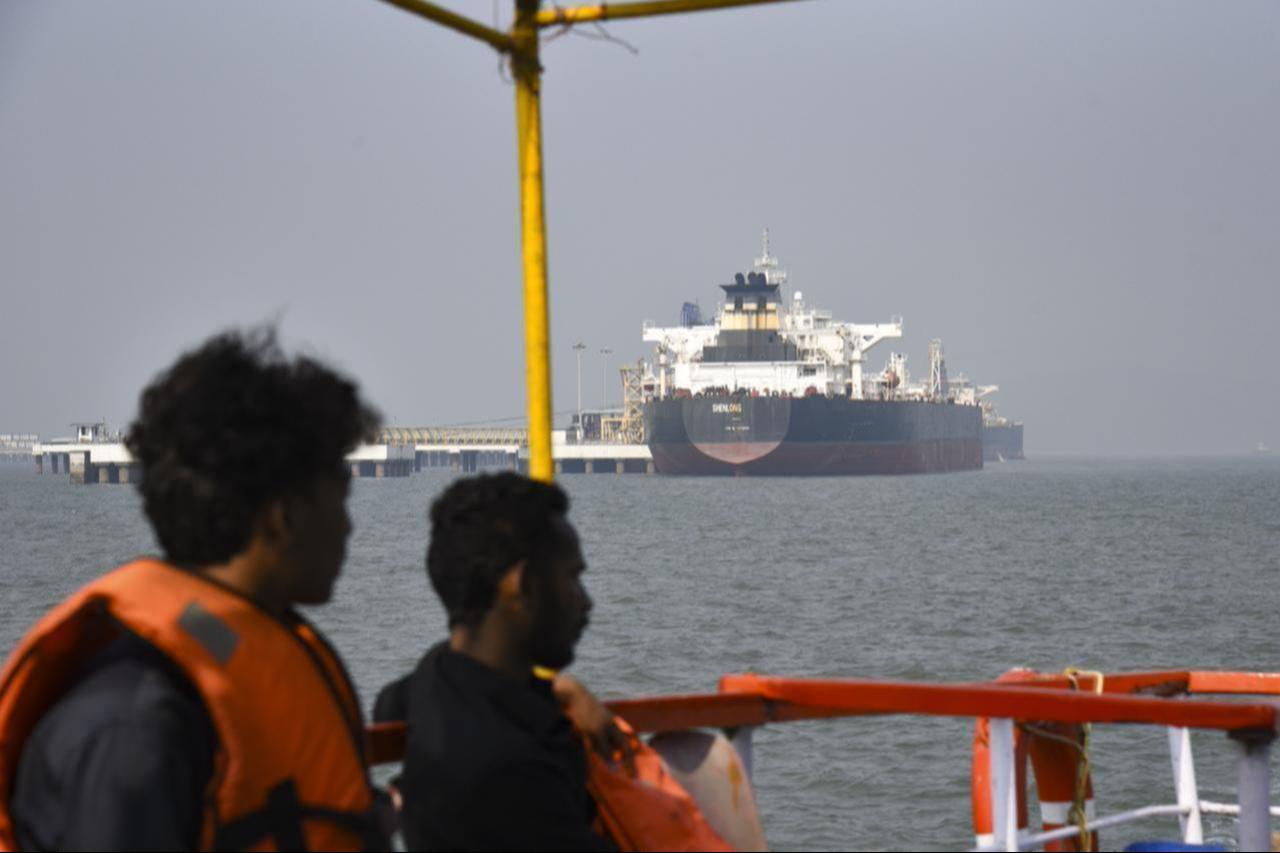
The Strait of Hormuz, a narrow passage between Iran and Oman at its tightest just 50 kilometers wide, is among the most strategically significant waterways on Earth. Before the current conflict, roughly 20 million barrels of oil per day and about one-fifth of global liquefied natural gas trade moved through the strait, according to the US Energy Information Administration.
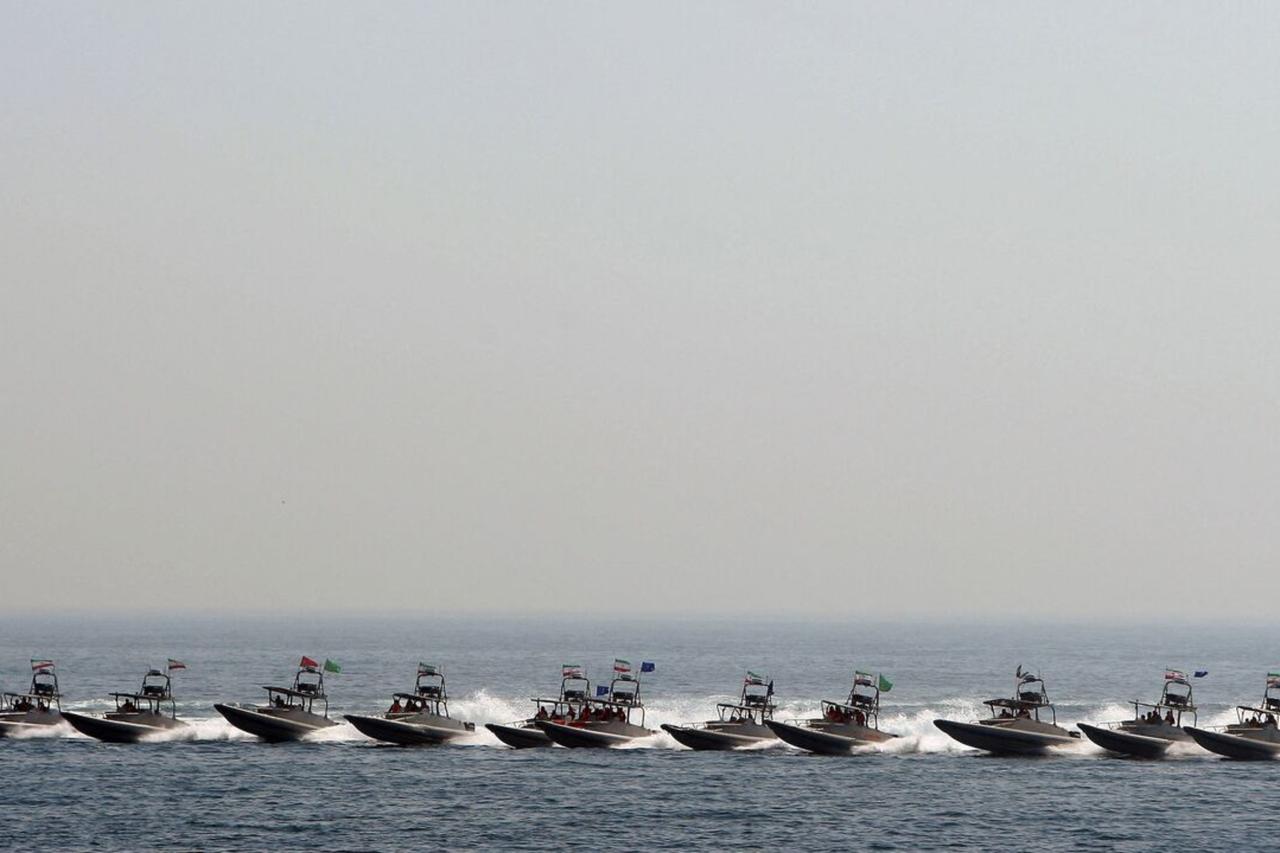
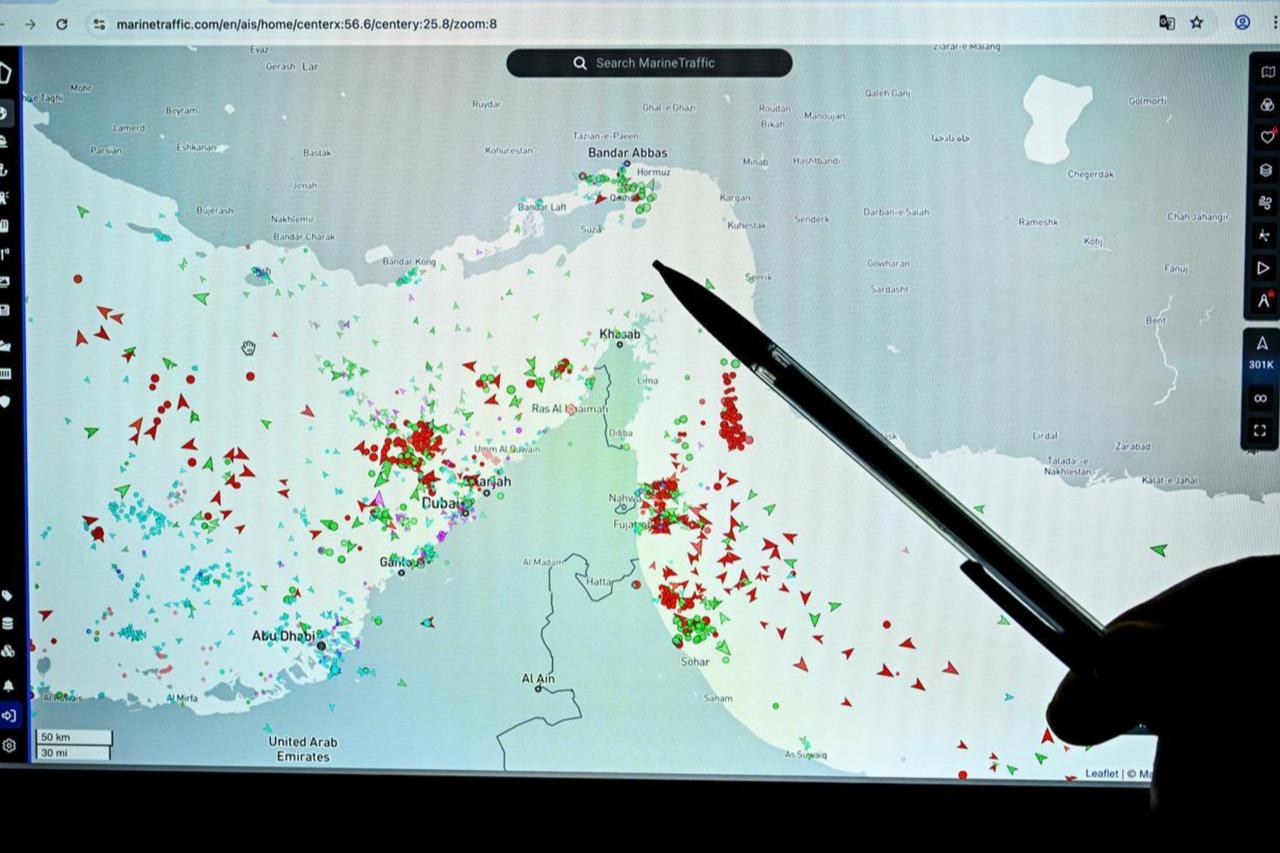
Since US and Israeli strikes on Iran began on February 28, shipping through the strait has been severely disrupted. Iran's Islamic Revolutionary Guard Corps declared the waterway closed to hostile nations in early March, and at least 20 vessels have been attacked in the area since the conflict erupted. Tanker traffic initially plummeted by approximately 70 percent, with over 150 ships anchoring outside the strait to avoid risk.
The disruption has sent shockwaves through global energy markets. Crude oil prices have surged past $100 per barrel on multiple occasions since the conflict began, up from roughly $67 before the strikes. Freight rates for supertankers hauling Middle Eastern crude to Asia hit a record $423,736 per day in early March, nearly doubling overnight. Major marine insurers have withdrawn war risk coverage for the region, effectively pricing many commercial operators out of the strait entirely.
Iran's monetization of the strait appears to be taking shape through both ad hoc arrangements and potential legislation. Lloyd's List has reported that at least one tanker operator paid approximately $2 million for passage, and that the IRGC has established what amounts to a safe corridor through Iranian territorial waters for vetted vessels. Multiple governments, including India, Pakistan, Iraq, Malaysia, and China, have reportedly been negotiating transit arrangements directly with Tehran.
Meanwhile, Iranian lawmakers have introduced draft legislation that would formalize toll payments for ships using the strait. A Tehran parliamentarian argued that countries benefiting from the security of maritime transit through the passage should be required to pay fees and taxes to Iran.
The CNN source's insistence that Iran will continue to establish a "new legal regime" in the strait aligns with this legislative push, suggesting that what began as wartime improvisation may be crystallizing into a more permanent assertion of Iranian sovereignty over one of the world's most vital trade arteries.
For Washington, the challenge is acute. The US has historically underwritten freedom of navigation in the strait through naval presence, but the current conflict has exposed the limits of that guarantee. The US Navy has signaled reluctance to send assets directly into the strait until Iranian aerial and naval capabilities are sufficiently degraded. In the meantime, Iran's selective reopening of the waterway, on its own terms and for its own profit, is redrawing the rules of engagement for global energy trade in real time.


 Set as preferred source
 Set as preferred source


 1 min read
 1 min read