Newsletters


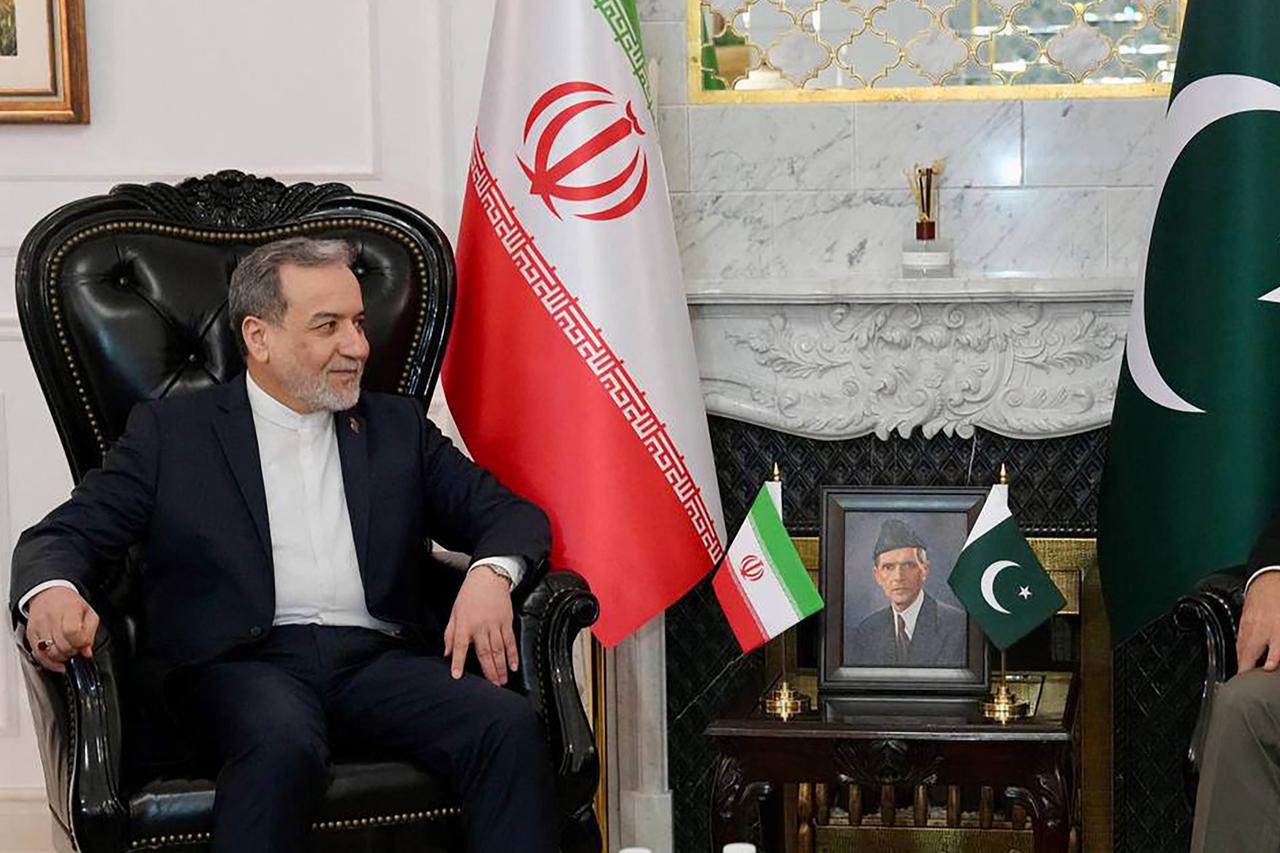


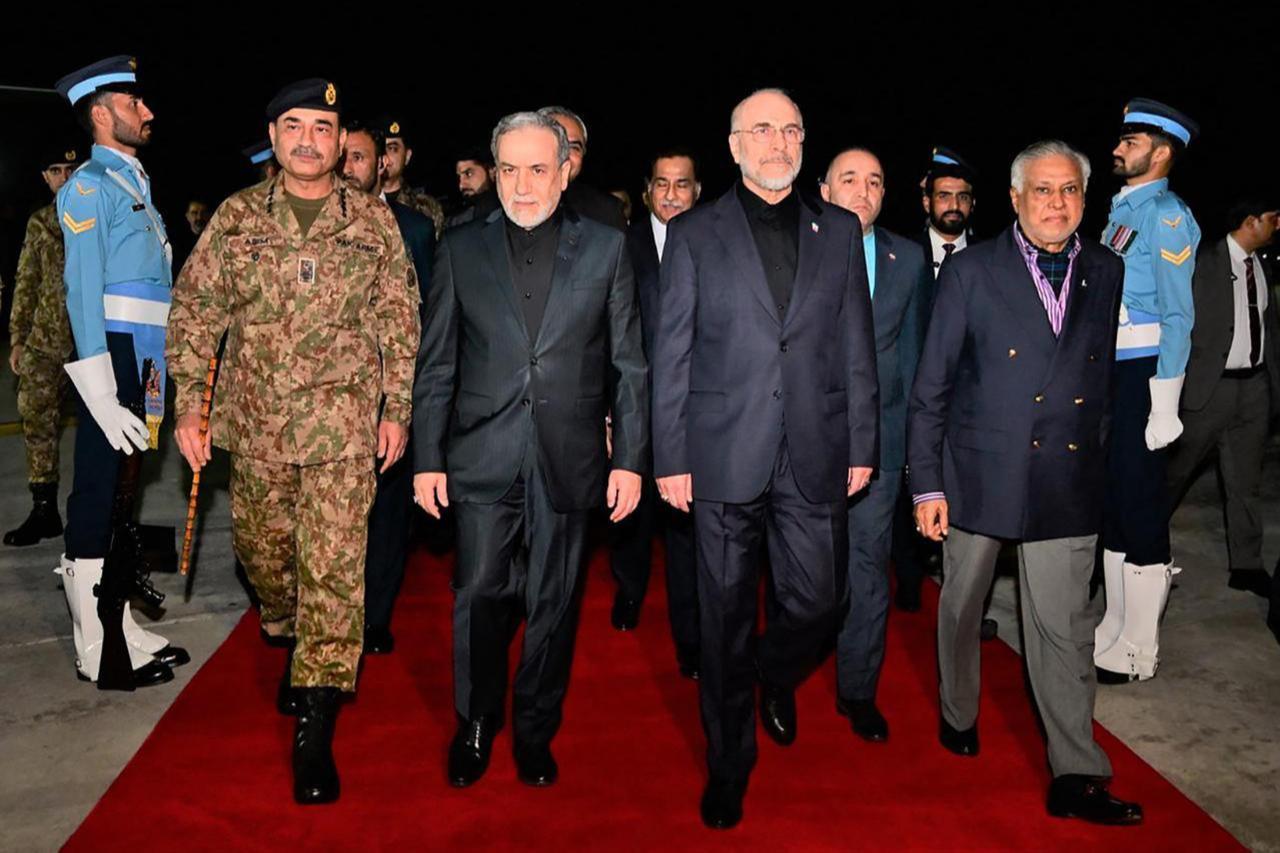
Iranian Foreign Minister Abbas Araghchi arrived in Pakistan’s capital Islamabad late Friday and began meetings with senior Pakistani officials as diplomatic efforts continued over the latest regional developments and a possible Iran-U.S. negotiating track.
Araghchi met Pakistan Foreign Minister Ishaq Dar and Army Chief Field Marshal Asim Munir shortly after his arrival, officials said.
Pakistan’s Foreign Ministry said the Iranian delegation would hold talks with the country’s senior leadership on regional developments and efforts to promote peace and stability.
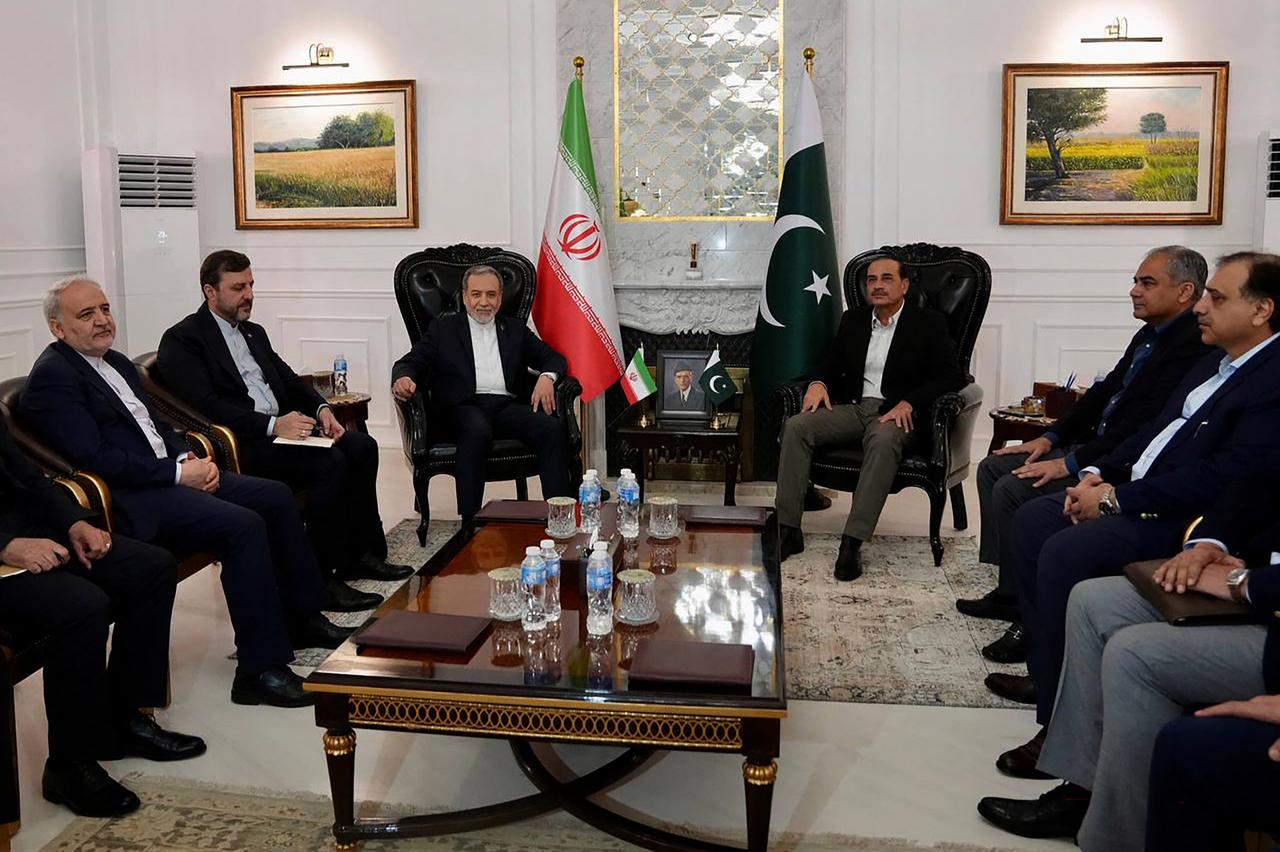

Araghchi was welcomed at the airport by Dar and Munir, who currently leads Pakistan’s armed forces.
Images released by Pakistan’s Foreign Ministry shortly after his arrival showed the officials in talks.
On Saturday morning, Araghchi held another meeting with Munir in Islamabad. Pakistan’s Interior Minister Mohsin Naqvi also attended the meeting, officials said.
Araghchi said that after his meetings in Pakistan, he would travel to Oman and Russia. He said the talks aimed to “coordinate with our partners on bilateral matters and consult on regional developments.”
The visit comes as Pakistan is also preparing to receive U.S. envoys Steve Witkoff and Jared Kushner.
Officials have not specified when Witkoff and Kushner are expected to arrive in Islamabad.
Iran’s Foreign Ministry spokesman Esmail Baqaei said Araghchi would meet only “Pakistani high-level officials” during the visit and that “no meeting is planned” with the U.S.
Egypt’s Foreign Ministry said Foreign Minister Badr Abdelatty discussed ways to advance the diplomatic track between the U.S. and Iran during a phone call with Pakistan’s Deputy Prime Minister and Foreign Minister Ishaq Dar.
In a statement on the Egyptian ministry’s official Facebook page, both ministers expressed hope that a “second round of negotiations” would help reach understandings that support a stable ceasefire, reduce escalation, and create conditions to end the current conflict.
Abdelatty also stressed the need to maintain freedom of international navigation and address the security concerns of regional states, particularly the Arabian Gulf countries.


 Set as preferred source
 Set as preferred source


 1 min read

 1 min read