Newsletters


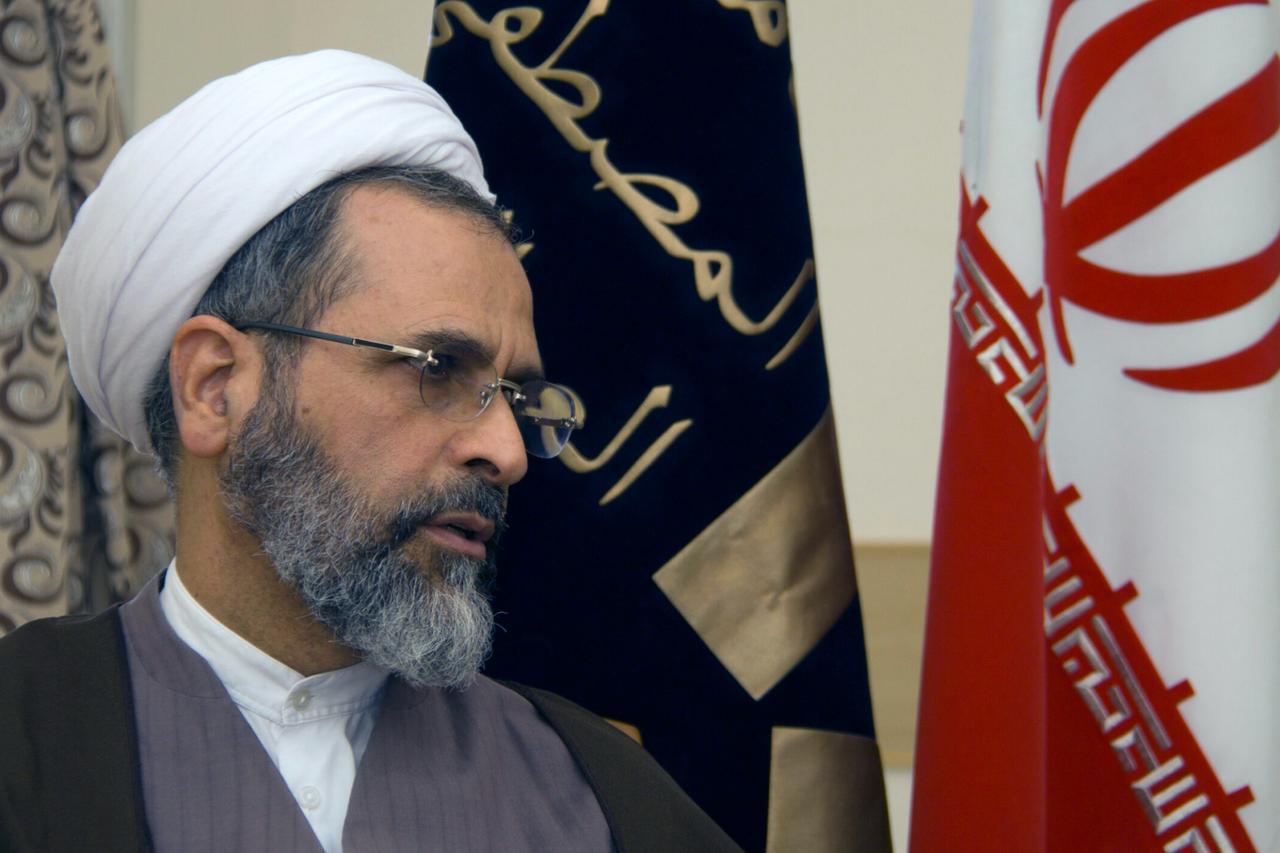


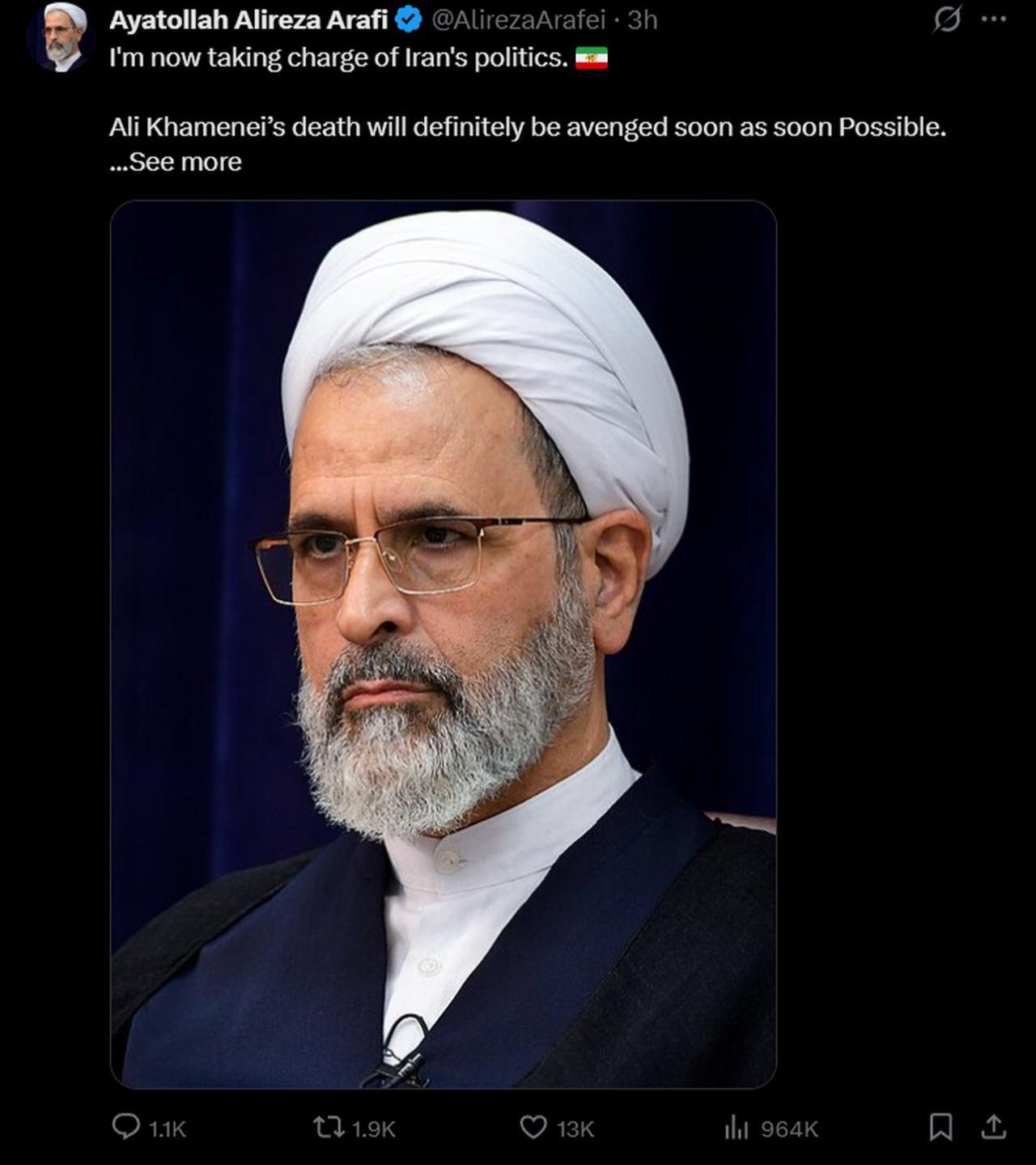
Alireza Arafi, the senior cleric newly appointed to Iran's three-member interim leadership council, had his X account suspended after posting a defiant message in which he declared he was "taking charge" of Iranian politics and vowed to avenge the killing of Supreme Leader Ali Khamenei.
In the post, Arafi wrote: "I'm now taking charge of Iran's politics," followed by a pledge that "Ali Khamenei's death will definitely be avenged soon as soon Possible." The account was suspended shortly afterward, removing from the platform one of the most powerful voices in post-Khamenei Iran at a moment of extraordinary political upheaval.
The suspension came just hours after Arafi was formally elevated to the interim body established under Article 111 of Iran's constitution, a constitutional mechanism that has been activated only once before in the Islamic Republic's 47-year history.

Iran announced on Sunday that it had formed a transitional leadership council following Khamenei's killing in coordinated U.S.-Israeli strikes the previous day. The council includes President Masoud Pezeshkian, Chief Justice Gholam-Hossein Mohseni-Ejei, and Arafi as the clerical representative.
The Expediency Discernment Council confirmed Arafi's appointment, with its spokesman Mohsen Dehnavi writing on X that the body "has elected Alireza Arafi as a member of the interim leadership council." Dehnavi explained the appointment was made to ensure that "leadership continues without interruption" while the 88-member Assembly of Experts moves to select a permanent supreme leader.
Though Arafi is technically one of three co-equal council members, his status as a cleric in a system that has only ever been led by clerical supreme leaders effectively makes him the most senior figure in the transitional arrangement. Iran's two previous supreme leaders, Ruhollah Khomeini and Khamenei, both held the position as sole authorities, making the council format itself an extraordinary departure.
Until this weekend, Arafi was a figure known primarily within the insular corridors of Iran's religious-political hierarchy. He simultaneously held three of the most influential institutional positions in the country: member of the 12-member Guardian Council, which vets legislation and election candidates for conformity with Islamic law; deputy chairman of the Assembly of Experts, the body now tasked with choosing Khamenei's successor; and director of Iran's nationwide seminary system, overseeing religious education from the holy city of Qom.
Arafi moved to Qom in 1971 to study Islamic sciences and, according to his official biography, was imprisoned at the age of 16 for opposing Shah Mohammad Reza Pahlavi's government. He has led Friday prayers in Qom and is described by those familiar with Iran's clerical politics as a conservative, principlist figure loyal to Khamenei's revolutionary vision, though more of a bureaucratic administrator than an ideological firebrand. He is reportedly fluent in Arabic and English and has spoken publicly about the regime's need to adapt to artificial intelligence for ideological messaging. In 2022, he met Pope Francis in a private audience at the Vatican, a rare gesture of interfaith diplomacy for a senior Iranian cleric.
His appointment signals continuity within Iran's power structure at a moment of acute vulnerability, with the clerical establishment seeking to project stability even as it absorbs the shock of losing its supreme leader, several top military commanders, and key security officials in a single wave of strikes.
 1 min read
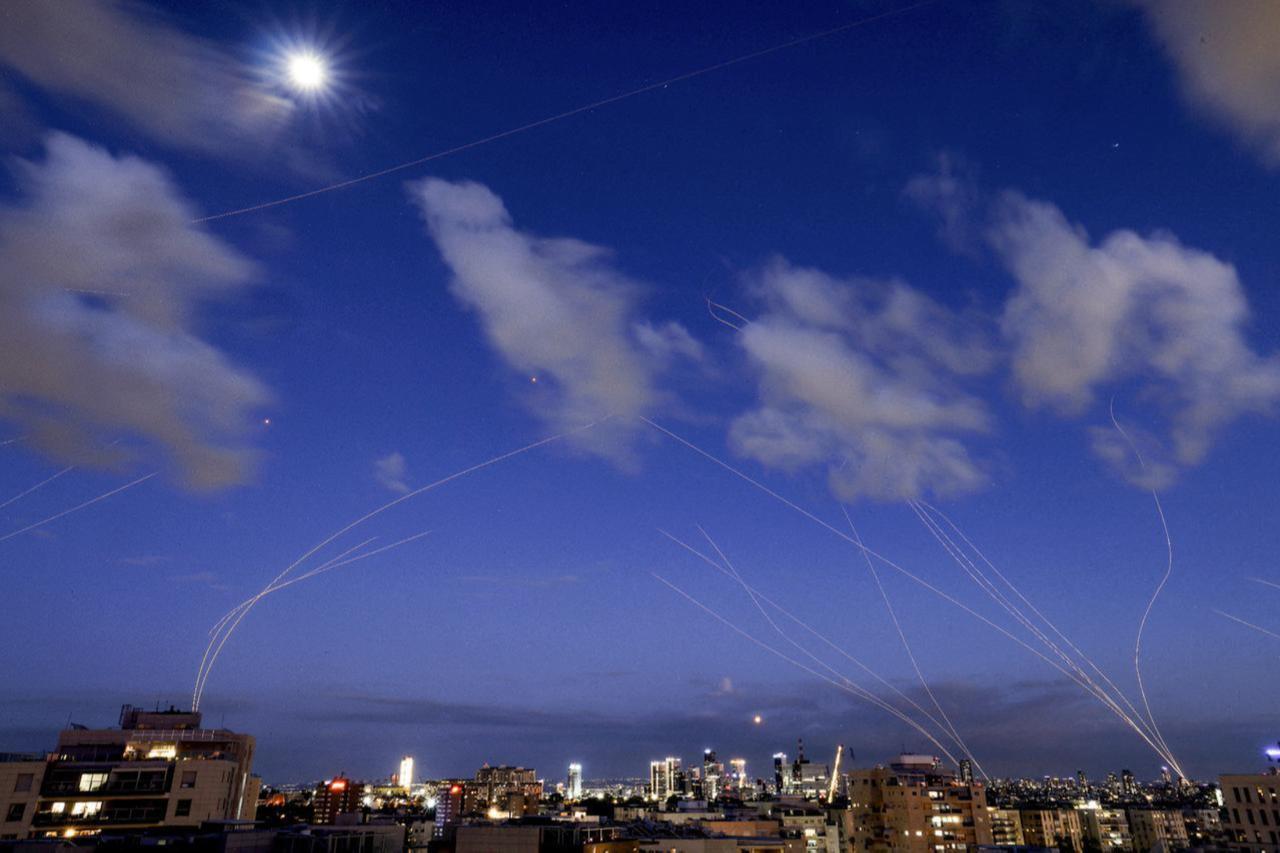
Khamenei was killed on Saturday when Israeli forces struck his compound in Tehran as part of a massive joint U.S.-Israeli military operation dubbed "Operation Epic Fury" by the Pentagon and "Roaring Lion" by Israel.
The coordinated offensive targeted Iranian regime leadership, military command posts, and missile sites across the country.
President Donald Trump confirmed Khamenei's death, writing on Truth Social that "Khamenei, one of the most evil people in History, is dead." Israeli Prime Minister Benjamin Netanyahu said that Khamenei's compound had been destroyed and that "this tyrant no longer exists."
Iranian state media eventually confirmed the supreme leader was killed at his workplace in the Beit Rahbari compound during the early morning hours. Sources told CBS News the initial strikes were believed to have killed approximately 40 Iranian officials. Iran's chief of army staff, defense minister, and the head of the Islamic Revolutionary Guard Corps were also reported killed in subsequent strikes.
Article 111 of Iran's constitution provides for precisely this scenario, authorizing a temporary leadership council composed of the president, the head of the judiciary, and a jurist from the Guardian Council to carry out the supreme leader's duties until a successor is chosen.
The Assembly of Experts is constitutionally mandated to make that selection "as soon as possible." Iran's Foreign Minister Abbas Araghchi told Al Jazeera the process could take "one or two days."


 Set as preferred source
 Set as preferred source


 1 min read