Newsletters


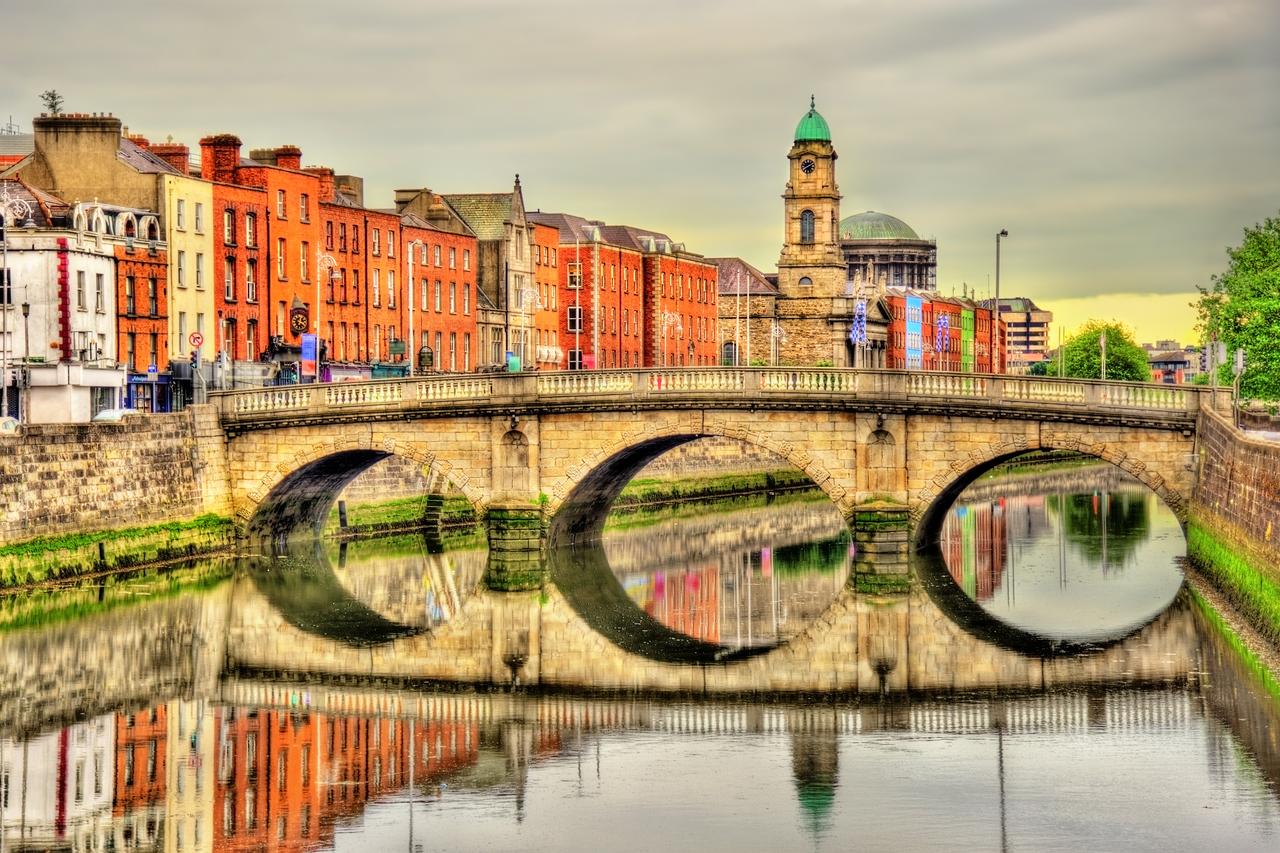


In a historic reversal of long-standing patterns, more Americans are now moving to the Republic of Ireland than Irish people are migrating to the United States.
Data from the Irish Central Statistics Office (CSO) reveals that the number of people moving from the U.S. to Ireland nearly doubled between 2024 and 2025. This figure rose from 4,900 to 9,600 within a single year.
The U.S. saw more people leave than arrive last year for the first time in at least half a century, according to the BBC.
This trend marks a significant turning point in the shared history of both nations. For centuries, millions of Irish citizens fled to America seeking work or refuge. Irish writer Colm Toibin notes that it was once built into the culture that "if there's any ambition or spark you go to America."
However, that connection is fading as the flow of young Irish people looking for work in America has stalled.
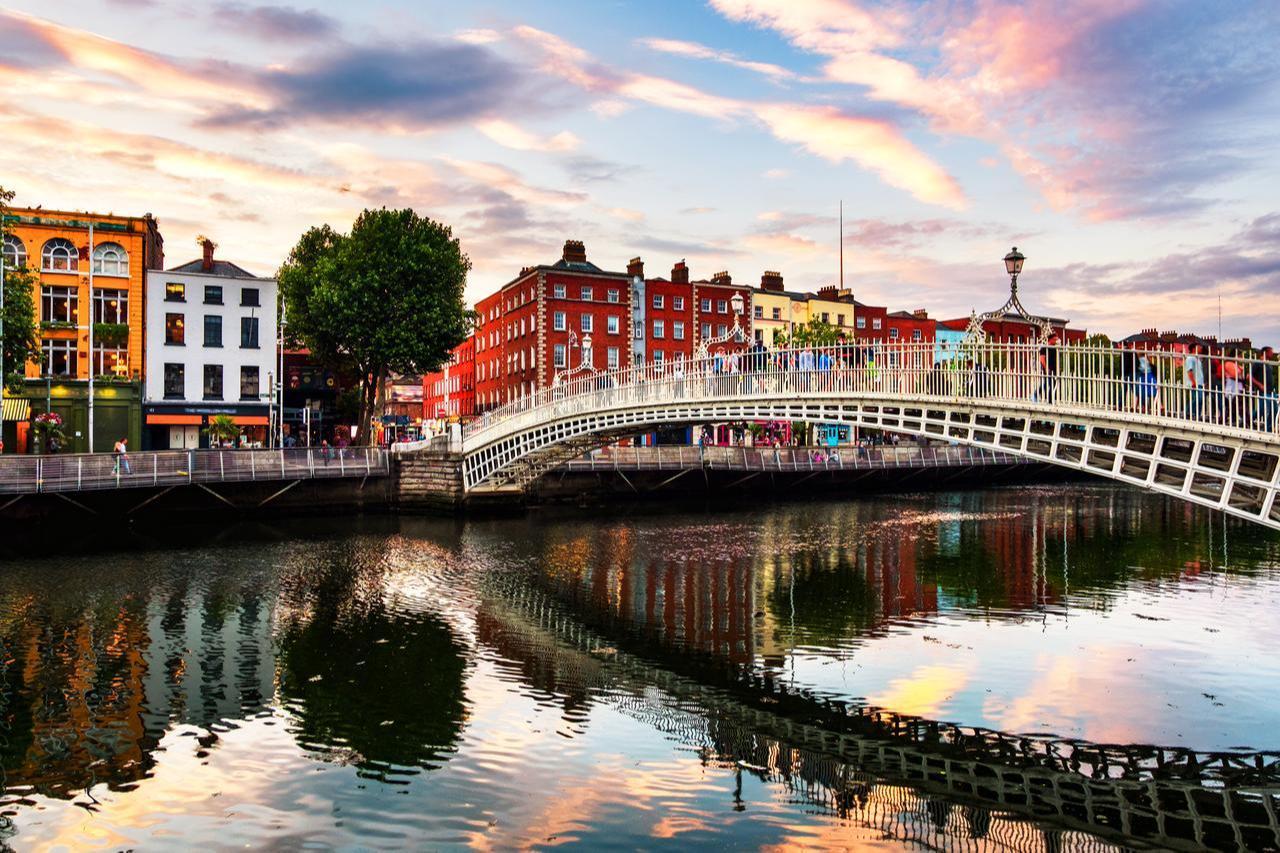

Many U.S. citizens cite deep-seated fears regarding the political trajectory of their home country as a primary reason for leaving.
Under the second administration of President Donald Trump, the U.S. has experienced dramatic changes in immigration policy and a rightward political shift. Kevin Wozniak, an American lecturer now living in Ireland, left Boston due to the Trump era.
"Ireland has liberalised very significantly and has moved in exactly the opposite direction that the US is moving," Wozniak says.
Specific concerns driving this migration include:
Kim Mathis, who moved from Florida to Dublin, explains that her family no longer feels the U.S. is a safe place for her transgender daughter. She also notes that "any fool can go look at a gun and ‘open carry’" in her home state.

While Ireland offers a progressive social climate, it remains one of the most expensive countries to live in.
Relocating Americans often face "sticker shock" when encountering Irish property prices and grocery costs. The Irish housing market is currently facing a severe shortage of affordable options.
Nick Howley, an American living in Limerick, currently pays €3,000 ($3,537.75) a month for a two-bedroom apartment. He describes the Irish bidding process as "crazy," having watched an apartment price jump by €52,000 in just four minutes.
Unlike the U.S., the Irish system allows for "gazumping," where a buyer can lose a property to a higher bidder weeks into the process.
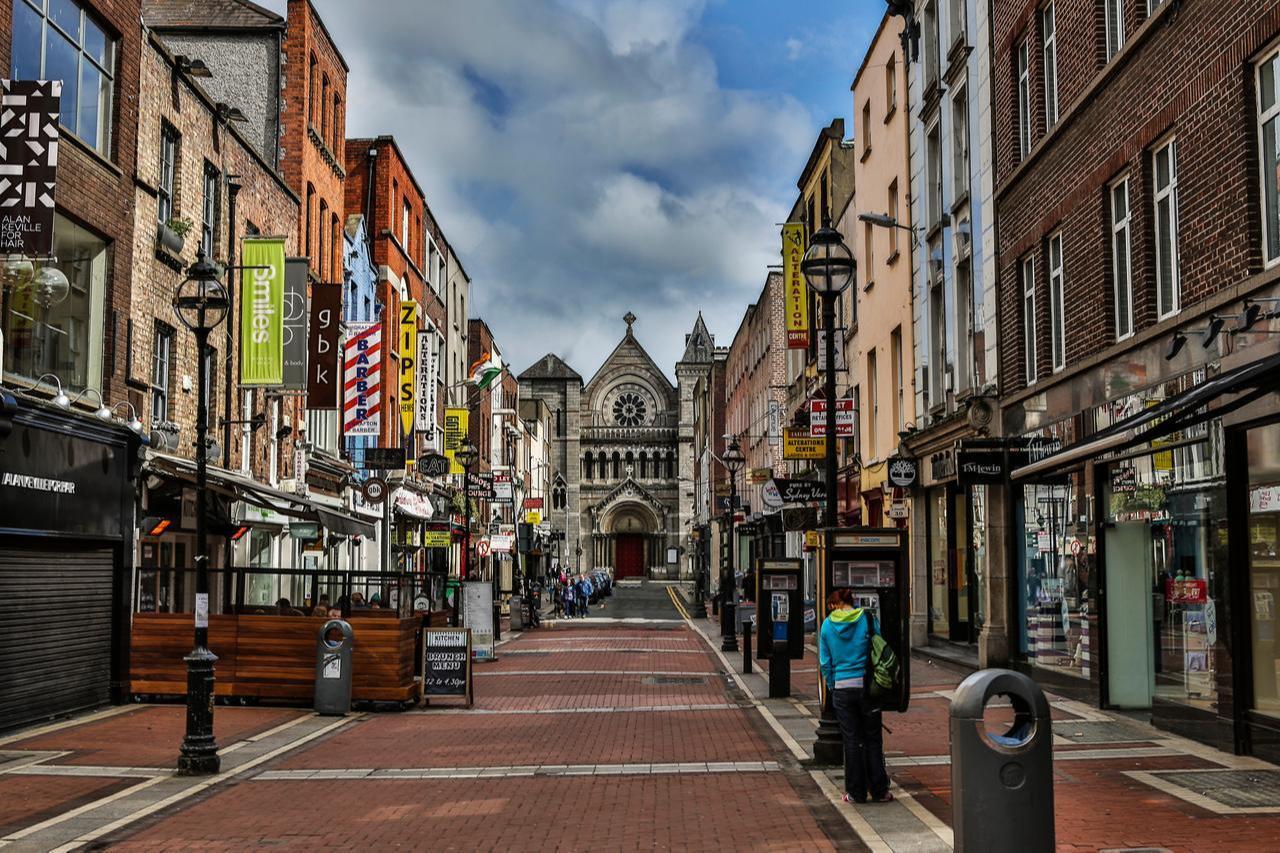
Moving to Ireland requires significant financial preparation and local presence.
Alexis McSparren, an American who moved to Dublin, suggests that finding a job or housing is nearly impossible until you are physically in the country.
She recommends:
Safety remains a major benefit for those who successfully make the move.
Lauren Udoh, an expat from Texas, says she feels much safer in Claregalway. "With kids going to school, you don’t have to worry about school shootings," she says.
Despite the rain and the difficult housing market, many Americans find that the "collective society" and better quality of life justify the struggle of relocation.


 Set as preferred source
 Set as preferred source



 1 min read