Newsletters




Italian Foreign Minister Antonio Tajani said Sunday that the Israeli ambassador will be summoned to the Foreign Ministry after Cardinal Pierbattista Pizzaballa was denied entry to a church in Jerusalem and prevented from celebrating Palm Sunday Mass.
“I have instructed that the Israeli ambassador be summoned to the Ministry of Foreign Affairs tomorrow to provide clarification on the decision to prevent Cardinal Pizzaballa from celebrating Palm Sunday,” Tajani wrote on the U.S.-based social media platform X.
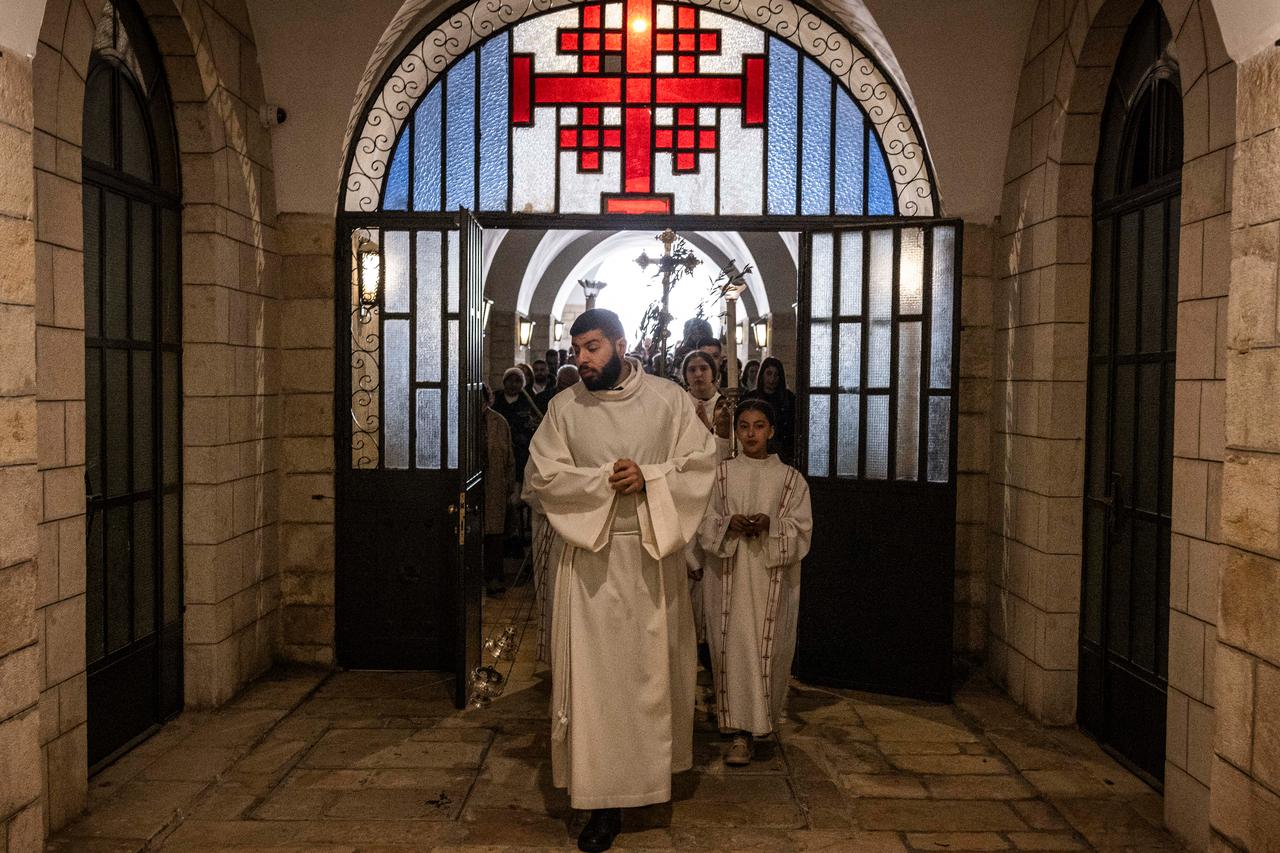
The Latin Patriarch of Jerusalem, Cardinal Pierbattista Pizzaballa, was denied entry to the Church of the Holy Sepulchre in Jerusalem, preventing him from celebrating Palm Sunday Mass.
Italian Prime Minister Giorgia Meloni also condemned Israeli police actions preventing Jerusalem’s Latin Patriarch from celebrating Palm Sunday Mass.
Meloni said in a statement that the incident was “an offense not only to the faithful but also to any community that respects religious freedom."
Israeli police did not immediately respond to AFP’s request for comment about the incident.
The Latin Patriarchate earlier said Israeli police stopped Pizzaballa, an archbishop with Catholic jurisdiction across Israel and the Palestinian territories, from entering the Church of the Holy Sepulchre to conduct the Mass.
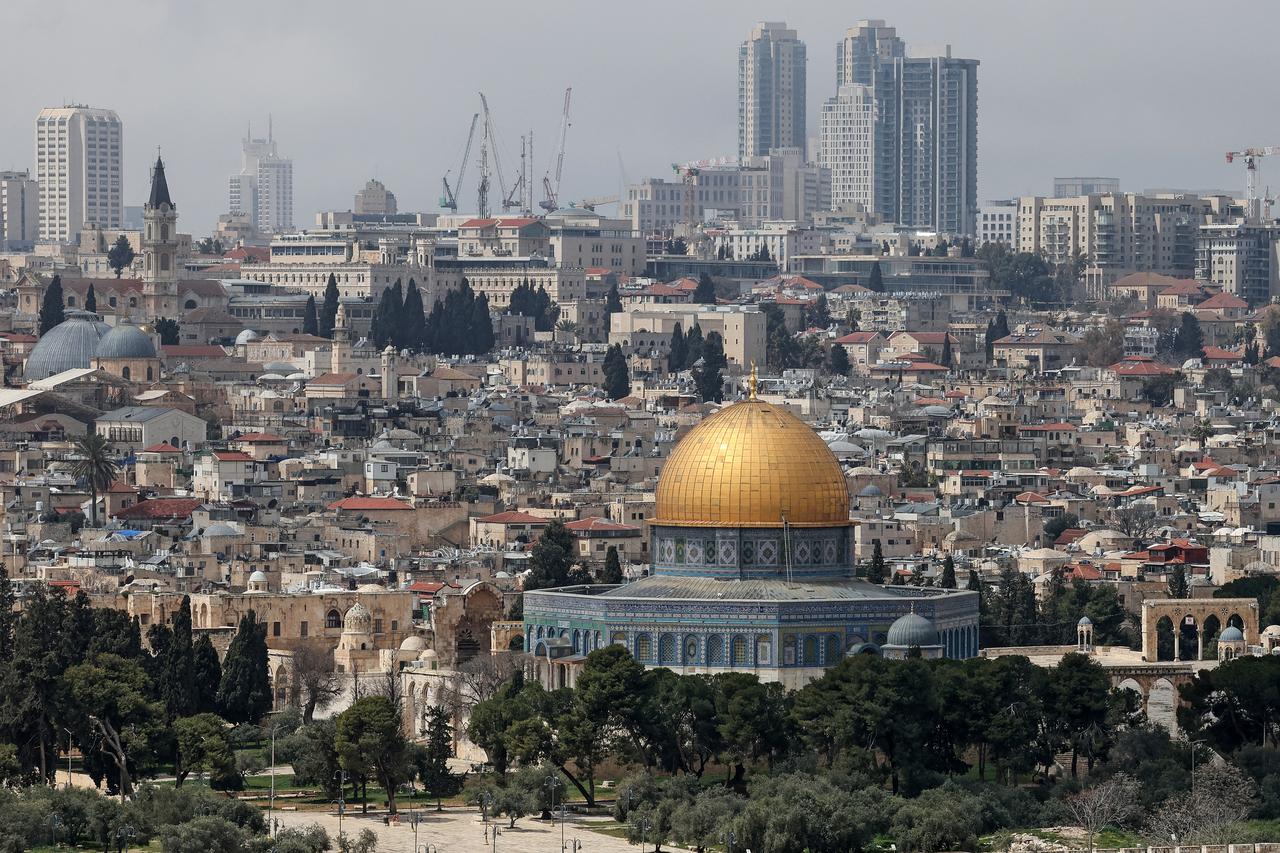

In a statement, the Latin Patriarchate of Jerusalem said Pizzaballa, along with the Custos of the Holy Land, Father Francesco Ielpo, was stopped while heading privately to the church and “was compelled to turn back.”
The Patriarchate said the incident marked the first time in centuries that church leaders were prevented from celebrating Palm Sunday at the Holy Sepulchre, one of the holiest Christian sites.
It described the incident as a “grave precedent” that “disregards the sensitivities of billions” of Christians worldwide, particularly during Holy Week, when attention is focused on Jerusalem.
The statement added that church leaders had complied with all restrictions imposed by Israel since the start of the war with Iran, including canceling public gatherings and arranging for services to be broadcast globally.
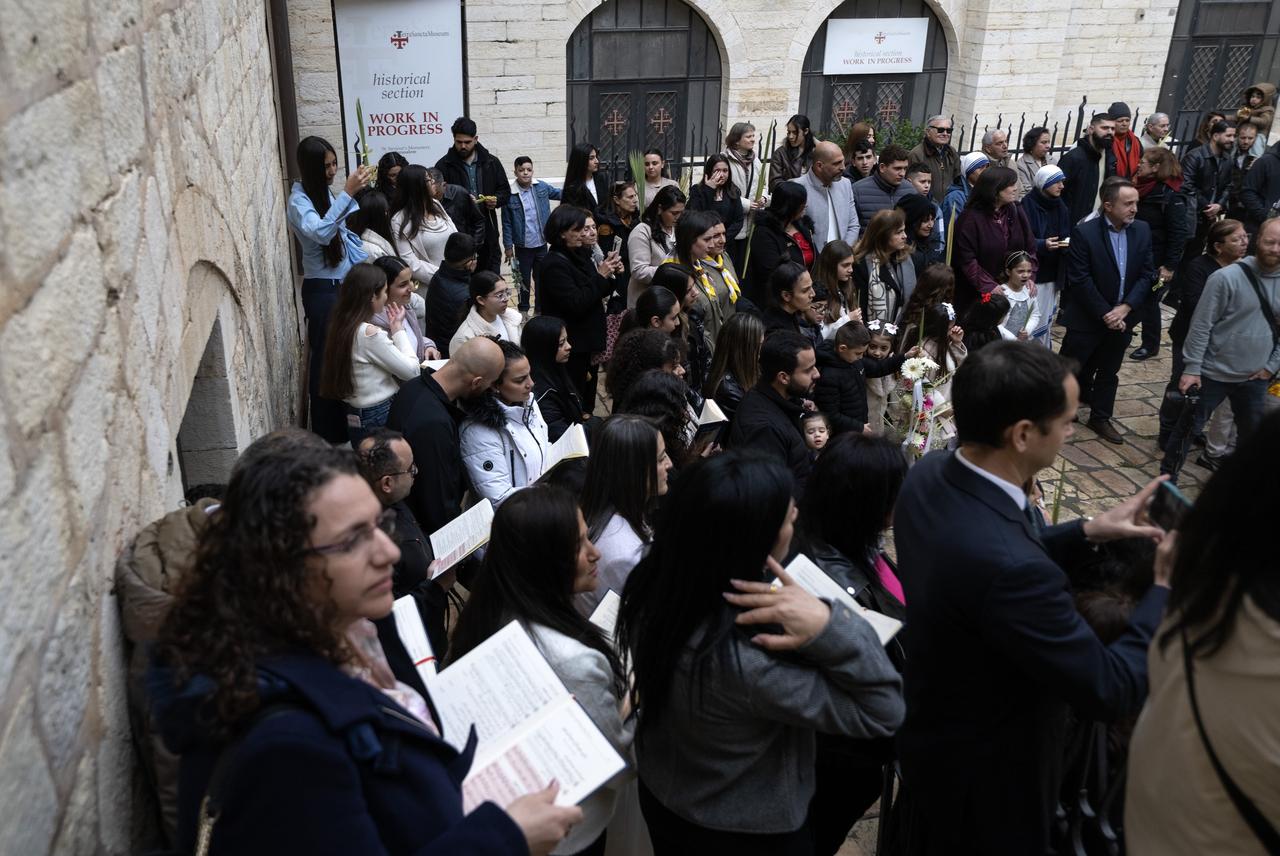
It said preventing the entry of senior church figures “constitutes a manifestly unreasonable and grossly disproportionate measure,” warning that the decision represents a departure from principles of freedom of worship and respect for the longstanding status quo governing holy sites.
The Patriarchate also expressed “profound sorrow” to Christians in Jerusalem and worldwide over the disruption of prayers on one of the most sacred days in the Christian calendar.
At the start of the U.S.-Israeli offensive against Iran on Feb. 28, Israeli authorities banned large gatherings, including in synagogues, churches, and mosques, and capped public events at 50 people.
 1 min read
Palm Sunday, which opens Holy Week for Christians, marks Christ’s final entry into Jerusalem days before his crucifixion and resurrection, according to the Gospels.
The Latin Patriarchate had also canceled the traditional Palm Sunday procession from the Mount of Olives, which normally draws thousands of worshippers.
Pope Leo XIV, speaking after the Angelus prayer in Rome on Sunday, paid tribute to “the Christians of the Middle East, who suffer the consequences of a terrible conflict and in many cases cannot fully live the rites of these holy days."


 Set as preferred source
 Set as preferred source


 1 min read