Newsletters




In a harbor on the Gulf of Thailand, a boat owner named Kwanchai has made his decision.
The vessel stays moored.
“There’s no profit. It’s straight-up losses,” he said.
The boats still going out are burning the cheaper “green oil” left over in the tanks from before the price moved. “Once this batch is gone, everyone will probably dock because we can’t handle the costs,” another fisherman said.
Kwanchai has been doing this for about 50 years and had “never encountered a situation like this before.”


In Preah Sihanouk province, Cambodia, Em Phea, director of the provincial fisheries administration, put it plainly: “They cannot make a profit.” His second sentence was worse: “For now we still have enough seafood, but we don’t know yet what will happen in the near future.”
In eastern Indonesia, the director general for Capture Fisheries paints a similar picture: rising prices would not only reduce fish supplies but also force fishermen out of work entirely.
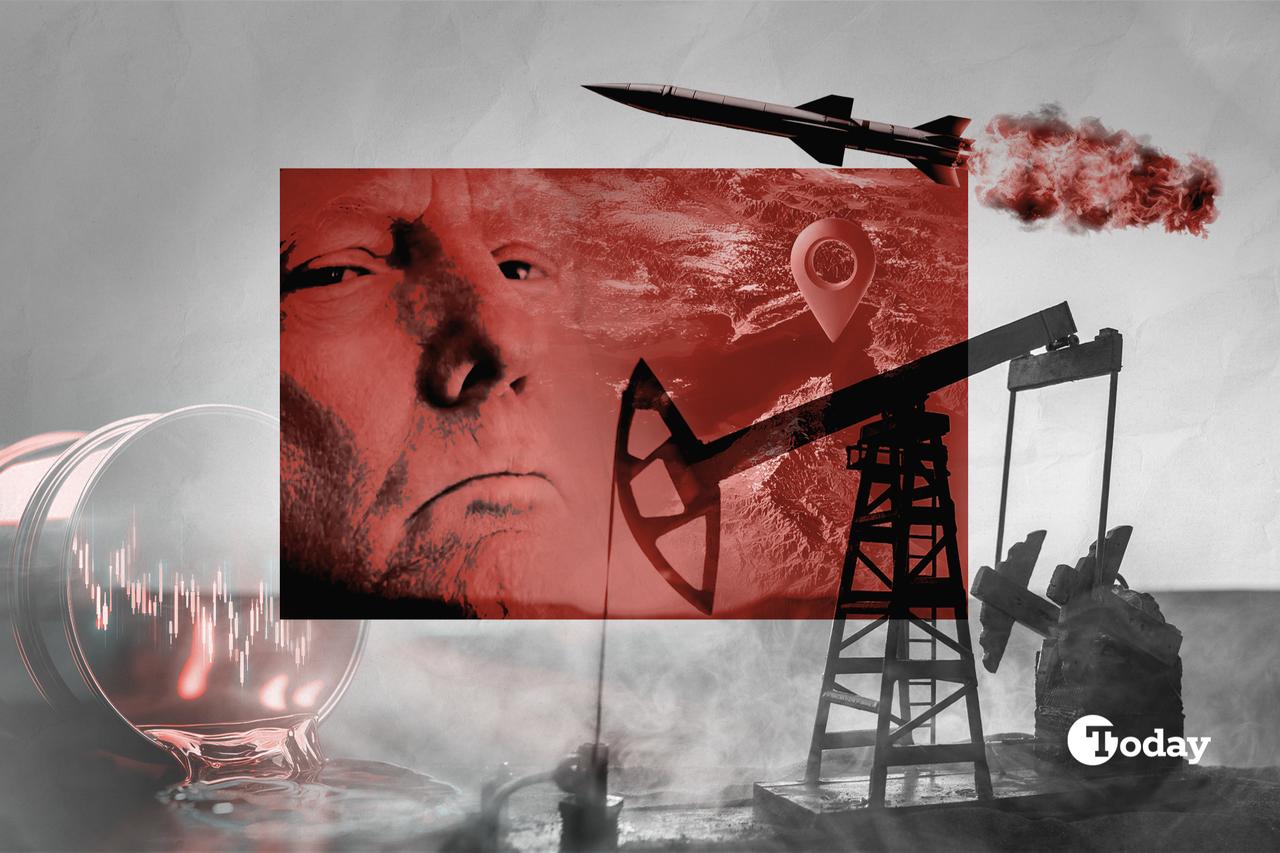
None of these men has a Bloomberg terminal. None of them is watching West Texas Intermediate (the primary domestic benchmark for oil prices in the United States). Not one of them has an opinion about crack spreads, refining margins, or the five-day pause in U.S. strikes that sent the global Brent benchmark briefly below $100 on March 23.
Each has a boat and a fuel pump, yet a trip no longer pays.
Their thermometer is the fuel pump. Washington's is West Texas Intermediate (WTI)—a domestic benchmark for a war that has to be intelligible at home.
Brent, more exposed to seaborne global disruption, tells a less governable version of the same story.
Meanwhile, WTI flatters the America First narrative: U.S. production is strong, U.S. reserves exist, and the suffering belongs elsewhere.
Diesel in American trucks is priced in a global market no administration can fully insulate itself from, but that is exactly what the benchmark is chosen to obscure.
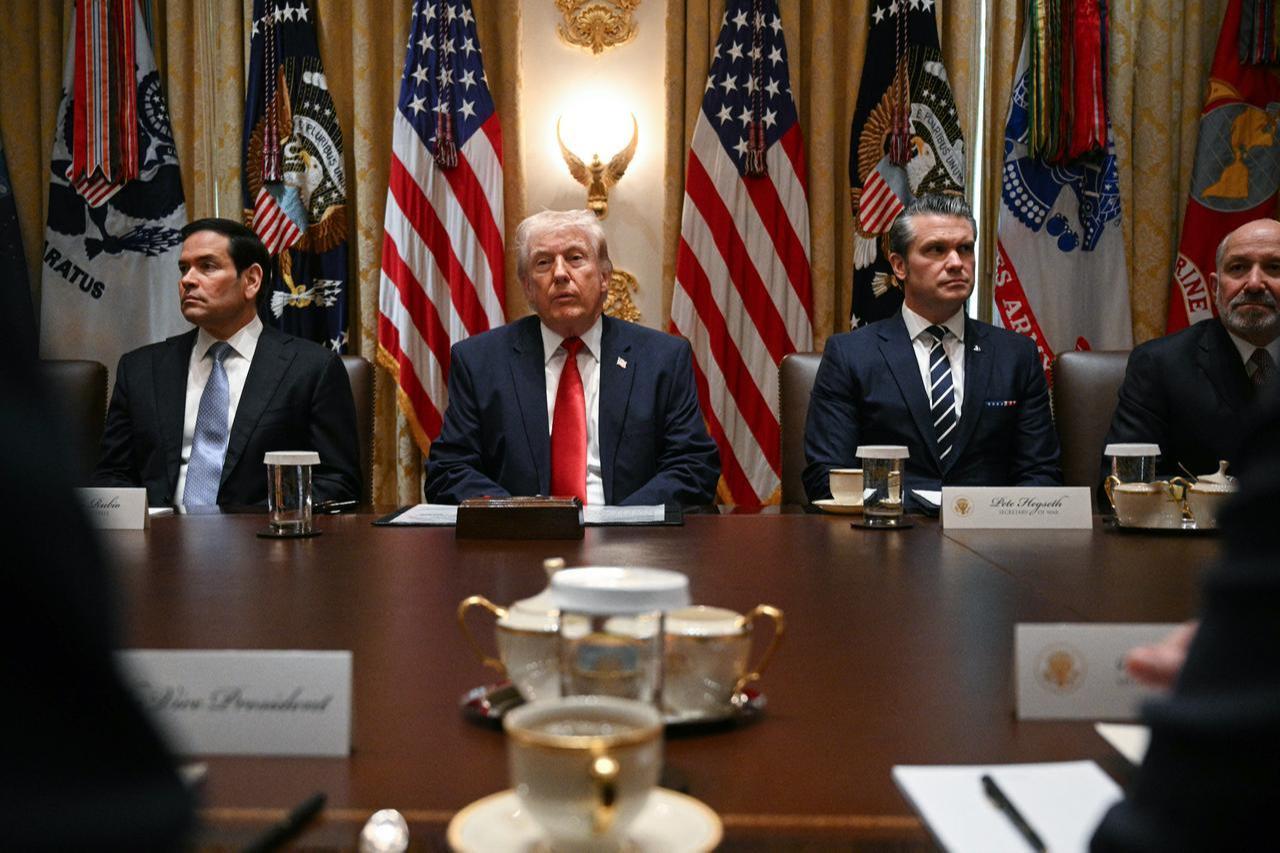
When U.S. President Donald Trump told reporters he thought the war would be worse, he was watching WTI, while the shock was already biting harder in the products that economies actually run on.
That’s important because diesel is the first fuel through which a geopolitical shock becomes an economic one.
Disruption through Hormuz could remove three to four million barrels per day of diesel supply, with a further 500,000 barrels per day blocked from Middle Eastern refiners.
That is not a benchmark problem. It is a transport, farming, freight, and inflation problem.
Crude is not, in itself, the fuel most economies actually run on. It is the input. Diesel drives the truck. Jet fuel flies the plane.
Between the wellhead and the end use lie the refinery, the product tanker, the storage terminal, the insurance market, and the export quota.
This is where the war has been most vicious—and most invisible to anyone watching the wrong screen.
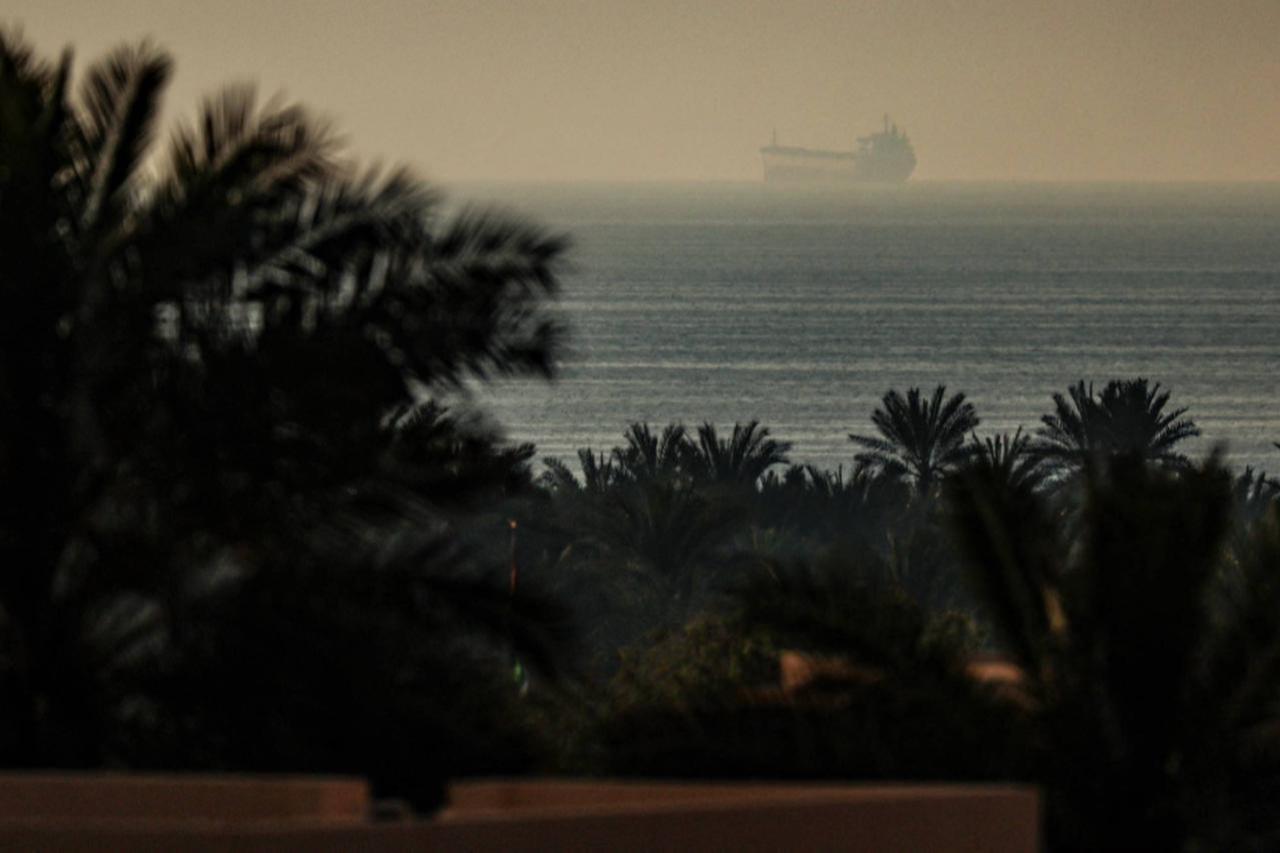
The Strait of Hormuz is not only a crude route, but it is also a critical exit for the Gulf’s finished fuels. Jet fuel is less substitutable than diesel: it must meet strict aviation specifications, and any alternatives can only be blended within tightly controlled limits.
Europe is especially exposed in aviation; about three-quarters of jet fuel exports moving through Hormuz went there last year, and replacing those flows is neither quick nor straightforward.
When the strait closes, that supply does not easily reroute. For the market that needs it, it becomes scarcer, slower, and much more expensive. European jet fuel hit $220 a barrel. Diesel breached $200 for the first time since 2022.
"The market ultimately runs on barrels moving, not barrels being announced," said David Jorbenaze, global oil market lead at ICIS. That is not market noise. That is the system screaming through its teeth.
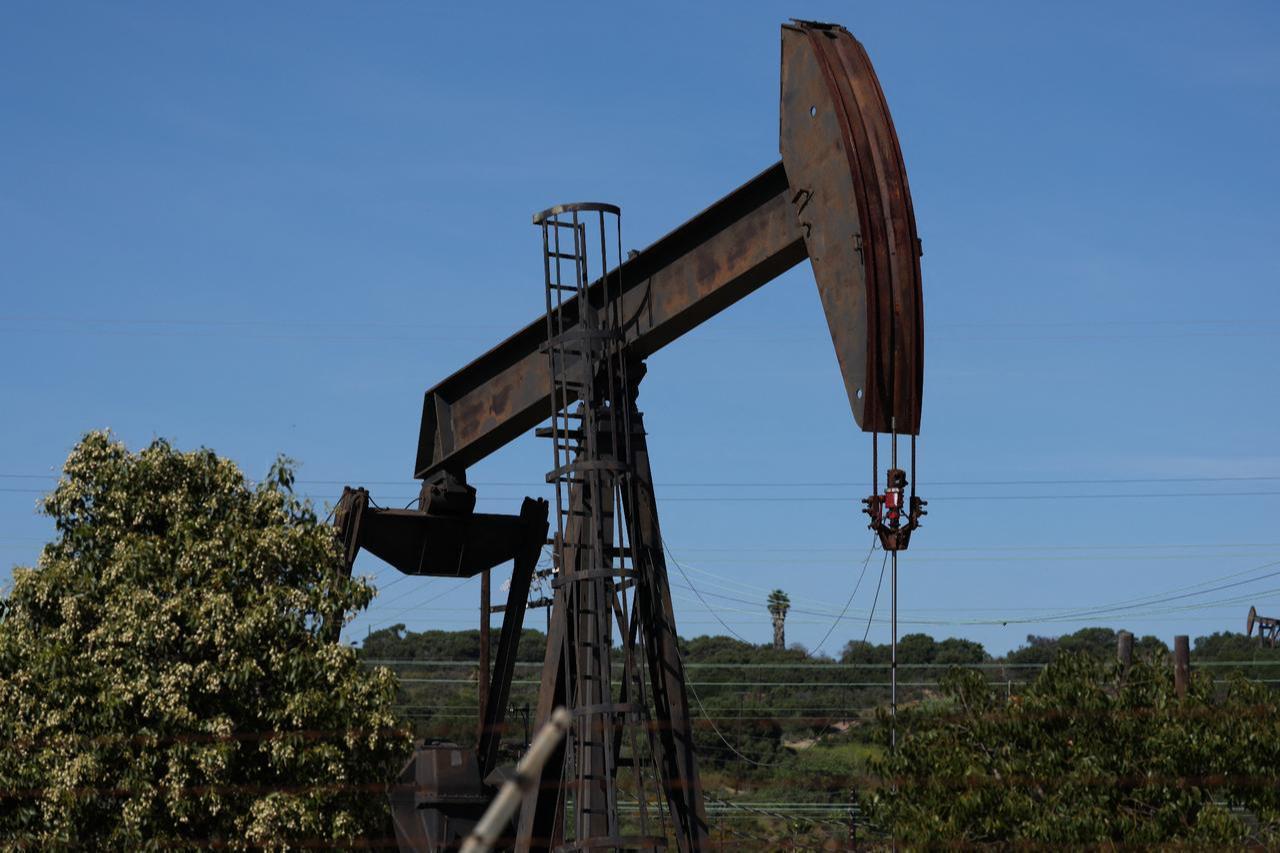
The shock is not uniformly distributed.
America is in better shape, but East Coast distillate stocks sat 18% below the five-year seasonal average in mid-March. That is a thin cushion in a market being leaned on by the rest of the world.
China, in its usual spirit of cooperation, is helping by hoarding—effectively halting exports of diesel, gasoline, and jet fuel to protect domestic supply and tightening Asian markets in the process.
Energy security is no longer a crude question. A state can be rich in oil and poor in diesel. It can hold strategic reserves and find that they do not refine themselves.
It can manage the benchmark and still lose the inflation war—paid out in freight costs, airline tickets, and the price of getting food to the market.
The barrel on the screen is not the war. Watch diesel. Watch jet fuel. Watch crack spreads.
Watch what happens when every haulier, airline, farmer, utility, and freight operator begins bidding against every other one in the richest panic market on earth.
Kwanchai already knows. His boat is still in the harbor.


 Set as preferred source
 Set as preferred source



 4 min read