Newsletters


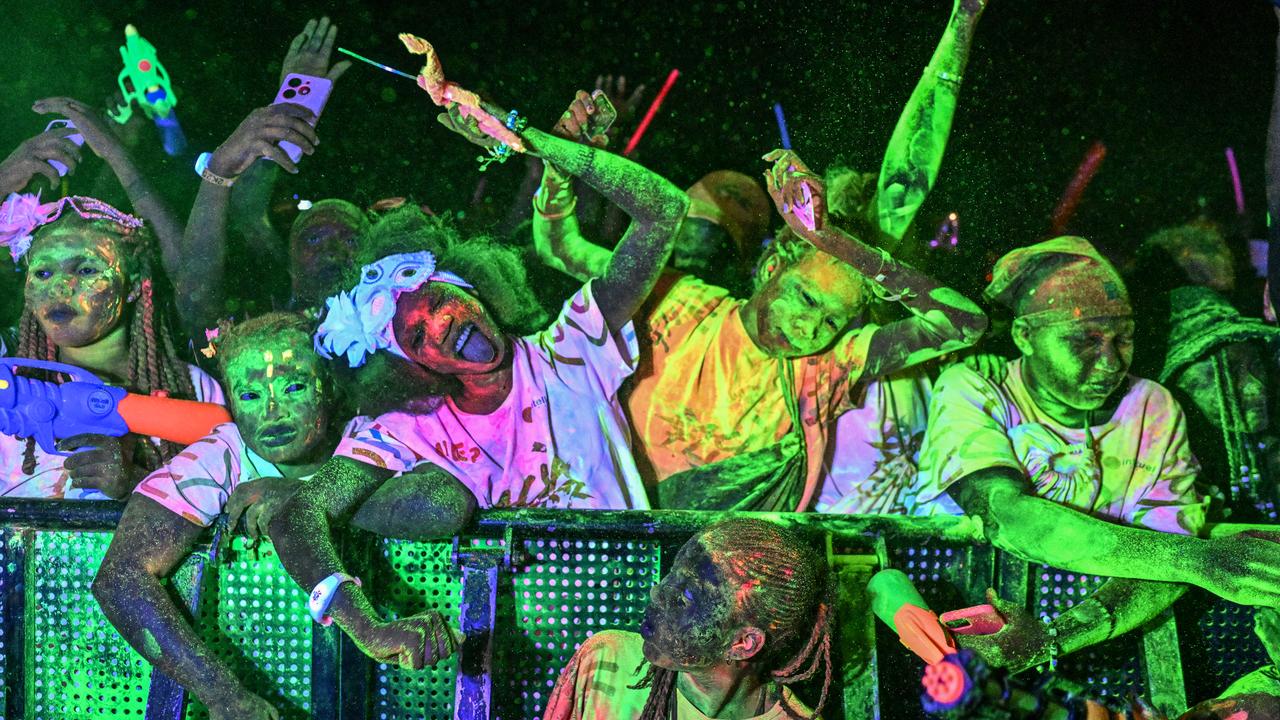
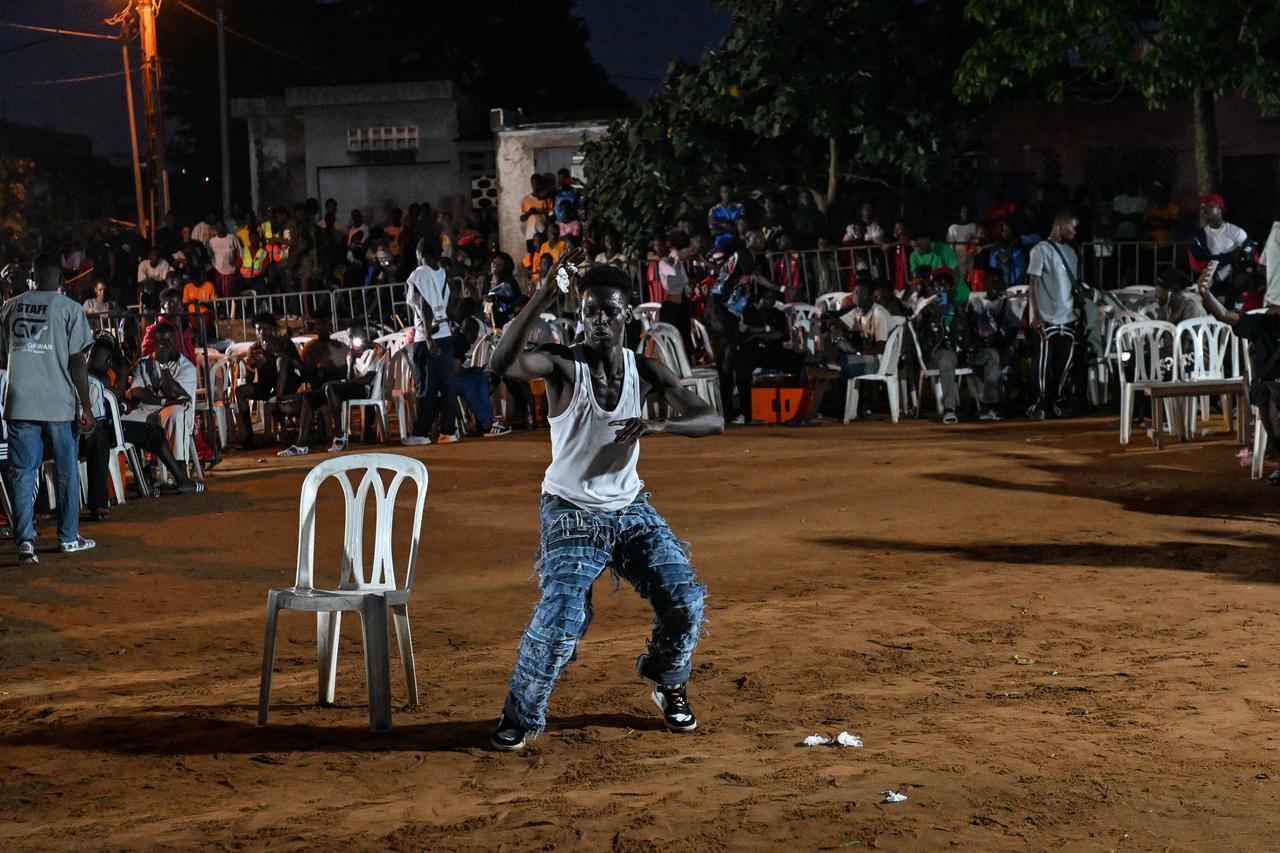
Biama is a fast-paced street dance that combines acrobatic twists, quick footwork, and exaggerated facial expressions, evolving from coupe-decale, a popular dance music genre in Ivory Coast, a West African nation.
Every week in Yopougon, a working-class district of Abidjan, the country's economic capital, hundreds of young people gather after school to practice it, a fixture of everyday life in a country where nearly two-thirds of the population is under 25.

The events take place on a vacant sandy lot furnished with plastic chairs for spectators. Dancers perform for free, while onlookers pay between 1,000 and 2,000 CFA francs ($1.70 to $3.50) to watch. A rotation of DJs keeps the rhythm going as one takes the stage after another.
From 5:00 p.m., teenage boys and girls arrive in colorful sportswear, joggers and T-shirts, ready to perform biama's rapid combination of acrobatic twists, frenetic footwork and comic facial expressions.
The music mixes genres such as zouk, zouglou and afrobeat, often composed by arrangers who take inspiration directly from the dance steps themselves.
The dance traces its origins to 2021, when a young man improvising in a video gaming room began jumping and dancing to celebrate a cash prize, filmed by a friend on a phone camera.
The clip circulated widely, and the movement it sparked has continued to expand ever since across Abidjan's neighborhoods.
Karl Guei, known as Kalomaman, has accumulated two million TikTok subscribers, according to culture journalist Toussaint Konan.
The weekly street gatherings serve as a springboard for newcomers and a showcase for established dancers, with social media amplifying rising fame.
Beyond entertainment, biama supports a small local economy. Dancers use evening tips to cover the cost of clothing and school supplies in a city with one of Africa's highest costs of living.
Arranger Elie-Michel Assie Diou, who has recorded more than 50 artists in his studio over a few years, describes the movement as a growing market.
Dancer and singer Dydy Yeman, one of the movement's leading figures, has drawn tens of millions of views on YouTube and has performed elsewhere in Africa and in Europe.
He has described pride in his origins in Yopougon, the neighborhood where biama first took shape.
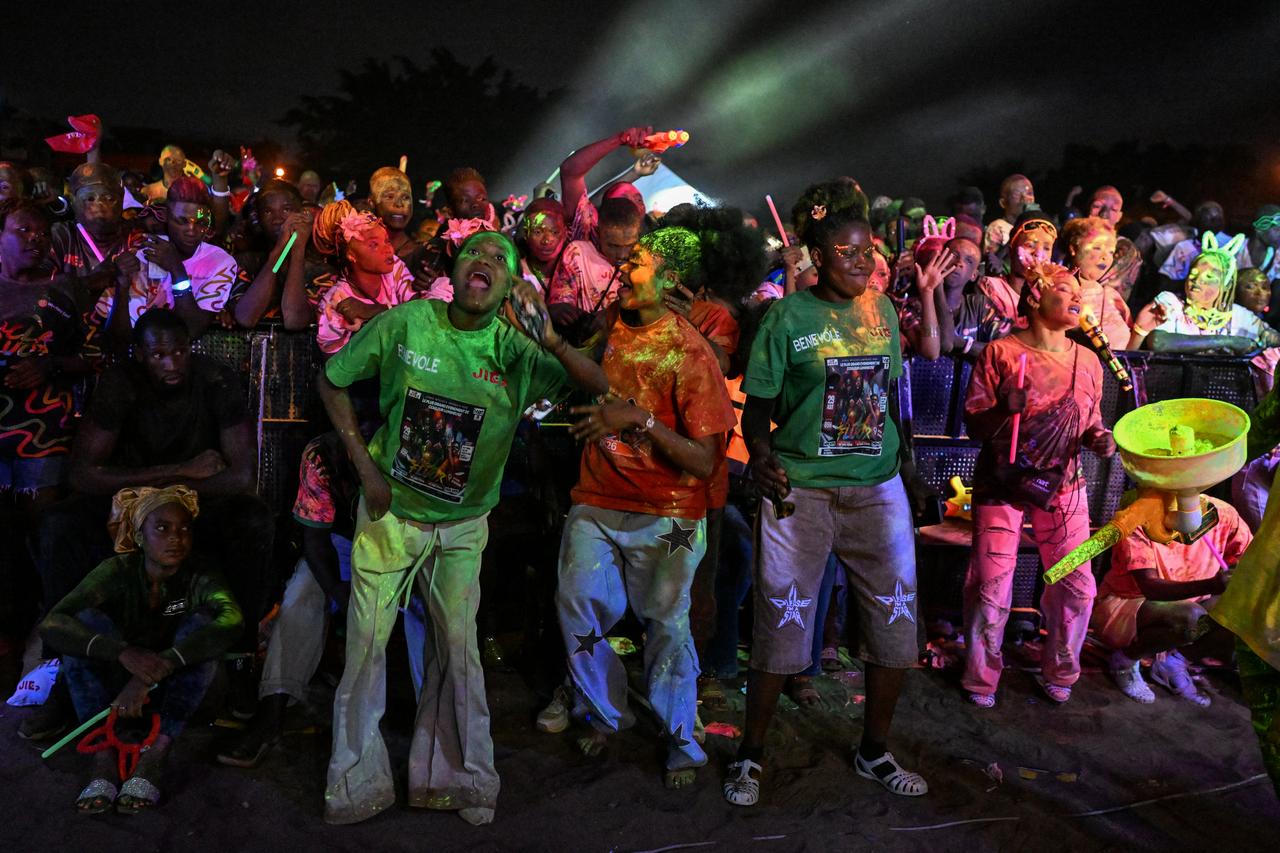
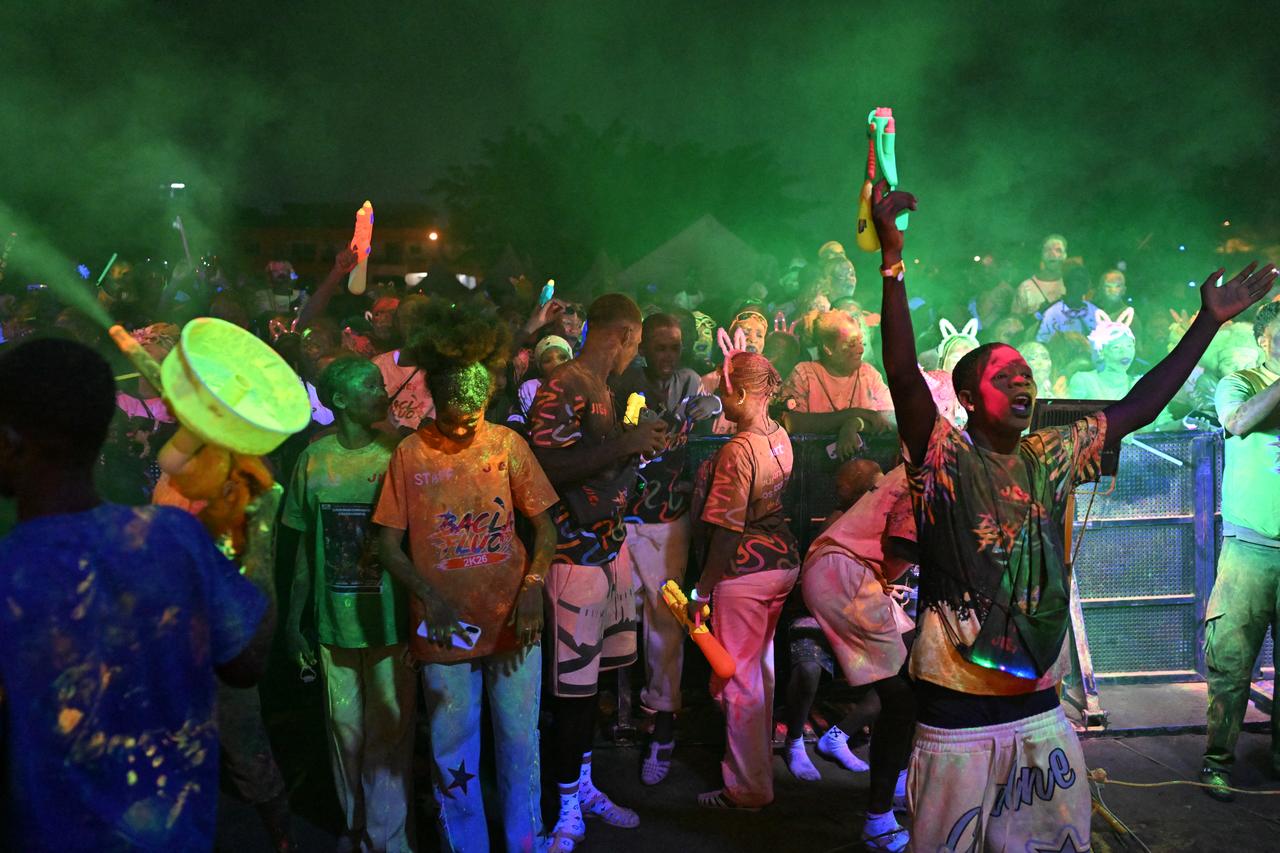
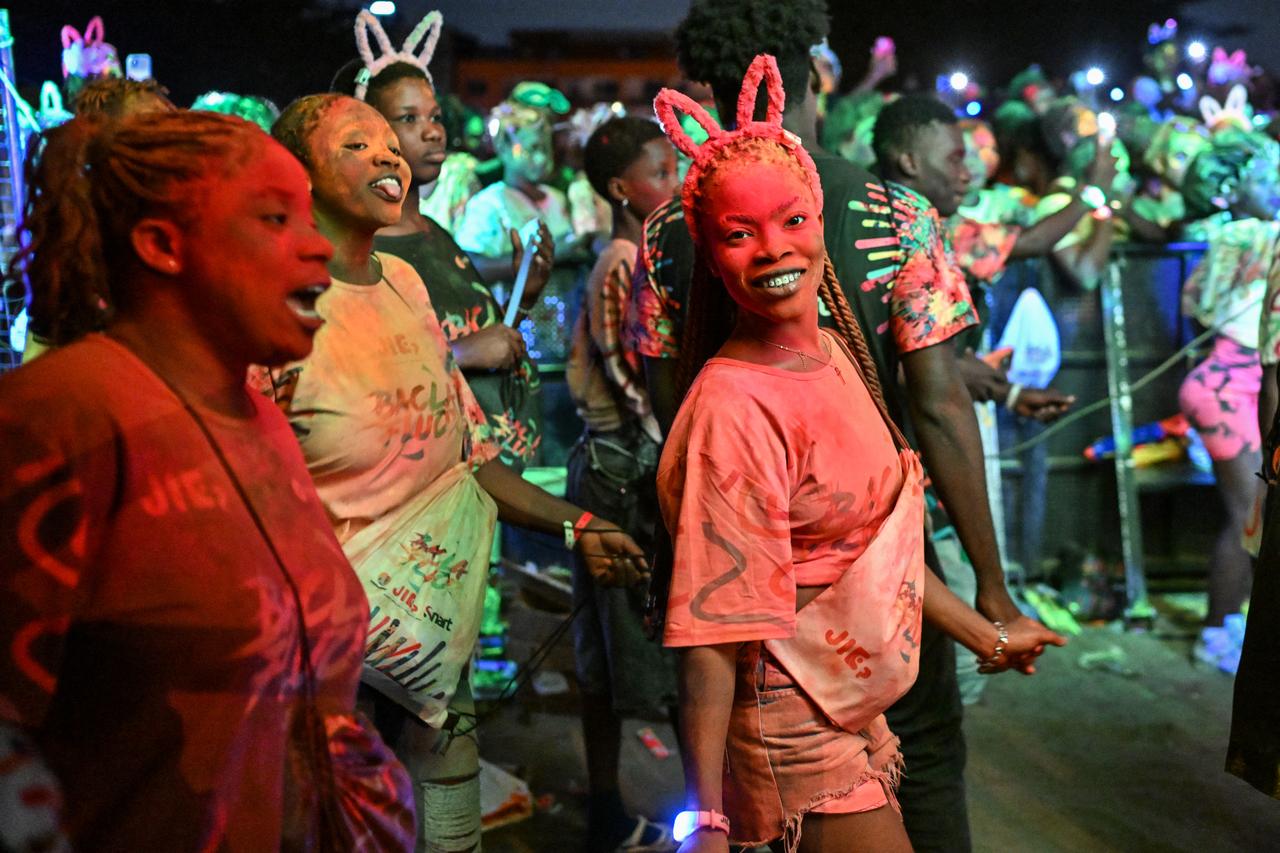
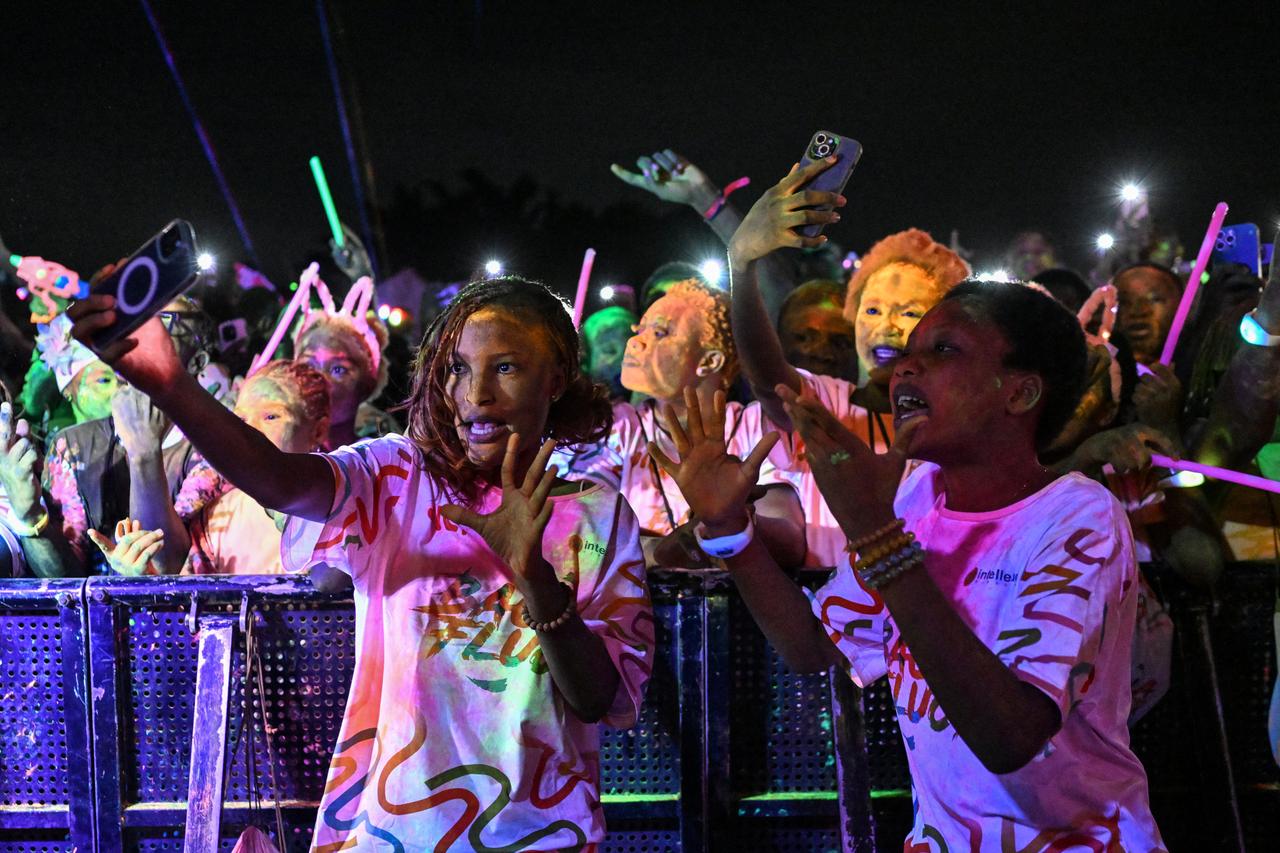
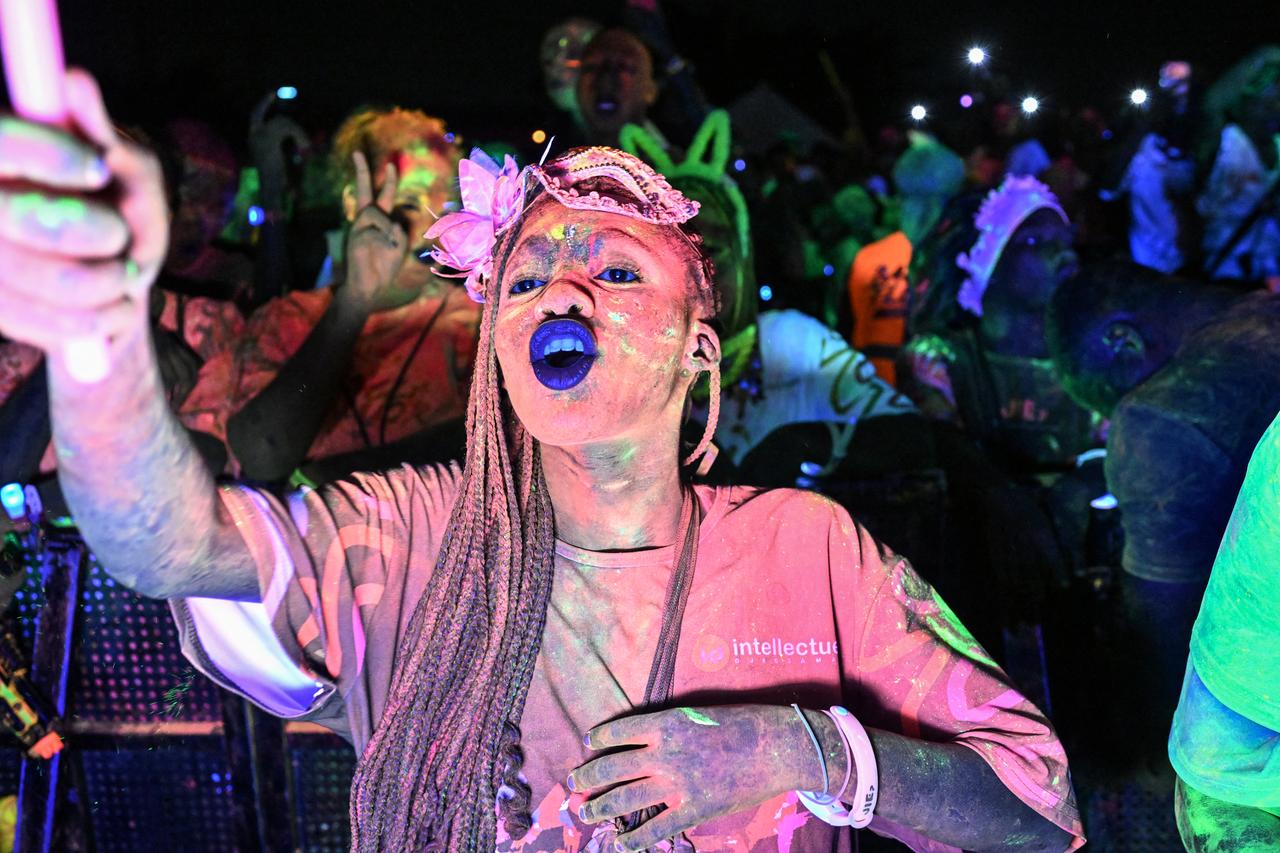
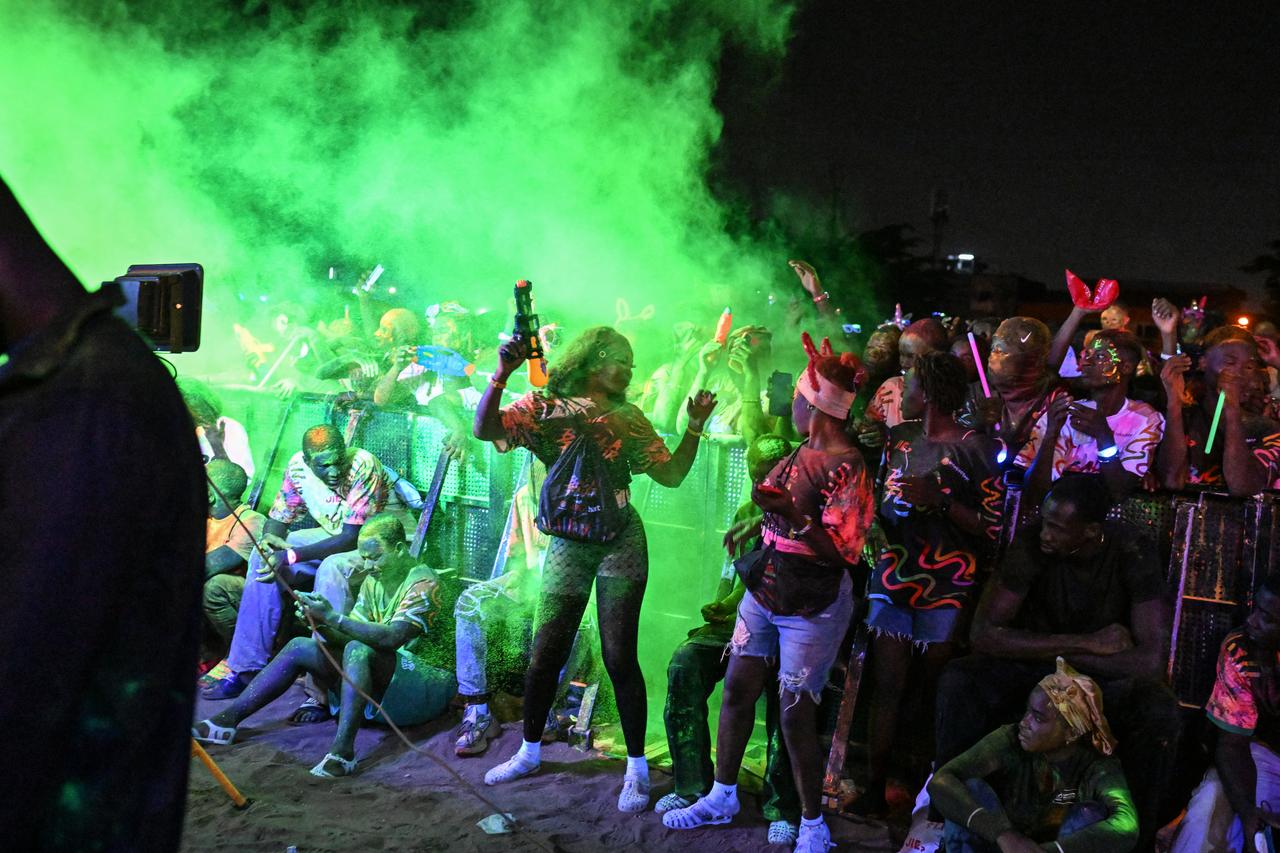
At a festival in Cocody, a more affluent Abidjan neighborhood, entry prices ranged from 10,000 to 15,000 CFA francs ($17 to $26), considerably higher than the street events.
Attendees wore fluorescent bracelets, paint on their faces, and T-shirts, followed Yeman's choreography, and sang along to his lyrics.
Biama has also reached television, with a dedicated news bulletin about the dance airing on a private channel.
Sociologist Stephane Babo said the trend carries an economic dimension beyond its cultural appeal, citing jobs created for dancers and related businesses such as clothing sales, and said it could continue over time.


 Set as preferred source


 2 min read