Sign in
 Newsletters


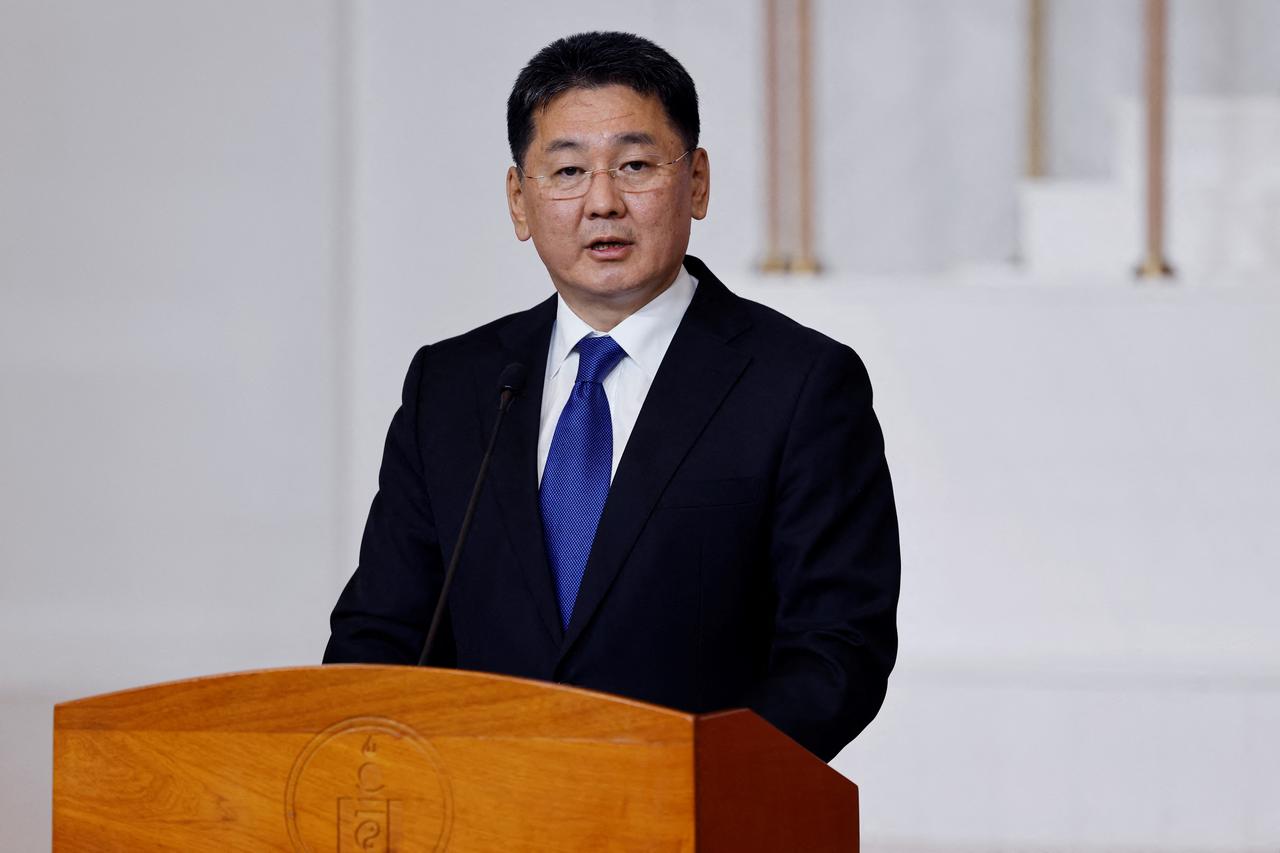
Mongolian President Ukhnaa Khurelsukh announced his resignation Tuesday following corruption allegations and threats of impeachment from the opposition Democratic Party, denying wrongdoing and saying he would step down to clear his name.
The announcement came a day after the Democratic Party accused Khurelsukh of involvement in corruption and demanded that he resign or face impeachment proceedings in parliament.
Speaking at a news conference, Khurelsukh rejected the allegations, saying he had been "falsely accused and defamed with allegations of extremely serious crimes."
"I believe that it is in the interests of justice for the Head of State to relinquish his duties and establish the truth," he said.
Khurelsukh said he would refer those responsible for damaging his reputation to the relevant authorities and seek to restore his good name.
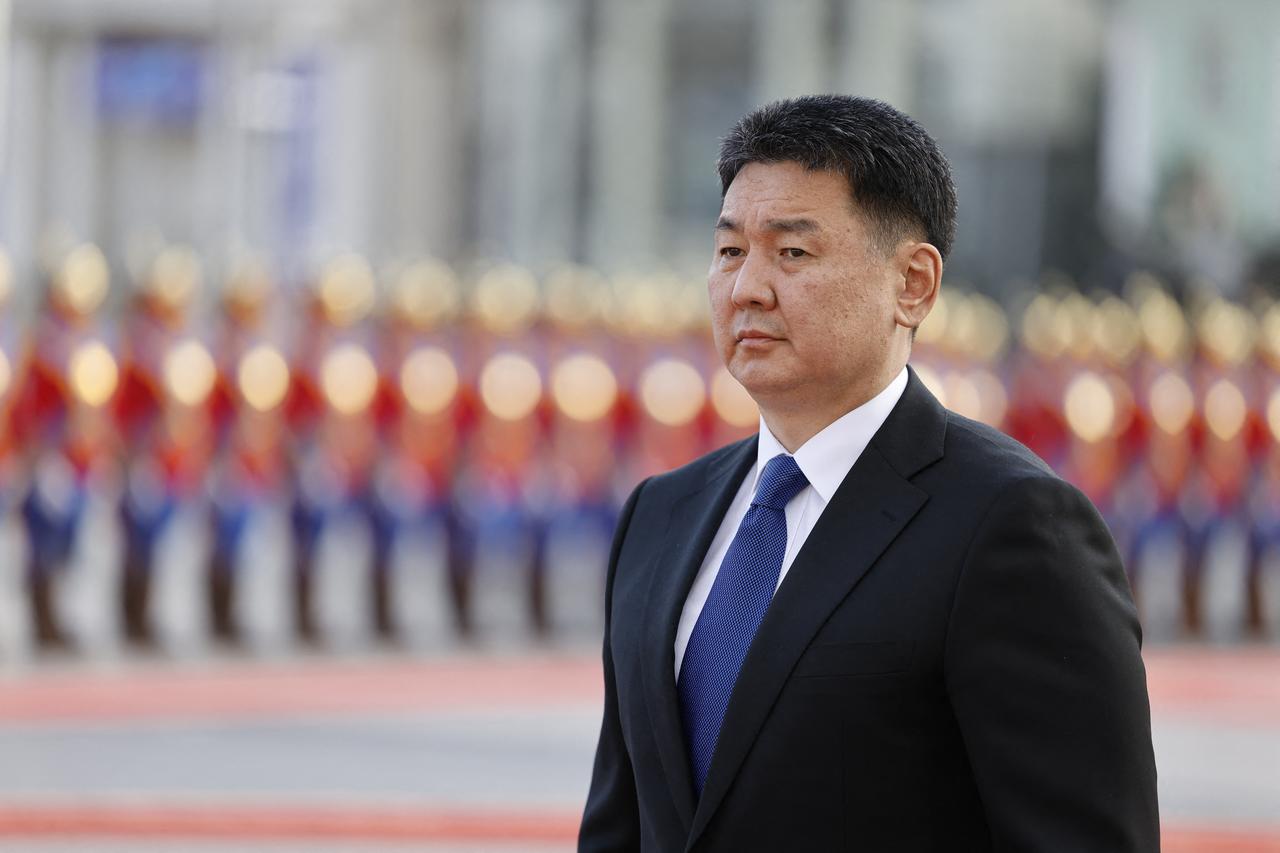

The Democratic Party said Monday that Mongolia had become "deeply corrupt" and called for senior government officials linked to graft allegations, including Khurelsukh, to resign and face investigation.
Khurelsukh denied the accusations, insisting he had not engaged in corruption during his presidency.
"I am someone who has never stolen from the people or the state during my time as president," he said.
"I have never lied or stolen. I have never deceived anyone," he added.
The president maintained that his decision to resign was intended to allow the allegations to be examined and the truth established.
Mongolia has faced months of political instability, including internal divisions within the ruling Mongolian People's Party (MPP) and widespread public anger over corruption.
In March, lawmakers appointed the country's third prime minister in less than 12 months following weeks of anti-corruption demonstrations.
Thousands of young protesters gathered in the capital, Ulaanbaatar, expressing frustration over wealthy political elites and what they described as widespread injustice.
Under Mongolian law, parliamentary Speaker Sandag Byambatsogt, a member of the ruling MPP, will assume presidential duties following Khurelsukh's departure.
A presidential election must be organized within four months to choose his successor.


 Set as preferred source
 Set as preferred source


 2 min read