

 Newsletters





The southwestern Japanese city of Fukuoka recorded another day of extreme heat this week, as authorities confirmed that heatstroke has killed at least 79 people nationwide since the start of the ongoing heat wave.
Temperatures in Fukuoka's Hakata Ward reached 40.4 degrees Celsius (104.7 degrees Fahrenheit), marking a 10th consecutive day of extreme heat in the city, according to Kyodo News.
The high temperatures have affected a wide area of Japan, driven by a persistent high-pressure system. Fukuoka has also been affected by hot, moist air flowing into the region from a nearby typhoon.
Average summer temperatures across Japan have risen in recent years, prompting authorities to introduce a new classification, "kokushobi," or "cruelly hot days," for days when the mercury hits 40 degrees Celsius (104 degrees Fahrenheit) or higher.


The extended heat wave has strained public health services. More than 41,000 people were hospitalized nationwide for heatstroke in July alone, Japan's Fire and Disaster Management Agency reported.
Of those hospitalized, 24,769 were aged 65 or older, accounting for more than 60% of the total, Jiji Press reported Tuesday, citing the agency's figures. 'Among those taken to hospitals, 24,769 were aged 65 or older, accounting for more than 60% of the total. Seventy-nine people were confirmed dead,' the outlet said.
 1 min read
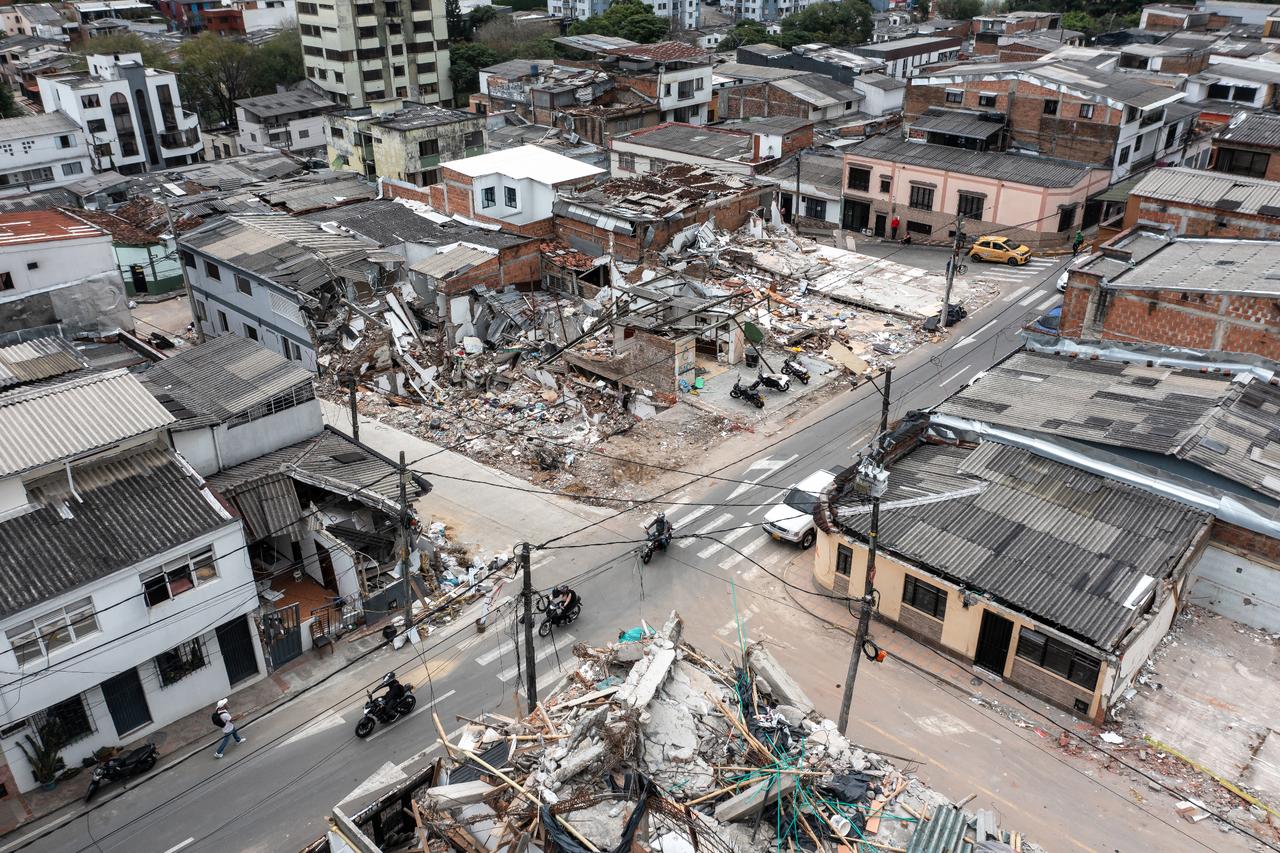
The current heat wave follows a separate bout of extreme weather earlier this month, when torrential rain and flash floods struck eastern Japan. Heavy downpours inundated Chiba prefecture, east of the capital Tokyo, triggering urban flooding that submerged residential areas and killed at least 13 people.


 Set as preferred source
 Set as preferred source


 1 min read


