Newsletters


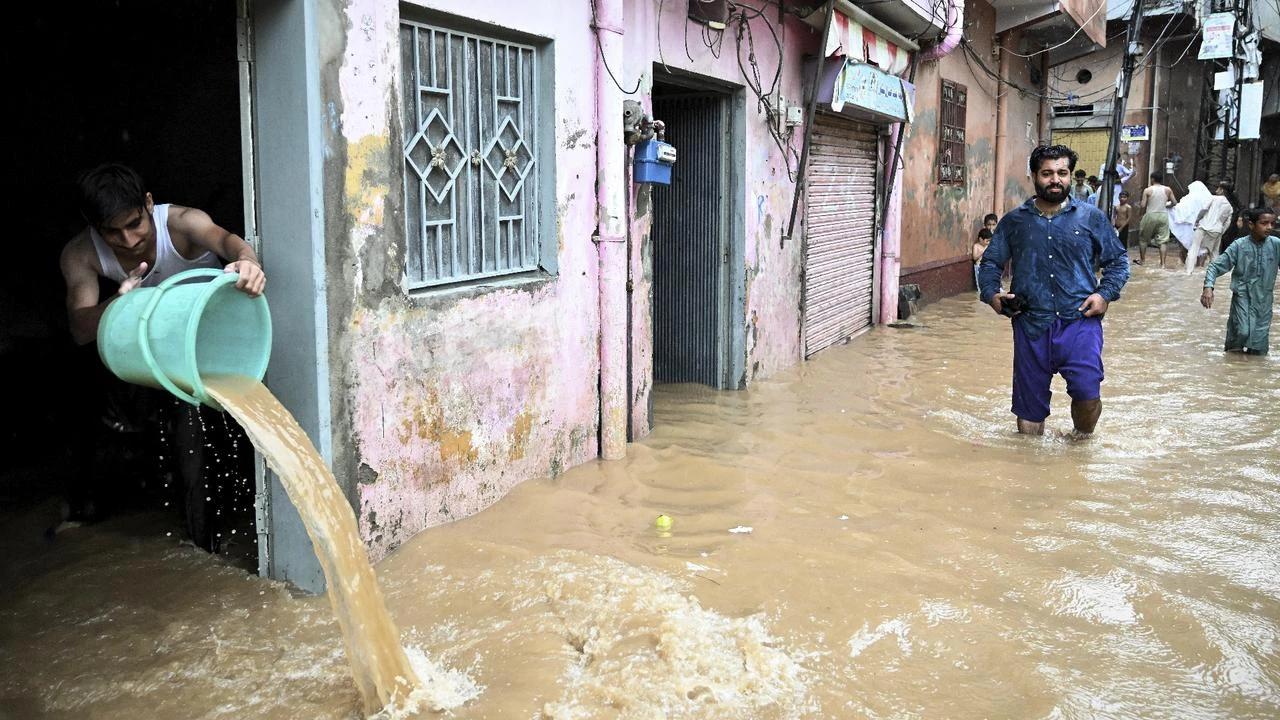
Flooding hit Rawalpindi on Wednesday following the Pakistan Meteorological Department’s alert, after three days of continuous rainfall across the twin cities since Monday.

The Rawalpindi administration had earlier sounded flood-warning sirens as heavy rain intensified, with the water level at Kattarian crossing 22 feet (6.7 meters) and reaching 16 feet (4.9 meters) near Gawalmandi Bridge, up from earlier readings of 19 feet (5.8 meters) and 15 feet (4.6 meters), respectively.
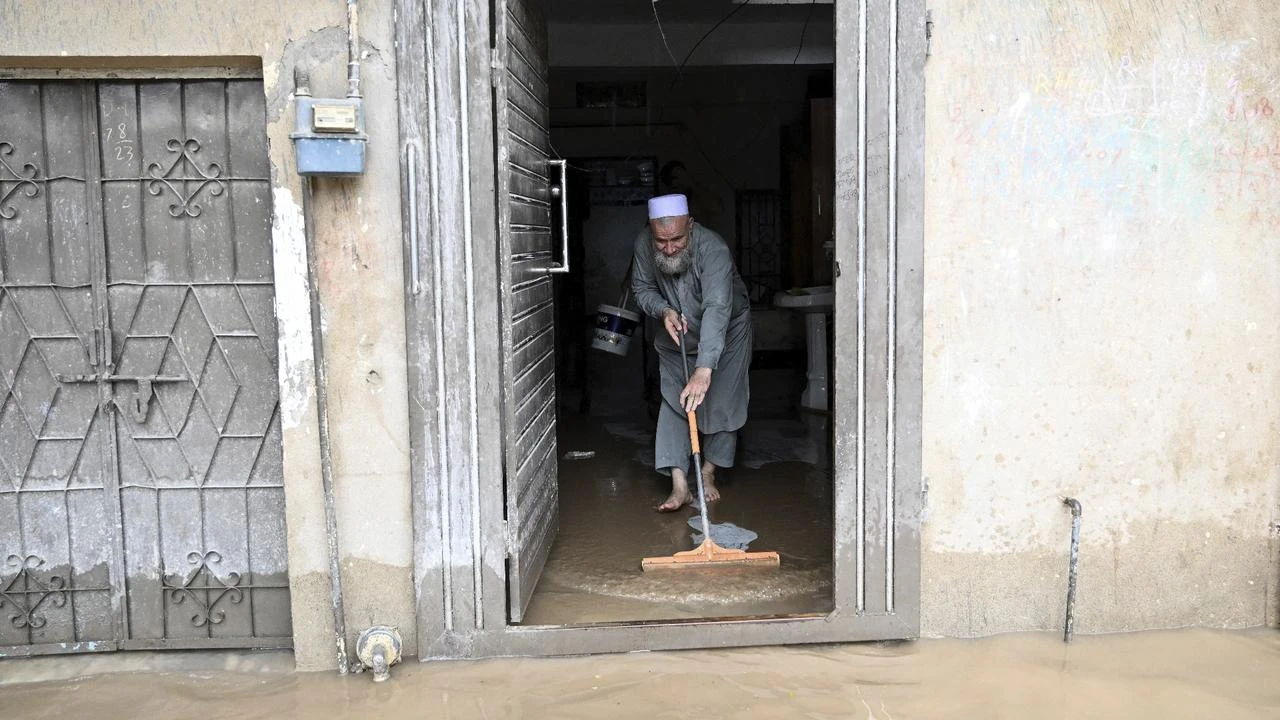
Rainfall later eased in Rawalpindi and Islamabad, allowing water levels in Nullah Lai to fall after the channel hit its daily peak. According to the flood control room, the Kattarian level dropped to 17 feet (5.2 meters) from 21 feet (6.4 meters), while Gawalmandi stood at 17 feet (5.2 meters).
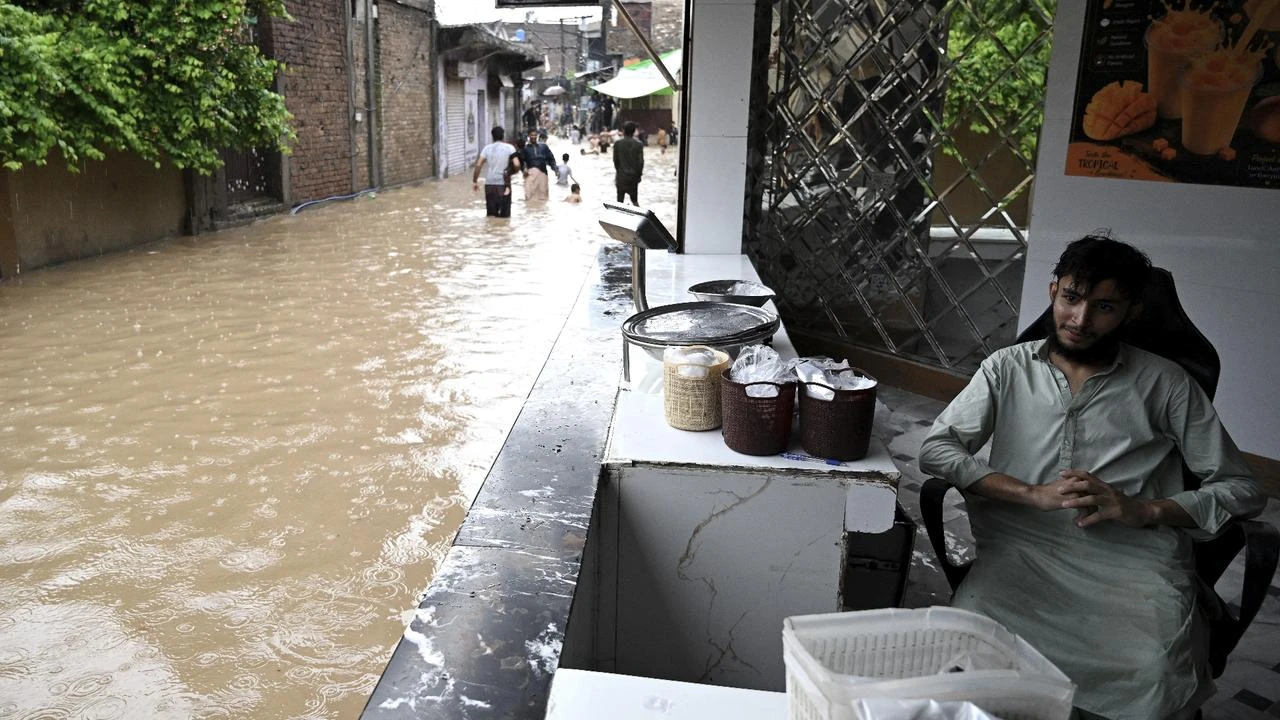
Intermittent rain, nonetheless, continued in parts of the twin cities, while the Met Office forecast more rain, wind and thundershowers across several upper and central parts of the country through Aug. 21, with occasional gaps. Heavy rainfall is also expected during that period.
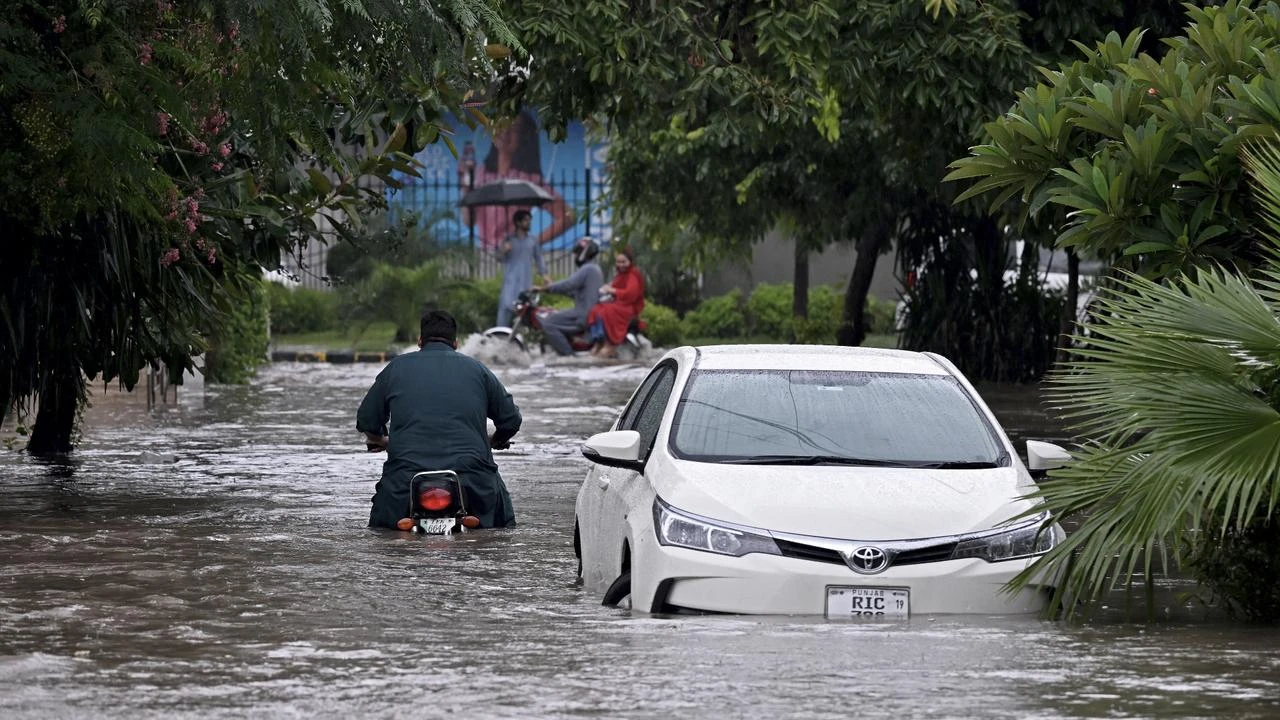
The weather department said monsoon currents were penetrating the country’s upper regions, while a westerly wave was also affecting the region. Hot and humid weather will prevail elsewhere in the country.
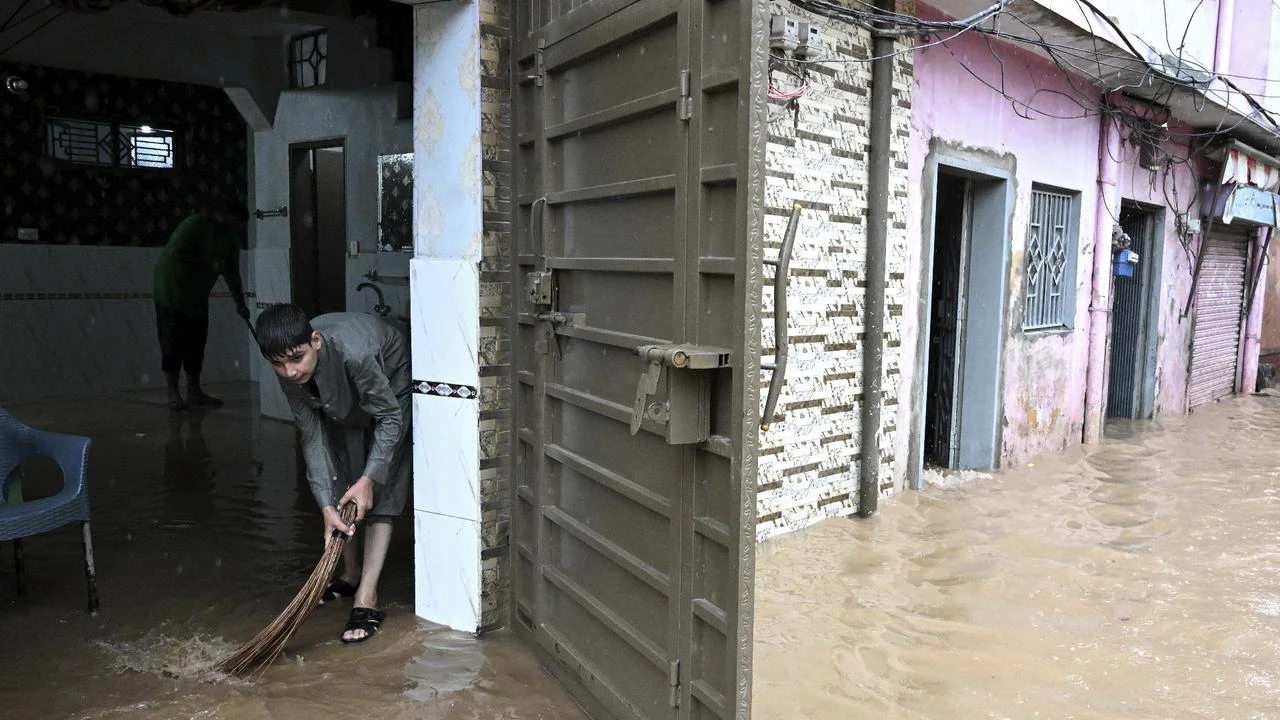
Flooding has affected several parts of Rawalpindi amid continued rainfall, creating an emergency situation around Nullah Lai and surrounding areas.

Water has also entered a madrasah (seminary) in the city's Saddar area, where around 550 students are present, while 150 children have been moved to a safer location.
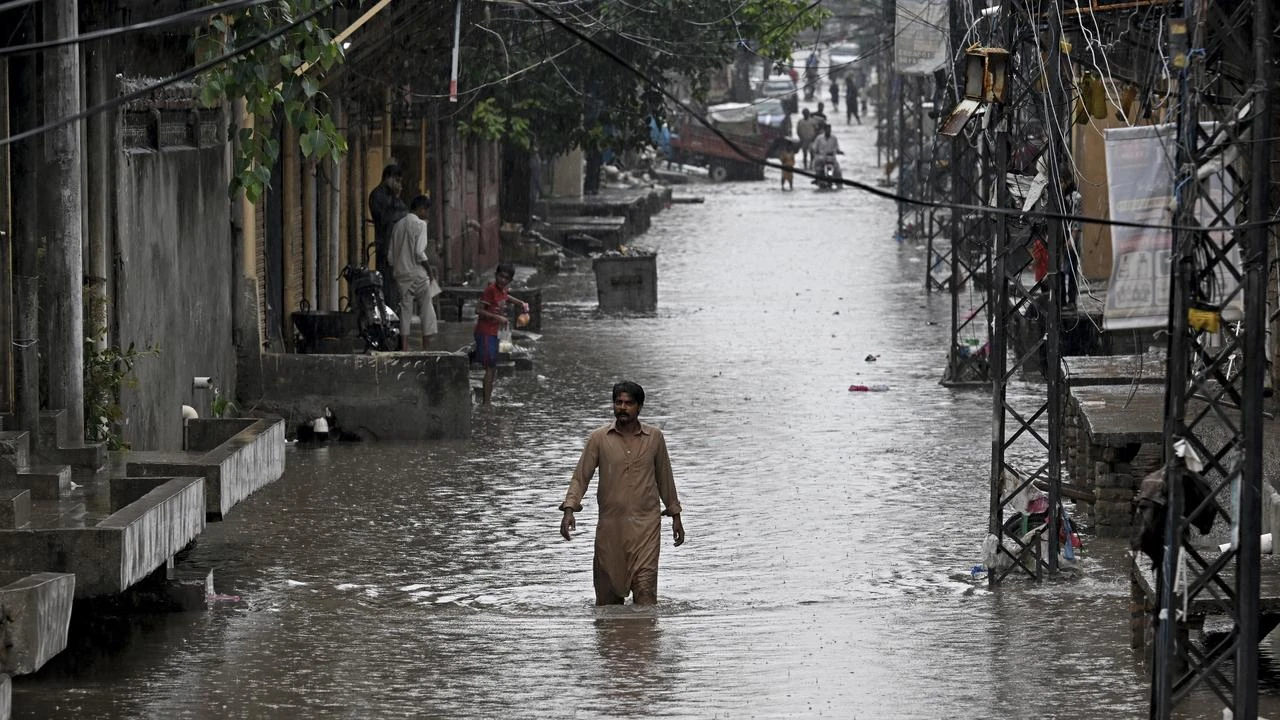
Water and Sanitation Agency (Wasa) Managing Director Azizullah Khan said teams had been deployed along Nullah Lai and in low-lying areas to monitor water levels and respond to emergencies.
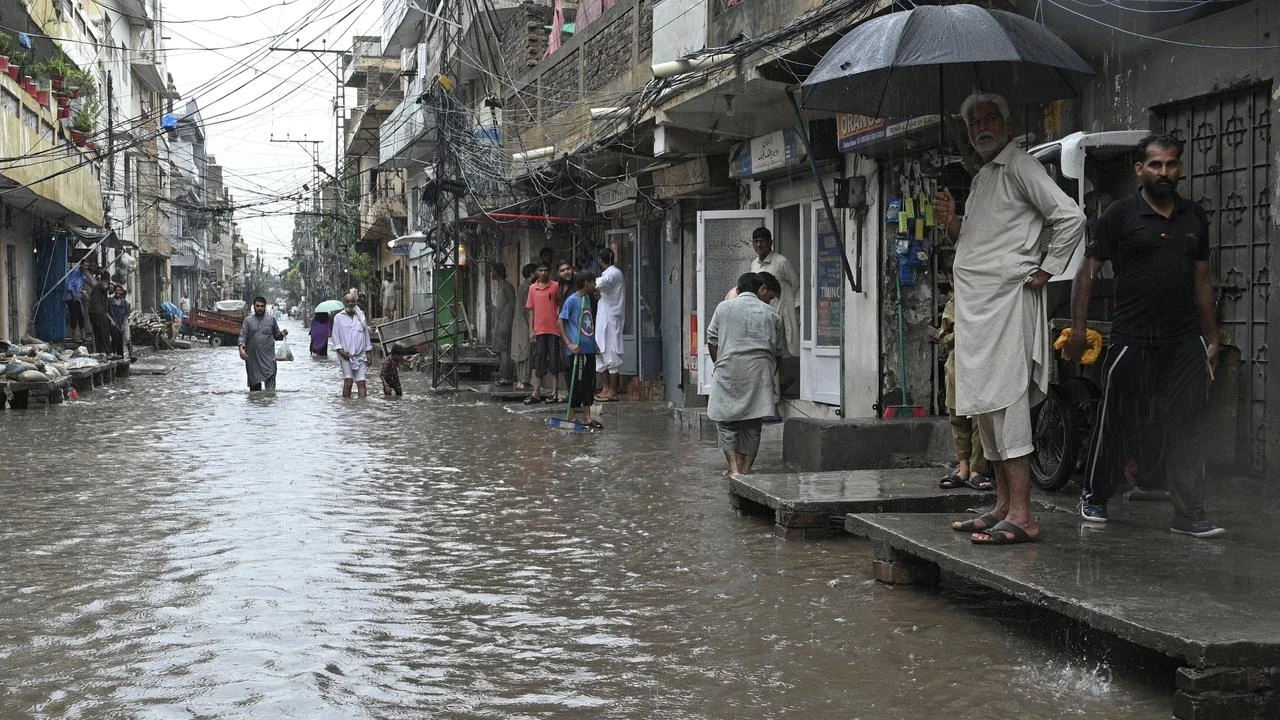
He added that garbage carried into Nullah Lai during the previous spell of rain had been removed in time, allowing water to flow freely. He urged residents not to dump waste into drains and sewers or remove sewer covers, warning that such practices could obstruct drainage.


 Set as preferred source


 4 min read