Newsletters


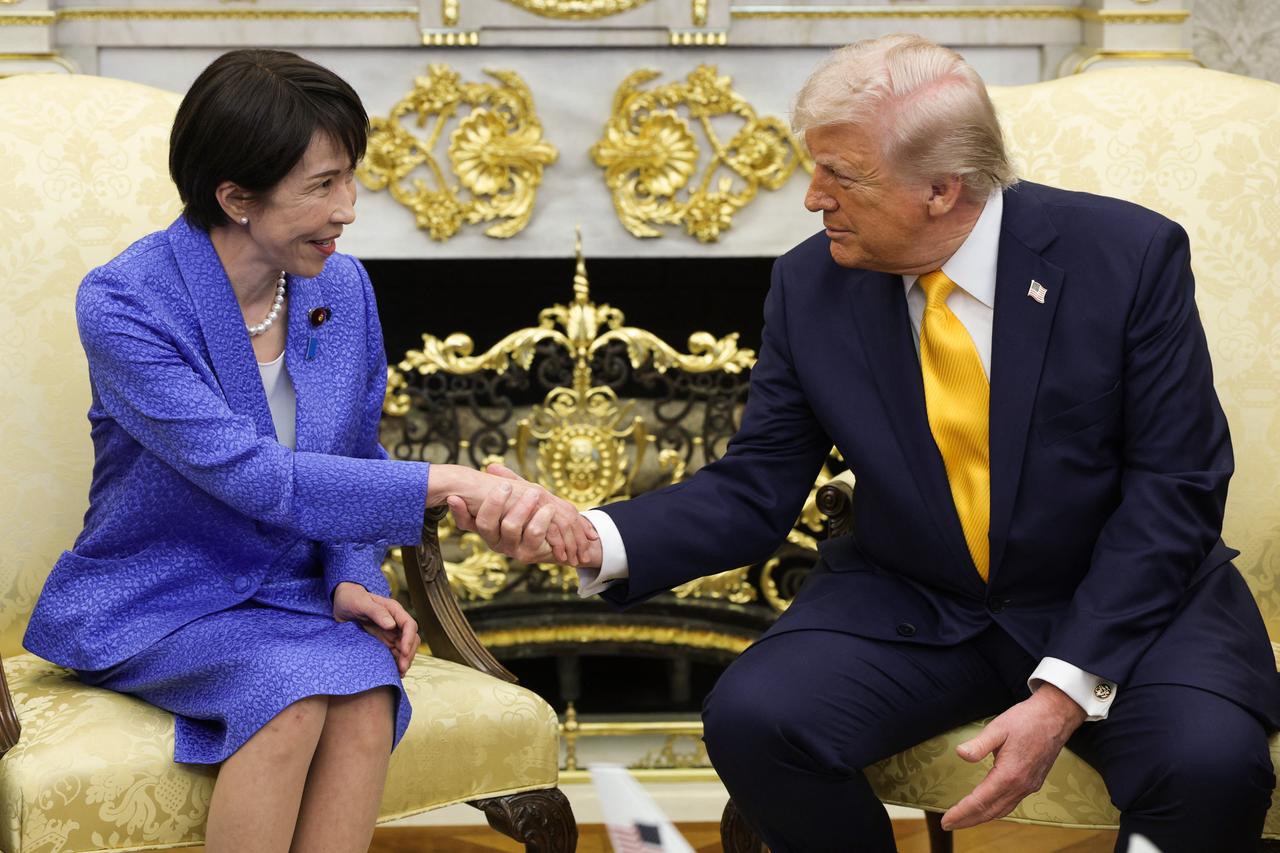


Japanese Prime Minister Sanae Takaichi emerged from a high-stakes White House meeting on Thursday with warm words from Donald Trump on the Strait of Hormuz crisis, though the US president jolted his guest with an off-the-cuff reference to the 1941 attack on Pearl Harbor that underscored the unpredictable nature of his diplomacy.
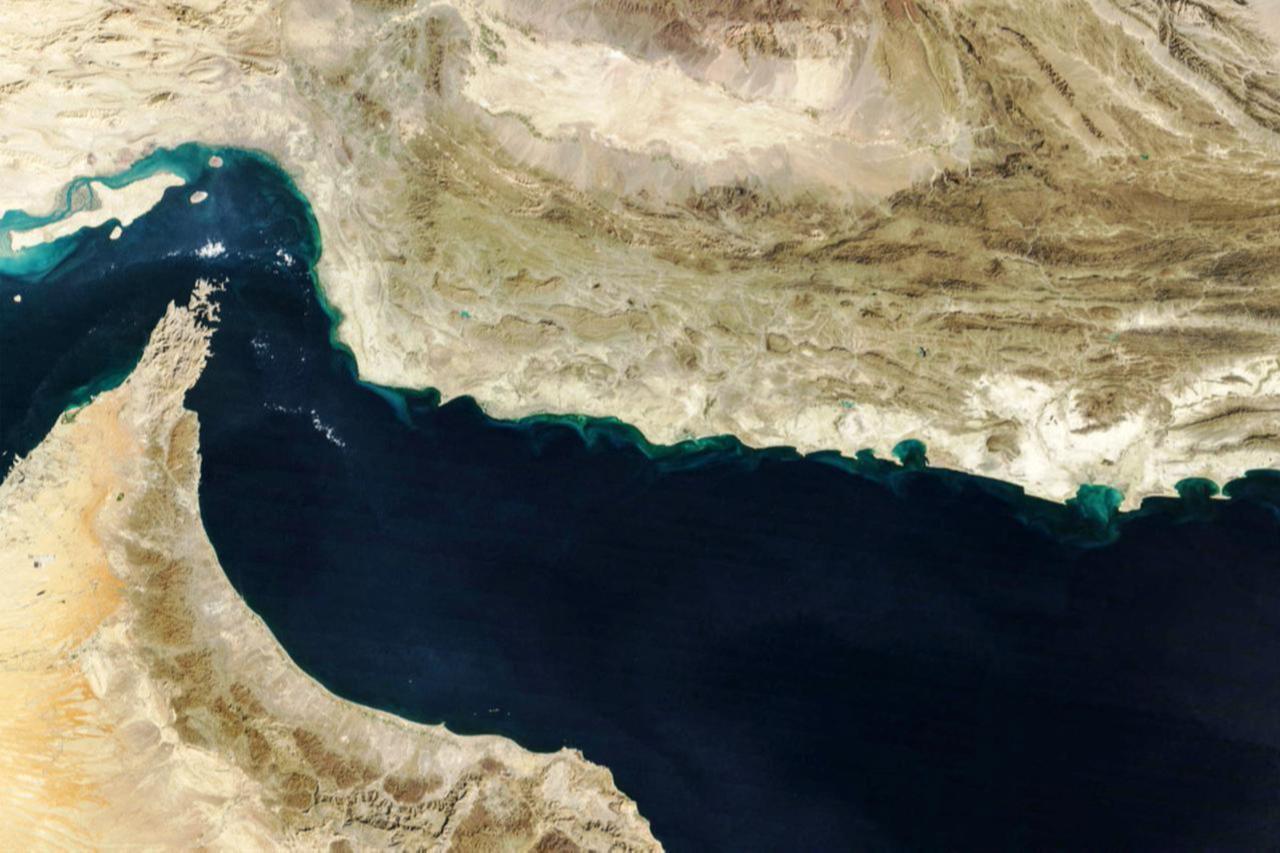
The visit, which included an Oval Office press conference and a planned dinner, came days after Trump publicly berated US allies, Japan among them, for not doing enough to help reopen the vital waterway through which roughly one-fifth of the world's oil supply typically flows. But his tone toward Takaichi was strikingly warmer than the rebukes he has recently directed at other leaders, including British Prime Minister Keir Starmer.
"I'm very proud of you. We've become friends," Trump told Takaichi, Japan's first female prime minister, whom he endorsed ahead of her landslide election victory in February.
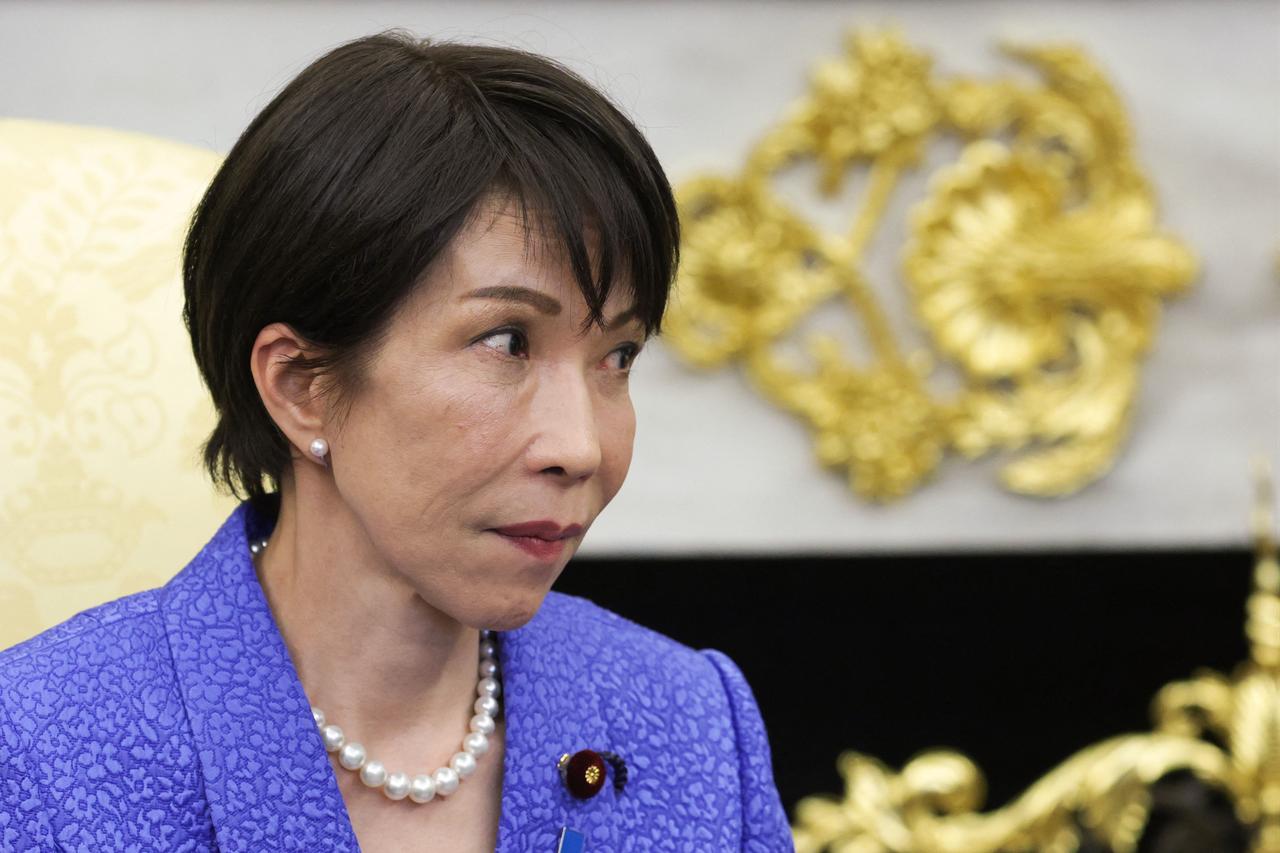

The most jarring exchange of the day came when a Japanese reporter asked Trump why allies had not been consulted before the United States and Israel launched strikes against Iran on February 28. Trump's answer veered sharply into wartime history.
"We didn't tell anybody about it because we wanted surprise. Who knows better about surprise than Japan, OK?" he said, before turning to Takaichi and adding: "Why didn't you tell me about Pearl Harbor, OK?"
Takaichi, relying on an interpreter, did not respond verbally but appeared to hold back a sigh as she shifted in her chair. At least one audible groan was heard in the room packed with US and Japanese reporters.
Imperial Japan's pre-emptive strike on the US Pacific fleet at Pearl Harbor, Hawaii, on December 7, 1941, killed more than 2,400 Americans and drew the United States into World War II. The conflict ended with Washington dropping two atomic bombs on Japan, the only use of nuclear weapons in history. Wartime history remains deeply sensitive for the Japanese, who have spent decades building a close alliance with their former adversary.
The remark echoed another Trump foray into World War II diplomacy last year, when he told German Chancellor Friedrich Merz that the D-Day landings in Nazi-occupied France were "not a pleasant day for you." Merz responded that Germans owed a debt to Americans, as the invasion ultimately led to the liberation of his country from Nazi dictatorship.
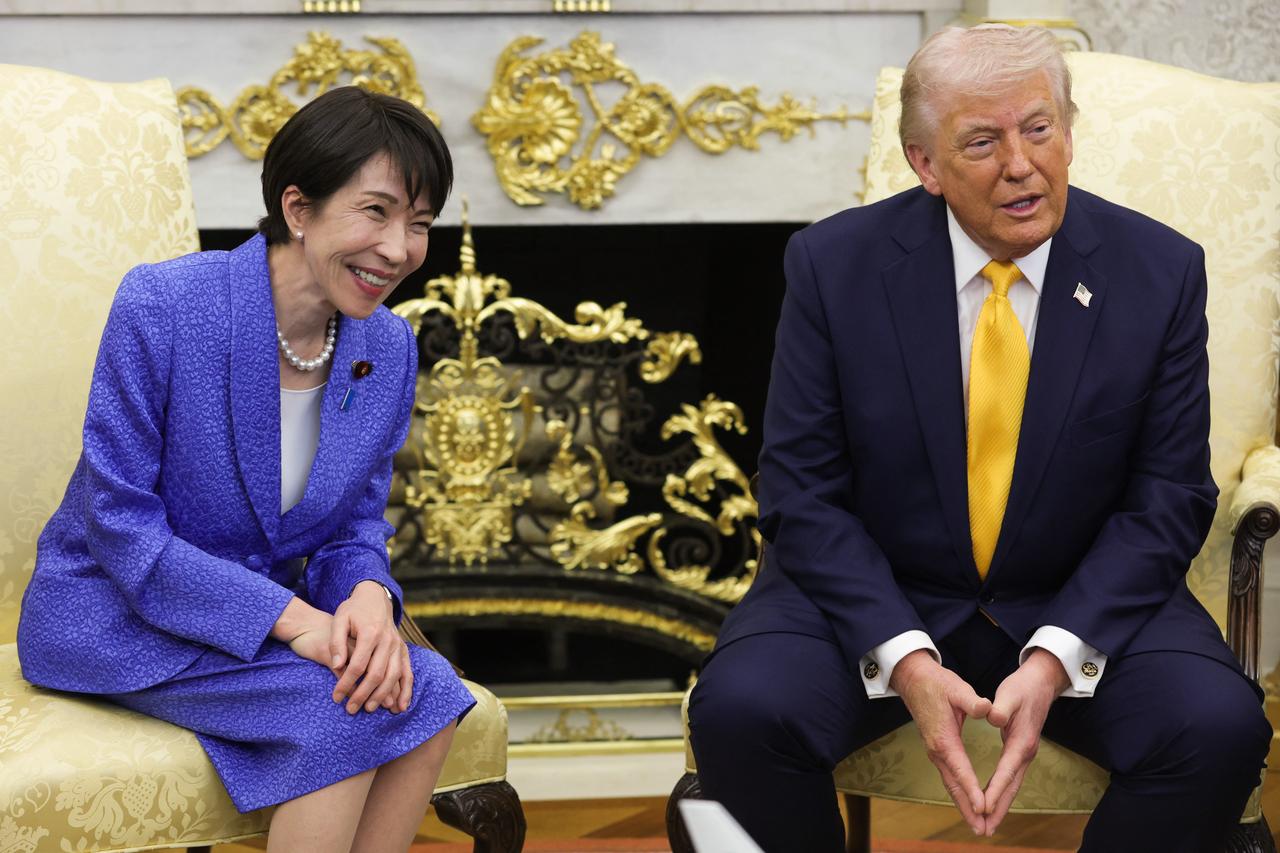
Despite the awkward detour into history, the meeting's central outcome was a de-escalation of the Hormuz dispute. Just over an hour before the two leaders sat down, Japan and five other allies, including Britain and France, issued a joint statement declaring their readiness "to contribute to appropriate efforts to ensure safe passage through the Strait of Hormuz."
Trump praised Tokyo's commitments in broad terms, telling reporters that based on statements received in recent days, Japan was "really stepping up to the plate." After a long pause, he added "unlike NATO," reprising his familiar criticism of the US-led alliance with mainly European nations.
He offered few specifics about what form Japan's contribution might take. Deploying Self-Defense Forces abroad is politically sensitive in officially pacifist Japan, where many voters remain attached to the war-renouncing constitution imposed by the United States in 1947. Trump noted, however, that Japan receives around 90 percent of its oil through the strait, framing allied participation as a matter of self-interest.
The meeting appeared to reinforce Takaichi's strategy of personal rapport with Trump, a continuation of a similarly friendly encounter in Tokyo in October during which she said she would nominate him for the Nobel Peace Prize. Footage released by a Trump aide showed the 64-year-old conservative giving the president a big hug on her arrival at the White House.
Takaichi herself holds nationalist views, having said in the past that Japan fought a defensive war and has apologized too excessively to Asian nations that suffered under its wartime occupation.
Yet her ability to charm Washington may matter less at home, where polls published last week suggest her post-election honeymoon is fading. Rising oil and gas prices driven by the Iran conflict threaten to squeeze Japanese households and businesses, eroding public goodwill.
The alliance with Washington remains indispensable for Tokyo. The United States stations roughly 60,000 troops on Japanese soil, serving as the guarantor of Japan's security at a time when China is growing increasingly assertive in the region.
Trump has justified the strikes on Iran by claiming Tehran was on the verge of acquiring a nuclear weapon, a characterization not supported by the UN nuclear watchdog or most independent observers. He has also called on Iranians to overthrow their clerical government, though he has stopped short of declaring regime change an official goal.


 Set as preferred source
 Set as preferred source


 2 min read
 1 min read