Newsletters


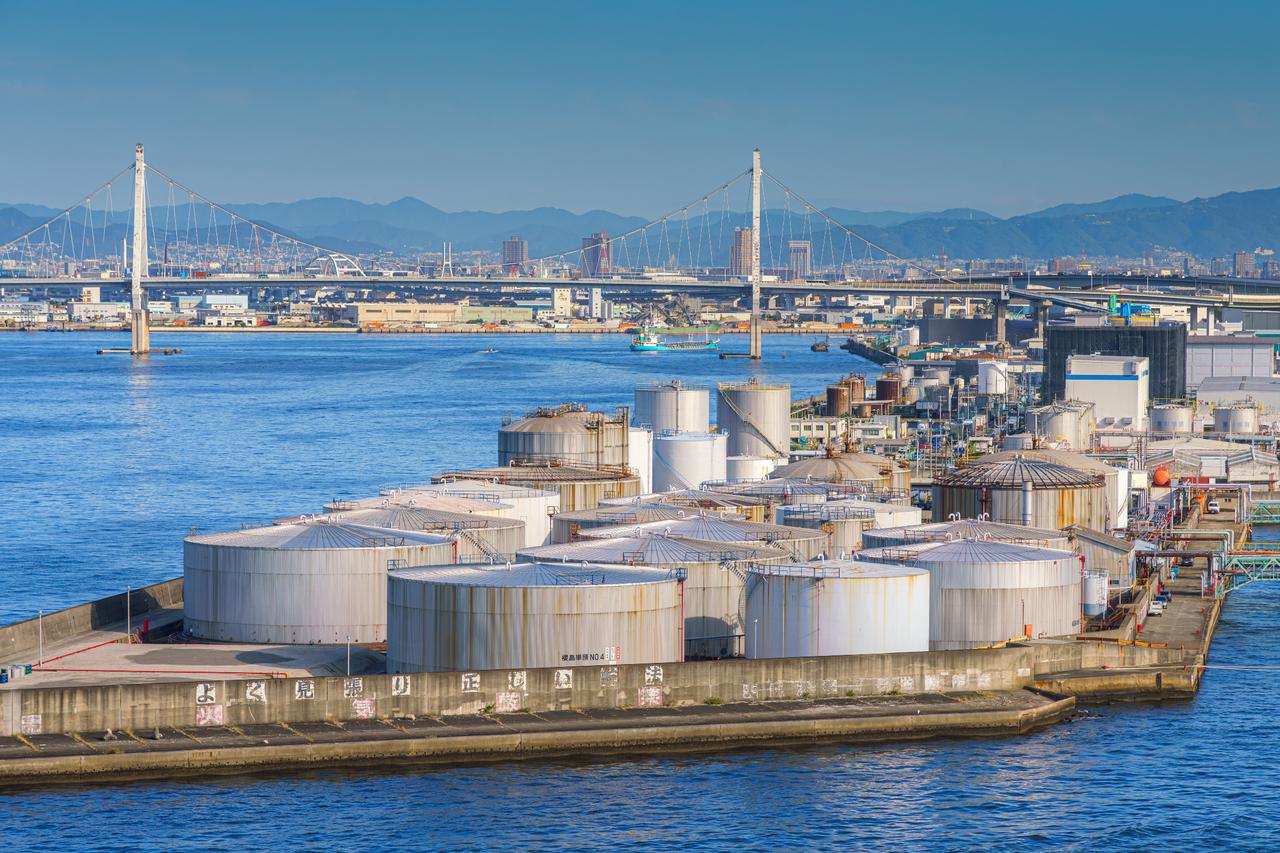


Japanese Prime Minister Sanae Takaichi said Wednesday that the country will begin tapping its strategic petroleum reserves as early as Monday in an effort to stabilize domestic fuel prices and respond to mounting supply risks in the Strait of Hormuz.
"Without waiting for a formal decision on coordinated international stock releases with the IEA, Japan has decided to take the lead in easing supply and demand in the international energy market by releasing strategic reserves as early as the 16th of this month," Takaichi told reporters.
The IEA has been discussing a large-scale release of strategic reserves among its 32 member states as prices surge due to the conflict involving the United States, Israel and Iran. According to reports, the proposed plan could exceed the 182 million barrels collectively released by IEA countries in 2022 following Russia’s full-scale invasion of Ukraine.
Takaichi highlighted her country's dependency on oil coming through the strait, forecasting that crude shipments heading to the country could fall sharply later this month. "Given Japan's exceptionally high dependence on the Middle East (for oil) and as we will be severely impacted, we plan to utilise Japan's strategic petroleum reserves," she said.
Although Tokyo plans to act independently at first, she added that the government remains in close contact with the International Energy Agency and the Group of Seven over a potential coordinated release of emergency oil stocks.
IEA members collectively hold more than 1.2 billion barrels of public emergency oil stocks, along with an additional 600 million barrels maintained by industry under government obligations.
Takaichi also noted that the government would introduce measures to keep the national average gasoline price around 170 yen ($1.07) per litre, slightly below last year’s average of 178 yen.
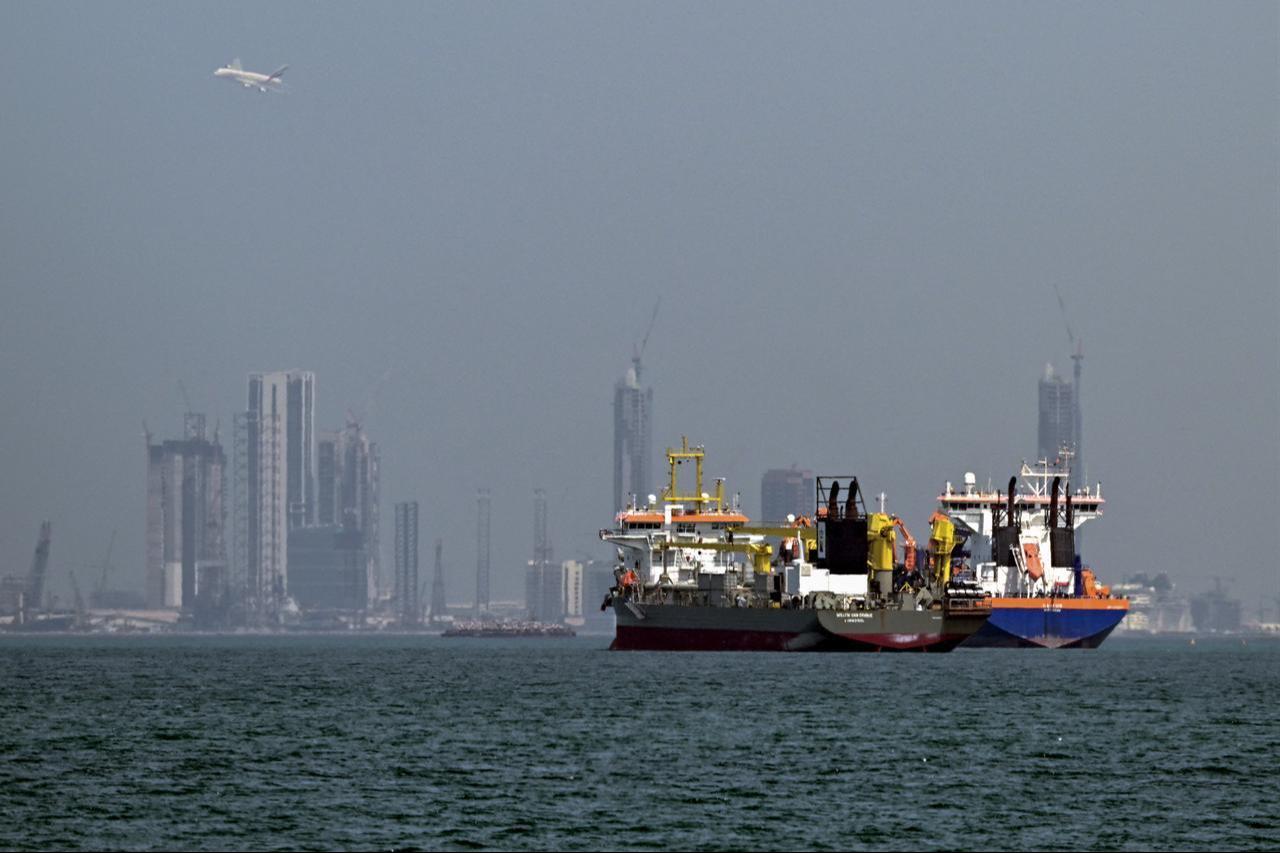

Energy markets have remained volatile as the situation in the Middle East affects shipping activity through the Strait of Hormuz, a route that normally carries about one-fifth of the world’s oil and seaborne gas supplies.
Crude prices surged earlier in the week, with both Brent and West Texas Intermediate briefly approaching $120 per barrel on Monday, levels last seen in 2022. Prices later retreated after comments from Donald Trump suggesting the conflict could end soon and that the U.S. Navy would ensure safe passage through the strait.
Even after the pullback, oil remained elevated at $86.6 per barrel on Wednesday.
France’s Finance Minister Roland Lescure also confirmed that plans by several countries to release part of their strategic oil reserves appear to be part of a coordinated international effort.


 Set as preferred source
 Set as preferred source


 1 min read

 1 min read